Pet Bird Health: Cage Setup, Diet, and Respiratory Warning
A practical, evidence-informed guide to pet bird health — what matters, what works, common mistakes, and when to consult a professional.
For informational purposes only. This article is educational and is not a substitute for professional medical advice, diagnosis, or treatment. Always consult a qualified healthcare provider about anything affecting your health. Read full disclaimer.
Pet Bird Health: Cage Setup, Diet, and Respiratory Warning Signs
(Not medical or veterinary advice — consult a qualified clinician or veterinarian for personal guidance.)
Introduction
Caring for a pet bird is a rewarding experience that comes with significant responsibility. These intelligent and often social creatures require a comprehensive approach to health, encompassing their environment, nutrition, and close monitoring for signs of illness. Unlike some other pets, birds can be adept at concealing symptoms of disease, a survival instinct that makes early detection challenging but crucial. This article provides an evidence-informed overview of key aspects of pet bird health, focusing on the critical areas of cage setup, diet, and recognizing respiratory warning signs, aiming to equip bird owners with knowledge to promote their companion's well-being.
Understanding the specific needs of your bird's species is fundamental. A budgerigar, a cockatiel, a conure, or a macaw each have distinct requirements that influence everything from cage size and bar spacing to dietary composition and social interaction. General principles of care apply broadly, but species-specific research remains paramount for optimal health.
Why this matters
The health and welfare of pet birds are directly linked to their living conditions and the care they receive. A properly designed and maintained environment can prevent stress, promote physical activity, and reduce exposure to pathogens. Nutrition, often underestimated, is a cornerstone of avian health; an unbalanced diet is a common cause of illness in pet birds, leading to deficiencies or excesses that can compromise organ function, immune response, and overall vitality.
Respiratory health is particularly important in birds. Their unique respiratory system, which includes air sacs in addition to lungs, makes them highly susceptible to airborne irritants, toxins, and infections. Respiratory issues can rapidly escalate, and early recognition of symptoms is often the key to successful treatment. Furthermore, birds are prey animals in the wild, and this instinct to hide illness means that by the time symptoms become obvious, the condition may be advanced. Proactive care and vigilant observation are therefore not just beneficial, but essential for the longevity and quality of life of pet birds. Providing optimal care is a commitment that reflects responsible pet ownership and contributes to a fulfilling companionship.
Key principles (evidence-informed)
Environmental Enrichment and Safety (WHO, WOAH)
A bird's enclosure serves as its primary habitat and must be designed to meet its physical and psychological needs.
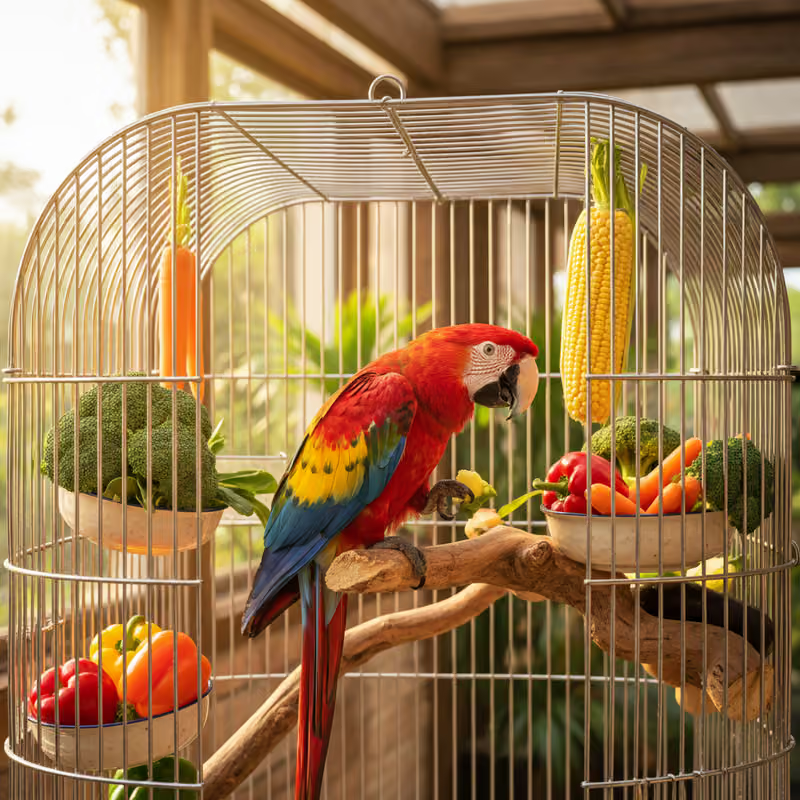
- Cage Size: The cage should be as large as possible, allowing the bird to fully stretch its wings in all directions without touching the cage bars or toys. For larger species, flight cages are ideal. The size should accommodate space for perches, food and water bowls, and toys without becoming overcrowded.
- Bar Spacing: Bar spacing must be appropriate for the bird's size. Small birds (e.g., finches, budgerigars) require narrower spacing to prevent escape or injury from getting their head or body stuck. Larger birds need wider spacing for comfortable access and to prevent foot injuries.
- Perches: Provide a variety of natural perches of different diameters, textures, and materials (e.g., natural branches from safe, non-toxic trees like apple, pear, oak). This helps to exercise foot muscles, prevent pressure sores (bumblefoot), and promote natural wear of nails. Avoid sandpaper perches, which can cause foot irritation. Rope perches can also be beneficial, but must be checked regularly for fraying.
- Cage Location: Place the cage in a safe, draft-free area away from direct sunlight, heating/cooling vents, and loud noises. It should be in a location where the bird can feel part of the household activities but also have periods of quiet and rest. Avoid kitchens due to potential fumes from non-stick cookware and other airborne toxins. Ensure it is away from toxic plants and other household hazards.
- Substrate: Use safe, non-toxic substrates. Options include newspaper (plain, black ink only), paper towels, or commercial paper-based cage liners. Avoid corn cob, walnut shells, and wood shavings (especially cedar and pine, which can contain irritating aromatic oils), as these can harbor mold, bacteria, or be ingested and cause impaction.
- Toys: Birds are intelligent and require mental stimulation. Provide a variety of toys that encourage foraging, chewing, climbing, and interaction. Rotate toys regularly to prevent boredom. Ensure all toys are bird-safe, made from non-toxic materials, and free from small parts that could be ingested or cause entanglement. Consider foraging toys that make mealtime a challenging and engaging activity.
Nutritional Excellence (AVMA, WSAVA)
Diet is arguably the most critical aspect of pet bird health. Many diseases in pet birds are directly or indirectly linked to nutritional deficiencies or imbalances.
- Pelleted Diet: A high-quality, commercially formulated pelleted diet specifically designed for your bird's species should form the foundation (approximately 60-80%) of the diet. Pellets are nutritionally balanced and prevent selective eating, which often occurs with seed-based diets.
- Fresh Fruits and Vegetables: Offer a wide variety of fresh, clean fruits and vegetables daily. These provide essential vitamins, minerals, and antioxidants. Examples include dark leafy greens (kale, collard greens, romaine lettuce), bell peppers, carrots, broccoli, apples, berries, and melon. Always wash produce thoroughly and remove pits or seeds from fruits like apples and cherries, as they can be toxic. Introduce new items gradually.
- Limited Seeds and Treats: Seeds, while often enjoyed by birds, are high in fat and low in essential nutrients. If offered, seeds should be a small portion of the diet (e.g., 5-10%) and preferably sprouts or fortified mixes. Avoid sugary treats, human junk food, chocolate, avocado, and anything containing caffeine or alcohol, all of which are toxic to birds.
- Clean Water: Provide fresh, clean water daily, or even multiple times a day. Water bowls should be cleaned thoroughly to prevent bacterial growth. Filtered water is often recommended.
- Grit: For birds that eat whole seeds (e.g., finches, canaries, pigeons), insoluble grit can aid in digestion by helping to grind food in the gizzard. However, for most psittacine species (parrots), especially those on pelleted diets, grit is not necessary and can even be harmful if ingested in excess. Consult a veterinarian regarding the need for grit for your specific bird.
- Supplements: Generally, a bird on a proper pelleted diet supplemented with fresh produce does not require additional vitamin or mineral supplements. Over-supplementation can be as harmful as deficiencies. Always consult with an avian veterinarian before adding any supplements.
Hygiene and Disease Prevention (CDC, WHO)
Maintaining a clean environment is paramount for preventing the spread of disease.
- Daily Cleaning: Food and water bowls should be cleaned and refilled daily. Spot clean the cage bottom and perches as needed to remove droppings and food debris.
- Weekly Cleaning: A more thorough cleaning of the entire cage, including scrubbing bars and perches, should be performed weekly using bird-safe disinfectants (e.g., dilute bleach solution followed by thorough rinsing and drying, or veterinary-approved disinfectants).
- Regular Deep Cleaning: Periodically (e.g., monthly or quarterly), disassemble and deep clean the entire cage, replacing worn items.
- Air Quality: Ensure good air circulation in the bird's environment but avoid drafts. Use an air purifier with a HEPA filter to reduce dust and airborne particles, especially if you have sensitive species or are concerned about dander. Avoid aerosols, scented candles, air fresheners, and non-stick cookware (PTFE-coated items release toxic fumes when overheated), as these can cause severe respiratory distress and death in birds.
Practical daily habits
Implementing a routine is key to consistent, high-quality bird care.
-
Morning Check-up:
- Observe your bird's general demeanor: Is it alert, active, and vocal (if typical for its species)?
- Check droppings: Note any changes in color, consistency, or volume from the previous day.
- Examine food and water intake: Are the bowls empty or untouched? This can be an early indicator of illness.
- Provide fresh food and water: Clean bowls thoroughly before refilling.
- Offer fresh produce: Prepare a small portion of washed, bird-safe fruits and vegetables.
-
Evening Routine:
- Refill water: Ensure clean water is available overnight.
- Remove uneaten fresh foods: To prevent spoilage and bacterial growth.
- Perform a quick cage tidy: Remove any large droppings or food spills.
- Provide quiet time: Ensure the bird has a calm, dark environment for undisturbed sleep (e.g., cover the cage). Birds typically need 10-12 hours of sleep.
-
Interaction and Enrichment:
- Dedicate time daily for interaction, training, and play outside the cage (if safe and appropriate for your bird). This strengthens the bond and provides crucial mental and physical stimulation.
- Rotate toys regularly to keep your bird engaged and prevent boredom.
- Allow supervised out-of-cage time in a bird-proofed room if possible, ensuring all windows are closed, ceiling fans are off, and no other pets are present.
-
Health Monitoring:
- Get into the habit of gently observing your bird for changes. Look for subtle signs that might indicate a problem, such as changes in feather condition, posture, or behavior. Birds are masters at hiding illness, so vigilance is paramount.
- Weighing your bird regularly (e.g., weekly) on a gram scale can be an excellent way to detect weight loss, often an early sign of illness, before it becomes visibly apparent.
Common mistakes to avoid
Diet-Related Errors
- Seed-Exclusive Diets: Feeding only seeds is one of the most common and detrimental mistakes. It leads to severe nutritional deficiencies (especially Vitamin A and calcium) and obesity, predisposing birds to liver disease, kidney disease, poor feather quality, and weakened immune systems.
- Inconsistent Fresh Food Offerings: Offering fresh fruits and vegetables sporadically, or not at all, deprives birds of essential nutrients.
- Toxic Foods: Accidentally or unknowingly feeding toxic foods like avocado, chocolate, alcohol, caffeine, fruit pits, or anything with artificial sweeteners.
- Lack of Variety: Not offering a diverse range of appropriate foods, leading to nutritional gaps even if some fresh produce is given.
Environmental Blunders
- Small Cages: Cages that are too small restrict movement, leading to muscle atrophy, behavioral issues, and stress.
- Lack of Enrichment: An environment devoid of toys, foraging opportunities, and interaction leads to boredom, feather plucking, aggression, and other stress-related behaviors.
- Unsafe Perches: Using perches of uniform diameter (e.g., plastic dowels) or sandpaper perches can cause foot problems and discomfort.
- Poor Air Quality: Exposing birds to fumes from non-stick cookware, aerosols, scented candles, cigarette smoke, or cleaning products can cause severe, sometimes fatal, respiratory damage.
- Lack of Hygiene: Infrequent cage cleaning leads to a buildup of bacteria, fungi, and parasites, increasing the risk of infection.
Behavioral and Handling Mistakes
- Forcing Interaction: Forcing a bird to be handled or interact when it is clearly showing signs of distress or fear can damage trust and lead to fear-based aggression.
- Clipping Wings Improperly: Incorrect wing clipping can lead to injury, psychological distress, or the inability to safely land, potentially causing further trauma. If wing clipping is considered, it should always be done by an experienced avian veterinarian or professional.
- Neglecting Social Needs: Many pet bird species are highly social. Isolating a bird for extended periods without interaction can lead to loneliness, stress, and behavioral problems.
Health Management Oversights
- Ignoring Subtle Symptoms: Birds hide illness. Waiting for obvious signs often means the condition is advanced. Vigilant observation and acting on subtle changes are critical.
- Self-Diagnosis and Treatment: Attempting to diagnose or treat a bird's illness at home without professional veterinary guidance can be dangerous and lead to worsening conditions or incorrect treatments.
- Skipping Veterinary Check-ups: Regular preventative health check-ups with an avian veterinarian are essential, even if your bird appears healthy. They can detect underlying issues, provide dietary advice, and offer guidance on husbandry.
When to see a professional
Pet birds are vulnerable and can deteriorate quickly. Prompt veterinary attention from an avian veterinarian is crucial if you observe any of the following signs, which may indicate a serious health issue:
-
Changes in Behavior:
- Lethargy, prolonged sleeping, or unusual quietness.
- Loss of appetite or significant decrease in food/water intake.
- Increased aggression or fearfulness.
- Reluctance to move, perch, or interact.
- Sitting fluffed up for extended periods.
- Hiding more than usual.
-
Respiratory Warning Signs: These are particularly urgent.
- Labored Breathing: Tail bobbing (a rhythmic up-and-down movement of the tail with each breath), open-mouthed breathing, or gasping.
- Nasal Discharge: Wet or crusted nostrils (nares).
- Sneezing or Coughing: Frequent or persistent sneezing or coughing.
- Changes in Vocalization: Hoarseness or complete loss of voice.
- Clicking or Wheezing Sounds: Any abnormal sounds from the respiratory tract.
- Difficulty Flying: Due to respiratory distress impacting stamina.
- Puffiness Around Eyes/Face: Swelling can indicate sinus or upper respiratory issues.
-
Dropping Abnormalities:
- Significant changes in color, consistency (e.g., watery diarrhea, very dry), or volume.
- Undigested food in droppings.
- Blood in droppings.
-
Physical Changes:
- Feather plucking, chewing, or poor feather condition (dull, disheveled, stress bars).
- Any lumps, bumps, or swellings on the body.
- Lameness, limping, or inability to perch.
- Regurgitation or vomiting (often different from normal courtship regurgitation).
- Discharge from eyes, nostrils, or mouth.
- Overgrown beak or nails.
- Noticeable weight loss (sunken breastbone/keel bone).
- Eye swelling or discharge.
-
Injury:
- Any visible injury, bleeding, or broken feathers/bones.
If you observe any of these symptoms, do not delay. Contact an avian veterinarian immediately. Early intervention significantly improves the prognosis for many avian illnesses.
Frequently asked questions
What are the dangers of an all-seed diet for pet birds?
An all-seed diet is highly deficient in essential vitamins (especially Vitamin A), minerals (like calcium), and amino acids, while being excessively high in fat. This nutritional imbalance can lead to a range of severe health problems including liver disease, kidney dysfunction, obesity, poor feather quality, weakened immune response, and increased susceptibility to infections. For example, Vitamin A deficiency can cause respiratory issues and problems with mucous membranes, while calcium deficiency can lead to bone issues and egg-binding in female birds.
How often should I clean my bird's cage and food bowls?
Food and water bowls should be thoroughly cleaned and refilled daily to prevent bacterial and fungal growth. Spot cleaning of the cage bottom and perches should also be done daily to remove droppings and food debris. A more thorough cleaning of the entire cage, including scrubbing bars and perches, is recommended weekly. Periodic deep cleaning (monthly or quarterly) should involve disassembling and sanitizing the entire enclosure.
What are common household hazards for pet birds?
Birds have extremely sensitive respiratory systems and are vulnerable to airborne toxins. Common household hazards include fumes from overheated non-stick cookware (PTFE-coated items), aerosols (hairsprays, air fresheners), scented candles, plug-in air fresheners, cleaning products, and cigarette smoke. Other dangers include toxic plants, open windows, ceiling fans, standing water (like open toilets or sinks), and unsupervised access to other pets. Always ensure a bird-safe environment.
What does "tail bobbing" mean in birds?
Tail bobbing refers to a rhythmic, up-and-down movement of a bird's tail that coincides with its breathing. While a very slight, occasional tail bob can be normal, a distinct, continuous, or exaggerated tail bobbing motion, especially when combined with other symptoms like fluffed feathers or open-mouthed breathing, is a significant sign of respiratory distress. It indicates that the bird is struggling to breathe and requires immediate veterinary attention.
Why is an avian veterinarian important, and how often should my bird see one?
An avian veterinarian possesses specialized knowledge and training in bird anatomy, physiology, and diseases, which differ significantly from mammals. This expertise allows for accurate diagnosis and appropriate treatment of avian specific conditions. It is recommended that pet birds have an initial wellness check-up shortly after acquisition and then annual preventative health check-ups. These visits help establish a baseline for your bird's health, allow for early detection of potential issues, and provide opportunities for expert advice on diet, husbandry, and behavior.
Key takeaways
Providing optimal care for a pet bird requires diligent attention to their environment, nutrition, and health monitoring. A spacious, stimulating, and clean cage, coupled with a species-appropriate, balanced diet rich in pellets and fresh produce, forms the foundation of good health. Vigilant observation for any changes in behavior or physical condition, especially concerning respiratory signs like tail bobbing or labored breathing, is critical due to birds' natural tendency to hide illness. Regular preventative check-ups with an avian veterinarian are indispensable for long-term well-being. By understanding and implementing these key principles, bird owners can help ensure a healthy, fulfilling life for their feathered companions.
Related reading
Keep exploring this topic with our related, evidence-reviewed guides:
- Recognizing Illness in Cats: Behavior Changes That Matter — A practical, evidence-informed guide to sick cat signs — what matters, what works, common mistakes, and when to consult a professi…
- Senior Dog Care: Arthritis, Cognition, and Comfort at Home — A practical, evidence-informed guide to senior dog care — what matters, what works, common mistakes, and when to consult a profess…
- Rabbit Health Care: Diet, Dental Growth, and Housing — A practical, evidence-informed guide to rabbit health — what matters, what works, common mistakes, and when to consult a professio…
- Working and Farm Dog Health: Conditioning, Paws, and Recovery — A practical, evidence-informed guide to working dog health — what matters, what works, common mistakes, and when to consult a prof…
- Guinea Pig and Hamster Care: Common Health Problems to Watch — A practical, evidence-informed guide to guinea pig health — what matters, what works, common mistakes, and when to consult a profe…
- Cat Dental Disease: Signs, Prevention, and Professional Cleaning — A practical, evidence-informed guide to cat dental disease — what matters, what works, common mistakes, and when to consult a prof…
Sources
- World Health Organization (WHO)
- World Organisation for Animal Health (WOAH, formerly OIE)
- Centers for Disease Control and Prevention (CDC)
- American Veterinary Medical Association (AVMA)
- World Small Animal Veterinary Association (WSAVA)
Sources
Evidence & citations
- Every claim in this animal health guide is backed by primary data — browse the zoonotic and one-health statistics in our sourced statistics library.
- Writing about this topic? Researchers, journalists and educators can cite our animal health guidance with ready-made APA, MLA and Chicago references.
My notes on this one
The short version of 13 minutes of reading — what stuck with me while writing “Pet Bird Health: Cage Setup, Diet, and Respiratory Warning”, what the sources back up, and what I'd actually do about it.
What I'd take away
01 · Why this matters
Furthermore, birds are prey animals in the wild, and this instinct to hide illness means that by the time symptoms become obvious, the condition may be advanced.
02 · Environmental Enrichment and Safety
A bird's enclosure serves as its primary habitat and must be designed to meet its physical and psychological needs.
03 · Nutritional Excellence
Clean Water: Provide fresh, clean water daily, or even multiple times a day. Water bowls should be cleaned thoroughly to prevent bacterial growth. Filtered water is often recommended.
04 · Hygiene and Disease Prevention
Daily Cleaning: Food and water bowls should be cleaned and refilled daily. Spot clean the cage bottom and perches as needed to remove droppings and food debris.
05 · Practical daily habits
Provide quiet time: Ensure the bird has a calm, dark environment for undisturbed sleep (e.g., cover the cage). Birds typically need 10-12 hours of sleep.
What the sources I read actually say
Unlike some other pets, birds can be adept at concealing symptoms of disease, a survival instinct that makes early detection challenging but crucial.
Centers for Disease Control and Prevention
If you only do one thing this week
- Check droppings: Note any changes in color, consistency, or volume from the previous day.
- Provide quiet time: Ensure the bird has a calm, dark environment for undisturbed sleep (e.g., cover the cage). Birds typically need 10-12 hours of sleep.
Pick the one that fits your week. None of this replaces advice from a clinician who can actually examine you.
Questions I kept coming back to
What are the dangers of an all-seed diet for pet birds?+
An all-seed diet is highly deficient in essential vitamins (especially Vitamin A), minerals (like calcium), and amino acids, while being excessively high in fat. This nutritional imbalance can lead to a range of severe health problems including liver disease, kidney dysfunction, obesity, poor feather quality, weakened immune response, and increased susceptibility to infections. For example…
How often should I clean my bird's cage and food bowls?+
Food and water bowls should be thoroughly cleaned and refilled daily to prevent bacterial and fungal growth. Spot cleaning of the cage bottom and perches should also be done daily to remove droppings and food debris. A more thorough cleaning of the entire cage, including scrubbing bars and perches, is recommended weekly…
What are common household hazards for pet birds?+
Birds have extremely sensitive respiratory systems and are vulnerable to airborne toxins. Common household hazards include fumes from overheated non-stick cookware (PTFE-coated items), aerosols (hairsprays, air fresheners), scented candles, plug-in air fresheners, cleaning products, and cigarette smoke. Other dangers include toxic plants, open windows, ceiling fans, standing water (like open toilets or sinks)…
What does "tail bobbing" mean in birds?+
Tail bobbing refers to a rhythmic, up-and-down movement of a bird's tail that coincides with its breathing. While a very slight, occasional tail bob can be normal, a distinct, continuous, or exaggerated tail bobbing motion, especially when combined with other symptoms like fluffed feathers or open-mouthed breathing, is a significant sign of respiratory distress…
Why is an avian veterinarian important, and how often should my bird see one?+
An avian veterinarian possesses specialized knowledge and training in bird anatomy, physiology, and diseases, which differ significantly from mammals. This expertise allows for accurate diagnosis and appropriate treatment of avian specific conditions. It is recommended that pet birds have an initial wellness check-up shortly after acquisition and then annual preventative health check-ups…
Was this article helpful?
Be the first to rate this article.
Written by
FaizRuh
I write Health Hub Pro on my own — no clinical licence, no anonymous review panel. Just the published guidance, read carefully and explained plainly.
More about me →How this page was checked
Every claim above is checked against the sources listed at the bottom of this article — WHO, CDC, NIH, NHS, Cochrane and major clinical guidelines. Drafting is AI-assisted; the editing, fact-checking and final wording are mine. It's information, not medical advice. Spotted an error? Tell me and I'll fix it.
Last checked on