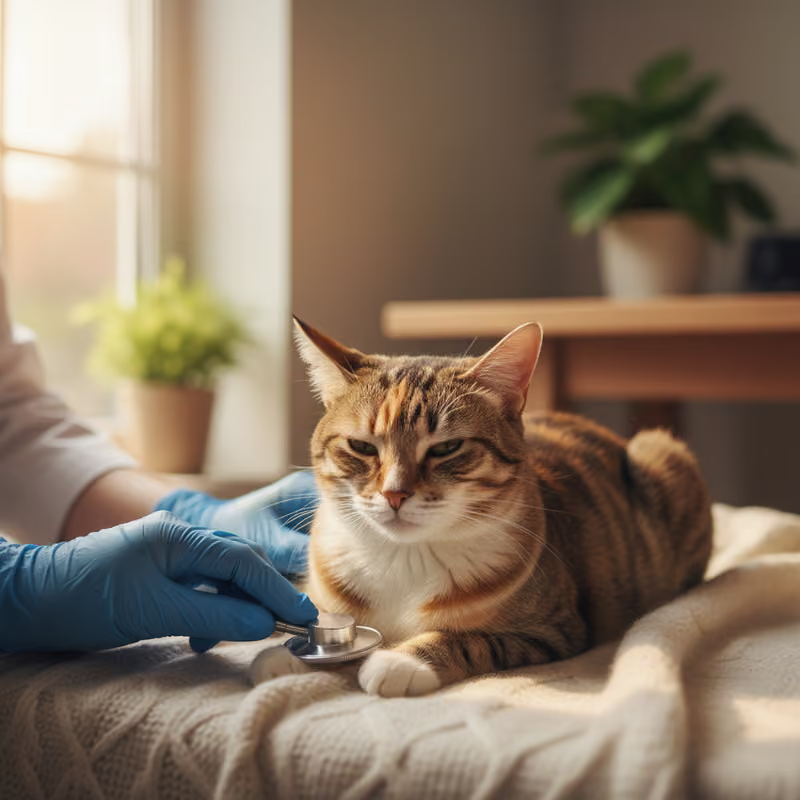
Cat Dental Disease: Signs, Prevention, and Professional
A practical, evidence-informed guide to cat dental disease — what matters, what works, common mistakes, and when to consult a professional.
For informational purposes only. This article is educational and is not a substitute for professional medical advice, diagnosis, or treatment. Always consult a qualified healthcare provider about anything affecting your health. Read full disclaimer.
Cat Dental Disease: Signs, Prevention, and Professional Cleaning
(Not medical or veterinary advice — consult a qualified clinician or veterinarian for personal guidance.)
Introduction
Dental health in cats is an often-overlooked aspect of their overall well-being. Just like humans, cats can suffer from a range of dental issues, including gingivitis, periodontitis, and tooth resorption. These conditions can cause significant pain, affect their ability to eat, and potentially lead to more systemic health problems if left unaddressed. Understanding the signs of dental disease, implementing preventive measures, and recognizing the importance of professional veterinary care are crucial for maintaining a cat's oral health and quality of life. This article aims to provide an evidence-informed overview of cat dental disease, focusing on its recognition, prevention, and the role of professional cleaning.
Why this matters
Oral health plays a fundamental role in a cat's overall health and comfort. Dental disease is one of the most common chronic conditions affecting adult cats, with many felines showing signs of disease by the age of three. The mouth is a gateway to the body, and issues within it can have far-reaching consequences.
Untreated dental disease can lead to chronic pain, making eating difficult and impacting a cat's nutritional intake. This discomfort can manifest as changes in behavior, such as reluctance to eat, pawing at the mouth, or irritability. Beyond local pain, bacteria from infected gums can enter the bloodstream and travel to vital organs, potentially affecting the heart, kidneys, and liver. This systemic impact underscores why addressing dental health is not merely about preventing bad breath but about safeguarding a cat's long-term health.
The financial and emotional toll of advanced dental disease can also be substantial. Early intervention and preventive care can reduce the need for more extensive and costly treatments later in a cat's life, such as multiple tooth extractions. Moreover, preventing pain and maintaining comfort contributes significantly to a cat's happiness and interaction with its human companions. Regular dental care, therefore, is an essential component of responsible pet ownership, contributing to a healthier, happier, and longer life for feline companions.
Key principles (evidence-informed)
Maintaining feline dental health relies on several key principles supported by veterinary science. These principles guide both home care practices and professional interventions.
Understanding Dental Plaque and Tartar: The fundamental cause of most dental disease in cats is the accumulation of plaque. Plaque is a sticky film of bacteria, food particles, and saliva that constantly forms on the tooth surfaces. If plaque is not removed regularly, it can mineralize and harden into tartar (calculus) within 24-72 hours. Tartar is rough and porous, providing an ideal surface for more plaque to accumulate and for bacteria to thrive.
Progression of Periodontal Disease: The accumulation of plaque and tartar, particularly along the gum line, irritates the gingiva (gums), leading to inflammation known as gingivitis. Gingivitis is reversible with proper cleaning. However, if left untreated, the inflammation can progress to periodontitis. Periodontitis involves the destruction of the supporting structures of the tooth, including the gums, periodontal ligament, and alveolar bone. This process leads to gum recession, pocket formation around the teeth, and ultimately, tooth mobility and loss. The bacteria involved in periodontitis can also cause significant pain and can spread systemically.
Feline Odontoclastic Resorptive Lesions (FORLs): Cats are uniquely susceptible to a condition known as Feline Odontoclastic Resorptive Lesions, often referred to as neck lesions or cervical lesions. These are painful lesions where the tooth structure is progressively destroyed, starting from the cementum and dentin and sometimes progressing to the pulp. The cause of FORLs is not fully understood, but they are very common and extremely painful. They often require extraction of the affected tooth. These lesions are not directly caused by plaque and tartar in the same way periodontitis is, but routine veterinary dental examinations are crucial for their early detection.
Importance of Regular Veterinary Dental Check-ups: Regular examinations by a veterinarian are paramount. These check-ups allow for the early detection of dental issues before they become severe. During an examination, the veterinarian can assess the overall oral health, look for signs of gingivitis, tartar buildup, fractured teeth, and resorptive lesions. Early detection often means less invasive and less costly treatments. The American Veterinary Medical Association (AVMA) and the World Small Animal Veterinary Association (WSAVA) emphasize the importance of comprehensive oral health assessment and treatment (COHAT) under anesthesia for thorough evaluation and intervention.
Professional Dental Cleaning (COHAT): While home care is important, professional dental cleaning under anesthesia is essential for addressing established plaque and tartar, particularly below the gum line. A comprehensive oral health assessment and treatment (COHAT) typically involves:
- Pre-anesthetic evaluation: Blood tests and sometimes other diagnostics to ensure the cat is a good candidate for anesthesia.
- Anesthesia: Necessary for a thorough and safe procedure, as cats will not tolerate a conscious deep cleaning. Anesthesia also allows for pain management during and after the procedure.
- Oral examination: A detailed examination of each tooth, the gums, and the entire oral cavity.
- Dental radiography (X-rays): Crucial for evaluating the tooth roots and underlying bone structure, detecting problems like resorptive lesions, abscesses, and bone loss that are not visible to the naked eye. The AVMA highlights that approximately 60% of significant dental disease lies below the gumline and requires radiographs for detection.
- Scaling and polishing: Ultrasonic scaling removes plaque and tartar from above and below the gum line. Polishing smooths the tooth surfaces, making it harder for plaque to adhere.
- Subgingival cleaning and root planing: Addressing disease below the gum line.
- Extractions or other advanced procedures: If severe periodontal disease, fractured teeth, or resorptive lesions are found, extractions or other treatments may be necessary.
- Fluoride treatment/Sealants: May be applied to help strengthen enamel and reduce plaque adhesion.
The rationale for anesthesia is safety and efficacy. Trying to clean a cat's teeth without anesthesia would be stressful, painful, and ineffective, as it would be impossible to thoroughly clean below the gum line or perform necessary extractions or radiographs safely.
Practical daily habits
Implementing daily or regular oral hygiene practices at home can significantly contribute to preventing or slowing the progression of dental disease in cats. Consistency is key.
Tooth Brushing: This is considered the gold standard for at-home dental care for cats, similar to humans.
- Frequency: Ideally, daily brushing is recommended. If daily isn't feasible, brushing several times a week can still offer benefits.
- Tools: Use a soft-bristled toothbrush specifically designed for cats, or a finger brush. Never use human toothpaste, as it contains ingredients that can be harmful if swallowed by cats (e.g., fluoride, xylitol). Use veterinary-approved enzymatic toothpaste, which is flavored for cats and safe to swallow.
- Technique: Introduce brushing gradually. Start by letting your cat lick a small amount of toothpaste from your finger. Once comfortable, gently rub a small amount on their teeth and gums. Gradually introduce the brush, focusing on the outside surfaces of the teeth, especially where the gums meet the tooth. Aim for short, circular motions. Reward your cat after each session with praise or a treat.
Dental Diets: Specific veterinary dental diets are formulated to help reduce plaque and tartar buildup.
- Mechanism: These diets often have a unique kibble texture that, when chewed, mechanically scrapes the tooth surface to reduce plaque and tartar. Some diets also contain ingredients that chemically reduce plaque mineralization.
- Verification: Look for diets that have been awarded the Veterinary Oral Health Council (VOHC) Seal of Acceptance. This seal indicates that the product has met standards for effectiveness in retarding plaque and/or tartar accumulation.
Dental Chews and Treats: Similar to dental diets, certain chews and treats are designed to promote oral health.
- Mechanism: They work through mechanical abrasion as the cat chews, or by containing ingredients that inhibit plaque formation.
- Verification: Again, prioritize products with the VOHC Seal of Acceptance to ensure efficacy. Always choose chews that are appropriately sized for your cat and supervise their use to prevent choking or injury. Avoid overly hard chews that could fracture teeth.
Water Additives: Some products designed to be added to a cat's drinking water claim to help reduce plaque and freshen breath.
- Mechanism: These usually contain antimicrobial agents or other compounds that help to inhibit bacterial growth in the mouth.
- Verification: While some cats may tolerate these, their effectiveness can vary, and they are generally considered supplementary to brushing or dental diets, not a replacement. Look for VOHC-approved water additives.
Regular Oral Inspections at Home: Get into the habit of gently lifting your cat's lips to look at their teeth and gums.
- What to look for: Note any changes such as redness or swelling of the gums, tartar accumulation, bad breath, broken teeth, or unusual growths. This can help you identify potential problems early and discuss them with your veterinarian.
Introducing any new dental hygiene routine should be done gradually and positively. Patience and positive reinforcement are key to making these habits a stress-free experience for your cat and for you.
Common mistakes to avoid
Even with good intentions, pet owners can inadvertently make mistakes that hinder their cat's dental health or compromise their safety. Being aware of these pitfalls can help ensure effective and safe oral care.
Ignoring Bad Breath: Many cat owners dismiss halitosis (bad breath) as a normal characteristic of cats. However, bad breath is often one of the earliest and most noticeable signs of dental disease, indicating an accumulation of bacteria in the mouth. Ignoring it delays diagnosis and treatment, allowing conditions like gingivitis and periodontitis to progress.
Assuming Cats Don't Need Dental Care: A prevalent misconception is that cats' teeth are naturally strong and self-cleaning, or that dental issues only affect older cats. In reality, dental disease is very common across all age groups, and without intervention, most cats will develop some form of oral disease. Wild cats might wear down their teeth differently or succumb to dental disease without human intervention, but domestic cats benefit greatly from proactive care.
Using Human Toothpaste or Products: Human toothpaste often contains ingredients like fluoride, detergents, and sweeteners (such as xylitol) that can be toxic or harmful to cats if ingested. Additionally, human toothbrushes are typically too large and firm for a cat's mouth and gums. Always use veterinary-specific toothpaste and brushes designed for felines.
Feeding Only Soft Food: While some cats prefer soft food, an exclusive diet of wet food does not provide the mechanical abrasion that dry kibble can offer in helping to reduce plaque buildup on tooth surfaces. While soft food does not cause dental disease, it doesn't contribute to its prevention like certain dental kibbles can. A balanced approach or supplementing with other dental care methods is often best.
Relying Solely on "Dental Treats" Without Veterinary Approval: Not all dental treats are created equal. Many commercially available treats claiming to be "dental" have little to no proven efficacy in reducing plaque or tartar. Some can even be too hard, risking tooth fractures. It's crucial to look for treats that have the Veterinary Oral Health Council (VOHC) Seal of Acceptance, which signifies scientifically proven effectiveness.
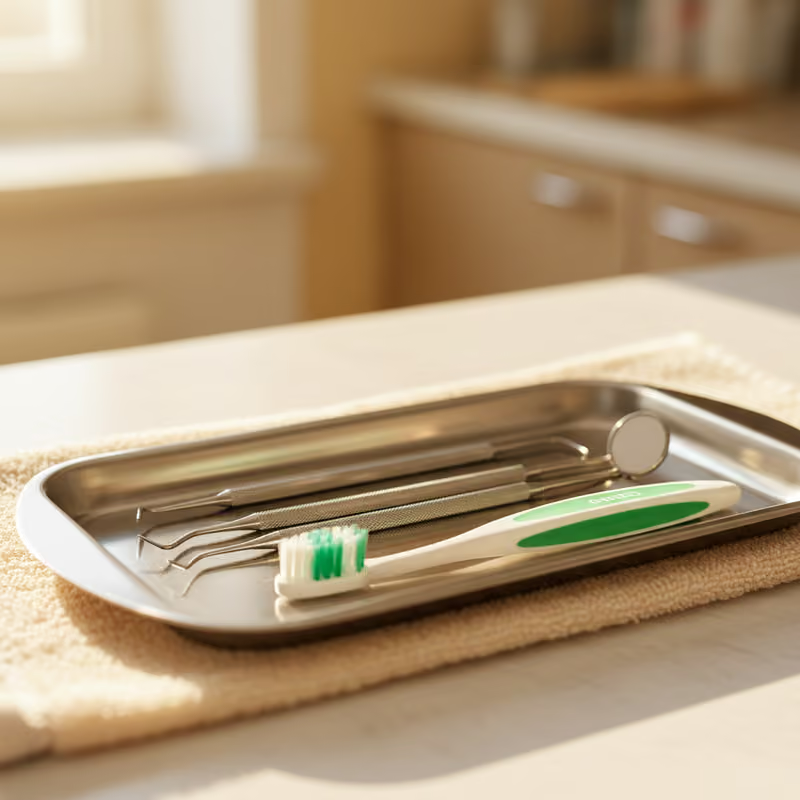
Attempting to Scale Teeth at Home Without Training: While removing visible tartar might seem helpful, attempting to scrape teeth at home with instruments can cause more harm than good. Without proper training, sanitation, and anesthesia, you risk:
- Damaging enamel: Improper technique can scratch or chip the tooth surface.
- Injuring gums: Causing trauma, pain, or infection.
- Missing subgingival disease: The most critical areas of disease are below the gum line, which cannot be safely or effectively addressed without anesthesia and proper equipment.
- Pushing bacteria below the gum line: Potentially worsening infection. Home scaling is explicitly discouraged by veterinary dental specialists due to these risks.
Delaying Professional Dental Care: Waiting until a cat shows obvious signs of severe pain (e.g., not eating, facial swelling) means the dental disease is likely very advanced. At this stage, treatments are often more invasive, expensive, and involve more discomfort for the cat. Regular veterinary check-ups and proactive professional cleanings can prevent reaching this critical point.
Neglecting Anesthesia Concerns: While anesthesia always carries some risk, modern veterinary anesthesia protocols, including pre-anesthetic blood work, intravenous fluids, and comprehensive monitoring, have made it very safe for most cats. Avoiding professional dental cleaning due to undue fear of anesthesia can lead to more significant health problems from untreated dental disease, which often carries greater risks than a properly managed anesthetic procedure. The benefits of a thorough dental cleaning under anesthesia generally far outweigh the risks for most healthy cats.
When to see a professional
Recognizing when to seek professional veterinary attention for your cat's dental health is crucial for their well-being. While regular at-home care is beneficial, it cannot replace the comprehensive assessment and treatment provided by a veterinarian. Here are key indicators that necessitate a professional visit:
Any Visible Signs of Oral Discomfort or Disease:
- Bad Breath (Halitosis): As mentioned, this is not normal and is a strong indicator of bacterial overgrowth and potential dental disease.
- Red, Swollen, or Bleeding Gums: These are classic signs of gingivitis and potentially periodontitis. Healthy gums should be pale pink.
- Tartar Buildup: Visible brown or yellow calculus on the tooth surface, especially near the gum line.
- Loose or Missing Teeth: A clear sign of advanced periodontal disease or trauma.
- Broken or Chipped Teeth: Can be painful and lead to infection.
- Drooling (Ptyalism): Especially if excessive, thick, or tinged with blood, can indicate oral pain or discomfort.
- Pawing at the Mouth or Face Rubbing: Cats may try to alleviate discomfort in their mouths.
- Reluctance to Eat or Difficulty Chewing: Especially hard food, or eating only on one side of the mouth. This can be a sign of significant pain.
- Changes in Eating Habits: Dropping food, chewing slowly, or a decrease in appetite.
- Oral Masses or Growths: Any unusual lumps or bumps in the mouth or on the gums should be evaluated.
Behavioral Changes Suggesting Pain:
- Irritability or Aggression: Pain can make a normally docile cat grumpy.
- Hiding or Withdrawal: Cats often hide pain as an instinctual behavior.
- Reluctance to Be Petted Around the Face: Due to oral sensitivity.
- Weight Loss: Can occur if discomfort prevents adequate food intake.
Routine Annual Veterinary Examinations: Even if you don't observe any overt signs of dental disease, your cat should have a thorough oral examination during their annual wellness check-up. Veterinarians are trained to spot subtle signs of dental issues that an owner might miss. They can recommend preventive strategies or suggest professional dental cleaning when appropriate, often before severe symptoms manifest. The American Veterinary Medical Association (AVMA) recommends regular veterinary check-ups which include an oral examination, with the frequency determined by individual patient needs and risk factors.
Prior to Any Decline in General Health: If your cat is showing signs of systemic illness, such as lethargy, vomiting, or changes in thirst/urination, and also has noticeable dental issues, it's particularly important to see a veterinarian. The bacteria from severe dental disease can sometimes contribute to or exacerbate other health conditions.
In summary, any noticeable change in your cat's breath, gums, teeth, eating habits, or general behavior warrants a professional veterinary dental assessment. Early intervention is key to preventing discomfort, more serious health complications, and more extensive, costly treatments.
Frequently asked questions
H3: How often should my cat's teeth be professionally cleaned?
The frequency of professional dental cleaning varies depending on the individual cat's genetics, diet, home care routine, and propensity for dental disease. Many veterinarians recommend annual check-ups that include an oral examination. During this examination, your veterinarian can assess the need for a professional cleaning. Some cats may need cleanings every 1-2 years, while others, particularly those with good home care and less predisposition to disease, might go longer. Your veterinarian is the best resource to determine an appropriate schedule for your cat.
H3: Is anesthesia safe for cat dental procedures?
Anesthesia for dental procedures has become very safe for cats due to advancements in veterinary medicine. Before any anesthetic procedure, your veterinarian will typically perform a thorough physical examination and recommend pre-anesthetic blood tests to assess organ function and overall health. During the procedure, modern anesthetic protocols include personalized drug choices, intravenous fluid support, and comprehensive monitoring of vital signs (heart rate, respiration, blood pressure, oxygen saturation, temperature). These measures significantly minimize risks, and for most healthy cats, the benefits of a thorough dental cleaning under anesthesia far outweigh the risks of untreated dental disease.
H3: Can I clean my cat's teeth without anesthesia at home?
While at-home dental care like brushing is highly recommended, attempting to perform a thorough "cleaning" or scaling of your cat's teeth without anesthesia at home is strongly discouraged. It is impossible to properly clean below the gum line, which is where much of the significant dental disease occurs. Additionally, scraping teeth at home can damage enamel, injure gums, and push bacteria further under the gum line, potentially worsening existing problems or causing pain. For a safe and effective deep cleaning, oral examination, and dental radiography, veterinary anesthesia is essential.
H3: What are the signs that my cat is in pain from dental disease?
Cats are adept at hiding pain. Subtle signs of dental pain can include bad breath, redness or swelling of the gums, visible tartar buildup, drooling, or reluctance to eat hard food. More overt signs might involve pawing at the mouth, favoring one side of the mouth, dropping food while eating, changes in eating habits (e.g., only eating wet food, decreased appetite), irritability, hiding, or generally being less active. Any change in your cat's eating or behavior warrants a veterinary check-up.
H3: Are there any dental products with scientific proof of effectiveness?
Yes, the Veterinary Oral Health Council (VOHC) awards a Seal of Acceptance to products (diets, treats, water additives) that have met predetermined standards of effectiveness in retarding plaque and/or tartar accumulation in pets. When choosing dental products for your cat, look for the VOHC Seal of Acceptance as an indicator of scientific validation. While brushing remains the gold standard, VOHC-approved products can be valuable components of a comprehensive dental care plan.
Key takeaways
- Dental disease is common and serious: Most cats will develop some form of dental disease, often by age three. It causes pain and can impact overall health.
- Early detection is key: Regular veterinary check-ups, including oral examinations, are crucial for identifying dental problems before they become severe.
- Home care matters: Daily tooth brushing with veterinary-approved toothpaste is the most effective home care method. Dental diets and treats with the VOHC Seal of Acceptance can also help.
- Professional cleaning is essential: A Comprehensive Oral Health Assessment and Treatment (COHAT) under anesthesia, including dental X-rays, is necessary for thorough cleaning below the gum line and addressing underlying issues.
- Watch for signs: Bad breath, red gums, difficulty eating, and behavioral changes can all indicate dental pain or disease. Do not ignore these signs.
- Avoid common mistakes: Never use human toothpaste, attempt home scaling, or ignore bad breath.
Related reading
Keep exploring this topic with our related, evidence-reviewed guides:
- Dog Dental Care: Preventing Periodontal Disease at Home — A practical, evidence-informed guide to dog dental care — what matters, what works, common mistakes, and when to consult a profess…
- Aquarium Fish Health: Water Quality, Cycling, and Disease Prevention — A practical, evidence-informed guide to fish health — what matters, what works, common mistakes, and when to consult a professiona…
- Backyard Chicken Health: Housing, Feed, and Disease Prevention — A practical, evidence-informed guide to chicken health — what matters, what works, common mistakes, and when to consult a professi…
- Rabbit Health Care: Diet, Dental Growth, and Housing — A practical, evidence-informed guide to rabbit health — what matters, what works, common mistakes, and when to consult a professio…
- Recognizing Illness in Cats: Behavior Changes That Matter — A practical, evidence-informed guide to sick cat signs — what matters, what works, common mistakes, and when to consult a professi…
- Pet Bird Health: Cage Setup, Diet, and Respiratory Warning Signs — A practical, evidence-informed guide to pet bird health — what matters, what works, common mistakes, and when to consult a profess…
Sources
- American Veterinary Medical Association (AVMA)
- World Small Animal Veterinary Association (WSAVA)
- Veterinary Oral Health Council (VOHC)
- Mayo Clinic (for general understanding of dental health principles transferable across species in part)
- National Institutes of Health (NIH) (for general understanding of dental health principles transferable across species in part)
Sources
Evidence & citations
- Every claim in this animal health guide is backed by primary data — browse the zoonotic and one-health statistics in our sourced statistics library.
- Writing about this topic? Researchers, journalists and educators can cite our animal health guidance with ready-made APA, MLA and Chicago references.
My notes on this one
The short version of 15 minutes of reading — what stuck with me while writing “Cat Dental Disease: Signs, Prevention, and Professional”, what the sources back up, and what I'd actually do about it.
What I'd take away
01 · Why this matters
Regular dental care, therefore, is an essential component of responsible pet ownership, contributing to a healthier, happier, and longer life for feline companions.
02 · Key principles
If plaque is not removed regularly, it can mineralize and harden into tartar (calculus) within 24-72 hours.
03 · Practical daily habits
Mechanism: These diets often have a unique kibble texture that, when chewed, mechanically scrapes the tooth surface to reduce plaque and tartar…
04 · Common mistakes to avoid
Delaying Professional Dental Care: Waiting until a cat shows obvious signs of severe pain (e.g., not eating, facial swelling) means the dental disease is likely very advanced.
What the sources I read actually say
The American Veterinary Medical Association (AVMA) and the World Small Animal Veterinary Association (WSAVA) emphasize the importance of comprehensive oral health assessment and treatment (COHAT) unde…
World Health OrganizationUnderstanding the signs of dental disease, implementing preventive measures, and recognizing the importance of professional veterinary care are crucial for maintaining a cat's oral health and quality…
Centers for Disease Control and Prevention
If you only do one thing this week
- If plaque is not removed regularly, it can mineralize and harden into tartar (calculus) within 24-72 hours.
- Some cats may need cleanings every 1-2 years, while others, particularly those with good home care and less predisposition to disease, might go longer.
Pick the one that fits your week. None of this replaces advice from a clinician who can actually examine you.
Questions I kept coming back to
H3: How often should my cat's teeth be professionally cleaned?+
The frequency of professional dental cleaning varies depending on the individual cat's genetics, diet, home care routine, and propensity for dental disease. Many veterinarians recommend annual check-ups that include an oral examination. During this examination, your veterinarian can assess the need for a professional cleaning. Some cats may need cleanings every 1-2 years, while others…
H3: Is anesthesia safe for cat dental procedures?+
Anesthesia for dental procedures has become very safe for cats due to advancements in veterinary medicine. Before any anesthetic procedure, your veterinarian will typically perform a thorough physical examination and recommend pre-anesthetic blood tests to assess organ function and overall health. During the procedure, modern anesthetic protocols include personalized drug choices, intravenous fluid support…
H3: Can I clean my cat's teeth without anesthesia at home?+
While at-home dental care like brushing is highly recommended, attempting to perform a thorough "cleaning" or scaling of your cat's teeth without anesthesia at home is strongly discouraged. It is impossible to properly clean below the gum line, which is where much of the significant dental disease occurs. Additionally, scraping teeth at home can damage enamel, injure gums…
H3: What are the signs that my cat is in pain from dental disease?+
Cats are adept at hiding pain. Subtle signs of dental pain can include bad breath, redness or swelling of the gums, visible tartar buildup, drooling, or reluctance to eat hard food. More overt signs might involve pawing at the mouth, favoring one side of the mouth, dropping food while eating, changes in eating habits (e.g., only eating wet food, decreased appetite), irritability, hiding…
H3: Are there any dental products with scientific proof of effectiveness?+
Yes, the Veterinary Oral Health Council (VOHC) awards a Seal of Acceptance to products (diets, treats, water additives) that have met predetermined standards of effectiveness in retarding plaque and/or tartar accumulation in pets. When choosing dental products for your cat, look for the VOHC Seal of Acceptance as an indicator of scientific validation. While brushing remains the gold standard…
Was this article helpful?
Be the first to rate this article.
Written by
FaizRuh
I write Health Hub Pro on my own — no clinical licence, no anonymous review panel. Just the published guidance, read carefully and explained plainly.
More about me →How this page was checked
Every claim above is checked against the sources listed at the bottom of this article — WHO, CDC, NIH, NHS, Cochrane and major clinical guidelines. Drafting is AI-assisted; the editing, fact-checking and final wording are mine. It's information, not medical advice. Spotted an error? Tell me and I'll fix it.
Last checked on