Recognizing Signs of Burnout
Recognizing the signs of burnout is crucial for maintaining mental well-being and preventing long-term health issues. This article explores common indicators and offers proactive strategies.
For informational purposes only. This article is educational and is not a substitute for professional medical advice, diagnosis, or treatment. Always consult a qualified healthcare provider about anything affecting your health. Read full disclaimer.
Recognizing Signs of Burnout
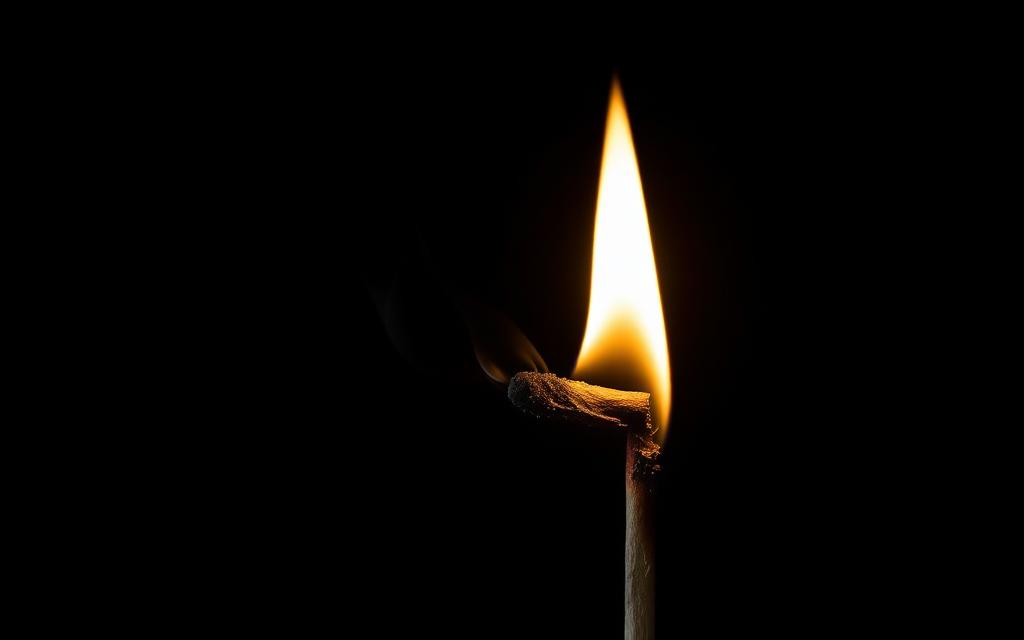
In our increasingly demanding world, the concept of "burnout" has become a prevalent topic, moving beyond simple stress to a more profound state of mental, physical, and emotional exhaustion. Burnout is not merely a bad day or a tough week; it's a syndrome conceptualized as resulting from chronic workplace stress that has not been successfully managed. Understanding its signs is the first crucial step towards recovery and prevention, safeguarding your mental and physical health.
What is Burnout?
The World Health Organization (WHO) defines burnout as an occupational phenomenon characterized by three dimensions:
- Feelings of energy depletion or exhaustion: This is more than just feeling tired; it's a persistent, overwhelming fatigue that no amount of rest seems to alleviate.
- Increased mental distance from one's job, or feelings of negativism or cynicism related to one's job: Work that once brought satisfaction now feels like an endless chore, leading to a detached or even hostile attitude.
- Reduced professional efficacy: A decline in performance and a feeling of inadequacy in one's work contributes to a sense of unaccomplishment.
While often linked to work, burnout can also stem from chronic stress in other life roles, such as caregiving or intense academic pursuits. It's a progressive condition, often developing subtly over time, making early recognition vital.
Common Signs and Symptoms
Recognizing burnout can be challenging because its symptoms often overlap with other conditions like depression or anxiety. However, several key indicators can help distinguish it:
Emotional Exhaustion
This is perhaps the most prominent sign. You might feel drained, overwhelmed, and unable to cope. Daily tasks might seem monumental, and you may find yourself feeling emotionally numb or experiencing heightened irritability. Small frustrations can trigger an disproportionately strong emotional response.
Detachment and Cynicism
You may start to feel disengaged from your work, colleagues, or even friends and family. A sense of cynicism about your job, your efforts, or the organization's goals can become pervasive. You might start to view your work as meaningless or feel a lack of accomplishment, even after achieving success.
Reduced Performance and Efficacy
Despite putting in significant effort, you might notice a decline in your productivity and performance. Concentration may wane, decision-making becomes harder, and you may miss deadlines. This can lead to feelings of self-doubt and a decrease in confidence in your abilities.
Physical Symptoms
Burnout is not just mental; it manifests physically too. Common physical signs include chronic fatigue, frequent headaches, muscle pain, digestive issues, and changes in sleep patterns (insomnia or hypersomnia). Your immune system might weaken, leading to more frequent illnesses.
Behavioral Changes
Noticeable shifts in behavior can also signal burnout. This might include social withdrawal, procrastination, increased use of substances (alcohol, caffeine), changes in appetite, or a general lack of motivation for activities you once enjoyed.
Proactive Strategies and Prevention
Once aware of the signs, proactive steps are essential. These can include setting clear boundaries between work and personal life, delegating tasks, practicing mindfulness and relaxation techniques, engaging in regular physical activity, ensuring adequate sleep, and nurturing supportive relationships.
Consider evaluating your workload and responsibilities. Are they realistic? Is there an opportunity to discuss adjustments with your employer or adjust expectations in your personal life? Learning to say no and prioritizing self-care are crucial skills in burnout prevention.
Regularly checking in with yourself and listening to your body's signals can help you identify early warning signs before burnout becomes severe. Remember, self-care is not a luxury, but a necessity for sustained well-being.
When to Seek Professional Help
If you recognize several of these symptoms and they persist despite your efforts to manage them, it's vital to seek professional help. A healthcare professional, such as a doctor or a mental health therapist, can provide an accurate diagnosis, rule out other conditions, and guide you toward appropriate treatment and coping strategies.
Burnout is a serious condition that can have long-term impacts on your health and quality of life. Early intervention is key to recovery. There is no shame in seeking support; it is a sign of strength and self-awareness.
Disclaimer: This article provides general information and understanding of burnout and does not constitute medical advice. Please consult with a qualified healthcare professional for any health concerns or before making any decisions related to your health or treatment.
Related reading
- The Role of Therapy in Wellness — Therapy plays a crucial role in enhancing mental wellness by providing tools and strategies for navigating life's challe…
- Understanding Anxiety and Coping — Anxiety is a common mental health condition characterized by feelings of worry, nervousness, or unease. This article exp…
- Mental Wellness Routines — Cultivating mental well-being is an active process that benefits from consistent routines. This article explores practic…
- Travel Wellness Strategies — Discover practical, evidence-based strategies for maintaining your health and well-being while traveling, from immune su…
- Healthy Aging Fundamentals — Embrace a proactive approach to aging with foundational strategies for physical health, mental well-being, and social co…
Written by
Health Hub Pro Editorial
Health writer at Health Hub Pro, focused on evidence-based, Sharia-conscious wellness.
View author profile →