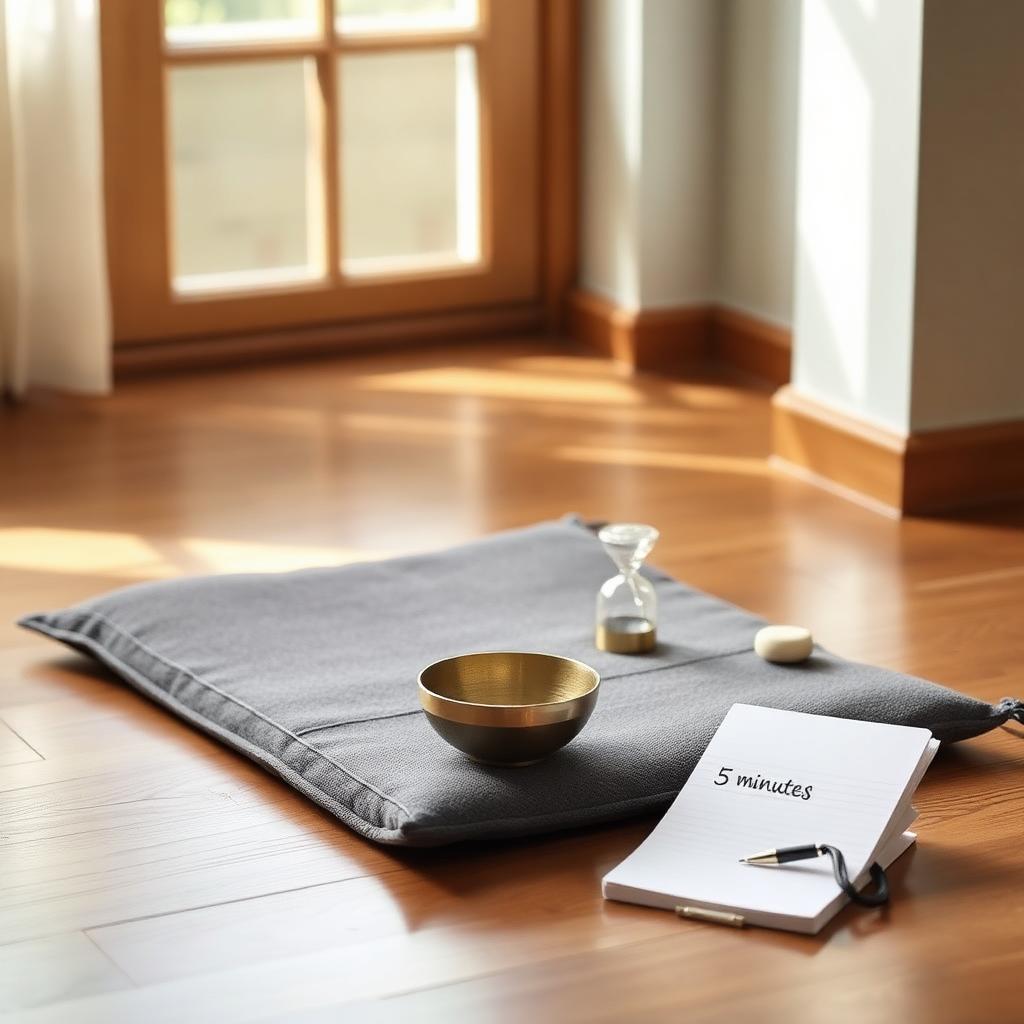
Building Self Esteem
Discover how to cultivate a strong sense of self-worth and confidence. This article provides practical strategies for building and maintaining healthy self-esteem.

For informational purposes only. This article is educational and is not a substitute for professional medical advice, diagnosis, or treatment. Always consult a qualified healthcare provider about anything affecting your health. Read full disclaimer.
Building Self-Esteem
Self-esteem, at its core, is about how you value and perceive yourself. It's not about being boastful or arrogant, but rather about having a realistic and appreciative understanding of your own worth. Healthy self-esteem is fundamental to mental well-being, influencing our decisions, relationships, and overall life satisfaction. Individuals with strong self-esteem are often more resilient in the face of challenges, better equipped to pursue their goals, and experience greater emotional stability.
Conversely, low self-esteem can manifest as self-doubt, fear of failure, difficulty asserting needs, and susceptibility to negative self-talk. It can hinder personal growth, lead to anxiety and depression, and impact the quality of relationships. Recognizing the signs of low self-esteem is the first step towards fostering a more positive self-image. These might include consistently comparing yourself unfavorably to others, an inability to accept compliments, perfectionism coupled with fear of making mistakes, or experiencing persistent feelings of inadequacy.
Understanding the Roots of Self-Esteem
Our self-esteem is not static; it develops and evolves throughout our lives, influenced by a myriad of factors. Early life experiences, particularly our interactions with caregivers, educators, and peers, play a significant role. Consistent criticism, neglect, or unrealistic expectations during childhood can contribute to fragile self-esteem. As we grow, societal pressures, media portrayals of success, and significant life events (both positive and negative) continue to shape our self-perception.
Furthermore, our internal monologue—the ongoing conversation we have with ourselves—is a powerful determinant. Negative self-talk can erode self-esteem over time, creating a cycle of self-doubt and underachievement. Conversely, a positive and compassionate internal voice can be a profound source of strength and resilience. Understanding these foundational influences helps us to identify areas where we might begin to challenge and reframe our self-narratives.
Strategies for Cultivating Healthy Self-Esteem
Building self-esteem is an ongoing process that requires conscious effort and self-compassion. Here are several evidence-based strategies you can incorporate into your daily life:
1. Practice Self-Compassion
Treat yourself with the same kindness and understanding you would offer a good friend. Kristin Neff, a leading researcher in the field, describes self-compassion as having three main components: self-kindness (being kind to oneself), common humanity (recognizing that suffering and personal inadequacy are part of the shared human experience), and mindfulness (being aware of painful thoughts and feelings without judgment). When you make a mistake or face a setback, avoid harsh self-criticism. Instead, acknowledge the difficulty and offer yourself comfort and encouragement.
2. Identify and Challenge Negative Self-Talk
Become aware of the critical voice within you. When negative thoughts arise, pause and question their validity. Are they based on facts or assumptions? Would you say this to someone you care about? Actively reframe negative thoughts into more balanced and realistic ones. For example, instead of “I always fail,” try “This was challenging, and I learned something from it.”
3. Set Realistic Goals and Celebrate Achievements
Break larger aspirations into smaller, manageable steps. Achieving these smaller goals builds momentum and provides tangible evidence of your capabilities. Acknowledge and celebrate your successes, no matter how small they seem. This reinforces a positive feedback loop, demonstrating to yourself that you are competent and capable of growth.
4. Engage in Activities You Enjoy and Excel At
Pursuing hobbies and activities that bring you joy and a sense of accomplishment can significantly boost self-worth. Whether it's painting, hiking, learning a new language, or volunteering, engaging in activities where you feel competent and passionate reinforces positive self-perceptions and provides a sense of purpose.
5. Cultivate Positive Relationships
Surround yourself with people who uplift and support you. Healthy relationships provide validation, constructive feedback, and a sense of belonging. Conversely, relationships that are consistently critical or demeaning can erode self-esteem. Learn to set boundaries with individuals or situations that negatively impact your self-worth.
6. Practice Mindfulness and Self-Awareness
Mindfulness involves paying attention to the present moment without judgment. By observing your thoughts and feelings without getting caught up in them, you can gain a greater understanding of your internal landscape and reduce the power of negative self-perceptions. Regular mindfulness practices, such as meditation or mindful breathing, can enhance emotional regulation and foster a more stable sense of self.
7. Take Care of Your Physical Health
There's a strong link between physical and mental well-being. Regular exercise, a balanced diet, adequate sleep, and managing stress actively contribute to better mood, increased energy, and a more positive body image, all of which support healthy self-esteem.
Conclusion
Building self-esteem is a journey, not a destination. It involves consistent self-reflection, patience, and a commitment to treating yourself with kindness and respect. By implementing these strategies, you can gradually cultivate a more robust and compassionate sense of self, leading to a more fulfilling and resilient life.
Disclaimer: This article provides general information and is not a substitute for professional medical advice. If you are struggling with persistently low self-esteem, anxiety, depression, or other mental health concerns, please consult a qualified healthcare professional or mental health expert.
Related reading
- Healthy Eating While Traveling — Discover practical strategies for maintaining a healthy diet while exploring new places. This guide helps you navigate f…
- Travel Wellness Strategies — Discover practical, evidence-based strategies for maintaining your health and well-being while traveling, from immune su…
- Building a Wellness Support System — Discover how to build a robust wellness support system that encompasses social connections, professional guidance, and s…
- Building a Sustainable Morning Routine — Discover how to build a sustainable morning routine that fosters well-being and productivity. This article provides evid…
- Mindfulness for Beginners — Discover how mindfulness can reduce stress, improve focus, and enhance overall well-being. This beginner's guide provide…
Written by
Health Hub Pro Editorial
Health writer at Health Hub Pro, focused on evidence-based, Sharia-conscious wellness.
View author profile →