Reducing Sitting Time at Work
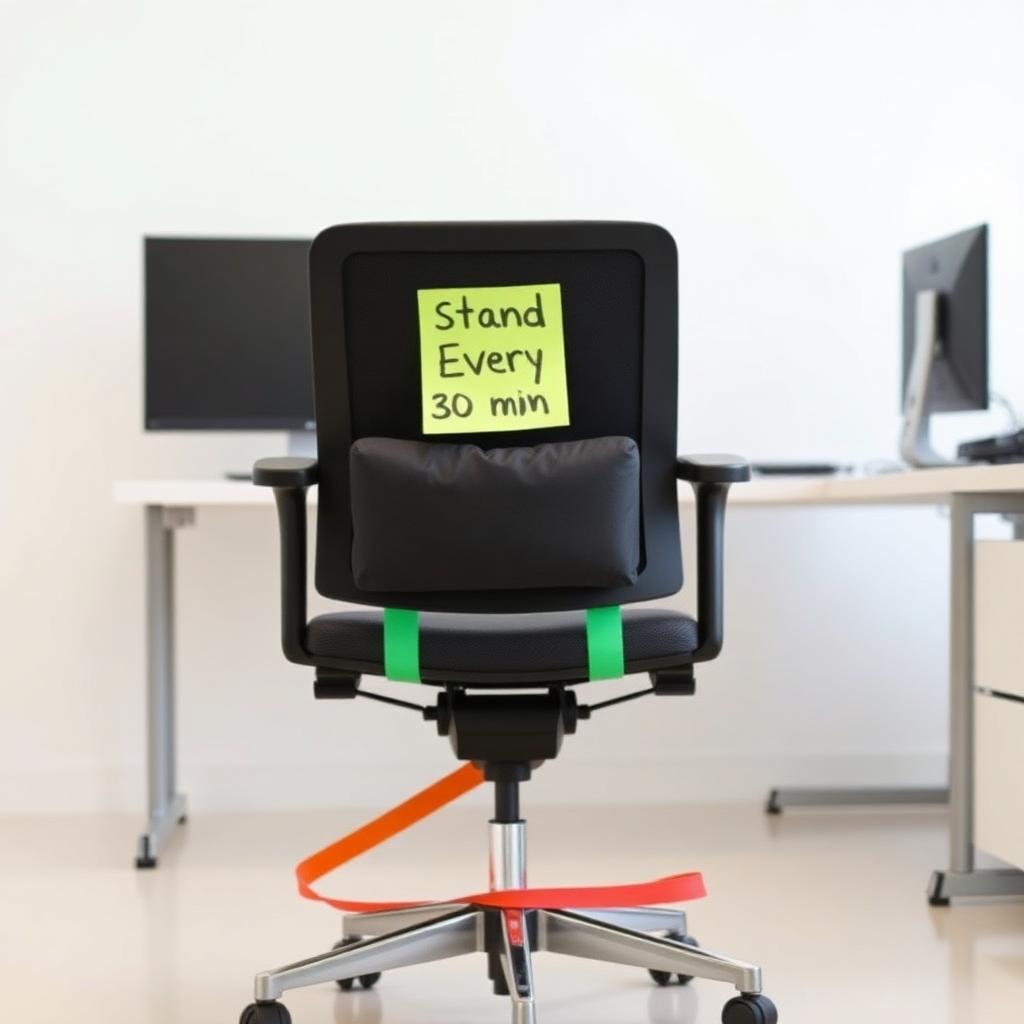
Prolonged sitting affects metabolism and posture. Short movement breaks every 30–60 minutes make a measurable difference.
For informational purposes only. This article is educational and is not a substitute for professional medical advice, diagnosis, or treatment. Always consult a qualified healthcare provider about anything affecting your health. Read full disclaimer.
Introduction
Many adults spend a significant portion of their day seated, particularly those in office-based roles. This extensive time spent sitting, often referred to as "sedentary behavior," has become a growing public health concern due to its potential impact on overall health and well-being. While the human body is designed for movement, modern lifestyles frequently encourage prolonged periods of inactivity. This article explores the evidence behind the health implications of prolonged sitting, identifies symptoms and warning signs, and outlines practical strategies for reducing sitting time in the workplace and daily life. It is not intended to provide medical advice. Always consult a qualified healthcare professional for personalized guidance regarding your health.
What causes it (evidence-based)
Prolonged sitting is a pervasive characteristic of modern society, largely driven by occupational demands, technological advancements, and lifestyle choices. Many jobs, particularly in administrative, technical, and service sectors, require individuals to remain seated for hours. The rise of sedentary entertainment, such as television and computer use, also contributes to overall sitting time outside of work.
Research consistently links prolonged sitting to various adverse health outcomes, independent of physical activity levels. This means that even individuals who exercise regularly can still be at risk if they spend the majority of their day sedentary. The mechanisms behind these adverse effects are complex and multifactorial.
One key area of concern is metabolic health. Prolonged sitting is associated with altered glucose and lipid metabolism. When muscles are inactive, they are less efficient at absorbing glucose from the bloodstream, which can lead to elevated blood sugar levels. This effect is thought to contribute to an increased risk of developing type 2 diabetes. Additionally, extended periods of sitting can negatively impact lipid profiles, potentially increasing concentrations of "bad" cholesterol (low-density lipoprotein, LDL) and decreasing "good" cholesterol (high-density lipoprotein, HDL). (Mayo Clinic)
Cardiovascular health is also significantly affected. Studies suggest a correlation between high amounts of sedentary time and an increased risk of heart disease, including coronary artery disease and heart attacks. The lack of muscle contraction during sitting reduces blood flow and may contribute to endothelial dysfunction, impairing the health of blood vessels. (American Heart Association)
Musculoskeletal issues are common consequences of prolonged sitting. Maintaining a static posture for extended periods can strain the spine, neck, and shoulders. This can lead to back pain, neck stiffness, and poor posture. The muscles in the hips and legs can also shorten and weaken, potentially contributing to discomfort and reduced mobility. (National Institutes of Health)
Furthermore, some evidence suggests a link between prolonged sitting and an increased risk of certain cancers, including colon, endometrial, and lung cancers, although the exact mechanisms are still under investigation. The World Health Organization (WHO) has highlighted the importance of reducing sedentary behavior as part of a comprehensive strategy for preventing non-communicable diseases.
The impact extends beyond physical health, influencing mental well-being too. Some research indicates a potential association between prolonged sitting and increased risks of anxiety and depression, though more studies are needed to fully understand this relationship.
Breaking up sitting time with short bouts of movement can mitigate some of these negative effects. Even light-intensity physical activity, such as standing or walking for a few minutes every hour, can improve blood sugar regulation and muscle activity compared to continuous sitting. (Cochrane Library)
Symptoms and warning signs
Recognizing the symptoms and warning signs associated with prolonged sitting can prompt individuals to modify their habits and seek professional advice if necessary. These signs can manifest in various ways, affecting different body systems.
Musculoskeletal Symptoms:
- Back Pain: Often felt in the lower back, ranging from dull aches to sharp pains. It can be exacerbated by poor posture during sitting.
- Neck and Shoulder Stiffness/Pain: Resulting from sustained forward head posture and rounded shoulders, common with computer use.
- Hip Pain or Tightness: Due to sustained flexion of the hip flexor muscles, which can become shortened and lead to discomfort.
- Weakness or Numbness in Legs/Feet: Less common but can occur due to compression of nerves or reduced circulation.
- Poor Posture: Characterized by rounded shoulders, a forward head, and an anterior pelvic tilt.
Metabolic and Circulatory Symptoms:
- Persistent Fatigue: Despite adequate sleep, individuals may feel sluggish or experience low energy levels.
- Swollen Ankles or Feet (Edema): Due to reduced blood flow and fluid pooling in the lower extremities.
- Cold Hands and Feet: Can indicate suboptimal circulation.
General Well-being and Other Symptoms:
- Headaches: May be linked to neck tension or eye strain from static computer use.
- Difficulty Concentrating or Mental Fog: Prolonged inactivity can affect cognitive function.
- Weight Gain: Though not a direct symptom, it's a common outcome associated with a sedentary lifestyle and can contribute to other health issues.
- Increased Irritability or Mood Changes: Some studies suggest a correlation between sedentary behavior and mental health challenges.
It's important to note that many of these symptoms can also be indicative of other health conditions. Therefore, persistent or worsening symptoms warrant medical evaluation.
When to see a clinician
While reducing sitting time is a beneficial lifestyle change for many, certain symptoms and circumstances necessitate consultation with a qualified healthcare professional. Seeking timely medical advice ensures proper diagnosis, appropriate management, and rules out more serious underlying conditions.
You should consult a clinician if you experience:
- Persistent or Worsening Pain: Especially if back, neck, hip, or shoulder pain does not improve with movement breaks or conservative measures, or if it significantly interferes with daily activities.
- Numbness, Tingling, or Weakness: If you develop new or worsening numbness, tingling, or weakness in your arms, legs, or feet, as these could indicate nerve compression or other neurological issues.
- Sudden or Severe Swelling: If you experience sudden, significant, or painful swelling in your legs or ankles, particularly if it's accompanied by redness, warmth, or tenderness, as this could be a sign of a deep vein thrombosis (DVT) or other circulatory problems.
- Unexplained Weight Changes: If you have unexplained weight gain despite no significant changes in diet or physical activity.
- Symptoms of Depression or Anxiety: If prolonged sitting is contributing to feelings of persistent sadness, hopelessness, loss of interest, or excessive worry, or if you notice other changes in your mood or mental health.
- Pre-existing Conditions: If you have known cardiovascular disease, diabetes, obesity, a history of blood clots, or other chronic health conditions, discuss any planned changes to your activity levels with your clinician to ensure they are safe and appropriate for your specific health profile.
- Medication Concerns: If you are taking medications, particularly those affecting blood clotting, blood pressure, or blood sugar, consult your clinician before making significant lifestyle changes, as these changes might affect your medication's efficacy or side effects.
- Difficulty Breathing or Chest Pain: These are serious symptoms that require immediate medical attention and should not be attributed solely to sedentary behavior.
A clinician can provide an accurate diagnosis, recommend appropriate investigations (if needed), and help develop a personalized plan that considers your individual health status and medical history. This is not medical advice.
Treatment and management options
Managing the effects of prolonged sitting and actively reducing sedentary time involves a multi-faceted approach, encompassing behavioral changes, environmental modifications, and, when necessary, clinical interventions. The goal is to integrate more movement throughout the day, mitigating the risks associated with static postures.
Behavioral Strategies for Reducing Sitting Time:
- Scheduled Movement Breaks: Set reminders to stand up and move for 1–5 minutes every 30–60 minutes. This could involve walking to a water cooler, stretching, or performing simple exercises. (Mayo Clinic)
- Active Commuting: Whenever possible, walk, cycle, or use public transport, incorporating standing or walking into your commute.
- Walking Meetings: For certain types of meetings, suggest a walking meeting instead of a seated one.
- Stand During Tasks: Stand while talking on the phone, reviewing documents, or during parts of presentations.
- Use the Stairs: Opt for stairs instead of elevators or escalators.
- Incorporate Active Hobbies: Engage in hobbies that require physical movement outside of work hours.
Environmental and Ergonomic Adjustments:
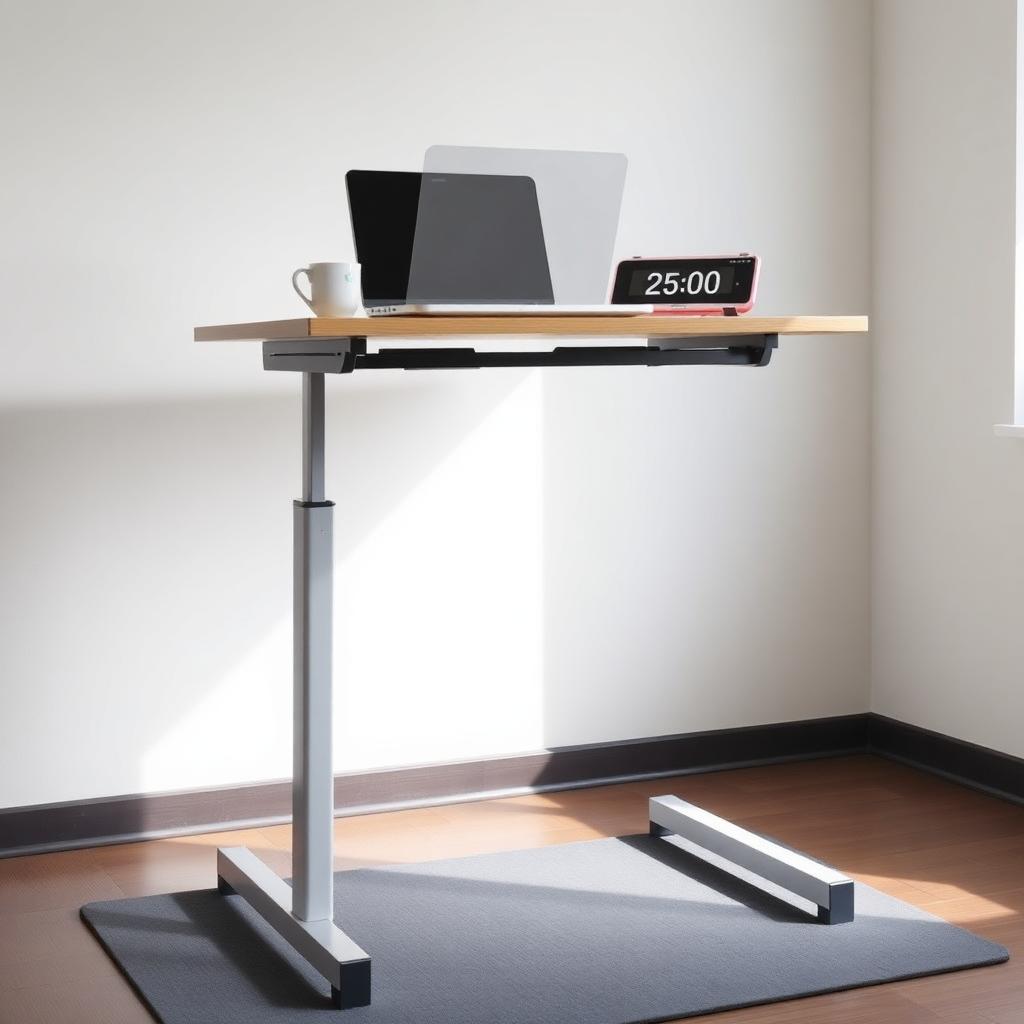
- Standing Desks: Consider using an adjustable standing desk that allows you to alternate between sitting and standing throughout the day. It's important to ease into standing desks to avoid fatigue or discomfort.
- Ergonomic Seating: If sitting is unavoidable, ensure your chair provides good lumbar support and allows for proper posture. Adjust your chair height so your feet are flat on the floor and your knees are at approximately a 90-degree angle. (National Institutes of Health)
- Monitor Positioning: Position your computer monitor at arm's length, with the top of the screen at or slightly below eye level, to reduce neck strain.
- Frequent Reconfiguration: Periodically rearrange your workspace to encourage movement, such as placing a printer further away.
Physical Activity and Exercise: While separate from breaking up sitting, regular moderate-to-vigorous physical activity is crucial for overall health and complements efforts to reduce sedentary behavior. Adults should aim for at least 150 minutes of moderate-intensity aerobic activity or 75 minutes of vigorous-intensity aerobic activity per week, along with muscle-strengthening activities at least twice a week. (American Heart Association, World Health Organization)
Clinical Interventions (When Symptoms Arise):
- Physical Therapy: For persistent back, neck, or joint pain, a physical therapist can provide targeted exercises, stretches, and ergonomic advice to improve posture, strength, and flexibility.
- Pain Management: For severe or chronic pain, a clinician may recommend medications (e.g., NSAIDs), injections, or other interventions.
- Nutritional Counseling: For metabolic health concerns (e.g., elevated blood sugar or cholesterol), a dietitian can provide guidance on a balanced diet to support overall health.
- Mental Health Support: If sedentary behavior is contributing to mental health challenges, counseling or psychotherapy may be beneficial.
The most effective management plans are tailored to individual needs and preferences, promoting sustainable changes over time. It's about building consistent habits that compound over months and years, prioritizing sleep, movement, and nutritious foods.
Prevention and daily habits
Preventing the adverse effects of prolonged sitting involves consciously integrating more movement and less stillness into daily routines. This proactive approach focuses on building sustainable habits rather than grand, unsustainable gestures.
Integrate Movement Throughout the Workday:
- The 30/30 Rule: Aim to stand and move for at least 5 minutes every 30-60 minutes. Set a timer or use an app as a reminder.
- Micro-Breaks: Use short breaks to stretch, walk to a window, refill your water bottle, or simply stand up.
- Active Phone Calls: Take phone calls while standing or walking around your office or home.
- Printer/Water Cooler Strategy: Place printers, water coolers, or essential items slightly out of arm's reach to encourage short walks.
- Desk Exercises: Perform simple stretches or exercises at your desk, such as neck rotations, shoulder rolls, ankle circles, or leg raises.
- Consider a Standing or Treadmill Desk: If feasible, incorporate a standing desk or a treadmill desk to alternate between sitting and standing or light walking throughout the day. Start with short periods of standing and gradually increase the duration.
Cultivate Active Habits Outside of Work:
- Active Commuting: If possible, walk or cycle to work, or park further away from your destination.
- Weekend Activities: Engage in active hobbies or sports on weekends, such as hiking, gardening, cycling, or swimming.
- Limit Screen Time: Be mindful of prolonged screen time outside of work (e.g., watching TV, playing video games) and intersperse it with movement.
- Household Chores: View household chores and errands as opportunities for physical activity.
- Socialize Actively: Suggest active outings with friends and family, such as walks in a park or recreational sports.
- Prioritize Sleep: Adequate sleep supports physical and mental energy levels, making it easier to be active during the day.
- Balanced Nutrition: A healthy diet contributes to overall energy and well-being, complementing physical activity efforts.
Mindset and Monitoring:
- Start Small: Begin with one or two manageable changes and gradually build upon them. Overwhelm can lead to discouragement.
- Track Progress: Use a wearable device or a simple journal to track your movement and sitting time, helping you stay accountable.
- Listen to Your Body: Pay attention to how different changes make you feel. Adjust your routine based on what works best for your body and energy levels.
- Seek Accountability: Share your goals with a friend, family member, or colleague for mutual encouragement and accountability.
The key is consistency and finding enjoyable ways to integrate movement into your daily life, transforming sedentary habits into more dynamic and health-supportive routines.
Frequently asked questions
H3: How does prolonged sitting affect my metabolism?
Prolonged sitting can negatively impact metabolic health by reducing muscle activity, which in turn decreases the efficiency of glucose uptake from the bloodstream. This can lead to elevated blood sugar levels and alter lipid metabolism, potentially contributing to an increased risk of type 2 diabetes and heart disease. Even if you exercise regularly, extensive sedentary time can still have adverse metabolic effects.
H3: What is the optimal frequency for taking movement breaks?
Current recommendations from various health organizations suggest taking a movement break every 30-60 minutes. These breaks don't need to be long; even 1-5 minutes of standing, stretching, or light walking can make a measurable difference in mitigating the negative health impacts of prolonged sitting. Setting a timer or using a reminder app can be helpful. (Mayo Clinic, National Institutes of Health)
H3: Are standing desks truly effective, or are they just a trend?
Standing desks can be an effective tool for reducing prolonged sitting, but they are not a complete solution on their own. They allow individuals to alternate between sitting and standing, which can help increase energy expenditure and reduce musculoskeletal discomfort. The key is to avoid standing rigidly for extended periods; instead, use them to vary your posture throughout the day. It's important to ease into using a standing desk to prevent fatigue or discomfort.
H3: Can prolonged sitting affect my mental health?
Some research indicates a potential association between prolonged sedentary behavior and increased risks of anxiety and depression. While more studies are needed to fully understand the underlying mechanisms, physical activity, even in small bursts, is known to have positive effects on mood and cognitive function. Incorporating regular movement can contribute to overall mental well-being.
H3: What are some simple exercises I can do at my desk?
Even without a standing desk, you can perform simple exercises at your desk. These include neck rolls (gently tilting your head from side to side), shoulder rolls (shrugging shoulders up and back), ankle rotations, calf raises (while seated or standing), wrist circles, and gentle stretches for your back, shoulders, and hips. These micro-movements can help improve circulation and reduce stiffness.
Key takeaways
- Sedentary Behavior is a Health Risk: Prolonged sitting is linked to adverse health outcomes including metabolic dysfunction, cardiovascular disease, musculoskeletal issues, and potentially certain cancers, independent of regular exercise.
- Movement Breaks are Crucial: Integrate short movement breaks (1-5 minutes) every 30-60 minutes throughout the day. This is a foundational strategy for mitigating the risks of prolonged sitting.
- Variety in Posture: Whether using a standing desk or traditional seating, the key is to vary your posture frequently. No single posture is sustained for long periods.
- Holistic Approach: Reducing sitting time is one component of a healthy lifestyle that also includes regular moderate-to-vigorous physical activity, balanced nutrition, and adequate sleep.
- Listen to Your Body: Pay attention to symptoms like persistent pain, numbness, or swelling, and consult a clinician if concerns arise.
Sources
- American Heart Association: [URL to AHA guidelines on physical activity or sedentary behavior]
- Cochrane Library: [URL to Cochrane reviews on sedentary behavior or physical activity interventions]
- Mayo Clinic: [URL to Mayo Clinic articles on sitting risks, physical activity]
- National Institutes of Health (NIH): [URL to NIH resources on ergonomics, back pain, or physical activity]
- World Health Organization (WHO): [URL to WHO guidelines on physical activity and sedentary behavior]
Disclaimer: This article is for informational purposes only and does not constitute medical advice. Always consult a qualified healthcare professional for personalized medical advice, diagnosis, or treatment.
Related reading
- Posture Exercises for Office Workers — Discover simple yet effective posture exercises tailored for office workers to combat the negative effects of prolonged …
- Building an Ergonomic Home Office — Neutral wrist, elbow, and neck angles paired with movement breaks reduce musculoskeletal strain.
- Hormones and Daily Wellness — Hormones are chemical messengers that profoundly influence nearly every aspect of our daily well-being, from energy leve…
- The Science of a Better Morning: 30 Minutes That Set Your Day — What chronobiology research actually says about light, movement, and caffeine timing in the first hour.
- Hearing Health: Prevention and Screening — Noise-induced hearing loss is preventable. Volume limits and hearing protection make a lifelong difference.
Written by
Health Hub Pro Editorial
Health writer at Health Hub Pro, focused on evidence-based, Sharia-conscious wellness.
View author profile →Medically reviewed by
Dr. A. Rahman, MD
Board-certified in Internal Medicine
Last reviewed on