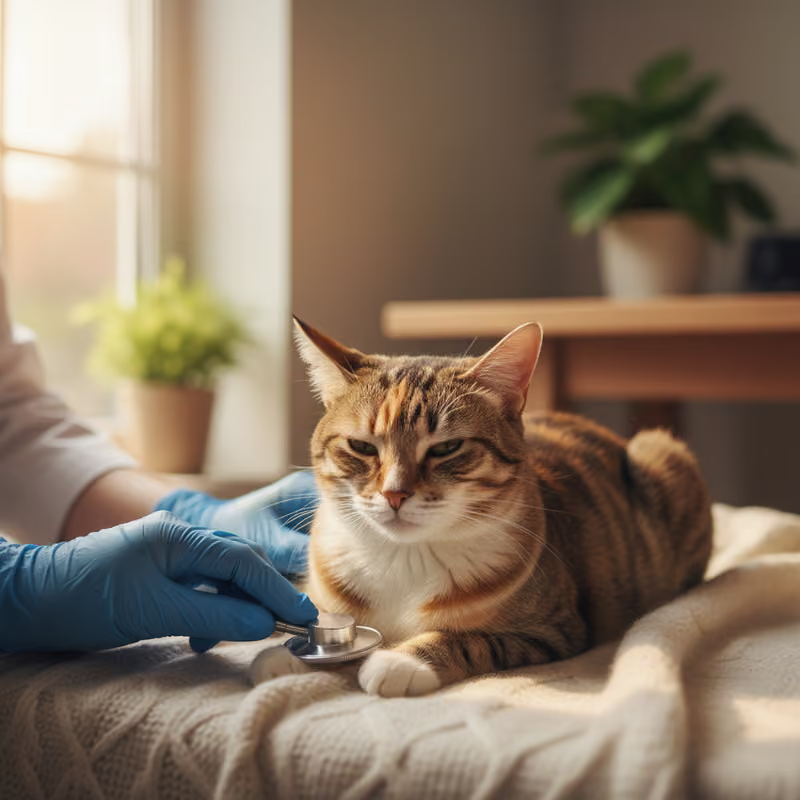
Senior Cat Care: Thyroid, Kidneys, and Weight Changes
A practical, evidence-informed guide to senior cat care — what matters, what works, common mistakes, and when to consult a professional.
For informational purposes only. This article is educational and is not a substitute for professional medical advice, diagnosis, or treatment. Always consult a qualified healthcare provider about anything affecting your health. Read full disclaimer.
Senior Cat Care: Thyroid, Kidneys, and Weight Changes
(Not medical or veterinary advice — consult a qualified clinician or veterinarian for personal guidance.)
Introduction
As cats age, their bodies undergo various changes, much like humans. The transition into senior years, typically beginning around 11 years of age, brings an increased susceptibility to certain health conditions. Among the most common and significant concerns for older felines are issues related to thyroid function, kidney health, and managing body weight. Recognizing the signs of these conditions early and understanding their management can significantly improve a senior cat's quality of life. This article explores these critical aspects of senior cat care, offering evidence-informed insights into their impact, practical care strategies, and when professional veterinary intervention is essential.
Why this matters
The well-being of a senior cat is intrinsically linked to the early detection and proactive management of age-related health conditions. Left unaddressed, issues such as hyperthyroidism, chronic kidney disease, and unintended weight changes can lead to progressive deterioration of health, discomfort, and a diminished quality of life. For instance, chronic kidney disease, a leading cause of morbidity and mortality in older cats, often progresses silently until significant damage has occurred. Similarly, hyperthyroidism, while treatable, can have severe secondary effects on the heart and other organ systems if not diagnosed and managed promptly.
Understanding these conditions empowers cat owners to be vigilant observers of their pets' health, allowing for timely veterinary consultation. Proactive care, which includes regular veterinary check-ups, appropriate dietary management, and attention to environmental needs, can help mitigate the impact of these conditions, extend healthy life expectancy, and maintain a strong bond between the cat and its human companions. The goal is not just to prolong life, but to ensure that these cherished family members enjoy their golden years with comfort and dignity.
Key principles (evidence-informed)
Caring for a senior cat involves a multi-faceted approach, grounded in understanding the physiological changes that occur with age and adapting care accordingly.
-
Regular Veterinary Check-ups: For senior cats, annual or even semi-annual veterinary examinations are crucial. These visits allow for thorough physical assessments, including body condition scoring, oral health checks, and palpation of the thyroid glands and kidneys. Blood and urine tests, which may include a complete blood count, biochemistry panel (assessing kidney and liver function, electrolytes, and thyroid hormones), and urinalysis, are essential screening tools. Early detection of conditions like hyperthyroidism or chronic kidney disease through these screenings can significantly impact prognosis and treatment success. (Refer to AVMA guidelines)
-
Nutritional Management: Diet plays a pivotal role in senior cat health. As cats age, their metabolic needs can change. For example, cats with chronic kidney disease often benefit from therapeutic diets that are lower in phosphorus, controlled in protein, and supplemented with omega-3 fatty acids. Cats with hyperthyroidism, particularly those managed medically, may not require a specific diet, but maintaining good nutritional intake is important. Weight management is also key; underweight cats may need calorie-dense foods, while overweight cats benefit from controlled-calorie diets to prevent obesity-related complications. The digestibility of food can also be important, with highly digestible proteins often preferred for senior cats. (Refer to WSAVA guidelines)
-
Environmental Enrichment and Comfort: Senior cats may experience reduced mobility, arthritis, or sensory impairments (hearing or vision loss). Providing easily accessible resources, such as ramps for favorite perching spots, elevated food and water bowls, and easily accessible litter boxes with low sides, can improve their daily comfort. Soft, orthopedic bedding can alleviate joint pain. Maintaining a consistent routine and a quiet, secure environment minimizes stress. Cats are creatures of habit, and stability becomes even more important as they age.
-
Understanding Specific Conditions:
- Hyperthyroidism: This is a common endocrine disorder in older cats, resulting from an overactive thyroid gland producing excessive thyroid hormones. Signs can include weight loss despite an increased appetite, increased thirst and urination, vomiting, diarrhea, hyperactivity, and a greasy or unkempt coat. Diagnosis is typically made through blood tests measuring thyroid hormone levels. Treatment options include medication to block hormone production, dietary management (specifically, iodine-restricted diets), radioactive iodine therapy, or surgical removal of the thyroid gland. Early diagnosis is key to preventing secondary complications like heart disease.
- Chronic Kidney Disease (CKD): CKD is a progressive and irreversible condition where the kidneys gradually lose their ability to filter waste products from the blood. Signs often include increased thirst and urination, weight loss, lethargy, poor appetite, and vomiting. Diagnosis involves blood and urine tests. Management focuses on slowing disease progression and alleviating symptoms through therapeutic diets, fluid therapy (subcutaneous fluids at home may be necessary), medications to manage blood pressure or phosphorus levels, and treatments for nausea. Regular monitoring of kidney values is essential.
- Weight Changes: Unexplained weight loss or gain in a senior cat should always prompt veterinary investigation.
- Weight Loss: Can be a sign of many underlying conditions, including hyperthyroidism, CKD, dental disease, inflammatory bowel disease, cancer, or diabetes. It often indicates a metabolic imbalance or insufficient calorie intake.
- Weight Gain: While less common than weight loss in very senior cats, obesity can exacerbate conditions like arthritis and diabetes. It is often linked to reduced activity levels and inappropriate dietary intake. Management involves dietary modification and encouraging gentle exercise.
-
Pain Management: Many senior cats experience chronic pain due to osteoarthritis, dental disease, or other conditions, which can significantly impact their quality of life. Signs of pain can be subtle, including changes in behavior, reluctance to jump, decreased grooming, or irritability. Veterinary assessment can identify sources of pain, and appropriate pain management strategies, including medications and environmental modifications, can be implemented.
Practical daily habits
Incorporating specific daily habits can significantly support a senior cat's health and well-being.
- Monitor Food and Water Intake: Pay close attention to how much your cat is eating and drinking. A sudden increase or decrease in either could signal a health issue. Note if they are finishing their meals or if their water bowl needs more frequent refilling.
- Observe Litter Box Habits: Changes in frequency, volume, or consistency of urination and defecation are important indicators. Increased urination (polyuria) and increased thirst (polydipsia) are classic signs of kidney disease and hyperthyroidism. Diarrhea or constipation also warrant attention.
- Regular Grooming and Coat Checks: Senior cats may struggle to groom themselves adequately due to mobility issues or pain. Gentle daily brushing helps prevent matting, stimulates circulation, and allows you to check for lumps, skin lesions, parasites, or changes in coat quality (e.g., a greasy or dull coat).
- Weight Monitoring: Weigh your cat regularly, ideally weekly or bi-weekly, using a pet scale. Keep a record of their weight to identify trends over time. Early detection of weight loss or gain can prompt timely veterinary consultation.
- Encourage Gentle Exercise: While senior cats may not be as active, encouraging gentle play with toys (e.g., a feather wand, laser pointer) for short periods can help maintain muscle mass, joint flexibility, and mental stimulation. Avoid overexertion.
- Administer Medications Diligently: If your cat is on medication for a chronic condition, ensure it is given consistently as prescribed by your veterinarian. Learn proper techniques for administering pills or liquids to minimize stress for both you and your cat.
- Provide a Comfortable and Safe Environment: Ensure easy access to food, water, and litter boxes. Provide soft, warm resting spots away from drafts. Maintain a consistent daily routine to reduce anxiety.
- Dental Care: While often challenging, regular dental hygiene, as recommended by your veterinarian, can prevent painful dental disease that impacts overall health and appetite. This may include professional dental cleanings under anesthesia.
Common mistakes to avoid
Avoiding certain pitfalls can help ensure optimal care for your senior feline companion.
- Dismissing Behavioral Changes as "Just Old Age": It's a common misconception that lethargy, reduced activity, changes in appetite, or altered litter box habits are simply unavoidable signs of aging. Often, these are indicators of an underlying medical condition, such as pain, kidney disease, hyperthyroidism, or even cognitive dysfunction. Always consult your veterinarian about any significant changes.
- Delaying Veterinary Visits: Waiting until symptoms are severe can significantly worsen the prognosis for many conditions. Early detection, especially for progressive diseases like CKD or hyperthyroidism, is critical for effective management and better outcomes.
- Ignoring Dental Health: Dental disease is prevalent in older cats and can cause significant pain, lead to infections, and impact appetite. Neglecting dental care can exacerbate other health issues. Regular professional dental cleanings and home care, if tolerated, are important.
- Abruptly Changing Diet: Senior cats can be sensitive to sudden dietary changes, which can lead to digestive upset. If a dietary change is necessary, especially to a therapeutic diet, introduce it gradually over several days to a week, mixing increasing proportions of the new food with the old.
- Overlooking the Importance of Hydration: Adequate water intake is vital, particularly for cats with kidney disease or hyperthyroidism. Offering multiple water sources, including ceramic or stainless steel bowls, and considering a pet drinking fountain can encourage more drinking. Incorporating wet food into their diet also boosts hydration.
- Not Providing Enough Environmental Accessibility: As mobility declines, failing to provide ramps, low-sided litter boxes, or easily accessible food and water can cause stress, discomfort, and potentially lead to accidents outside the litter box.
- Self-Diagnosing or Self-Treating: Relying on anecdotal information or attempting to diagnose and treat a senior cat's complex health issues without professional veterinary guidance can be dangerous and detrimental to their health. Always consult a veterinarian for accurate diagnosis and appropriate treatment plans.
- Assuming All Weight Loss is a Good Thing: While obesity is a concern, unintended weight loss in a senior cat is almost always a sign of an underlying medical problem and requires immediate veterinary attention. It's not a normal part of aging.
When to see a professional
Prompt veterinary attention is crucial for senior cats, as their health can decline rapidly. You should schedule an appointment with your veterinarian if you observe any of the following:
- Sudden or Significant Weight Changes: Any unexplained weight loss or gain, especially if it's rapid, warrants immediate investigation.
- Changes in Appetite or Thirst: A noticeable increase or decrease in food or water consumption can be a primary indicator of conditions like hyperthyroidism or kidney disease.
- Vomiting or Diarrhea: Persistent or severe gastrointestinal upset can indicate various issues, including organ dysfunction, dietary intolerance, or systemic illness.
- Changes in Urination/Defecation: Increased frequency or volume of urination, urinating outside the litter box, straining to urinate, or changes in stool consistency (diarrhea, constipation) are all reasons to see a vet.
- Lethargy or Weakness: A sudden decrease in activity level, increased sleeping, or signs of weakness (difficulty jumping, unsteady gait) are not normal aging and require evaluation.
- Changes in Coat Appearance or Skin: A greasy, matted, dull, or unkempt coat can be a sign of illness, dental pain (making grooming difficult), or hyperthyroidism. Lumps, bumps, or sores on the skin also need checking.
- Behavioral Changes: Increased vocalization, restlessness, irritability, confusion, or withdrawal can be signs of pain, cognitive dysfunction, hyperthyroidism, or other medical issues.
- Persistent Coughing or Difficulty Breathing: These are serious signs that require immediate veterinary attention.
- Oral Health Issues: Pawing at the mouth, bad breath, drooling, or reluctance to eat hard food can indicate painful dental disease.
- Any other concerns that raise alarm: If something just doesn't seem right with your cat, trust your instincts and consult your veterinarian. Early intervention is always best.
Frequently asked questions
What are the earliest signs of hyperthyroidism in senior cats?
The earliest signs of hyperthyroidism can be subtle but often include an increase in appetite despite weight loss, increased thirst, and increased urination. Some cats may also show increased activity or restlessness.
How do I know if my senior cat has kidney disease?
Common signs of chronic kidney disease include increased thirst and urination, weight loss, decreased appetite, lethargy, and sometimes vomiting. A definitive diagnosis requires blood and urine tests performed by a veterinarian.
Is weight loss a normal part of aging for cats?
No, unintended weight loss in a senior cat is not a normal part of aging and is almost always a sign of an underlying health problem. It warrants a veterinary check-up to identify the cause.
What kind of diet is best for a senior cat with both kidney disease and hyperthyroidism?
Managing a cat with both kidney disease and hyperthyroidism can be complex. Your veterinarian will recommend the best approach, which might involve balancing the needs of both conditions with specific therapeutic diets, sometimes alongside medication for hyperthyroidism. Dietary choices must be carefully considered under veterinary guidance.
How often should a senior cat have a veterinary check-up?
For senior cats, generally defined as those 11 years and older, veterinary check-ups are recommended at least once a year, and ideally twice a year (every 6 months). These frequent visits allow for early detection and management of age-related health conditions.
Key takeaways
Caring for a senior cat requires vigilance, proactive management, and a close partnership with your veterinarian. Key takeaways include:
- Early Detection is Crucial: Regular veterinary check-ups, including blood and urine tests, are vital for detecting common senior cat conditions like hyperthyroidism and chronic kidney disease in their early stages.
- Observe and Report: Pay close attention to changes in your cat's appetite, thirst, weight, litter box habits, activity levels, and overall demeanor. Any significant change warrants veterinary consultation.
- Tailored Nutritional Support: Diet plays a fundamental role in managing age-related conditions. Therapeutic diets, if prescribed, should be followed diligently, and overall hydration should be encouraged.
- Comfort and Accessibility: Adapt your home environment to meet your senior cat's changing physical needs, ensuring easy access to essential resources and comfortable resting spots.
- Don't Attribute Illness to "Just Old Age": Many age-related symptoms are treatable conditions, not just inevitable declines. Always seek professional advice for any concerning signs.
By understanding these principles and implementing practical daily habits, you can help your senior cat enjoy their golden years with the best possible health and quality of life.
Related reading
Keep exploring this topic with our related, evidence-reviewed guides:
- Senior Dog Care: Arthritis, Cognition, and Comfort at Home — A practical, evidence-informed guide to senior dog care — what matters, what works, common mistakes, and when to consult a profess…
- Canine Obesity: How to Assess Body Condition and Reverse Weight Gain — A practical, evidence-informed guide to dog obesity — what matters, what works, common mistakes, and when to consult a professiona…
- Working and Farm Dog Health: Conditioning, Paws, and Recovery — A practical, evidence-informed guide to working dog health — what matters, what works, common mistakes, and when to consult a prof…
- Recognizing Pain in Dogs: Subtle Signs Owners Miss — A practical, evidence-informed guide to dog in pain signs — what matters, what works, common mistakes, and when to consult a profe…
- Antibiotic Stewardship in Animals: Why Resistance Matters to Everyone — A practical, evidence-informed guide to antibiotic resistance animals — what matters, what works, common mistakes, and when to con…
- Spaying and Neutering: Health Effects, Timing, and Evidence — A practical, evidence-informed guide to spay neuter benefits — what matters, what works, common mistakes, and when to consult a pr…
Sources
- American Veterinary Medical Association (AVMA)
- World Small Animal Veterinary Association (WSAVA) Global Nutritional Guidelines
- Mayo Clinic
- National Institutes of Health (NIH)
- Cochrane Library
Sources
Evidence & citations
- Every claim in this animal health guide is backed by primary data — browse the zoonotic and one-health statistics in our sourced statistics library.
- Writing about this topic? Researchers, journalists and educators can cite our animal health guidance with ready-made APA, MLA and Chicago references.
My notes on this one
The short version of 11 minutes of reading — what stuck with me while writing “Senior Cat Care: Thyroid, Kidneys, and Weight Changes”, what the sources back up, and what I'd actually do about it.
What I'd take away
01 · Why this matters
Left unaddressed, issues such as hyperthyroidism, chronic kidney disease, and unintended weight changes can lead to progressive deterioration of health, discomfort, and a diminished quality of life.
02 · Key principles
Weight Loss: Can be a sign of many underlying conditions, including hyperthyroidism, CKD, dental disease, inflammatory bowel disease, cancer, or diabetes…
03 · Practical daily habits
Weight Monitoring: Weigh your cat regularly, ideally weekly or bi-weekly, using a pet scale. Keep a record of their weight to identify trends over time…
04 · Common mistakes to avoid
Avoiding certain pitfalls can help ensure optimal care for your senior feline companion.
What the sources I read actually say
Left unaddressed, issues such as hyperthyroidism, chronic kidney disease, and unintended weight changes can lead to progressive deterioration of health, discomfort, and a diminished quality of life.
Centers for Disease Control and Prevention
If you only do one thing this week
- For senior cats, generally defined as those 11 years and older, veterinary check-ups are recommended at least once a year, and ideally twice a year (every 6 months).
Pick the one that fits your week. None of this replaces advice from a clinician who can actually examine you.
Questions I kept coming back to
What are the earliest signs of hyperthyroidism in senior cats?+
The earliest signs of hyperthyroidism can be subtle but often include an increase in appetite despite weight loss, increased thirst, and increased urination. Some cats may also show increased activity or restlessness.
How do I know if my senior cat has kidney disease?+
Common signs of chronic kidney disease include increased thirst and urination, weight loss, decreased appetite, lethargy, and sometimes vomiting. A definitive diagnosis requires blood and urine tests performed by a veterinarian.
Is weight loss a normal part of aging for cats?+
No, unintended weight loss in a senior cat is not a normal part of aging and is almost always a sign of an underlying health problem. It warrants a veterinary check-up to identify the cause.
What kind of diet is best for a senior cat with both kidney disease and hyperthyroidism?+
Managing a cat with both kidney disease and hyperthyroidism can be complex. Your veterinarian will recommend the best approach, which might involve balancing the needs of both conditions with specific therapeutic diets, sometimes alongside medication for hyperthyroidism. Dietary choices must be carefully considered under veterinary guidance.
How often should a senior cat have a veterinary check-up?+
For senior cats, generally defined as those 11 years and older, veterinary check-ups are recommended at least once a year, and ideally twice a year (every 6 months). These frequent visits allow for early detection and management of age-related health conditions.
Was this article helpful?
Be the first to rate this article.
Written by
FaizRuh
I write Health Hub Pro on my own — no clinical licence, no anonymous review panel. Just the published guidance, read carefully and explained plainly.
More about me →How this page was checked
Every claim above is checked against the sources listed at the bottom of this article — WHO, CDC, NIH, NHS, Cochrane and major clinical guidelines. Drafting is AI-assisted; the editing, fact-checking and final wording are mine. It's information, not medical advice. Spotted an error? Tell me and I'll fix it.
Last checked on