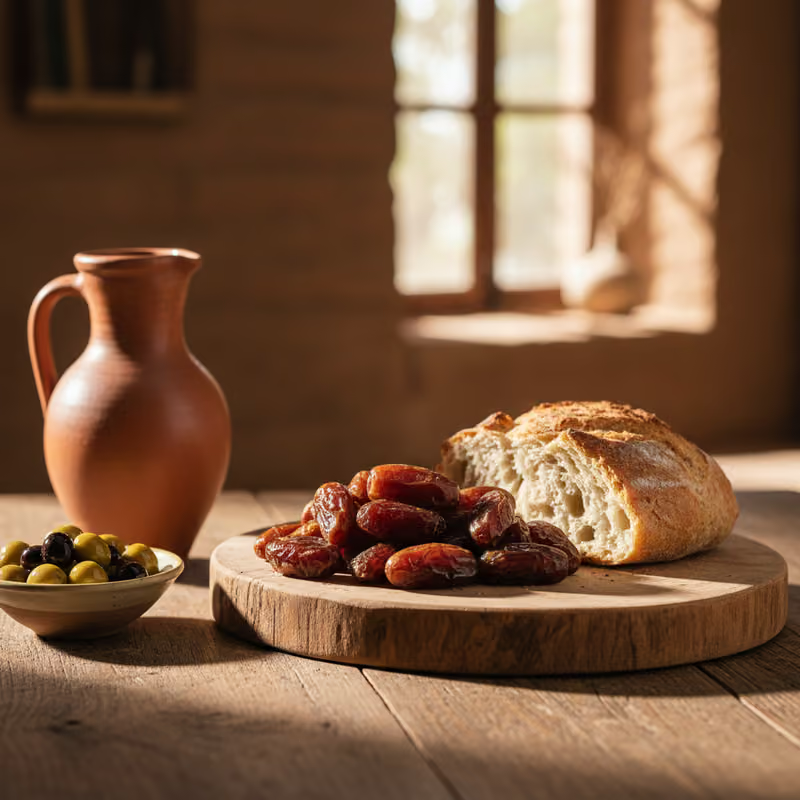
The Role of Gratitude (Shukr) in Wellbeing
Shukr is a central Quranic theme. Modern psychology confirms gratitude practices improve mood, sleep, and relationships.

For informational purposes only. This article is educational and is not a substitute for professional medical advice, diagnosis, or treatment. Always consult a qualified healthcare provider about anything affecting your health. Read full disclaimer.
Introduction
Gratitude, or shukr in Arabic, is a deeply ingrained concept across many cultures and spiritual traditions, serving as a fundamental pillar of wellbeing. In Islamic teachings, shukr is a central theme, closely linked to faith, contentment, and a recognition of blessings from a Divine source. Beyond its spiritual significance, contemporary psychological research increasingly validates the profound impact of gratitude practices on various aspects of human health. This includes demonstrable improvements in mood, sleep quality, and the strengthening of interpersonal relationships.
This comprehensive guide explores the multifaceted role of gratitude, integrating insights from traditional perspectives with evidence-based findings from modern psychology and healthcare. It aims to provide a structured understanding of what gratitude entails, its pathways to enhancing wellbeing, and practical strategies for its cultivation. Emphasizing a holistic approach, this article will delineate the connections between gratitude, mental health, physical health, and social connections, while also offering guidance on when professional support may be beneficial.
What causes it (evidence-based)
The beneficial effects of gratitude are not merely anecdotal but are supported by a growing body of scientific evidence. Research into positive psychology has identified several mechanisms through which gratitude influences both psychological and physiological states.
Psychological Mechanisms:
- Positive Emotional States: Experiencing gratitude directly stimulates positive emotions such as joy, contentment, and appreciation. Regular gratitude practices can lead to increased overall happiness and life satisfaction. (NIH)
- Reduced Negative Emotions: Gratitude acts as a cognitive reappraisal strategy, helping individuals reframe challenging experiences by identifying lessons or benefits. (Mayo Clinic)
- Improved Coping Mechanisms: Grateful individuals tend to cope better with stress and adversity, viewing challenging events as opportunities for growth. This resilience is key to psychological well-being. (Mayo Clinic)
- Enhanced Self-Esteem: Acknowledging support received from others can foster a greater sense of self-worth and connection. (NIH)
- Optimism: Practicing gratitude encourages an optimistic outlook, training the brain to seek positives in future situations, which is associated with better mental health outcomes. (AHA)
Neurobiological Mechanisms:
- Brain Activity: Neuroimaging studies show gratitude activates brain regions associated with reward, social bonding, and moral cognition, such as the medial prefrontal cortex. (NIH)
- Neurotransmitter Release: Gratitude is believed to influence the release of dopamine and serotonin, crucial for mood regulation. Higher levels of these neurotransmitters contribute to improved mood and reduced symptoms of depression and anxiety. (NIH)
- Stress Hormone Reduction: Gratitude practices have been linked to reduced levels of cortisol and other stress hormones, mitigating their detrimental effects. (NIH)
Physiological Mechanisms:
- Sleep Quality: Individuals who practice gratitude often report better sleep quality, possibly due to reduced rumination and worry. (Mayo Clinic)
- Cardiovascular Health: By reducing stress and fostering positive emotions, gratitude may indirectly contribute to better cardiovascular health. (AHA)
- Immune Function: Some studies suggest a link between positive emotional states, including gratitude, and improved immune system function, supported by reduced stress and better sleep. (NIH)
Interpersonal Mechanisms:
- Social Bonding: Expressing gratitude strengthens social ties, enhancing feelings of appreciation and connection, fostering empathy and altruism. (Mayo Clinic)
- Reduced Envy and Materialism: Regularly acknowledging what one has can reduce discontent stemming from envy and materialism, encouraging focus on intrinsic values. (NIH)
Thus, the "causes" of improved wellbeing are the internal psychological and neurobiological processes triggered and sustained by the consistent practice of gratitude.
Symptoms and warning signs
While gratitude is largely a positive force, the absence or significant reduction of a capacity for gratitude, or a pervasive sense of discontent and ungratefulness, can be a symptom or warning sign of underlying issues. It's crucial to differentiate between temporary dips in mood and persistent patterns that may require attention.
Psychological Symptoms:
- Persistent Negative Mood: A chronic inability to find joy or appreciate positive aspects of life, leading to sadness, irritability, or anger that persists.
- Anhedonia: The inability to feel pleasure from activities that are usually enjoyable, making it hard to experience gratitude.
- Cynicism and Pessimism: A dominant negative outlook, making it difficult to acknowledge blessings.
- Increased Envy and Resentment: Constantly comparing oneself to others and feeling bitter about their successes.
- Rumination on Negatives: Dwelling excessively on negative events, making it challenging to shift focus to positive experiences.
Behavioral and Social Warning Signs:
- Frequent Complaints: A habitual tendency to complain without acknowledging any positives.
- Isolation: Withdrawal from social interactions, possibly due to feelings of being misunderstood or undervalued.
- Difficulty Expressing Thanks: An inability or unwillingness to acknowledge the efforts or kindness of others.
- Self-Centeredness: A preoccupation with one's own needs, with little appreciation for others' contributions.
These "warning signs" are not diagnoses in themselves but rather indicators that an individual might be struggling with their emotional well-being and could benefit from strategies to cultivate gratitude or address underlying issues. They could be associated with conditions such as depression, anxiety disorders, or chronic stress.
When to see a clinician
While cultivating gratitude is a beneficial practice for most, there are specific circumstances when professional medical or psychological guidance is warranted. It's essential to recognize the limitations of self-help and when more specialized intervention is needed.
You should consider seeing a clinician if you experience any of the following:
- Persistent Symptoms Interfering with Daily Life: If a pervasive lack of gratitude, persistent negative mood, anhedonia, or excessive cynicism begins to significantly impair your ability to function at work, school, or in relationships.
- Sudden or Drastic Changes: If you experience a sudden and noticeable shift in your emotional state, an abrupt loss of interest in activities you once enjoyed, or a dramatic increase in feelings of hopelessness or worthlessness.
- Symptoms of Depression or Anxiety: If you have persistent symptoms such as prolonged sadness, panic attacks, uncontrollable worry, changes in sleep patterns, significant appetite changes, or thoughts of self-harm, consult a healthcare professional immediately. (Mayo Clinic, NIH)
- Impact on Physical Health: If chronic emotional distress starts to manifest physically, such as with unexplained chronic pain, digestive issues, frequent illnesses, or persistent fatigue.
- Thoughts of Self-Harm or Harming Others: This is an emergency. If you or someone you know is having thoughts of self-harm, suicide, or harming others, seek immediate professional help. Contact your local emergency services, a crisis hotline, or go to the nearest emergency room.
A licensed clinician, such as a general practitioner, psychiatrist, or licensed psychotherapist, can provide an accurate diagnosis, rule out underlying medical causes, and recommend appropriate evidence-based treatments, which may include psychotherapy, medication, or a combination of both.
Not Medical Advice: This content is for informational purposes only and does not constitute medical advice, diagnosis, or treatment. Always seek the advice of a qualified healthcare professional for any questions regarding your medical condition or before making any decisions about your health.
Treatment and management options
For individuals struggling with an inability to experience or express gratitude, or whose well-being is significantly impacted by a persistent negative outlook, there are various evidence-based treatment and management options. These approaches aim to cultivate gratitude and address underlying issues that may impede it.
Therapeutic Interventions:
- Cognitive Behavioral Therapy (CBT): CBT helps individuals identify and challenge negative thought patterns and behaviors that interfere with gratitude. A therapist can guide patients to reframe situations, identify automatic negative thoughts, and develop more balanced and appreciative perspectives. (NHS)
- Positive Psychology Interventions: These interventions specifically focus on building strengths and fostering positive emotions. Strategies include:
- Gratitude Journals: Regularly writing down things one is grateful for.
- Gratitude Visits/Letters: Expressing deep gratitude directly to someone who has positively impacted one's life.
- "Three Good Things" Exercise: Daily reflection on three positive things that happened and why they occurred. (NIH)
- Mindfulness-Based Therapies: Practices like Mindfulness-Based Stress Reduction (MBSR) can enhance awareness of the present moment, helping individuals notice and appreciate experiences they might otherwise overlook. Mindfulness can reduce rumination and increase capacity for positive emotions. (Mayo Clinic)
- Psychodynamic Therapy: For individuals whose lack of gratitude is rooted in deeper-seated issues, such as past trauma or unresolved conflicts, psychodynamic therapy can explore these underlying dynamics to foster emotional healing.
Lifestyle and Daily Habits (Often Integrated with Therapy):
- Regular Exercise: Physical activity is a powerful mood enhancer and stress reducer, which can create a more fertile ground for gratitude. (AHA)
- Balanced Nutrition: A diet rich in whole foods supports brain health and stable mood.
- Adequate Sleep: Sufficient and quality sleep is fundamental for emotional regulation and cognitive function. (NIH)
- Social Connection: Engaging with supportive friends and family can provide opportunities for both giving and receiving appreciation.
- Nature Exposure: Spending time in natural environments has been shown to reduce stress and improve mood.
- Spiritual Practices: For those with spiritual beliefs, engaging in prayer, meditation, or communal worship focused on thanksgiving can be a powerful source of gratitude.
Pharmacological Interventions:
- Antidepressants and Anxiolytics: In cases where a lack of gratitude is a symptom of clinical depression, anxiety disorder, or other mood disorders, medication may be prescribed by a psychiatrist or medical doctor. These medications can help regulate brain chemistry, reduce symptoms, and make it easier for individuals to engage in therapeutic practices that foster gratitude. (Mayo Clinic)
The most effective approach often involves a combination of these strategies, tailored to the individual's specific needs, circumstances, and the severity of their symptoms. Working with a qualified clinician is paramount to developing a personalized and evidence-based treatment plan.
Prevention and daily habits
Cultivating gratitude is a proactive strategy for enhancing well-being and can serve as a preventative measure against mental health challenges. Integrating gratitude into daily life doesn't require grand gestures but rather consistent, small practices.
Mindset and Cognitive Habits:
- Start a Gratitude Journal: Dedicate a few minutes each day to write down 3-5 things you are genuinely grateful for. Be specific (e.g., "the warmth of my morning coffee," "a kind word from a colleague," "the feeling of sunshine"). Regular practice helps train your brain to notice positives. (NIH)
- Practice Mindful Appreciation: Take moments to truly appreciate sensory experiences – the taste of food, the sound of rain, the warmth of a blanket. This links gratitude to present-moment awareness.
- Reframing Negative Experiences: When faced with a challenge, try to identify any lessons learned, growth achieved, or unexpected silver linings.
Behavioral and Interpersonal Habits:
- Express Thanks Regularly: Make it a habit to thank people explicitly and sincerely. This strengthens relationships and reinforces your own sense of gratitude.
- Perform Acts of Kindness: Helping others can foster a sense of purpose and connection, leading to a deeper appreciation for one's own capabilities.
- Be Present with Loved Ones: Truly listen and engage when interacting with family and friends. This presence itself is an act of appreciation.
- Connect with Nature: Spend time outdoors observing the natural world. This can evoke a sense of awe and wonder. (Mayo Clinic)
Spiritual and Reflective Habits (where applicable):
- Prayer or Reflection: For individuals with spiritual beliefs, incorporating prayers of thanksgiving or reflective practices that acknowledge blessings can be a powerful daily gratitude habit. In Islamic tradition, hamd (praise) and shukr (gratitude) are central themes in daily prayers.
Consistency is key. The "gratitude muscle" strengthens with regular exercise. Start with one or two simple habits and gradually integrate more as they become natural. The goal is to shift your default perspective towards one that actively seeks and appreciates the good.
Frequently asked questions (5 Q&A H3 blocks — for FAQ schema)
What is the difference between gratitude and happiness?
Gratitude is an appreciation for what one has, and is often considered a pathway to happiness. Happiness is a broader positive emotional state that can result from various factors. While happiness can be fleeting, regularly practicing gratitude can foster more sustained feelings of contentment and well-being, contributing to overall happiness.
Can gratitude improve physical health?
Yes, evidence suggests that gratitude can indirectly improve physical health. By reducing stress hormones, enhancing positive emotions, and often leading to better sleep, gratitude can support cardiovascular health, immune function, and overall resilience to illness. Grateful individuals also tend to engage in healthier lifestyle behaviors.
How long does it take for gratitude practices to show results?
The timeframe varies. Some may notice subtle shifts in mood and perspective within a few days or weeks of consistent practice. More profound and lasting changes in overall well-being, resilience, and relationships often develop over several months of sustained effort.
Is it possible to be too grateful, or to use gratitude to avoid feeling negative emotions?
While generally beneficial, gratitude should not be used to suppress or deny legitimate negative emotions. It's healthy to acknowledge and process feelings like sadness, anger, or frustration. Genuine gratitude involves recognizing blessings even amidst challenges, rather than ignoring difficulties. A balanced approach acknowledges both good and challenging aspects of life.
What if I don't feel grateful? Can I still practice it?
Yes, you can absolutely practice gratitude even when you don't feel it initially. Gratitude is often more of a deliberate choice than an automatic feeling. Starting with simple steps, like listing basic things you take for granted (e.g., breath, sight, a safe place to sleep), can help retrain your brain over time. Consistent effort can cultivate the feeling of gratitude, even if it feels forced or difficult at first.
Key takeaways
- Gratitude (Shukr) is a central theme in many spiritual traditions, including Islam, and is increasingly validated by modern psychology.
- It enhances well-being through psychological, neurobiological, physiological, and interpersonal mechanisms, leading to improved mood, better sleep, reduced stress, and stronger relationships.
- Warning signs of a pervasive inability to feel gratitude can include persistent negative mood, anhedonia, cynicism, and difficulty in relationships, which may indicate underlying mental health concerns.
- Seek professional help if symptoms are persistent, severe, impact daily functioning, or if you experience thoughts of self-harm.
- Treatment and management options range from psychotherapy (CBT, positive psychology interventions) and lifestyle changes to medication, all aimed at fostering a grateful mindset and addressing underlying issues.
- Prevention through daily habits involves consistent practices such as gratitude journaling, mindful appreciation, expressing thanks, acts of kindness, and connecting with nature.
- Consistency is crucial for developing a lasting sense of gratitude and harnessing its benefits for overall health.
Related reading
Keep exploring this topic with our related, evidence-reviewed guides:
- Gratitude, Patience, and Mental Health in the Islamic Tradition — A practical, evidence-informed guide to islamic mental health — what matters, what works, common mistakes, and when to consult a p…
- The Adhab of Drinking Water: Evidence-Based Guide — Sitting, three sips, and saying Bismillah reflect prophetic manners around water — mindful hydration in practice.
- The Sunnah of Sleeping on the Right Side — The Prophet ﷺ recommended sleeping on the right side. Modern research explores potential digestive and cardiac considerations.
- Prophetic Advice on Anger and the Body — The Prophet ﷺ taught practical steps for anger — sitting down, silence, wudu — that align with modern stress-regulation techniques…
- Night Prayer, Sleep Rhythm, and Restorative Rest in Islam — A practical, evidence-informed guide to tahajjud sleep — what matters, what works, common mistakes, and when to consult a professi…
- Prophetic Guidance on Overeating — The Prophet ﷺ taught filling one-third with food, one-third with drink, one-third with breath — an early framework aligned with mo…
Sources
- World Health Organization (WHO)
- Centers for Disease Control and Prevention (CDC)
- National Institutes of Health (NIH)
- American Heart Association (AHA)
- National Health Service (NHS)
- Cochrane Library
- Mayo Clinic
Evidence & citations
- Every claim in this islamic health teachings guide is backed by primary data — browse the global health statistics behind prophetic health practices in our sourced statistics library.
- Writing about this topic? Researchers, journalists and educators can cite our Islamic health teachings research with ready-made APA, MLA and Chicago references.
My notes on this one
The short version of 7 minutes of reading — what stuck with me while writing “The Role of Gratitude (Shukr) in Wellbeing”, what the sources back up, and what I'd actually do about it.
What I'd take away
01 · What causes it
Research into positive psychology has identified several mechanisms through which gratitude influences both psychological and physiological states.
02 · Symptoms and warning signs
While gratitude is largely a positive force, the absence or significant reduction of a capacity for gratitude, or a pervasive sense of discontent and ungratefulness…
03 · Treatment and management options
Gratitude Visits/Letters: Expressing deep gratitude directly to someone who has positively impacted one's life.
04 · Prevention and daily habits
Practice Mindful Appreciation: Take moments to truly appreciate sensory experiences – the taste of food, the sound of rain, the warmth of a blanket. This links gratitude to present-moment awareness.
What the sources I read actually say
Working with a qualified clinician is paramount to developing a personalized and evidence-based treatment plan.
Mayo Clinic
If you only do one thing this week
- Start with one or two simple habits and gradually integrate more as they become natural.
- Sleep Quality — Individuals who practice gratitude often report better sleep quality, possibly due to reduced rumination and worry. (Mayo Clinic)
Pick the one that fits your week. None of this replaces advice from a clinician who can actually examine you.
Questions I kept coming back to
What is the difference between gratitude and happiness?+
Gratitude is an appreciation for what one has, and is often considered a pathway to happiness. Happiness is a broader positive emotional state that can result from various factors. While happiness can be fleeting, regularly practicing gratitude can foster more sustained feelings of contentment and well-being, contributing to overall happiness.
Can gratitude improve physical health?+
Yes, evidence suggests that gratitude can indirectly improve physical health. By reducing stress hormones, enhancing positive emotions, and often leading to better sleep, gratitude can support cardiovascular health, immune function, and overall resilience to illness. Grateful individuals also tend to engage in healthier lifestyle behaviors.
How long does it take for gratitude practices to show results?+
The timeframe varies. Some may notice subtle shifts in mood and perspective within a few days or weeks of consistent practice. More profound and lasting changes in overall well-being, resilience, and relationships often develop over several months of sustained effort.
Is it possible to be too grateful, or to use gratitude to avoid feeling negative emotions?+
While generally beneficial, gratitude should not be used to suppress or deny legitimate negative emotions. It's healthy to acknowledge and process feelings like sadness, anger, or frustration. Genuine gratitude involves recognizing blessings even amidst challenges, rather than ignoring difficulties. A balanced approach acknowledges both good and challenging aspects of life.
What if I don't feel grateful? Can I still practice it?+
Yes, you can absolutely practice gratitude even when you don't feel it initially. Gratitude is often more of a deliberate choice than an automatic feeling. Starting with simple steps, like listing basic things you take for granted (e.g., breath, sight, a safe place to sleep), can help retrain your brain over time. Consistent effort can cultivate the feeling of gratitude, even if it feels forced or difficult at first.
Was this article helpful?
Be the first to rate this article.
Written by
FaizRuh
I write Health Hub Pro on my own — no clinical licence, no anonymous review panel. Just the published guidance, read carefully and explained plainly.
More about me →How this page was checked
Every claim above is checked against the sources listed at the bottom of this article — WHO, CDC, NIH, NHS, Cochrane and major clinical guidelines. Drafting is AI-assisted; the editing, fact-checking and final wording are mine. It's information, not medical advice. Spotted an error? Tell me and I'll fix it.
Last checked on