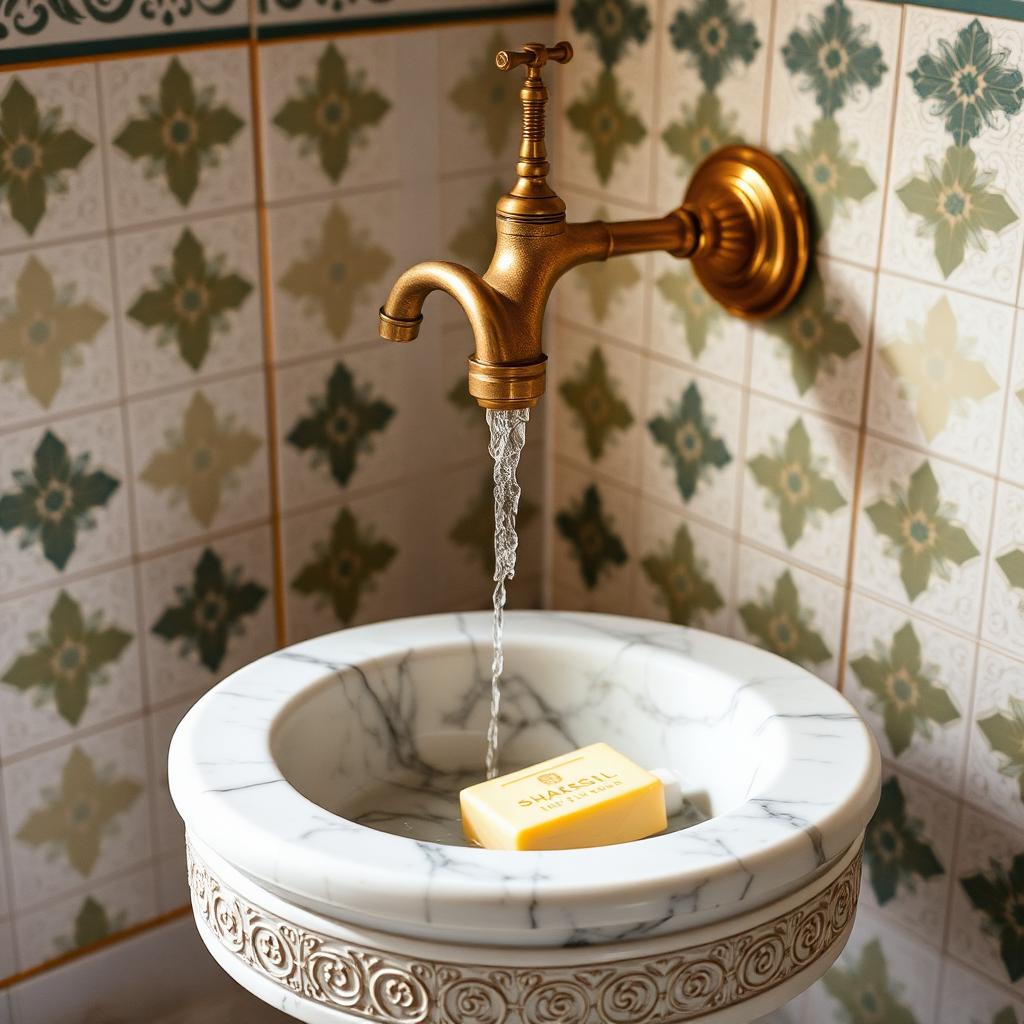
Cleanliness (Taharah) as Half of Faith
Islamic teachings on personal hygiene — wudu, ghusl, oral care — foreshadow modern public-health hygiene principles.

For informational purposes only. This article is educational and is not a substitute for professional medical advice, diagnosis, or treatment. Always consult a qualified healthcare provider about anything affecting your health. Read full disclaimer.
Introduction
The concept of "Taharah" (cleanliness or purity) in Islam extends beyond mere physical cleanliness; it encompasses spiritual, moral, and environmental well-being. Islamic teachings, established over fourteen centuries ago, emphasize hygiene practices that bear striking resemblances to modern public health principles. This guide explores the multifaceted nature of Taharah, drawing parallels between traditional Islamic practices and contemporary evidence-based guidelines for personal and public health. We will delve into specific rituals, their underlying rationale, and how these ancient precepts contribute to a holistic understanding of health and well-being.
What causes it (evidence-based)
The emphasis on cleanliness in Islam is intrinsically linked to preventing disease transmission and maintaining overall health. While the original texts do not describe microbial causes of illness, the prescribed practices — like washing hands, body, and mouth – directly address pathways of infection now understood by science.
- Handwashing: Ritual ablution (wudu) before prayers, and after specific bodily functions, mandates thorough handwashing. The Centers for Disease Control and Prevention (CDC) highlights handwashing with soap and water as one of the most effective ways to prevent the spread of infectious diseases, including respiratory and diarrheal illnesses. Proper handwashing physically removes pathogens acquired from environmental surfaces, food, and other people.
- Oral Hygiene: The use of a "miswak" (a natural toothbrush-like stick) or brushing teeth is a highly recommended practice in Islam. Modern dentistry and public health initiatives stress the importance of oral hygiene in preventing dental caries, periodontal disease, and reducing systemic inflammation associated with poor oral health. The World Health Organization (WHO) recognizes oral diseases as major public health problems.
- Body Washing (Ghusl): Full body ritual washing (ghusl) is required after certain states, such as post-coitus or menstruation. This practice ensures overall body cleanliness, removing sweat, dirt, and potential microbial build-up on the skin, which can prevent skin infections and body odor.
- Food Hygiene: Islamic dietary laws (halal) include principles related to the clean and ethical sourcing and preparation of food. While focused on spiritual purity, these principles inherently promote food safety. For instance, promptly dressing slaughtered animals and avoiding carrion reduces the risk of foodborne illnesses. The CDC regularly publishes guidelines on safe food handling to prevent infections.
- Environmental Cleanliness: The concept of Taharah extends to the environment, encouraging cleanliness of surroundings, clothing, and prayer spaces. Disposing of waste properly and maintaining clean environments limits breeding grounds for vectors of disease and reduces exposure to environmental pathogens.
These practices, though rooted in religious directive, align with scientific understanding of pathogen transmission and disease prevention, underscoring the foresight embedded within these traditions.
Sources:
- Centers for Disease Control and Prevention (CDC). "Handwashing: Clean Hands Save Lives."
- World Health Organization (WHO). "Oral health."
Symptoms and warning signs
In the context of Taharah and public health, "symptoms and warning signs" relate to indicators of poor hygiene or conditions that necessitate increased attention to cleanliness to prevent health issues. These aren't just about physical illnesses but also conditions that might require a Muslim to perform specific purification rituals.
Physical and Medical Symptoms:
- Persistent Body Odor: Beyond normal perspiration, persistent strong body odor despite regular washing can indicate insufficient personal hygiene or, occasionally, an underlying medical condition.
- Skin Irritations or Infections: Rashes, itching, fungal infections (e.g., athlete's foot, ringworm), or boils can be signs of inadequate skin hygiene, especially in warm, moist areas.
- Dental Issues: Chronic bad breath (halitosis), bleeding gums, toothache, or visible plaque buildup are clear indicators of poor oral hygiene and potential gum disease or tooth decay.
- Gastrointestinal Distress: Frequent episodes of diarrhea, nausea, or vomiting, especially after eating, can be warning signs of foodborne illness, often linked to improper food handling or contaminated water.
- Frequent Infections: Recurring respiratory infections (colds, flu), eye infections, or other communicable diseases can sometimes point to insufficient hand hygiene or exposure to unsanitary environments.
- Unkept Appearance: Visible dirt on clothing or body, neglected nails, or unkempt hair can be signs of insufficient personal care, which may increase susceptibility to infections.
Ritual Purity States (Requiring specific Taharah):
- Post-Urination/Defecation: Discharge of urine or feces necessitates specific cleaning (istinja) and often re-performance of wudu. Neglecting this can lead to urinary tract infections (UTIs) or skin irritation.
- Post-Coitus (Janabah): Requires a full ritual bath (ghusl) to restore ritual purity. While not a "medical symptom," neglecting ghusl impacts spiritual practice and general bodily cleanliness.
- Menstruation or Post-Natal Bleeding (Hayd/Nifas): Requires ghusl after cessation of bleeding. Lack of proper hygiene during these times could potentially increase risk of infections (though proper medical care addresses these more fully).
- Contact with Impurities (Najasaat): Coming into contact with certain ritually impure substances (e.g., blood, vomit, certain animal excretions) requires cleaning the affected area, clothing, or body.
Recognizing these signs, both medical and ritual, prompts corrective actions to maintain health and spiritual well-being.
When to see a clinician
While Islamic practices emphasize routine hygiene, recognizing when a health concern transcends routine cleanliness and requires professional medical attention is crucial.
- Persistent or Worsening Symptoms: If you experience symptoms such as persistent fever, unexplained weight loss, chronic fatigue, severe pain, or any new or worsening medical condition that does not resolve with basic self-care.
- Signs of Infection: If you observe signs of infection like pus discharge, spreading redness, significant swelling, or warmth around a wound or skin lesion. Also, persistent cough, difficulty breathing, or severe sore throat may indicate a respiratory infection requiring evaluation.
- Gastrointestinal Issues: If you have severe or prolonged diarrhea (more than a day or two), bloody stools, severe abdominal pain, or persistent vomiting, these could be signs of more serious gastrointestinal infections or other conditions.
- Oral Health Concerns: If you experience severe toothache, persistent bleeding gums, swelling in the mouth or jaw, or difficulty eating, these warrant a visit to a dentist. Regular dental check-ups are also recommended for preventive care.
- Skin Conditions: For persistent skin rashes, boils that do not heal, unusual moles or skin changes, or severe allergic reactions affecting the skin, a dermatologist or general practitioner should be consulted.
- Urinary Symptoms: If you have pain or burning during urination, frequent urge to urinate, cloudy or strong-smelling urine, or lower back pain, these could indicate a urinary tract infection requiring medical assessment.
- For Women's Health: For any abnormal vaginal discharge, menstrual irregularities, severe pelvic pain, or concerns related to pregnancy or postnatal recovery, consulting a gynecologist is essential.
- Chronic Conditions: Individuals with pre-existing chronic conditions (e.g., diabetes, heart disease, autoimmune disorders) should consult their clinicians regularly and promptly report any new symptoms or changes in their health status, as their susceptibility to infections and complications can be higher.
- Mental Health Concerns: While Taharah focuses on physical and ritual purity, mental health is also a critical component of overall well-being. If you experience persistent feelings of sadness, anxiety, hopelessness, or difficulty functioning in daily life, seeking help from a mental health professional is important.
Always remember that faith-based practices complement, not replace, evidence-based medical care. If in doubt, seeking professional advice is the safest course of action.
Treatment and management options
Treatment and management options related to cleanliness primarily involve preventive strategies and, when cleanliness fails to prevent illness, medical interventions. From an Islamic perspective, these are both complementary aspects of human care and stewardship.
Preventive Management (Rooted in Taharah):
- Routine Hand Hygiene:
- Practice: Wash hands meticulously with soap and water for at least 20 seconds, especially before eating, after using the restroom, after coughing or sneezing, and after touching potentially contaminated surfaces.
- Evidence: The CDC strongly endorses handwashing as the single most effective way to prevent the spread of infections.
- Comprehensive Oral Hygiene:
- Practice: Brush teeth twice daily with fluoride toothpaste, and ideally use a miswak for additional cleaning. Floss daily.
- Evidence: The American Dental Association (ADA) recommends these practices for preventing cavities, gum disease, and maintaining overall oral health.
- Personal Body Cleanliness:
- Practice: Regular bathing/showering, particularly after significant physical exertion or when ritually required (ghusl).
- Evidence: Regular washing removes dirt, sweat, and reduces microbial load on the skin, preventing skin infections and body odor.
- Clothing and Environmental Cleanliness:
- Practice: Wear clean clothes, especially for prayers. Ensure living and prayer spaces are free from dirt and impurities. Proper waste disposal.
- Evidence: Clean environments reduce exposure to pathogens and allergens, contributing to overall health. The WHO provides guidelines for environmental health and sanitation.
- Food and Water Safety:
- Practice: Adhere to halal food principles which often include careful sourcing and preparation. Ensure water sources are clean and safe for consumption and ablution.
- Evidence: Proper food handling, cooking, and consumption of safe drinking water are fundamental to preventing foodborne and waterborne diseases, as detailed by the CDC and WHO.
Medical Treatment and Interventions (When Health Concerns Arise):
- Infections:
- Bacterial: May require antibiotics prescribed by a clinician for conditions like UTIs, bacterial skin infections, or certain gastrointestinal infections.
- Viral: Often managed with supportive care (rest, fluids) for conditions like the common cold or flu. Antiviral medications may be prescribed for specific viruses (e.g., influenza, herpes).
- Fungal: Topical or oral antifungal medications are used for conditions like athlete's foot, ringworm, or oral thrush.
- Dental Diseases:
- Cavities: Treated with fillings by a dentist.
- Gum Disease: Managed through professional cleaning (scaling and root planing), improved home hygiene, and sometimes surgical interventions.
- Skin Conditions:
- Rashes/Irritations: May be treated with topical creams (e.g., corticosteroids, anti-itch creams), emollients, or oral medications depending on the cause.
- Gastrointestinal Issues:
- Diarrhea/Vomiting: Focus on rehydration with oral rehydration solutions. Anti-diarrheal or anti-emetic medications may be used under medical guidance.
- Chronic Conditions: Requires ongoing management by specialists, including medication, lifestyle modifications, and regular monitoring.
- Mental Health: Therapy, counseling, and sometimes medication (e.g., antidepressants, anxiolytics) are used to manage conditions like depression and anxiety.
The overarching principle is to integrate these practices and seek appropriate medical care, viewing health as a trust (amanah) to be preserved.
Sources:
- Centers for Disease Control and Prevention (CDC). "Food Safety."
- American Dental Association (ADA). "Oral Health Topics."
- World Health Organization (WHO). "Water, Sanitation and Hygiene."
Prevention and daily habits
Adopting daily habits rooted in the principles of Taharah can significantly contribute to overall health and well-being. These practices often align with modern public health recommendations, offering a holistic approach to preventive care.
Essential Daily Hygiene Habits:
- Start with Good Hand Hygiene:
- Habit: Make washing hands with soap and water a non-negotiable routine throughout the day, especially before preparing or eating food, after using the restroom, after touching surfaces in public, and after coughing, sneezing, or blowing your nose.
- Why it works: This is fundamental in preventing the spread of germs and reducing the risk of infectious diseases. The CDC emphasizes its importance.
- Prioritize Oral Health:
- Habit: Brush your teeth at least twice a day for two minutes each time, using fluoride toothpaste. Floss daily. Consider using a miswak, which has antimicrobial properties.
- Why it works: Prevents tooth decay, gum disease, and contributes to heart health and general well-being, as highlighted by the American Dental Association.
- Maintain Body Cleanliness:
- Habit: Shower or bathe regularly, especially after strenuous activity or when feeling unclean. Perform ghusl (full ritual wash) when ritually required.
- Why it works: Removes sweat, dirt, dead skin cells, and reduces surface microbes, preventing skin conditions and body odor.
- Ensure Clothing and Environment are Clean:
- Habit: Wear clean clothes daily. Regularly clean your home and workplace. Dispose of waste properly in designated bins.
- Why it works: A clean environment reduces exposure to dust, allergens, and pathogens, contributing to better respiratory health and overall comfort.
- Safe Food and Water Practices:
- Habit: Wash fruits and vegetables thoroughly. Cook meats to safe temperatures. Store food properly to prevent spoilage. Use clean drinking water for consumption and ablutions.
- Why it works: Prevents foodborne illnesses and waterborne diseases, critical for digestive health.
- Maintain Nasal Hygiene:
- Habit: Rinsing the nose during wudu, or gently blowing, can help clear nasal passages.
- Why it works: Helps remove irritants and allergens, and may reduce the viral load in nasal passages especially during cold and flu season.
- Trim Nails Regularly:
- Habit: Keep fingernails and toenails short and clean.
- Why it works: Prevents accumulation of dirt and germs under the nails, which can be easily transferred to the mouth or other parts of the body.
- Avoid Spreading Germs:
- Habit: Cover your mouth and nose with a tissue or your elbow when coughing or sneezing. Avoid touching your face, especially your eyes, nose, and mouth, with unwashed hands.
- Why it works: Reduces the direct transmission of respiratory droplets and pathogens.
These daily habits, forming the core of Taharah, are not just rituals but intelligent public health strategies that promote individual and communal health.
Frequently asked questions (5 Q&A H3 blocks — for FAQ schema)
What is Taharah and why is it important in Islam?
Taharah refers to cleanliness and purity in Islam, encompassing physical, ritual, and spiritual aspects. It is important because it is considered "half of faith," signifying its fundamental role in worship, health, and a Muslim's overall relationship with the Divine. It ensures readiness for prayer and promotes a healthy lifestyle.
How do Islamic hygiene practices align with modern public health recommendations?
Many Islamic hygiene practices, such as routine handwashing (wudu), oral hygiene (miswak), bathing (ghusl), and maintaining clean environments, remarkably align with contemporary public health guidelines. These practices physically remove pathogens, reduce disease transmission, and improve general well-being, mirroring the recommendations from organizations like the CDC and WHO for preventing infectious diseases.
Can rituals like wudu and ghusl be performed with special considerations for sensitive skin or medical conditions?
Yes, Islamic jurisprudence provides allowances for individuals with sensitive skin, medical conditions, or disabilities. For example, if using water causes harm, dry ablution (tayammum) can be performed. Similarly, specific medical ointments or bandages can be accommodated during washing, by merely wiping over them. It is important to consult a qualified religious scholar for nuanced guidance tailored to individual circumstances.
Is the use of miswak still relevant today compared to modern toothbrushes and toothpaste?
The miswak remains culturally and religiously relevant, offering several benefits, including mechanical cleaning and natural antimicrobial properties. While modern toothbrushes and fluoride toothpaste are highly effective and widely recommended by dental professionals, the miswak can serve as a supplementary tool or an alternative where modern dental hygiene tools are unavailable. Many dental experts acknowledge its efficacy.
How does Taharah encourage environmental cleanliness?
Taharah extends beyond individual purity to encompass the cleanliness of one's surroundings. Islamic teachings strongly discourage littering and encourage proper waste disposal, keeping public spaces clean, and maintaining the purity of water sources. This proactive approach to environmental hygiene safeguards public health by reducing pollution and preventing the spread of diseases from unsanitary conditions.
Key takeaways
- Holistic Purity: Taharah in Islam is a comprehensive concept encompassing physical, ritual, spiritual, and environmental cleanliness, viewed as integral to faith and well-being.
- Preventive Healthcare: Islamic hygiene practices like wudu (ablution), ghusl (full body wash), and oral care (miswak) are prescient examples of preventive public health, directly addressing pathogen transmission and promoting health centuries before modern microbiology.
- Evidence-Based Alignment: Many traditional Islamic hygiene practices are strongly supported by modern scientific understanding and recommendations from leading health organizations such as the CDC, WHO, and AHA.
- Daily Habits for Health: Integrating consistent habits such as thorough handwashing, regular oral care, personal body cleanliness, and maintaining clean environments are foundational for preventing illness and fostering a healthy lifestyle.
- Seeking Professional Guidance: While Taharah promotes self-care, it is crucial to recognize when symptoms or conditions require the expertise of medical clinicians. Faith-based practices complement, but do not replace, evidence-based medical advice.
- Environmental Responsibility: The principles of Taharah extend to caring for the environment, emphasizing cleanliness of surroundings and proper waste management as part of maintaining overall purity and public health.
Sources
- Centers for Disease Control and Prevention (CDC). "Handwashing: Clean Hands Save Lives."
- World Health Organization (WHO). "Oral health."
- American Dental Association (ADA). "Oral Health Topics."
- World Health Organization (WHO). "Water, Sanitation and Hygiene." F
- Centers for Disease Control and Prevention (CDC). "Food Safety."
- Mayo Clinic. "Hygiene: Washing to ward off illness."
Related reading
- Sleep and Rest in Islam: The Prophetic Sleep Schedule for Optimal Health — Discover the profound wisdom of Prophetic sleep for optimal health, blending timeless Islamic teachings with modern scie…
- Wudu and Hygiene: How Islam Pioneered Daily Cleanliness — Discover how Wudu, Islam's ritual ablution, pioneered daily hygiene with profound spiritual and scientific benefits.
- Cupping (Hijamah): Tradition and Care — Hijamah is a recommended sunnah. Modern evidence is limited; if practiced, it should be with licensed, sterile providers…
- Prophetic Advice on Anger and the Body — The Prophet ﷺ taught practical steps for anger — sitting down, silence, wudu — that align with modern stress-regulation …
- Olive Oil in Islam: The Blessed Tree of the Quran — Discover the blessed olive tree, a cornerstone of Islamic health and wellness, marrying ancient wisdom with modern scien…
Written by
Health Hub Pro Editorial
Health writer at Health Hub Pro, focused on evidence-based, Sharia-conscious wellness.
View author profile →Medically reviewed by
Dr. A. Rahman, MD
Board-certified in Internal Medicine
Last reviewed on