Black Seed (Nigella Sativa) in Islamic Tradition and
A practical, evidence-informed guide to black seed benefits — what matters, what works, common mistakes, and when to consult a professional.
For informational purposes only. This article is educational and is not a substitute for professional medical advice, diagnosis, or treatment. Always consult a qualified healthcare provider about anything affecting your health. Read full disclaimer.
Black Seed (Nigella Sativa) in Islamic Tradition and Research
(Not medical or veterinary advice — consult a qualified clinician or veterinarian for personal guidance.)
Introduction
Black seed, scientifically known as Nigella sativa, is an annual flowering plant native to South Asia, the Middle East, and North Africa. For centuries, its tiny black seeds have been revered across various cultures, particularly within Islamic tradition, where it holds significant spiritual and medicinal importance. Often referred to as "the blessed seed" (Habbat al-Barakah), Nigella sativa has a long history of use as a spice, a food preservative, and a traditional remedy for a wide array of ailments.
Its historical journey dates back thousands of years, with archaeological evidence of black seed found in ancient Egyptian tombs, including that of Tutankhamun. Ancient Greek and Roman physicians, such as Hippocrates and Dioscorides, also documented its uses. However, it is in Islamic tradition that Nigella sativa received its most profound endorsement. Prophetic narrations (Hadith) attest to its comprehensive healing properties, elevating its status beyond a mere botanical ingredient to a symbol of natural wellness.
In contemporary times, scientific research has begun to explore the chemical composition and potential pharmacological actions of black seed, seeking to understand the basis of its traditional uses. This exploration aims to bridge the gap between ancient wisdom and modern scientific understanding, providing evidence-informed insights into its purported benefits. This article will delve into the historical and spiritual significance of Nigella sativa within Islamic tradition, examine its key principles from an evidence-informed perspective, offer practical daily habits, highlight common pitfalls, and guide individuals on when to seek professional medical advice.
Why this matters
The increasing interest in natural and traditional remedies necessitates a balanced and evidence-informed approach. Black seed's prominence in traditional systems, especially within Islamic heritage, makes it a subject of both spiritual reverence and scientific inquiry. Understanding Nigella sativa from both perspectives is crucial for several reasons:
Firstly, it helps to contextualize its traditional use, acknowledging the cultural and spiritual values attributed to it. For many, its consumption is not merely for physical health but also an act of following prophetic guidance, imbuing its use with spiritual significance. This spiritual dimension is a powerful motivator for its consistent use among Muslim communities worldwide.
Secondly, it addresses the growing demand for natural wellness solutions. In an era where individuals are increasingly seeking alternatives or complements to conventional medicine, understanding the potential benefits and limitations of natural products like black seed becomes paramount. This allows for informed decision-making rather than relying on anecdotal evidence or unsubstantiated claims.
Thirdly, it promotes responsible health practices. While black seed is widely regarded as beneficial, it is not a panacea, nor is it without potential considerations. Providing evidence-informed guidance helps individuals integrate black seed into their lifestyle safely and effectively, avoiding misuse or over-reliance. It emphasizes that traditional remedies should complement, not replace, professional medical care, especially for serious conditions.
Fourthly, it stimulates further scientific exploration. By acknowledging the long history of traditional use, researchers are prompted to investigate the mechanisms of action, safety profiles, and efficacy of Nigella sativa through rigorous scientific studies. This research can potentially uncover new therapeutic applications or validate existing traditional knowledge, contributing to the broader understanding of plant-based medicine.
Finally, for publications like Health Hub Pro, offering a balanced and well-researched perspective on topics with significant cultural and health implications is essential. It reinforces our commitment to providing reliable, YMYL-compliant content that respects diverse cultural backgrounds while upholding scientific integrity. This matters because it empowers individuals to make well-informed health choices based on credible information.
Key principles (evidence-informed)
The traditional reverence for Nigella sativa is rooted in the belief that it offers comprehensive wellness support. Modern scientific investigation has begun to explore these claims, identifying various bioactive compounds, most notably thymoquinone, which is considered to be responsible for many of its observed effects. While extensive human clinical trials are still needed for many proposed applications, preliminary research, primarily in vitro and animal studies, along with some human trials, has provided insights into several key areas.
Antioxidant Properties: Nigella sativa is recognized for its potent antioxidant capacity. Antioxidants help protect the body's cells from damage caused by free radicals, which are unstable molecules that can contribute to oxidative stress and various chronic conditions. Thymoquinone, along with other phenolic compounds in black seed, plays a significant role in scavenging free radicals and enhancing the activity of endogenous antioxidant enzymes. This protective effect is a foundational principle underlying many of its traditional applications.
Anti-inflammatory Effects: Inflammation is a natural bodily response to injury or infection, but chronic inflammation can contribute to various diseases. Black seed has demonstrated anti-inflammatory properties by modulating inflammatory pathways and reducing the production of pro-inflammatory mediators. This potential to calm inflammatory responses aligns with its historical use for conditions associated with swelling and discomfort.
Immune System Modulation: A well-functioning immune system is crucial for overall health. Research suggests that Nigella sativa may have immunomodulatory effects, meaning it can help balance and support the immune response. It is thought to enhance certain aspects of immune function while potentially dampening overactive immune responses, contributing to general resilience.
Metabolic Support: Traditional use often includes black seed for digestive complaints and maintaining general vitality. Modern research has looked into its potential role in metabolic health, including effects on blood sugar regulation and lipid profiles. While more robust human trials are needed, some studies suggest it may support healthy metabolic markers. (WHO, Mayo Clinic)
Respiratory Health: In traditional systems, black seed has been used for respiratory issues. Preliminary research has explored its potential effects on airway inflammation and bronchial smooth muscle, which may offer insights into its historical application for certain respiratory discomforts. (NHS)
Digestive Wellness: Black seed has a long history of use for supporting digestive comfort. Its carminative properties are traditionally believed to aid in soothing the digestive tract. Scientific exploration is ongoing to understand its full impact on gastrointestinal health.
It is important to reiterate that while these principles are supported by preliminary scientific investigation, much of the research is in early stages. The European Medicines Agency (EMA) and similar regulatory bodies often require extensive clinical data for specific health claims. Individuals considering Nigella sativa for specific health concerns should always consult a healthcare professional.
Practical daily habits
Incorporating black seed into a daily routine can be done in various ways, keeping in mind that moderation and consistency are key. While specific dosages are not within the scope of this general guidance, the following are common traditional and practical approaches for general wellness support.
Whole Seeds:
- Chewing: A small pinch of whole black seeds can be chewed directly. The flavor is distinct, slightly bitter and peppery.
- Sprinkling: Whole seeds can be sprinkled over various dishes. They add a unique flavor and texture to bread (like naan or Turkish bread), salads, yogurt, smoothies, and even roasted vegetables.
- Infusion: Soaking a small amount of whole seeds in hot water for a few minutes can create a simple herbal infusion. The liquid can then be consumed, and the softened seeds can also be ingested.
Ground Seeds:
- Powder: Black seeds can be ground into a fine powder using a spice grinder. This powder can then be mixed with honey, added to smoothies, or incorporated into culinary preparations. Mixing with honey is a particularly common traditional method, creating a paste that is consumed daily.
- Baking: Ground black seeds can be added to flour mixes for baking bread, muffins, or other baked goods, providing both flavor and potential benefits.
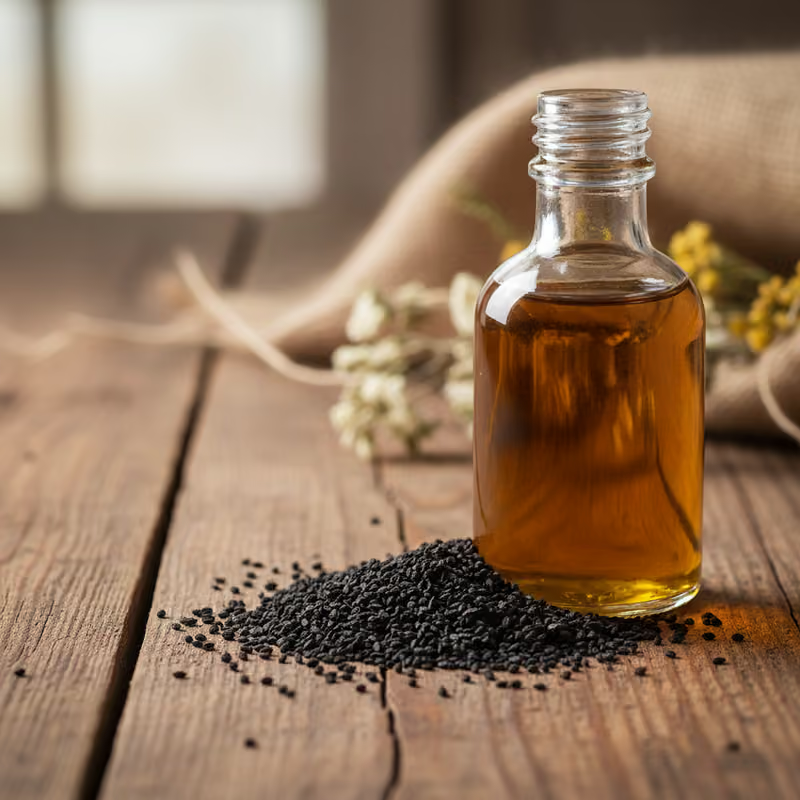
Black Seed Oil:
- Direct Consumption: Cold-pressed black seed oil is a popular method of consumption. A small amount of oil can be taken directly, often on an empty stomach, or mixed with honey or a drink like juice.
- Topical Application: The oil can also be applied topically to the skin for massage or as part of a skincare routine. This aligns with traditional uses for skin health.
- Salad Dressing: Black seed oil has a robust flavor and can be incorporated into salad dressings or drizzled over cooked dishes, but it is generally not recommended for high-heat cooking to preserve its beneficial compounds.
Important Considerations:
- Quality: Always seek high-quality, preferably organic, cold-pressed black seed oil and whole seeds from reputable sources. This helps ensure purity and potency.
- Storage: Store whole seeds in an airtight container in a cool, dark place. Black seed oil should be stored in a dark bottle away from direct light and heat to prevent oxidation and maintain its integrity.
- Consistency: For general wellness support, regular and consistent intake is often emphasized in traditional practices rather than sporadic use.
- Listen to Your Body: Pay attention to how your body responds. While generally well-tolerated, individual reactions can vary.
Always remember that these are suggestions for incorporating black seed into a general wellness routine. For any specific health concerns, or if you are considering black seed as part of a therapeutic regimen, consultation with a healthcare professional is essential.
Common mistakes to avoid
While black seed is generally considered safe for most people when consumed in moderation, there are several common mistakes and misconceptions that individuals should be aware of to ensure safe and effective use.
1. Treating it as a Standalone Cure for Serious Illnesses:
- Mistake: Relying solely on black seed to cure or manage serious chronic conditions like diabetes, cancer, or severe infections without professional medical supervision.
- Correction: Black seed is a complementary supplement and traditional remedy. It is not a substitute for prescribed medications, professional medical diagnosis, or conventional treatments for serious illnesses. Always integrate it under the guidance of a qualified healthcare provider.
2. Overdosing or Excessive Consumption:
- Mistake: Believing that "more is better" and consuming very large quantities of black seed or its oil, potentially exceeding traditional or generally recognized safe amounts.
- Correction: While there isn't a universally established "toxic dose" for humans, excessive intake can lead to digestive upset (nausea, stomach discomfort), or potentially interact with medications. Adhere to traditional moderate amounts, typically a small teaspoon of seeds or half a teaspoon of oil per day for general wellness, and consult a professional for specific dosage recommendations related to health goals.
3. Ignoring Potential Interactions with Medications:
- Mistake: Assuming that because it's "natural," black seed won't interfere with prescription or over-the-counter medications.
- Correction: Nigella sativa may have effects that could interact with certain medications. For example, its potential blood sugar-lowering effects might enhance the action of anti-diabetic drugs, potentially leading to hypoglycemia. Its proposed anticoagulant effects might amplify the effects of blood thinners, increasing the risk of bleeding. If you are on any medication, especially for chronic conditions, consult your doctor or pharmacist before starting black seed.
4. Using Low-Quality or Adulterated Products:
- Mistake: Purchasing black seed or oil from unreliable sources that may offer impure, diluted, or improperly processed products.
- Correction: Always source black seed and its oil from reputable suppliers known for quality and transparency. Look for "cold-pressed" and "organic" labels for oil, as these typically indicate better preservation of beneficial compounds. Adulterated products may lack efficacy and could even contain harmful substances.
5. Expecting Immediate Miraculous Results:
- Mistake: Believing that black seed will provide instant or dramatic healing effects, leading to disappointment or discontinuation when results are not immediately apparent.
- Correction: Natural remedies often work subtly and gradually, supporting the body's natural processes over time. Consistent, moderate use as part of a holistic lifestyle is generally more effective for wellness support than expecting a quick fix.
6. Misinterpreting Information and Self-Diagnosing:
- Mistake: Relying on anecdotal evidence, unqualified internet sources, or personal interpretations of traditional texts to self-diagnose conditions or determine therapeutic protocols.
- Correction: Always seek professional medical advice for diagnosis and treatment of health conditions. Use reputable, evidence-informed sources (like WHO, NIH, Mayo Clinic) for general information, but never use it to replace a clinical assessment.
By avoiding these common mistakes, individuals can incorporate black seed into their health practices more safely and responsibly, aligning its traditional wisdom with modern health awareness.
When to see a professional
While black seed is valued in traditional practices for general wellness, it is crucial to understand its role as a complementary agent rather than a primary treatment for serious conditions. Knowing when to seek advice from a qualified healthcare professional is paramount for your health and safety.
1. For Any Existing Medical Conditions:
- If you have a pre-existing chronic health condition such as diabetes, hypertension, heart disease, autoimmune disorders, or kidney disease, consult your doctor before incorporating black seed or black seed oil into your routine. This is to ensure it will not interfere with your current treatment plan or medication.
2. Before Starting New Medications or If You Are on Existing Medications:
- If you are taking any prescription or over-the-counter medications, including blood thinners, anti-diabetic drugs, blood pressure medications, immunosuppressants, or sedatives, speak with your doctor or pharmacist. Black seed may interact with certain drugs, potentially altering their effects or causing adverse reactions.
3. If You Experience Adverse Reactions:
- Although generally well-tolerated, some individuals may experience side effects such as digestive upset (nausea, heartburn, bloating), skin rashes (if applied topically), or allergic reactions. If you notice any unusual or uncomfortable symptoms after consuming black seed, discontinue use and consult a healthcare professional.
4. During Pregnancy and Breastfeeding:
- The safety of Nigella sativa during pregnancy and breastfeeding has not been definitively established through extensive clinical trials. Therefore, pregnant or breastfeeding individuals should consult their doctor before using black seed or its oil.
5. Before Surgery:
- Due to its potential effects on blood clotting and blood sugar, it is generally advised to discontinue black seed consumption at least two weeks before any scheduled surgery to minimize potential complications. Always inform your surgeon and anesthesiologist about all supplements you are taking.
6. For Specific Health Concerns or Symptoms:
- If you are experiencing new, worsening, or unexplained symptoms, do not attempt to self-treat with black seed or any other supplement. These symptoms could indicate a serious underlying condition that requires proper medical diagnosis and treatment from a qualified clinician.
7. For Pediatric Use:
- The use of black seed in infants and young children requires caution. Always consult a pediatrician before administering any supplements to children.
8. For Veterinary Use:
- While some traditional uses for animals exist, Nigella sativa should not be given to pets without veterinary guidance. The AVMA and WSAVA emphasize that any herbal remedies for animals should be discussed with a veterinarian to ensure safety and appropriateness.
A healthcare professional can provide personalized advice based on your individual health status, medical history, and specific needs, ensuring that black seed is incorporated safely and appropriately into your overall wellness strategy.
Frequently asked questions
What are the main active compounds in black seed?
The primary active compound in Nigella sativa is thymoquinone. This compound, along with other constituents like nigellone, thymohydroquinone, and various antioxidants, fatty acids, and amino acids, contributes to the seed's observed properties. Scientific research continues to explore the individual and synergistic effects of these components.
Is black seed safe for long-term use?
For most healthy individuals, black seed consumed in traditional moderate amounts (e.g., a small pinch of seeds or half a teaspoon of oil daily) is generally considered safe for long-term use. However, individuals with pre-existing medical conditions or those on medications should consult a healthcare professional. Prolonged use of very high doses is not recommended without medical supervision.
Can black seed interact with medications?
Yes, black seed may potentially interact with certain medications. Its proposed effects on blood sugar, blood clotting, and blood pressure could interfere with drugs prescribed for diabetes, anticoagulant therapy, or hypertension. It may also have immune-modulating effects. Always disclose all supplements, including black seed, to your doctor or pharmacist.
What is the recommended way to consume black seed oil?
Cold-pressed black seed oil is commonly consumed directly, often a small amount (e.g., half to one teaspoon) once or twice daily, sometimes mixed with honey or juice. It can also be drizzled over food, but generally not heated to preserve its beneficial compounds. Always follow product-specific recommendations and consult a professional for personalized advice.
Does black seed have an expiry date?
Yes, both whole black seeds and black seed oil have expiry dates. Whole seeds, if stored properly in an airtight container in a cool, dark place, can last for a year or more. Black seed oil, especially if cold-pressed, is more sensitive to degradation and typically has a shelf life of 6-12 months once opened, depending on storage conditions. Always check the product's packaging for specific expiry dates and "best by" information.
Key takeaways
- Historical and Spiritual Significance: Black seed (Nigella sativa) holds profound spiritual and traditional importance, particularly in Islamic tradition, where it is known as "Habbat al-Barakah" (the blessed seed) and referenced in Prophetic narrations for its comprehensive wellness properties.
- Evidence-Informed Principles: Scientific research, largely preliminary, points to Nigella sativa's potential through its antioxidant, anti-inflammatory, and immune-modulatory properties, mainly attributed to compounds like thymoquinone. It is also being explored for metabolic and respiratory support.
- Versatile Daily Habits: Black seed can be incorporated into daily routines as whole seeds (chewed, sprinkled), ground powder (mixed with honey, added to food), or as cold-pressed oil (consumed directly, added to dressings). Quality and proper storage are crucial.
- Avoid Common Mistakes: Do not use black seed as a standalone cure for serious illnesses, exceed moderate dosages, ignore potential interactions with medications, use low-quality products, or expect immediate miraculous results. Avoid self-diagnosis.
- Professional Consultation is Essential: Always consult a qualified healthcare professional if you have existing medical conditions, are on medications, experience adverse reactions, are pregnant or breastfeeding, before surgery, or for any new or worsening symptoms. This also applies to veterinary use.
- Complementary, Not Curative: Black seed is a valuable traditional and complementary support for general wellness, but it is not a substitute for professional medical advice, diagnosis, or treatment for any health condition.
Related reading
Keep exploring this topic with our related, evidence-reviewed guides:
- The Healing Power of Black Seed (Habbatus Sauda) in Islamic — Discover the ancient wisdom of Black Seed in Islamic tradition, beautifully intertwined with modern science for holistic well-bein…
- Zamzam Water in Islamic Tradition — Zamzam holds deep spiritual meaning in Islam. This article treats its cultural and religious significance — not as a medical treat…
- The Prophetic Medicine (Tibb an-Nabawi): A Timeless Guide to — Discover how Prophetic Medicine offers a timeless, holistic approach to health, integrating body, mind, and soul with modern scien…
- Cupping (Hijamah): Tradition and Care — Hijamah is a recommended sunnah. Modern evidence is limited; if practiced, it should be with licensed, sterile providers.
- Wudu and Daily Hygiene: An Islamic Framework for Infection Prevention — A practical, evidence-informed guide to wudu hygiene — what matters, what works, common mistakes, and when to consult a profession…
- Fasting in Ramadan: Spiritual Discipline and Scientifically — Discover how Ramadan's spiritual discipline offers profound, scientifically-backed health benefits for body, mind, and soul.
Sources
- World Health Organization (WHO)
- National Institutes of Health (NIH)
- Mayo Clinic
- National Health Service (NHS)
- Cochrane Library
- American Veterinary Medical Association (AVMA)
- World Small Animal Veterinary Association (WSAVA)
Sources
Evidence & citations
- Every claim in this islamic health teachings guide is backed by primary data — browse the global health statistics behind prophetic health practices in our sourced statistics library.
- Writing about this topic? Researchers, journalists and educators can cite our Islamic health teachings research with ready-made APA, MLA and Chicago references.
My notes on this one
The short version of 14 minutes of reading — what stuck with me while writing “Black Seed (Nigella Sativa) in Islamic Tradition and”, what the sources back up, and what I'd actually do about it.
What I'd take away
01 · Why this matters
This research can potentially uncover new therapeutic applications or validate existing traditional knowledge, contributing to the broader understanding of plant-based medicine.
02 · Key principles
While extensive human clinical trials are still needed for many proposed applications, preliminary research, primarily in vitro and animal studies, along with some human trials…
03 · Practical daily habits
Sprinkling: Whole seeds can be sprinkled over various dishes. They add a unique flavor and texture to bread (like naan or Turkish bread), salads, yogurt, smoothies, and even roasted vegetables.
04 · Common mistakes to avoid
Mistake: Assuming that because it's "natural," black seed won't interfere with prescription or over-the-counter medications.
What the sources I read actually say
This spiritual dimension is a powerful motivator for its consistent use among Muslim communities worldwide.
World Health OrganizationAnti-inflammatory Effects: Inflammation is a natural bodily response to injury or infection, but chronic inflammation can contribute to various diseases.
Centers for Disease Control and Prevention
If you only do one thing this week
- Black seed oil, especially if cold-pressed, is more sensitive to degradation and typically has a shelf life of 6-12 months once opened, depending on storage conditions.
Pick the one that fits your week. None of this replaces advice from a clinician who can actually examine you.
Questions I kept coming back to
What are the main active compounds in black seed?+
The primary active compound in Nigella sativa is thymoquinone. This compound, along with other constituents like nigellone, thymohydroquinone, and various antioxidants, fatty acids, and amino acids, contributes to the seed's observed properties. Scientific research continues to explore the individual and synergistic effects of these components.
Is black seed safe for long-term use?+
For most healthy individuals, black seed consumed in traditional moderate amounts (e.g., a small pinch of seeds or half a teaspoon of oil daily) is generally considered safe for long-term use. However, individuals with pre-existing medical conditions or those on medications should consult a healthcare professional. Prolonged use of very high doses is not recommended without medical supervision.
Can black seed interact with medications?+
Yes, black seed may potentially interact with certain medications. Its proposed effects on blood sugar, blood clotting, and blood pressure could interfere with drugs prescribed for diabetes, anticoagulant therapy, or hypertension. It may also have immune-modulating effects. Always disclose all supplements, including black seed, to your doctor or pharmacist.
What is the recommended way to consume black seed oil?+
Cold-pressed black seed oil is commonly consumed directly, often a small amount (e.g., half to one teaspoon) once or twice daily, sometimes mixed with honey or juice. It can also be drizzled over food, but generally not heated to preserve its beneficial compounds. Always follow product-specific recommendations and consult a professional for personalized advice.
Does black seed have an expiry date?+
Yes, both whole black seeds and black seed oil have expiry dates. Whole seeds, if stored properly in an airtight container in a cool, dark place, can last for a year or more. Black seed oil, especially if cold-pressed, is more sensitive to degradation and typically has a shelf life of 6-12 months once opened, depending on storage conditions…
Was this article helpful?
Be the first to rate this article.
Written by
FaizRuh
I write Health Hub Pro on my own — no clinical licence, no anonymous review panel. Just the published guidance, read carefully and explained plainly.
More about me →How this page was checked
Every claim above is checked against the sources listed at the bottom of this article — WHO, CDC, NIH, NHS, Cochrane and major clinical guidelines. Drafting is AI-assisted; the editing, fact-checking and final wording are mine. It's information, not medical advice. Spotted an error? Tell me and I'll fix it.
Last checked on