Understanding Your Body's Circadian Rhythm
Discover the science behind your body's internal clock, the circadian rhythm, and how it influences sleep, energy, and overall well-being. Learn practical tips to optimize your rhythm for better health.
For informational purposes only. This article is educational and is not a substitute for professional medical advice, diagnosis, or treatment. Always consult a qualified healthcare provider about anything affecting your health. Read full disclaimer.
Introduction
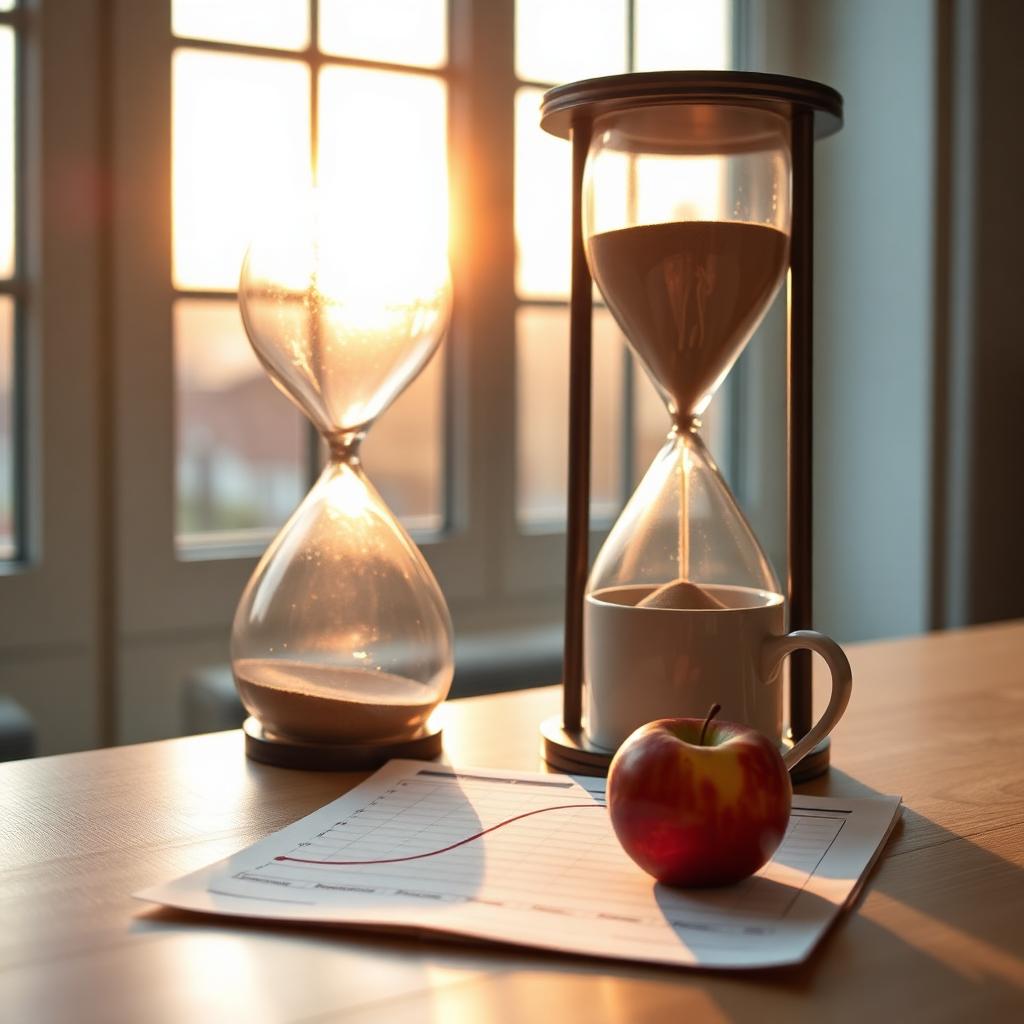
The human body operates on an intricate internal timetable known as the circadian rhythm. This approximately 24-hour cycle governs numerous physiological processes, influencing everything from sleep and wakefulness to hormone secretion, metabolism, and cognitive function. Understanding and aligning with this fundamental biological clock is crucial for maintaining optimal health and well-being. Disruptions to this rhythm, common in modern lifestyles, can have far-reaching negative consequences. By recognizing the mechanisms of the circadian rhythm and implementing evidence-based strategies, individuals can foster better sleep, enhanced energy levels, and improved overall health.
What causes it (evidence-based)
The primary regulator of the circadian rhythm is a small region in the brain called the suprachiasmatic nucleus (SCN), located within the hypothalamus. Often referred to as the body's "master clock," the SCN synchronizes the peripheral clocks found in almost every cell and organ.
The Role of the Suprachiasmatic Nucleus (SCN)
The SCN is composed of approximately 20,000 neurons and is acutely sensitive to light cues. Specifically, specialized photoreceptor cells in the retina (intrinsically photosensitive retinal ganglion cells, or ipRGCs) detect light, particularly blue light, and transmit this information directly to the SCN.
- Light Exposure: Bright light, especially in the morning, signals "daytime" to the SCN, promoting alertness and suppressing the production of melatonin, a hormone that induces sleep. Conversely, the absence of bright light in the evening signals "nighttime," allowing melatonin levels to rise.
- Hormonal Regulation: The SCN orchestrates the cyclical release of several key hormones:
- Melatonin: Produced by the pineal gland, melatonin levels increase in darkness, facilitating sleep, and decrease in light, promoting wakefulness.
- Cortisol: Released by the adrenal glands, cortisol levels are typically highest in the morning, contributing to alertness and waking, and gradually decline throughout the day.
- Growth Hormone: Secretion is pulsatile and often peaks during deep sleep.
- Thyroid-Stimulating Hormone (TSH): Exhibits a circadian rhythm, affecting thyroid function.
Influences Beyond Light
While light is the most dominant "zeitgeber" (time giver) for the SCN, other factors also influence circadian rhythms:
- Social Cues: Regular social interactions and daily routines can reinforce or disrupt the internal clock.
- Food Intake: The timing of meals can influence peripheral clocks in organs involved in metabolism, such as the liver and pancreas. Eating at irregular times, especially late at night, can desynchronize these peripheral clocks from the master SCN.
- Physical Activity: Regular exercise can help reinforce robust circadian rhythms, though intense exercise too close to bedtime can be disruptive for some.
- Temperature: Body temperature naturally fluctuates throughout the day, typically peaking in the late afternoon/early evening and dropping during sleep. Environmental temperature can also influence sleep onset and quality.
Circadian Rhythms Across Body Systems
The influence of the circadian rhythm extends far beyond sleep-wake cycles, affecting nearly every physiological system:
- Metabolism and Digestion: Circadian rhythms regulate glucose metabolism, insulin sensitivity, appetite hormones (ghrelin and leptin), and digestive enzyme activity. This explains why irregular meal timings or late-night eating can impact metabolic health.
- Cardiovascular System: Blood pressure, heart rate, and vascular tone all exhibit circadian variations. Many cardiovascular events, such as heart attacks, show a peak incidence in the morning hours.
- Immune System: Immune cell activity and the inflammatory response vary throughout the 24-hour cycle, impacting susceptibility to infection and the effectiveness of vaccinations.
- Cognitive Function and Mood: Alertness, attention, memory, and problem-solving abilities fluctuate throughout the day. Disruptions can contribute to mood disorders like depression and anxiety.
(Sources: NIH, CDC, Mayo Clinic)
Symptoms and warning signs
A disrupted circadian rhythm can manifest through a wide range of symptoms, impacting physical health, mental well-being, and cognitive function. Recognizing these signs is the first step toward addressing potential issues.
Sleep-Related Symptoms
- Difficulty Falling Asleep (Insomnia): Even when tired, an internal clock that is out of sync can make it challenging to initiate sleep.
- Difficulty Staying Asleep: Waking up frequently during the night or early morning hours and being unable to return to sleep.
- Non-Restorative Sleep: Feeling tired and unrefreshed even after seemingly adequate hours of sleep.
- Irregular Sleep Patterns: A constantly shifting sleep schedule or a tendency to sleep at unusual times.
- Excessive Daytime Sleepiness: Feeling drowsy or needing naps throughout the day, despite adequate sleep duration.
Physical and Metabolic Symptoms
- Persistent Fatigue: A chronic lack of energy that is not alleviated by rest.
- Digestive Issues: Irregular bowel movements, bloating, indigestion, or changes in appetite. This can be due to the desynchronization of gut microbiota and digestive system clocks.
- Weight Gain or Difficulty Losing Weight: Disrupted circadian rhythms can affect hormones that regulate hunger, satiety, and metabolism (e.g., ghrelin, leptin, insulin), increasing the risk of obesity.
- Increased Susceptibility to Illness: A compromised immune system due to chronic circadian disruption can lead to more frequent infections or a longer recovery time from illness.
- Headaches: Frequent or severe headaches, particularly morning headaches.
Cognitive and Psychological Symptoms
- Reduced Alertness and Concentration: Difficulty focusing on tasks, making decisions, or maintaining attention.
- Memory Impairment: Trouble recalling information or learning new things.
- Irritability and Mood Swings: Heightened emotional reactivity and difficulty regulating mood.
- Symptoms of Depression or Anxiety: Circadian disruption is strongly linked to an increased risk or exacerbation of mood disorders.
- Decreased Productivity: Difficulty performing at work or school due to impaired cognitive function and fatigue.
Specific Circumstances Leading to Disruption
- Shift Work: Working irregular hours that conflict with the natural light-dark cycle (e.g., night shifts).
- Jet Lag: Rapid travel across multiple time zones, causing a temporary misalignment between the internal clock and the new environment.
- Irregular Daily Schedule: Inconsistent meal times, exercise routines, and sleep-wake patterns.
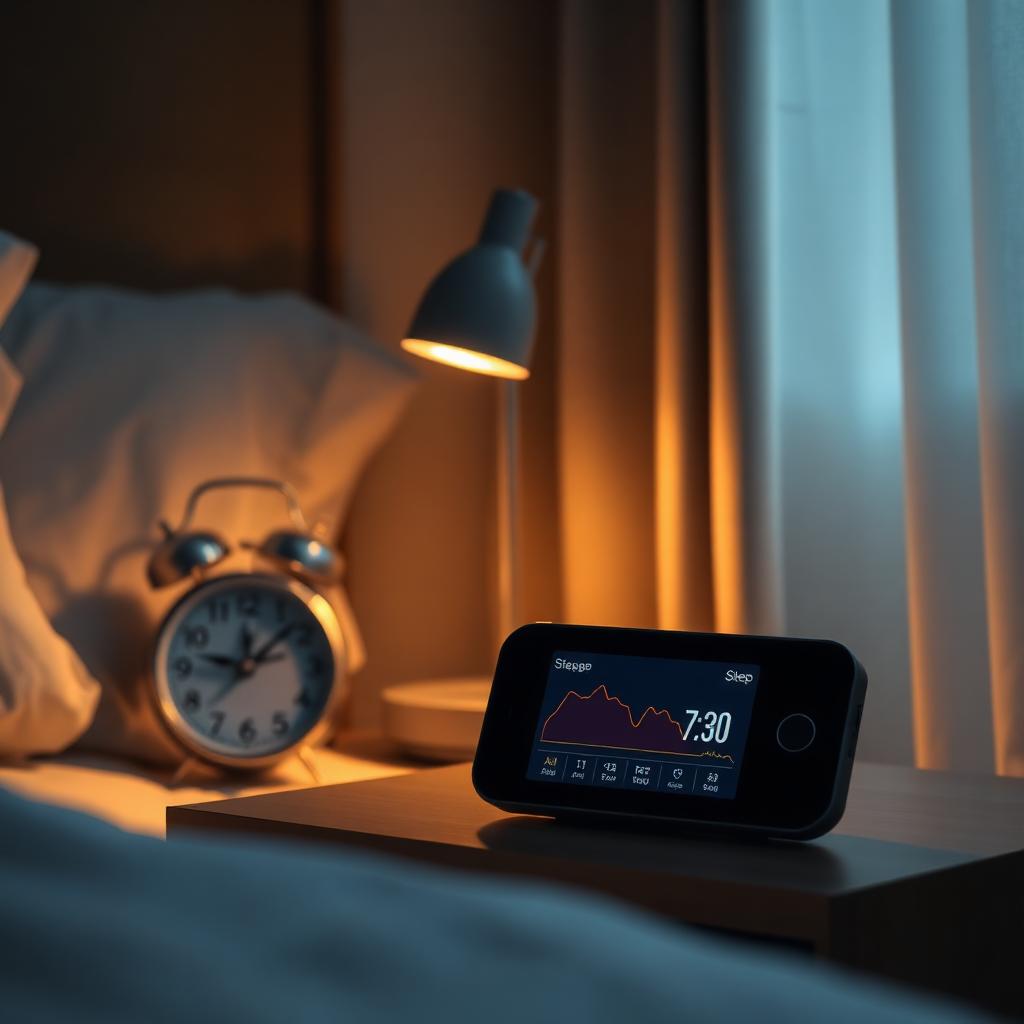
- Excessive Screen Time, Especially at Night: Exposure to blue light from electronic devices can suppress melatonin production and delay sleep onset.
(Sources: AHA, Mayo Clinic, NIH)
When to see a clinician
While occasional sleep disruptions or fatigue are common, persistent symptoms related to your circadian rhythm warrant evaluation by a healthcare professional. Consulting a clinician can help determine underlying causes, rule out other medical conditions, and develop an appropriate management plan.
You should consider seeing a clinician if you experience any of the following:
- Chronic Sleep Difficulties: If you consistently struggle to fall asleep, stay asleep, or experience non-restorative sleep for more than a few weeks.
- Persistent Daytime Sleepiness or Fatigue: If you regularly feel excessively sleepy during the day, despite seemingly adequate sleep, or if fatigue significantly impacts your daily functioning.
- Significant Mood Changes: If you notice persistent feelings of depression, anxiety, irritability, or other mood disturbances that may be linked to your sleep patterns.
- Difficulty Adapting to Shift Work: If you are a shift worker and find it increasingly difficult to adjust to your schedule, leading to chronic health issues or impaired performance.
- Recurrent Digestive Problems: If you experience ongoing digestive issues that coincide with irregular sleep or meal patterns.
- Concerns About Metabolic Health: If you are experiencing unexplained weight changes, or if you have concerns about blood sugar regulation and suspect a link to your sleep habits.
- Suspected Sleep Disorder: If you or a bed partner notice signs of a sleep disorder, such as loud snoring associated with gasps or pauses in breathing (potentially indicating sleep apnea), or restless legs syndrome.
- Impact on Daily Life: If your symptoms interfere with your work, relationships, safety (e.g., driving drowsy), or overall quality of life.
A clinician can conduct a thorough evaluation, which may include reviewing your medical history, performing a physical examination, and potentially recommending sleep studies or further diagnostic tests to identify the root cause of your symptoms. They can then advise on appropriate interventions, which may range from lifestyle modifications to specific medical treatments.
(Sources: Mayo Clinic, CDC)
Treatment and management options
Managing circadian rhythm disruptions often involves a multi-faceted approach, combining lifestyle adjustments, behavioral therapies, and, in some cases, targeted medical interventions. The goal is to resynchronize the internal clock with the desired external cycle.
Lifestyle and Behavioral Interventions
These are often the first line of defense and form the foundation of circadian rhythm management. Consistency is key.
- Maintain a Consistent Sleep Schedule: Go to bed and wake up at roughly the same time every day, including weekends. This regularity helps to entrain your SCN.
- Optimize Light Exposure:
- Morning Light: Expose yourself to bright, natural light as soon as possible after waking. Aim for at least 20-30 minutes of outdoor light exposure daily. This signals to your brain that it's daytime and helps suppress melatonin.
- Evening Darkness: Minimize exposure to bright light, especially blue light from electronic screens (smartphones, tablets, computers, TVs), for at least 1-2 hours before bedtime. Use dim, warm-toned lighting in the evenings. Consider blue-light filtering glasses or screen settings if evening screen use is unavoidable.
- Establish a Relaxing Bedtime Routine: Engage in calming activities before bed, such as reading, taking a warm bath, listening to quiet music, or practicing relaxation techniques. Avoid stimulating activities like intense exercise, stressful work, or engaging debates.
- Create a Sleep-Conducive Environment: Ensure your bedroom is dark, quiet, and cool. Use blackout curtains, earplugs, white noise machines, and maintain a comfortable room temperature (typically between 60-67°F or 15-19°C).
- Strategic Caffeine and Alcohol Consumption: Limit caffeine intake, especially in the afternoon and evening. Avoid alcohol close to bedtime, as it can disrupt sleep architecture even though it might initially induce drowsiness.
- Regular Physical Activity: Engage in regular exercise, but try to avoid strenuous workouts too close to bedtime, as this can elevate body temperature and lead to alertness.
- Consistent Meal Timings: Try to eat meals at regular times each day and avoid heavy meals close to bedtime, as this can affect digestion and metabolic clocks.
Specific Therapies
- Light Therapy (Phototherapy): For certain circadian rhythm disorders, controlled exposure to specific wavelengths and intensities of light, often via a light box, can be prescribed. This is used to shift the circadian rhythm earlier or later, depending on the need (e.g., for Delayed Sleep Phase Disorder or Seasonal Affective Disorder).
- Cognitive Behavioral Therapy for Insomnia (CBT-I): This is a highly effective, evidence-based therapy that addresses the thoughts, feelings, and behaviors that contribute to sleep problems. It helps individuals develop healthy sleep habits and modify dysfunctional beliefs about sleep.
- Melatonin Supplementation (Under Clinician Guidance): While melatonin is a hormone naturally produced by the body, exogenous melatonin can sometimes be used for specific circadian rhythm disorders like jet lag or Delayed Sleep Phase Disorder. It should only be used under the guidance of a clinician, as timing and dosage are critical and can vary significantly depending on the condition. This is not a universal sleeping pill.
For Shift Workers
Managing circadian disruption in shift workers is particularly challenging. Strategies often include:
- Optimizing Naps: Strategic napping can help alleviate sleepiness during wake periods.
- Light Exposure Strategies: Using bright light during night shifts and ensuring complete darkness during daytime sleep.
- Meal Timing: Eating meals at consistent times relative to the shift schedule.
- Pharmacological Aids (Under Clinician Guidance): In some cases, clinicians may prescribe medications to promote wakefulness during shifts or to aid sleep during off-shifts, but these are typically short-term solutions.
(Sources: American Academy of Sleep Medicine, NIH, Mayo Clinic)
Prevention and daily habits
Proactive adherence to certain daily habits can significantly prevent circadian rhythm disruption and foster a robust internal clock, leading to improved health and well-being.
- Prioritize Regularity in Sleep and Wake Times: This is the most crucial habit. Go to bed and wake up at approximately the same time every day, even on weekends. This consistency strengthens your body's natural sleep-wake cycle. Aim for 7-9 hours of sleep for most adults.
- Embrace Morning Light Exposure: As soon as possible after waking, expose yourself to natural outdoor light for 20-30 minutes. This signals to your SCN that the day has begun, helps suppress melatonin, and boosts alertness. A morning walk or eating breakfast near a window are excellent ways to achieve this.
- Mind Your Evening Light Environment:
- Dim the Lights: As evening approaches, dim the lights in your home to signal to your body that it's nearing bedtime.
- Minimize Blue Light Exposure: Avoid screens (phones, tablets, computers, TVs) for at least 1-2 hours before bed. If unavoidable, use blue light filtering glasses or turn on night mode/warm light settings on devices. Blue light can significantly suppress melatonin production.
- Cultivate a Relaxing Bedtime Ritual: Establish a consistent routine in the hour leading up to sleep. This could include reading a physical book, taking a warm bath, practicing gentle stretching or meditation, or listening to calming music. Avoid stimulating activities like intense workouts, stressful work, or engaging in emotionally charged discussions.
- Strategic Caffeine and Alcohol Use: Limit caffeine intake, especially after midday. While alcohol may initially induce sleepiness, it disrupts sleep quality later in the night. Avoid alcohol close to bedtime.
- Regular Physical Activity (Timed Appropriately): Incorporate regular exercise into your daily routine. However, try to complete vigorous workouts at least a few hours before bedtime, as elevated body temperature and adrenaline can interfere with sleep onset.
- Consistent and Timed Meals: Eat your meals at regular, consistent times each day. Try to avoid heavy meals close to bedtime, as digestion can interfere with sleep.
- Optimize Your Sleep Environment: Ensure your bedroom is consistently dark, quiet, and cool. Use blackout curtains, earplugs, or a white noise machine if needed. The ideal temperature range for sleep is typically 60-67°F (15-19°C).
- Limit Napping (or nap strategically): If you must nap, keep it short (20-30 minutes) and early in the afternoon to avoid interfering with nighttime sleep.
- Manage Stress: High stress levels can disrupt sleep and circadian rhythms. Incorporate stress-management techniques such as mindfulness, deep breathing exercises, or spending time in nature.
By consistently applying these daily habits, individuals can reinforce their natural circadian rhythms, leading to more restorative sleep, better energy levels, improved mood, and enhanced overall health.
(Sources: NIH, AHA, Mayo Clinic)
Frequently asked questions
What exactly is a circadian rhythm?
A circadian rhythm is a natural, internal 24-hour cycle that regulates various physiological and behavioral processes in living organisms. In humans, it primarily governs the sleep-wake cycle, but also influences hormone release, body temperature, metabolism, digestion, and cognitive function, among other things. The term "circadian" comes from the Latin "circa diem," meaning "around a day."
How does light affect my circadian rhythm?
Light is the most powerful external cue (zeitgeber) that synchronizes your circadian rhythm. Specialized photoreceptor cells in your eyes detect light, especially blue light, and send signals to your brain's master clock (the SCN). Bright light in the morning signals "daytime," boosting alertness and suppressing melatonin, while the absence of bright light in the evening signals "nighttime," promoting melatonin release and preparing your body for sleep.
Can shift work permanently damage my circadian rhythm?
While shift work itself doesn't permanently damage the circadian rhythm in a structural sense, chronic shift work can lead to persistent desynchronization between your internal clock and your external environment. This chronic disruption (known as shift work disorder) can have long-term negative health consequences, including an increased risk of sleep disorders, metabolic issues, cardiovascular disease, and certain cancers. However, adopting compensatory strategies can help manage the impact.
What are common signs that my circadian rhythm is disrupted?
Common signs include persistent difficulty falling or staying asleep (insomnia), feeling unrefreshed after sleep, excessive daytime sleepiness, chronic fatigue, changes in appetite or digestion, mood disturbances (irritability, anxiety, depression), and reduced concentration or memory issues. If these symptoms are ongoing and impacting your daily life, it's advisable to consult a clinician.
Is melatonin a good solution for circadian rhythm problems?
Melatonin is a hormone naturally produced by the body that signals darkness. Exogenous melatonin supplements can be useful for certain specific circadian rhythm disorders like jet lag or Delayed Sleep Phase Disorder, particularly when used at precise, low doses and timed correctly to help shift the internal clock. However, it is not a general "sleeping pill" and should always be used under the guidance of a clinician, as improper timing or dosage can sometimes worsen sleep problems or disrupt the rhythm further.
Key takeaways
- The Master Clock: Your circadian rhythm is an approximately 24-hour internal biological clock, primarily regulated by the suprachiasmatic nucleus (SCN) in the brain.
- Far-Reaching Influence: It governs not only sleep and wakefulness but also hormone release, metabolism, digestion, body temperature, and cognitive function.
- Light is Key: Bright light, especially in the morning, is the most powerful cue for synchronizing your internal clock, while darkness in the evening promotes sleep.
- Disruption Has Consequences: Irregular sleep schedules, shift work, jet lag, and excessive evening light exposure can disrupt this rhythm, leading to sleep disorders, metabolic issues, mood disturbances, impaired cognitive function, and a weakened immune system.
- Consistency is Crucial: Maintaining consistent sleep and wake times, optimizing light exposure (bright mornings, dark evenings), and practicing a relaxing bedtime routine are fundamental for a healthy circadian rhythm.
- Seek Professional Guidance: If you experience persistent symptoms of circadian rhythm disruption, consult a clinician for proper diagnosis and a personalized management plan.
Sources
- American Academy of Sleep Medicine: www.aasm.org
- American Heart Association (AHA): www.heart.org
- Centers for Disease Control and Prevention (CDC): www.cdc.gov
- Mayo Clinic: www.mayoclinic.org
- National Institutes of Health (NIH): www.nih.gov
- The Cochrane Library: www.cochranelibrary.com
- World Health Organization (WHO): www.who.int
Not Medical Advice: This article provides general information and is not a substitute for professional medical advice, diagnosis, or treatment. Always seek the advice of a qualified healthcare professional with any questions you may have regarding a medical condition or before making any decisions about your health. Do not disregard professional medical advice or delay in seeking it because of something you have read in this article.
Related reading
- Breathing Techniques for Wellness — Discover how simple breathing techniques can significantly enhance your well-being, reduce stress, and improve focus. Le…
- Mindful Eating Practices — Discover how mindful eating can transform your relationship with food, promoting better digestion, weight management, an…
- Hormones and Daily Wellness — Hormones are chemical messengers that profoundly influence nearly every aspect of our daily well-being, from energy leve…
- Managing Energy Throughout the Day — Discover practical strategies to maintain consistent energy levels throughout your day, from morning routines to evening…
- Indoor Air Quality and Wellness — Discover how the air inside your home impacts your health and well-being. Learn practical steps to improve indoor air qu…
Written by
Health Hub Pro Editorial
Health writer at Health Hub Pro, focused on evidence-based, Sharia-conscious wellness.
View author profile →