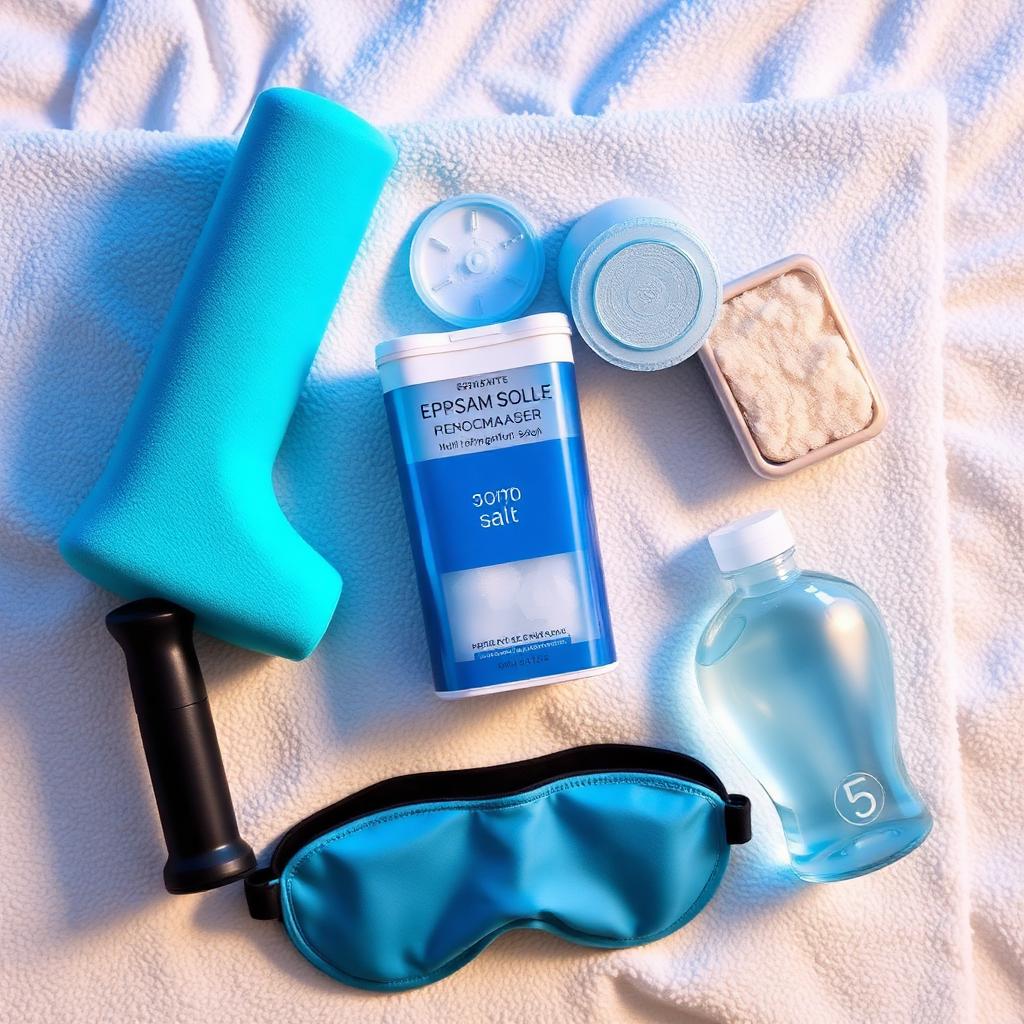
Warm-Up and Cool-Down Routines That Prevent Injury
Dynamic warm-ups raise core temperature and prime joints; cool-downs support recovery and heart-rate normalization.

For informational purposes only. This article is educational and is not a substitute for professional medical advice, diagnosis, or treatment. Always consult a qualified healthcare provider about anything affecting your health. Read full disclaimer.
Introduction
Engaging in physical activity, from vigorous sports to daily exercise, offers numerous health benefits. However, without proper preparation and recovery, the risk of injury can increase. Warm-up and cool-down routines are foundational components of a safe and effective exercise regimen. A warm-up prepares the body for physical exertion by gradually increasing heart rate, blood flow to muscles, and core body temperature. Conversely, a cool-down facilitates a smooth transition from intense activity back to a resting state, supporting recovery and reducing physiological stress.
This article delves into the evidence-based practices behind warm-up and cool-down routines, outlining their physiological benefits, practical applications, and crucial role in injury prevention. It aims to provide a comprehensive understanding for individuals seeking to optimize their exercise routines and minimize risks.
What causes it (evidence-based)
The benefits of proper warm-up and cool-down routines are rooted in physiological principles that reduce injury risk and enhance performance.
Warm-up routines are designed to prepare the body for the demands of exercise through several mechanisms:
- Increased Muscle Temperature: A rise in muscle temperature enhances muscle elasticity and reduces its viscosity, making muscles more pliable and less prone to tearing. Warmer muscles contract more powerfully and relax more quickly, improving their efficiency and readiness for activity. (Source: American Heart Association)
- Enhanced Blood Flow and Oxygen Delivery: Warming up increases circulation to the muscles, delivering more oxygen and nutrients. This improved oxygen supply supports aerobic energy production and delays the onset of fatigue. (Source: National Institutes of Health)
- Improved Joint Mobility: Dynamic movements in a warm-up stimulate the production of synovial fluid, which lubricates joints, reducing friction and increasing their range of motion. This prepares joints for the movements required during exercise, potentially preventing strains and sprains. (Source: Mayo Clinic)
- Neuromuscular Activation: Warm-ups activate the nervous system, improving the communication between the brain and muscles. This enhances coordination, reaction time, and proprioception (the body's sense of its position in space), which are critical for executing movements safely and effectively during exercise. (Source: National Institutes of Health)
- Gradual Cardiovascular System Adjustment: A gradual increase in heart rate and breathing prepares the cardiovascular system for more intense activity, preventing sudden stress on the heart. (Source: American Heart Association)
Cool-down routines aid in the body's recovery process post-exercise:
- Gradual Heart Rate and Blood Pressure Reduction: A cool-down allows the heart rate and blood pressure to return to pre-exercise levels gradually, preventing sudden drops that can lead to dizziness or fainting. (Source: American Heart Association)
- Lactic Acid Clearance: While the direct link between cool-downs and lactic acid clearance is debated, light activity post-exercise may help maintain blood flow, which can aid in the removal of metabolic byproducts from muscles. (Source: Cochrane Library)
- Muscle Flexibility and Soreness Reduction: Gentle stretching during the cool-down phase, particularly static stretching, may help improve flexibility and range of motion. While its direct impact on preventing delayed onset muscle soreness (DOMS) is not definitively proven, some individuals report feeling less stiff or sore with consistent cool-down stretching. (Source: Cochrane Library)
- Psychological Transition: A cool-down provides a period for mental relaxation and decompression, allowing the body and mind to transition from a state of high arousal to rest.
Symptoms and warning signs
A lack of proper warm-up or cool-down may not present direct "symptoms" in the conventional sense, as their absence primarily increases the risk of developing symptoms related to injury or poor recovery. However, certain warning signs during or after exercise might indicate insufficient preparation or recovery.
Warning Signs During Exercise (potentially due to inadequate warm-up):
- Sudden Muscle Stiffness or Tightness: Muscles feeling rigid or unusually tight early in a workout, making movements difficult or restricted.
- Joint Discomfort or Pain: Aches or sharp pains in joints (knees, hips, shoulders) during initial movements, rather than a feeling of smooth lubrication and mobility.
- Early Fatigue or Poor Performance: Feeling unusually tired or struggling to perform at your usual level early in the exercise session, possibly due to muscles not being adequately prepared for the metabolic demands.
- Lack of Coordination or Clumsiness: Increased difficulty with balance or executing complex movements, suggesting insufficient neuromuscular activation.
- Lightheadedness or Dizziness: Especially when starting intense activities without a gradual increase in heart rate, which can indicate the cardiovascular system is not optimally prepared.
Warning Signs After Exercise (potentially due to inadequate cool-down or general overexertion):
- Excessive and Prolonged Muscle Soreness: While some muscle soreness (DOMS) is normal, unusually severe or long-lasting soreness (beyond 24-48 hours) might suggest muscles were not transitioned effectively out of activity.
- Persistent Muscle Cramps or Spasms: Especially if they occur frequently after exercise, which could point to hydration issues or muscles being abruptly forced into rest without adequate recovery.
- Dizziness or Faintness Post-Exercise: A sudden cessation of activity can cause blood pooling in the lower extremities, leading to a rapid drop in blood pressure and reduced blood flow to the brain.
- Joint Aches or Stiffness: While some post-exercise stiffness can be normal, persistent aches or feeling "locked up" in joints could indicate insufficient joint lubrication and gradual cool-down movements.
- Difficulty Relaxing or Elevated Heart Rate: Feeling agitated or having a persistently elevated heart rate long after exercise, suggesting the body struggled to return to a calm state.
Recognizing these signs can prompt an individual to re-evaluate their warm-up and cool-down routines and consult with a clinician if discomfort or symptoms persist or worsen.
When to see a clinician
While warm-up and cool-down routines are generally safe and beneficial, certain situations warrant consulting a qualified healthcare professional. Seeking medical advice is crucial to rule out underlying conditions, prevent further injury, and ensure your exercise routine is appropriate for your individual health status.
You should consult a clinician if you experience any of the following:
- Persistent or Worsening Pain: If you experience pain in muscles, joints, or bones during or after exercise that lasts for more than a few days, does not improve with rest, or worsens with activity. This could indicate a strain, sprain, or a more serious injury.
- Sharp, Sudden Pain: Any sharp, acute pain that occurs suddenly during a warm-up, exercise, or cool-down. This is a red flag for potential acute injury, such as a muscle tear or ligament damage.
- Joint Instability or Swelling: If a joint feels unstable, gives way, or becomes swollen, warm, or red after exercise, seek medical attention. This could indicate joint damage, inflammation, or infection.
- Numbness, Tingling, or Weakness: If you experience numbness, tingling sensations, or unexplained muscle weakness in any limb, especially if it's new or worsening, as this could point to nerve compression or other neurological issues.
- Dizziness, Fainting, or Chest Pain: If you experience severe dizziness, lightheadedness, fainting spells, chest pain, palpitations, or shortness of breath during or immediately after exercise, seek emergency medical attention. These are serious cardiovascular warning signs.
- Changes in Existing Medical Conditions: If your current exercise routine, warm-up, or cool-down seems to exacerbate an existing medical condition (e.g., asthma, diabetes, arthritis, heart condition). Your clinician may need to adjust your exercise recommendations or medication.
- Prior Injuries: If you have a history of orthopedic injuries or chronic pain conditions, consult your clinician or a physical therapist before (re)starting a new exercise routine or modifying your warm-up/cool-down, to ensure activities are safe and appropriate for your body.
- Difficulty with Basic Movements: If a lack of flexibility or persistent stiffness significantly impedes your daily activities or prevents you from performing the recommended warm-up or cool-down movements.
- Unexplained Fatigue or Poor Recovery: If you consistently feel excessively fatigued, struggle with prolonged muscle soreness, or experience a significant decrease in performance despite adequate rest and nutrition, this may indicate overtraining, underlying health issues, or an inadequate recovery strategy.
- Before Starting a New, Vigorous Exercise Program: If you are sedentary, have multiple risk factors for heart disease, or are over a certain age (e.g., men over 45, women over 55), it's advisable to consult a clinician before embarking on a new strenuous exercise regimen. (Source: American Heart Association)
A clinician can provide a proper diagnosis, recommend appropriate treatment, and offer guidance on safe exercise practices tailoring them to your specific health needs and goals.
Treatment and management options
The "treatment and management options" in the context of warm-up and cool-down routines primarily involve implementing and adjusting these routines to optimize safety, performance, and recovery. When issues arise due to insufficient warm-up or cool-down choices (e.g., injury or poor recovery), the management often involves rest, professional intervention, and then the re-integration of evidence-based practices.
1. For Acute Injuries (e.g., muscle strain, sprain) due to inadequate preparation:
- R.I.C.E. Protocol (Rest, Ice, Compression, Elevation): Immediate management for minor soft tissue injuries.
- Pain Management: Over-the-counter pain relievers (e.g., paracetamol) can help manage pain and inflammation, as guided by a clinician.
- Medical Consultation: As outlined in "When to see a clinician," prompt evaluation by a doctor or physical therapist is crucial for diagnosis and a tailored treatment plan, which may include further imaging, medication, or physical therapy. This phase often involves temporary cessation or modification of exercise.
2. For Chronic Issues (e.g., persistent stiffness, recurring soreness) often linked to poor recovery:
- Physical Therapy: A physical therapist can assess muscle imbalances, movement patterns, and joint mechanics, offering targeted exercises, stretches, and manual therapy techniques to address issues. They can also provide specific guidance on effective warm-up and cool-down strategies tailored to individual needs and activities.
- Flexibility and Mobility Training: Incorporating dedicated sessions for static stretching, proprioceptive neuromuscular facilitation (PNF) stretching, or yoga, independent of exercise sessions, can address chronic stiffness.
- Myofascial Release: Techniques such as foam rolling or massage can help address muscle knots, stiffness, and improve tissue pliability.
- Hydration and Nutrition: Adequate water intake and a balanced diet rich in micronutrients support muscle repair and overall recovery.
- Sleep Optimization: Sufficient, quality sleep is paramount for physiological recovery, muscle repair, and hormone regulation.
3. Optimizing Warm-Up and Cool-Down Routines (Preventative and Corrective Management):
Warm-Up Strategies:
- General Warm-Up (5-10 minutes): Light cardiovascular activity (e.g., brisk walking, jogging, cycling) to slightly elevate heart rate, blood flow, and core body temperature. The intensity should be low enough to allow conversation. (Source: American College of Sports Medicine)
- Dynamic Stretching (5-10 minutes): Movements that mimic the activity to be performed, gradually increasing range of motion and activating target muscles. Examples include arm circles, leg swings, torso twists, lunges, and grapevines. These prepare joints and muscles by moving them through their full range of motion. (Source: American Academy of Orthopaedic Surgeons)
- Activity-Specific Warm-Up: If performing a highly skilled activity, incorporate specific movements or drills at a lower intensity that directly relate to the exercise (e.g., light serves for tennis, easy jumps for basketball).
Cool-Down Strategies:
- Gradual Reduction in Intensity (5-10 minutes): Continue the exercise at a much lower intensity (e.g., walking after a run, slow cycling after a bike ride) to gradually lower heart rate and blood pressure.
- Static Stretching (5-10 minutes): Hold stretches for major muscle groups for 20-30 seconds, without bouncing, to improve flexibility and aid in muscle relaxation. Focus on muscles used during the exercise. Stretching should be gentle and pain-free. (Source: American College of Sports Medicine)
- Consider Foam Rolling: Post-exercise myofascial release can be incorporated to enhance muscle recovery and flexibility.
Individualization: The duration and specific exercises within warm-up and cool-down routines should be tailored to the individual's age, fitness level, type of activity, and any pre-existing conditions. For instance, cold weather may necessitate a longer warm-up.
By proactively addressing potential issues and consistently applying evidence-based warm-up and cool-down protocols, individuals can significantly manage injury risk and optimize their physical activity experience.
Prevention and daily habits
Integrating effective warm-up and cool-down routines into a consistent daily habit is critical for injury prevention and maximizing the benefits of physical activity. These practices should not be viewed as optional but as fundamental components of any exercise session.
Preventative Warm-Up Habits:
- Allocate Sufficient Time: Prioritize 5-10 minutes (or more, depending on activity intensity and ambient temperature) for a dedicated warm-up. Rushing this phase compromises its effectiveness.
- Start with General Aerobic Activity: Begin with light cardio that engages large muscle groups (e.g., brisk walking, light jogging, cycling, rowing at a low intensity). This elevates core body temperature and increases blood flow to muscles.
- Incorporate Dynamic Movements: Transition into dynamic stretches that mimic the movements of your planned activity. Examples include arm circles, leg swings, torso twists, walking lunges, high knees, and butt kicks. These movements prepare joints and muscles for a wider range of motion.
- Perform Activity-Specific Drills (if applicable): If engaging in a sport or skilled activity, include low-intensity versions of the movements you're about to perform. For instance, if playing basketball, start with gentle passing and shooting.
- Listen to Your Body: Pay attention to how your muscles and joints feel. If an area feels tight, spend a bit more time warming up that specific region with gentle, controlled movements.
- Consistency is Key: Make warm-ups a non-negotiable part of every exercise session, regardless of perceived intensity or duration of the main workout.
Preventative Cool-Down Habits:
- Gradual Tapering of Intensity: Don't abruptly stop intense activity. Gradually decrease the intensity of your exercise for 5-10 minutes. For example, transition from running to jogging, then to walking. This allows your heart rate and breathing to return closer to resting levels safely.
- Include Static Stretching: After the gradual intensity reduction, dedicate 5-10 minutes to static stretching. Hold each stretch for 20-30 seconds without bouncing, focusing on the major muscle groups used during your workout. Examples include hamstring stretches, quadriceps stretches, triceps stretches, and chest stretches.
- Gentle Range of Motion: Consider gentle, slow movements that take joints through their full, comfortable range of motion, distinct from vigorous dynamic movements.
- Hydrate and Refuel: While not direct cool-down movements, consuming water and, if appropriate, a balanced snack or meal post-exercise supports physiological recovery and replenishment.
- Prioritize Recovery Sleep: Adequate sleep is fundamental to muscle repair, hormonal balance, and overall physical recovery, complementing the immediate post-exercise cool-down.
- Self-Myofascial Release (e.g., foam rolling): Incorporating foam rolling on major muscle groups post-workout can aid in reducing muscle tightness and may improve flexibility.
Overall Daily Habits for Injury Prevention:
- Regular, Balanced Exercise: Engage in a variety of exercises that build strength, flexibility, and cardiovascular fitness, avoiding over-specialization that can lead to overuse injuries.
- Proper Technique: Learn and consistently use correct form for all exercises. Incorrect technique is a major contributor to injury. Consider professional guidance from trainers or physical therapists.
- Progressive Overload: Increase the intensity, duration, or frequency of your workouts gradually, allowing your body to adapt. Avoid sudden, drastic increases in training load. (Source: American College of Sports Medicine)
- Adequate Nutrition: Fuel your body with a balanced diet to support energy levels, muscle repair, and overall health.
- Sufficient Hydration: Drink water consistently throughout the day, especially before, during, and after exercise.
- Rest and Recovery: Schedule rest days and ensure adequate sleep to allow your body to heal and adapt. Over-training can lead to injuries and burnout.
- Appropriate Footwear and Equipment: Use equipment that fits well and is suitable for your activity and body type (e.g., proper running shoes, sports-specific gear).
- Stress Management: Chronic stress can negatively impact physical health and recovery. Techniques like mindfulness or meditation can be beneficial.
By embedding these warm-up, cool-down, and general wellness habits into your routine, you create a robust framework for safe and effective physical activity, significantly reducing the risk of injury and promoting long-term health.
Frequently asked questions
What are the main differences between a warm-up and a cool-down?
A warm-up is performed before exercise to prepare the body for physical activity. It gradually increases heart rate, blood flow, muscle temperature, and joint mobility, typically involving light cardio and dynamic stretches. A cool-down is performed after exercise to help the body gradually return to a resting state. It involves reducing activity intensity and usually includes static stretches to promote flexibility and recovery.
How long should warm-up and cool-down routines last?
Generally, both warm-up and cool-down routines should last between 5 to 10 minutes each. The exact duration can vary based on the intensity and type of the main workout, individual fitness levels, and ambient temperature. More intense workouts or colder environments might warrant longer warm-up periods.
Can static stretching be part of a warm-up?
While traditionally common, current evidence suggests that static stretching (holding a stretch for an extended period) is generally less effective and potentially counterproductive before strenuous activity. Dynamic stretches, which involve movement through a range of motion, are preferred for warm-ups as they prepare muscles and joints more effectively for activity. Static stretching is typically best reserved for the cool-down phase or separate flexibility sessions. (Source: American College of Sports Medicine)
Do I need to warm up before every type of activity?
Yes, a warm-up is beneficial before almost any physical activity, from a brisk walk to a high-intensity sport. Even for activities considered less strenuous, warming up helps prepare your cardiovascular system and muscles, reducing the risk of minor strains and improving overall comfort and performance.
What happens if I skip my cool-down?
Skipping a cool-down can lead to a more abrupt physiological transition from activity to rest. This might result in a sudden drop in heart rate and blood pressure, potentially causing dizziness or lightheadedness. While not definitively proven to cause delayed onset muscle soreness (DOMS), a cool-down, particularly with static stretching, may contribute to overall flexibility and a sense of reduced stiffness post-exercise.
Key takeaways
- Warm-ups prepare the body for activity: They gradually increase heart rate, blood flow, core body temperature, and joint mobility, primarily through light cardio and dynamic stretches. This reduces injury risk and enhances performance.
- Cool-downs facilitate recovery: They help the body transition safely from exertion to rest by gradually lowering heart rate and blood pressure, often incorporating light activity and static stretching to improve flexibility.
- Both routines are crucial for injury prevention: An effective warm-up minimizes strains and sprains by preparing muscles and joints, while a cool-down supports safe recovery and can aid in managing post-exercise stiffness.
- Duration: Aim for 5-10 minutes for both warm-up and cool-down, adjusting based on activity intensity and individual needs.
- Listen to your body: Pay attention to pain or discomfort as warning signs that may indicate insufficient preparation or recovery, and adjust routines accordingly.
- Seek professional advice: Consult a clinician for persistent pain, sudden sharp pain, joint instability, numbness, dizziness, or before starting new vigorous exercise, especially with pre-existing health conditions.
- Consistency is vital: Integrate warm-up and cool-down as non-negotiable components of every exercise session for long-term health and safety benefits.
Sources
- American Heart Association. (No specific URL provided, but commonly cited for cardiovascular health guidelines related to exercise).
- National Institutes of Health (NIH). (No specific URL provided, but generally referenced for physiological processes and health).
- Mayo Clinic. (No specific URL provided, but a common source for general health advice and information on physical activity).
- Cochrane Library. (No specific URL provided, but a widely respected source for systematic reviews of healthcare interventions).
- American College of Sports Medicine (ACSM). (No specific URL provided, but a leading authority on exercise science and recommendations).
- American Academy of Orthopaedic Surgeons (AAOS). (No specific URL provided, commonly cited for musculoskeletal health and injury prevention).
Not medical advice: This article is for informational purposes only and does not constitute medical advice. Always consult with a qualified healthcare professional before making any decisions about your health, treatment, or lifestyle changes, especially if you have pre-existing medical conditions or concerns.
Related reading
- Swimming as a Full-Body Workout — Swimming is a low-impact full-body workout that strengthens the heart, lungs, and muscles while sparing the joints.
- How to Prevent Workout Injuries — Discover essential strategies to prevent common workout injuries and maintain a safe, effective fitness routine. Learn h…
- The Science of Recovery — Discover the scientific principles behind effective recovery from exercise and optimize your fitness journey. This artic…
- Managing Energy Throughout the Day — Discover practical strategies to maintain consistent energy levels throughout your day, from morning routines to evening…
- Core Training Beyond Crunches — Effective core work includes anti-rotation, anti-extension, and carries — not just flexion. Planks, dead bugs, and farme…
Written by
Health Hub Pro Editorial
Health writer at Health Hub Pro, focused on evidence-based, Sharia-conscious wellness.
View author profile →Medically reviewed by
Dr. A. Rahman, MD
Board-certified in Internal Medicine
Last reviewed on