Canine Obesity: How to Assess Body Condition and Reverse
A practical, evidence-informed guide to dog obesity — what matters, what works, common mistakes, and when to consult a professional.
For informational purposes only. This article is educational and is not a substitute for professional medical advice, diagnosis, or treatment. Always consult a qualified healthcare provider about anything affecting your health. Read full disclaimer.
Canine Obesity: How to Assess Body Condition and Reverse Weight Gain
(Not medical or veterinary advice — consult a qualified clinician or veterinarian for personal guidance.)
Introduction
Canine obesity is a widespread health concern affecting a significant portion of the global dog population. It is defined as an accumulation of excessive body fat that is detrimental to health. While often viewed simply as a cosmetic issue, canine obesity is a serious medical condition that can lead to a myriad of health problems, significantly impacting a dog's quality of life and potentially shortening its lifespan. Understanding how to identify, prevent, and manage this condition is crucial for responsible pet ownership. This article will explore the assessment of a dog's body condition, delve into the key principles for managing weight, provide practical daily habits, highlight common pitfalls to avoid, and advise on when professional veterinary consultation is essential. The goal is to empower pet parents with the knowledge to help their canine companions achieve and maintain a healthy weight.
Why this matters
The increasing prevalence of canine obesity is a concerning trend with profound implications for animal welfare. When a dog carries excess weight, its body is subjected to additional strain, leading to a cascade of potential health issues. The effects are systemic, impacting various organ systems and metabolic processes.
One of the most immediate and visible impacts is on musculoskeletal health. Joints, particularly in the hips, elbows, and knees, bear an increased load, accelerating the development or worsening of conditions like osteoarthritis. This can result in chronic pain, reduced mobility, and a diminished ability to engage in activities they once enjoyed, like playing or walking.
Beyond physical discomfort, obesity is a significant risk factor for metabolic and endocrine disorders. Dogs carrying extra weight are more susceptible to insulin resistance and type 2 diabetes, a condition requiring lifelong management. The liver can also be adversely affected, sometimes leading to hepatic lipidosis. The cardiovascular and respiratory systems are also under strain; excess fat can impede lung expansion, making breathing more difficult, especially in warm weather or during exertion. This can exacerbate existing respiratory conditions and increase the risk of heatstroke.
Furthermore, obesity can compromise a dog's immune system, making them more vulnerable to infections. Surgical procedures become riskier due to increased anesthetic complications and slower wound healing. Even dermatological issues, such as skin fold dermatitis, can arise or worsen in overweight dogs due to moisture and friction in skin folds.
The emotional and behavioral aspects are also noteworthy. Overweight dogs may exhibit decreased energy, reluctance to play, and a general reduction in zest for life. Their ability to interact with other dogs and people may be limited, impacting their social well-being.
Given these wide-ranging health implications, addressing canine obesity is not merely about aesthetics; it is a critical component of ensuring a long, healthy, and fulfilling life for our canine companions. Prevention is always preferable, but early detection and proactive management are vital for improving outcomes and enhancing the quality of life for an affected dog.
Key principles (evidence-informed)
Managing canine obesity revolves around a fundamental principle: achieving a sustained negative energy balance. This means the dog expends more calories than it consumes. The strategies employed to accomplish this are generally multifaceted, encompassing dietary modifications, increased physical activity, and behavioral adjustments, all guided by evidence-informed practices.
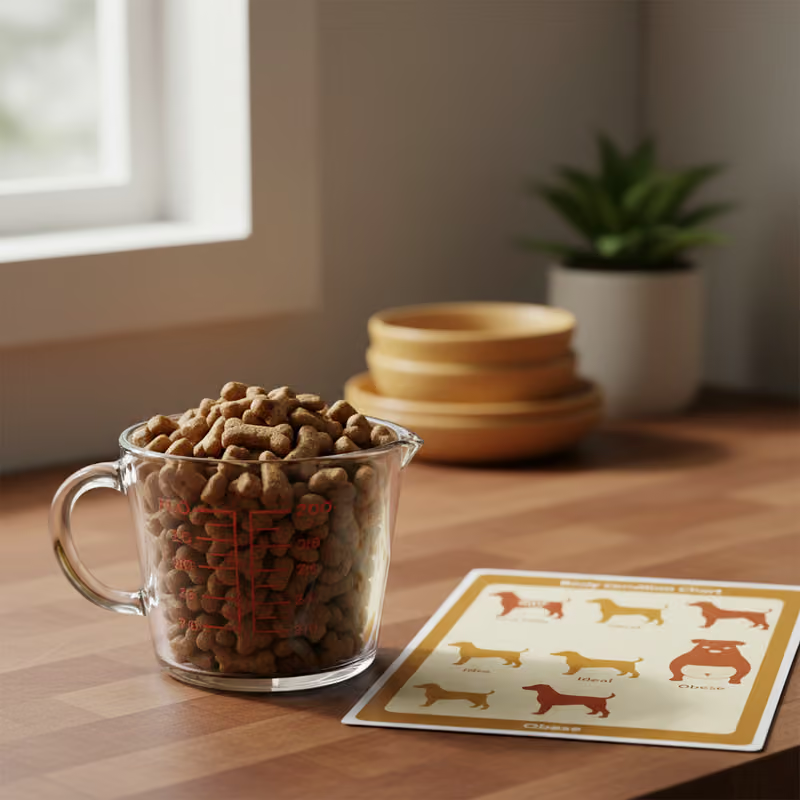
One of the cornerstones of weight management is accurate assessment of body condition. Tools like the Body Condition Score (BCS) are invaluable. The BCS is a nine-point scale (or a five-point scale, depending on the system used) that assesses body fat reserves. A score of 4 or 5 out of 9, or 3 out of 5, is generally considered ideal, indicating that ribs are easily palpable without excess fat covering, the waist is visible from above, and an abdominal tuck is present from the side. Regular assessment allows pet parents to track progress and make timely adjustments. The World Small Animal Veterinary Association (WSAVA) provides detailed guidelines and charts for BCS assessment, which are widely recognized and utilized by veterinary professionals.
Dietary management is typically the most impactful component of a weight loss program. This involves selecting an appropriate diet and controlling portion sizes.
- Caloric Restriction: The primary goal is to reduce caloric intake. This is often achieved by feeding a specially formulated "weight loss" or "light" commercial dog food. These diets are typically lower in calories, fat, and often higher in fiber and protein. The increased fiber helps the dog feel fuller, while higher protein helps maintain lean muscle mass during weight loss.
- Accurate Measurement: Free-feeding (leaving food out all day) is highly discouraged for overweight dogs. Instead, meals should be measured precisely using a scale or measuring cup, based on the veterinarian’s recommendation for the target weight rather than the current weight.
- Treats and Table Scraps: Treats should be severely limited or eliminated. If used, they should be low-calorie options and accounted for in the daily caloric allowance. Table scraps are generally discouraged due to their unknown caloric content, potential for high fat, and often unsuitable ingredients for canine digestion.
- Frequency of Meals: Feeding smaller, more frequent meals can sometimes help manage hunger, though the total daily caloric intake remains the critical factor.
Increased Physical Activity is another vital component, complementary to dietary changes. Exercise burns calories, helps build and maintain muscle mass, and promotes overall well-being.
- Gradual Increase: Any exercise regimen should be introduced gradually, especially for significantly overweight dogs, to prevent injury and overexertion.
- Type of Exercise: Low-impact activities like walking and swimming are often ideal, as they put less strain on joints. Play sessions can also contribute, but the intensity and duration should be monitored.
- Consistency: Regular, consistent exercise is more beneficial than sporadic, intense bursts. Daily walks are a good starting point.
- Monitoring: Pet parents should observe their dog for signs of fatigue, overheating, or discomfort during exercise and adjust accordingly.
Behavioral and Environmental Modifications also play a role.
- Enrichment: Food puzzles or slow feeders can extend mealtime, making the dog feel more satisfied and slowing down consumption.
- Family Involvement: All members of the household must be committed to the weight loss plan, ensuring consistent feeding practices and avoiding giving extra food or treats.
- Regular Monitoring: Weekly or bi-weekly weigh-ins and BCS checks can help track progress and allow for adjustments to the plan.
These principles, when applied consistently and under veterinary guidance, form the bedrock of a successful canine weight management program. The World Health Organization (WHO) and the Food and Agriculture Organization (FAO) emphasize the importance of healthy nutrition and physical activity in preventing non-communicable diseases across species, principles which extend to companion animals. The American Veterinary Medical Association (AVMA) consistently advocates for addressing pet obesity as a critical health issue.
Practical daily habits
Implementing small, consistent changes into daily routines can significantly contribute to a dog’s weight management journey. These habits build upon the key principles of calorie control and increased activity.
Structured Feeding
- Measure Precisely: Use a kitchen scale to measure your dog's food portion accurately each day. This is far more reliable than scoop measurements, which can vary greatly. Follow your veterinarian's recommended caloric intake, often based on the dog's ideal weight.
- Scheduled Meals: Establish a consistent feeding schedule, typically two to three meals per day, rather than free-feeding. This allows for better portion control and helps the dog anticipate meal times.
- Eliminate Table Scraps: Be firm about not feeding any human food from the table. Many human foods are high in calories, fats, and ingredients that are not suitable or even toxic for dogs.
- Calorie-Controlled Treats: If treats are given, opt for low-calorie, high-fiber options, such as plain raw carrots, green beans, or specially formulated low-calorie dog treats. Ensure these treats constitute no more than 10% of the dog's daily caloric intake and adjust the main meal accordingly. Consider using a portion of their daily kibble allowance as treats for training.
- Food Puzzles and Slow Feeders: Utilize food puzzle toys or slow feeder bowls to make mealtime last longer. This can help prevent rapid consumption, engage the dog mentally, and potentially increase satiety.
Consistent Exercise
- Daily Walks: Aim for at least one to two structured walks daily. The duration and intensity should be gradually increased, starting with shorter, slower walks for significantly overweight dogs and progressing to longer, brisker paces. A good goal might be 20-30 minutes of brisk walking twice a day, depending on the dog's breed, age, and current fitness level.
- Play Sessions: Incorporate active play into the day. This could include fetching, tug-of-war (supervised and appropriate for the dog's size), or interactive games in the yard. Make these sessions engaging and fun.
- Water Activities: If available and safe, swimming can be an excellent low-impact exercise, especially for dogs with joint issues.
- Mental Stimulation: Don't forget mental exercise. Obedience training sessions, learning new tricks, or scent work can burn calories indirectly by engaging the brain and requiring physical movement. This also provides enrichment, reducing boredom-related behaviors that might lead to seeking food.
- Avoid Overexertion: Especially during warmer weather, be mindful of your dog's tolerance to exercise. Avoid strenuous activity during the hottest parts of the day. Always provide access to fresh water.
Regular Monitoring
- Weekly Weigh-ins: Weigh your dog once a week on the same scale, at the same time of day. This helps track progress and allows for early adjustments to the diet or exercise plan if weight loss plateaus or stops.
- Body Condition Scoring: Periodically reassess your dog's Body Condition Score (BCS) at home. Familiarize yourself with the visual and tactile cues for an ideal BCS. This is a good complement to weighing, as it assesses fat distribution.
- Journaling: Keep a simple journal or use a smartphone app to log food intake, treats, exercise duration, and weight measurements. This creates a tangible record and helps identify patterns or areas for improvement.
Environmental Adjustments
- Restrict Food Access: Store dog food and treats in secure containers, out of reach of your dog.
- Mindful of Family Members: Ensure all household members and visitors are aware of the weight management plan and adhere to the feeding and treat guidelines. Inconsistent feeding can sabotage efforts.
By integrating these practical habits into daily life, pet parents can create a supportive environment for their dog’s weight loss journey, fostering long-term health and well-being.
Common mistakes to avoid
Successfully managing canine obesity requires diligence and an understanding of common pitfalls. Avoiding these errors can significantly increase the chances of achieving and maintaining a healthy weight for your dog.
Inaccurate Portion Control
- Eyeballing Food: One of the most frequent mistakes is guessing food portions instead of accurately measuring them. A measuring cup can be notoriously inaccurate; a digital kitchen scale is significantly more precise for dry kibble. Just a small overestimate daily can lead to significant calorie excess over time.
- Not Accounting for Treats and Chews: Many pet parents forget to factor in the calories from treats, dental chews, and even flavored medications. These can quickly add up and sabotage a carefully planned diet.
- Free-Feeding: Leaving a bowl of food out all day allows the dog to graze and consume more calories than needed. Scheduled meals are crucial for calorie control.
Lack of Consistency
- Inconsistent Exercise: Sporadic bursts of intense exercise followed by long periods of inactivity are less effective than consistent, moderate activity. Furthermore, inconsistent exercise can increase the risk of injury.
- Inconsistent Feeding: Allowing different family members to feed the dog without coordination, or succumbing to "puppy dog eyes" for extra food, can undermine the dietary plan. Everyone in the household must be on the same page.
Rapid Weight Loss Attempts
- Drastic Calorie Restriction: Cutting calories too severely can be dangerous. It can lead to nutritional deficiencies, muscle loss instead of fat loss, and even metabolic disturbances. A healthy weight loss rate for most dogs is typically 1-2% of their body weight per week, depending on their starting weight.
- Sudden Increase in Exercise: Overweight dogs may have underlying health issues, such as joint pain or cardiovascular problems. A sudden, intense exercise regimen can cause injury, pain, or even heart strain. Exercise should be gradually increased.
Ignoring Underlying Health Issues
- Self-Diagnosis: Assuming all weight gain is solely due to overeating or lack of exercise can be a mistake. Certain medical conditions, such as hypothyroidism or Cushing's disease, can contribute to weight gain. A veterinarian can rule out or diagnose these conditions.
- Not Seeking Professional Guidance: Attempting a weight loss program without veterinary input can be ineffective or even harmful. A veterinarian can accurately assess body condition, calculate appropriate caloric intake, recommend suitable foods, and monitor progress.
Giving Up Too Soon or Lack of Patience
- Expecting Immediate Results: Weight loss is a gradual process. Pet parents may become discouraged if they don't see rapid changes. Consistency and patience are key.
- Plateaus: Weight loss often plateaus. This is normal, but without proper guidance, pet parents might revert to old habits. A veterinarian can help adjust the plan during these periods.
Focusing Only on Weight and Not Body Condition
- Ignoring BCS: While weighing is important, focusing solely on the number on the scale without also assessing Body Condition Score (BCS) can be misleading. Muscle mass can vary, and BCS provides a visual and tactile assessment of fat reserves. Two dogs of the same weight and breed might have very different body compositions.
By being aware of these common mistakes and actively working to avoid them, pet parents can navigate the challenges of canine weight management more effectively and support their dog's journey to a healthier life.
When to see a professional
While routine monitoring of a dog's weight and general health is part of responsible pet ownership, there are specific situations where professional veterinary consultation becomes essential. Early intervention and expert guidance can significantly impact the success and safety of a weight management plan.
If you suspect your dog is overweight or obese: The initial step for any concern about your dog's weight should be a visit to the veterinarian. Even if you are confident your dog is overweight, a professional assessment is crucial.
- Accurate Diagnosis: A veterinarian can perform a thorough physical examination, accurately assess your dog's Body Condition Score (BCS), and determine the extent of the obesity.
- Rule Out Underlying Conditions: Weight gain can sometimes be a symptom of an underlying medical condition, such as hypothyroidism, Cushing's disease (hyperadrenocorticism), or even certain types of tumors. A veterinarian can perform diagnostic tests (blood work, urinalysis) to rule out or diagnose these conditions before embarking on a weight loss program. This ensures the weight gain is not being mistakenly attributed solely to diet or lack of exercise.
To establish a safe and effective weight loss plan: Once obesity is confirmed, a veterinarian is best equipped to develop a tailored and safe weight management strategy.
- Target Weight and Caloric Needs: They can determine a healthy target weight for your dog based on its breed, age, and individual characteristics. They will then calculate the appropriate daily caloric intake required to achieve gradual, safe weight loss. This calculation is complex and considers basal metabolic rate, activity level, and the desired rate of weight reduction.
- Dietary Recommendations: Your veterinarian can recommend specific therapeutic weight loss diets that are formulated to be lower in calories and fat, yet provide adequate nutrients, protein (to preserve muscle mass), and fiber (to promote satiety). They can also advise on appropriate portion sizes and suitable low-calorie treats.
- Exercise Guidance: They can provide personalized recommendations for exercise, considering your dog's current fitness level, age, breed predispositions to joint issues, and any existing medical conditions. They will advise on a gradual increase in activity to prevent injury.
If your dog has co-existing health conditions: Dogs with conditions like osteoarthritis, diabetes, heart disease, or respiratory problems require careful management, and weight loss must be integrated safely into their overall treatment plan.
- Monitoring and Adjustment: Weight loss in these dogs needs to be closely monitored by a veterinarian to ensure it doesn't exacerbate existing conditions or interfere with other medications.
If you observe specific symptoms related to weight: Be vigilant for signs that your dog's weight is causing distress or health problems.
- Difficulty Breathing: Especially after mild exertion.
- Reduced Mobility: Reluctance to walk, jump, or play; limping; difficulty getting up.
- Lethargy: Noticeable decrease in energy levels or enthusiasm.
- Skin Issues: Dermatitis or infections in skin folds.
If your dog's weight loss plateaus or if you are struggling to make progress: Weight loss can be challenging, and plateaus are common.
- Troubleshooting: If your dog isn't losing weight despite following the plan, or if they seem excessively hungry or lethargic, a veterinary check-up is necessary. The veterinarian can reassess the plan, adjust caloric intake, modify exercise, or investigate other factors that might be impeding progress.
For regular follow-ups: Even after a plan is established, regular veterinary follow-up appointments are crucial to monitor progress, make necessary adjustments, and ensure the dog is losing weight safely and effectively. Once the target weight is achieved, the veterinarian can help transition to a maintenance diet and exercise plan.
In essence, a veterinarian is an indispensable partner in the battle against canine obesity, providing expert diagnosis, personalized treatment plans, and ongoing support to ensure the best possible outcome for your canine companion.
Frequently asked questions
Q: How do I know if my dog is overweight?
A: You can assess your dog's Body Condition Score (BCS). On a 9-point scale, an ideal score is 4 or 5. You should be able to easily feel your dog's ribs without pressing hard, but they shouldn't be visibly protruding. When looking from above, your dog should have a discernible waistline, and from the side, an abdominal tuck (where the belly tucks up towards the hind legs) should be visible. If you can't easily feel the ribs, or if there's no waist or abdominal tuck, your dog is likely overweight. For a definitive assessment, consult your veterinarian.
Q: What is the ideal weight loss rate for a dog?
A: A safe and healthy rate of weight loss for most dogs is typically 1-2% of their initial body weight per week. This gradual approach helps preserve lean muscle mass and minimizes health risks associated with rapid weight reduction. For example, a 50-pound dog might aim to lose 0.5 to 1 pound per week. Your veterinarian can determine the appropriate target weight and a safe timeline for your dog's specific situation.
Q: Can I just feed my dog less of its regular food to help it lose weight?
A: While reducing the amount of regular food can lead to weight loss, it may not be the optimal or safest approach. Feeding significantly less of a maintenance diet can lead to nutritional deficiencies, as the food isn't formulated to provide essential nutrients at a reduced caloric intake. Therapeutic weight loss diets are specifically designed to be lower in calories and fat but higher in fiber and sometimes protein, helping your dog feel full and maintain muscle mass while still getting all necessary vitamins and minerals. Always consult your veterinarian for specific dietary recommendations.
Q: How much exercise does an overweight dog need?
A: The amount of exercise an overweight dog needs varies greatly depending on its breed, age, current fitness level, and the degree of obesity. It's crucial to start slowly and gradually increase duration and intensity. Begin with short, low-impact activities like leash walks (10-15 minutes, 1-2 times daily) and slowly extend the time and pace. Swimming is also an excellent low-impact option. Always monitor your dog for signs of fatigue, overheating, or pain, and provide plenty of fresh water. A veterinarian can help design a safe and effective exercise plan tailored to your dog's individual needs and health status.
Q: What are the best kinds of treats for a dog trying to lose weight?
A: When a dog is on a weight loss program, treats should be severely limited or, ideally, eliminated. If treats are used, they should be low-calorie and accounted for in the dog's daily caloric intake. Good low-calorie options include small pieces of plain raw vegetables like carrots, green beans, or cucumber. Small pieces of lean, cooked chicken (without skin or seasoning) can also be given sparingly. Many commercial "diet" or "light" dog treats are available, but always check their caloric content. Consider using a portion of your dog's daily kibble allowance as treats for training or rewards.
Key takeaways
Canine obesity is a serious yet preventable and manageable health issue that significantly impacts a dog's well-being and lifespan. Understanding and addressing this condition is a crucial aspect of responsible pet ownership.
The core message is that prevention is paramount, but when obesity occurs, early intervention and consistent management are key. It's not merely a cosmetic concern but a medical condition with wide-ranging health implications, including joint problems, diabetes, heart disease, and reduced quality of life.
Accurate body condition assessment through tools like the Body Condition Score (BCS) is vital for early identification and monitoring. An ideal BCS means ribs are easily palpable, a waist is visible, and an abdominal tuck is present.
The two pillars of weight management are caloric restriction and increased physical activity. This involves:
- Precise portion control of an appropriate, often therapeutic, diet.
- Elimination of high-calorie treats and table scraps.
- Gradual and consistent increase in suitable exercise, tailored to the dog's individual needs.
Common mistakes to avoid include inaccurate food measurement, lack of consistency, attempting overly rapid weight loss, and neglecting to rule out underlying medical conditions.
Perhaps the most critical takeaway is the indispensable role of a veterinary professional. A veterinarian can:
- Accurately diagnose obesity and rule out underlying health issues.
- Establish a safe, individualized target weight and caloric intake.
- Recommend specific therapeutic diets and appropriate exercise plans.
- Monitor progress, troubleshoot plateaus, and provide ongoing support.
Ultimately, empowering pet parents with knowledge, practical habits, and the guidance of veterinary experts ensures that canine companions can achieve and maintain a healthy weight, leading to a longer, happier, and more active life.
Related reading
Keep exploring this topic with our related, evidence-reviewed guides:
- Senior Cat Care: Thyroid, Kidneys, and Weight Changes — A practical, evidence-informed guide to senior cat care — what matters, what works, common mistakes, and when to consult a profess…
- Understanding BMI and Health: Evidence-Based Guide — Understanding your Body Mass Index (BMI) is a starting point for assessing your weight status and potential health risks. Learn wh…
- Prophetic Advice on Anger and the Body — The Prophet ﷺ taught practical steps for anger — sitting down, silence, wudu — that align with modern stress-regulation techniques…
- Puppy First Year Health Checklist: Vaccines, Growth, and Socialization — A practical, evidence-informed guide to puppy health — what matters, what works, common mistakes, and when to consult a profession…
- Litter Box Health: What Your Cat's Habits Reveal — A practical, evidence-informed guide to litter box problems — what matters, what works, common mistakes, and when to consult a pro…
- Dog Skin and Coat Health: Allergies, Itching, and Grooming — A practical, evidence-informed guide to dog skin allergies — what matters, what works, common mistakes, and when to consult a prof…
Sources
- World Small Animal Veterinary Association (WSAVA) - Global Nutrition Guidelines and Body Condition Score Charts.
- American Veterinary Medical Association (AVMA) - Resources on Pet Obesity.
- National Institutes of Health (NIH) - Research and guidelines on obesity (general principles applicable to animal models).
- Mayo Clinic - Articles on weight management and its health implications (general principles applicable to animal models).
- World Health Organization (WHO) - Guidelines on healthy diet and physical activity.
- Food and Agriculture Organization of the United Nations (FAO) - Resources on animal nutrition.
- Cochrane Library - Systematic reviews on nutrition and health interventions (general principles applicable to animal models).
Sources
Evidence & citations
- Every claim in this animal health guide is backed by primary data — browse the zoonotic and one-health statistics in our sourced statistics library.
- Writing about this topic? Researchers, journalists and educators can cite our animal health guidance with ready-made APA, MLA and Chicago references.
My notes on this one
The short version of 18 minutes of reading — what stuck with me while writing “Canine Obesity: How to Assess Body Condition and Reverse”, what the sources back up, and what I'd actually do about it.
What I'd take away
01 · Why this matters
The cardiovascular and respiratory systems are also under strain; excess fat can impede lung expansion, making breathing more difficult, especially in warm weather or during exertion.
02 · Key principles
This means the dog expends more calories than it consumes.
03 · Practical daily habits
Implementing small, consistent changes into daily routines can significantly contribute to a dog’s weight management journey.
04 · Structured Feeding
Scheduled Meals: Establish a consistent feeding schedule, typically two to three meals per day, rather than free-feeding. This allows for better portion control and helps the dog anticipate meal times.
05 · Consistent Exercise
Play Sessions: Incorporate active play into the day. This could include fetching, tug-of-war (supervised and appropriate for the dog's size), or interactive games in the yard…
What the sources I read actually say
The World Small Animal Veterinary Association (WSAVA) provides detailed guidelines and charts for BCS assessment, which are widely recognized and utilized by veterinary professionals.
World Health OrganizationPrevention is always preferable, but early detection and proactive management are vital for improving outcomes and enhancing the quality of life for an affected dog.
Centers for Disease Control and PreventionNational Institutes of Health (NIH) - Research and guidelines on obesity (general principles applicable to animal models).
National Institutes of Health
If you only do one thing this week
- A: A safe and healthy rate of weight loss for most dogs is typically 1-2% of their initial body weight per week.
- Begin with short, low-impact activities like leash walks (10-15 minutes, 1-2 times daily) and slowly extend the time and pace.
Pick the one that fits your week. None of this replaces advice from a clinician who can actually examine you.
Questions I kept coming back to
How do I know if my dog is overweight?+
You can assess your dog's Body Condition Score (BCS). On a 9-point scale, an ideal score is 4 or 5. You should be able to easily feel your dog's ribs without pressing hard, but they shouldn't be visibly protruding. When looking from above, your dog should have a discernible waistline, and from the side, an abdominal tuck (where the belly tucks up towards the hind legs) should be visible…
What is the ideal weight loss rate for a dog?+
A safe and healthy rate of weight loss for most dogs is typically 1-2% of their initial body weight per week. This gradual approach helps preserve lean muscle mass and minimizes health risks associated with rapid weight reduction. For example, a 50-pound dog might aim to lose 0.5 to 1 pound per week. Your veterinarian can determine the appropriate target weight and a safe timeline for your dog's specific situation.
Can I just feed my dog less of its regular food to help it lose weight?+
While reducing the amount of regular food can lead to weight loss, it may not be the optimal or safest approach. Feeding significantly less of a maintenance diet can lead to nutritional deficiencies, as the food isn't formulated to provide essential nutrients at a reduced caloric intake. Therapeutic weight loss diets are specifically designed to be lower in calories and fat but higher in fiber and sometimes protein…
How much exercise does an overweight dog need?+
The amount of exercise an overweight dog needs varies greatly depending on its breed, age, current fitness level, and the degree of obesity. It's crucial to start slowly and gradually increase duration and intensity. Begin with short, low-impact activities like leash walks (10-15 minutes, 1-2 times daily) and slowly extend the time and pace. Swimming is also an excellent low-impact option…
What are the best kinds of treats for a dog trying to lose weight?+
When a dog is on a weight loss program, treats should be severely limited or, ideally, eliminated. If treats are used, they should be low-calorie and accounted for in the dog's daily caloric intake. Good low-calorie options include small pieces of plain raw vegetables like carrots, green beans, or cucumber. Small pieces of lean, cooked chicken (without skin or seasoning) can also be given sparingly…
Was this article helpful?
Be the first to rate this article.
Written by
FaizRuh
I write Health Hub Pro on my own — no clinical licence, no anonymous review panel. Just the published guidance, read carefully and explained plainly.
More about me →How this page was checked
Every claim above is checked against the sources listed at the bottom of this article — WHO, CDC, NIH, NHS, Cochrane and major clinical guidelines. Drafting is AI-assisted; the editing, fact-checking and final wording are mine. It's information, not medical advice. Spotted an error? Tell me and I'll fix it.
Last checked on