Eye Health for Screen Users
Spending significant time in front of screens can lead to eye strain and discomfort. Learn practical, evidence-based strategies to protect your vision and maintain optimal eye health in our digital world.

For informational purposes only. This article is educational and is not a substitute for professional medical advice, diagnosis, or treatment. Always consult a qualified healthcare provider about anything affecting your health. Read full disclaimer.
Eye Health for Screen Users
In our increasingly digital world, screens have become an integral part of our daily lives, from work and education to entertainment and social connection. While these devices offer immense benefits, prolonged screen time can place significant demands on our eyes, leading to a range of uncomfortable symptoms often referred to as digital eye strain or computer vision syndrome. Understanding the causes and implementing proactive measures is crucial for maintaining good eye health.
Understanding Digital Eye Strain
Digital eye strain is not a single problem but a group of eye and vision-related problems that result from prolonged computer, tablet, e-reader, and cell phone use. Symptoms can include eyestrain, headaches, blurred vision, dry eyes, and neck and shoulder pain. Several factors contribute to these issues:
- Reduced Blink Rate: When focusing intently on a screen, people tend to blink less frequently. Blinking is essential for spreading lubricating tears across the eye's surface, preventing dryness and irritation.
- Poor Posture and Viewing Distance: Incorrect seating, monitor placement, and viewing distances can put extra strain on the eyes and contribute to musculoskeletal discomfort.
- Glare and improper lighting: Reflections on the screen and inadequate room lighting can reduce contrast and make it harder for eyes to focus.
- Uncorrected Vision Problems: Pre-existing refractive errors like astigmatism, farsightedness, or presbyopia can be exacerbated by screen use if not properly corrected.
Practical Strategies for Eye Protection
Fortunately, several evidence-based strategies can significantly reduce the impact of screen time on your eyes.
The 20-20-20 Rule
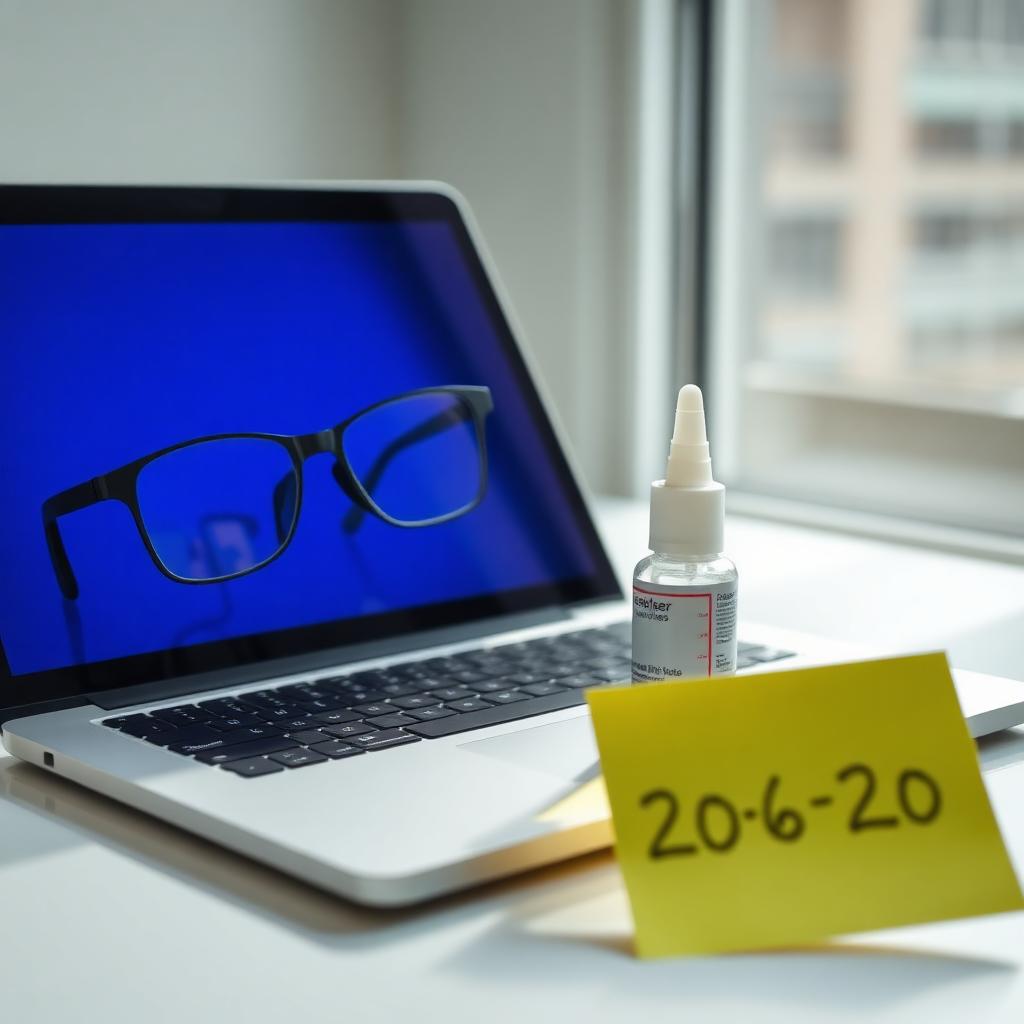
This simple yet effective rule is widely recommended by ophthalmologists. Every 20 minutes, look away from your screen at an object at least 20 feet away for at least 20 seconds. This brief break allows your eye muscles to relax and your eyes to re-lubricate, helping to prevent fatigue and dryness.
Optimize Your Workspace
Ergonomics play a vital role in eye comfort. Position your screen so that the top of the monitor is at or slightly below eye level, and it is about an arm's length (20-28 inches) away from your eyes. Ensure your chair provides good back support, and your feet are flat on the floor. Reduce glare by positioning your screen away from direct sunlight or bright overhead lights. Consider using anti-glare filters on your screen.
Adjust Screen Settings
Many devices offer settings that can enhance eye comfort:
- Brightness: Match your screen's brightness to the surrounding light. Too bright or too dim can strain your eyes.
- Text Size and Contrast: Increase text size to comfortably readable levels and ensure there's high contrast between text and background.
- Color Temperature: Blue light from screens has been a subject of concern. While its long-term effects on eye health are still being researched, reducing blue light exposure, especially in the evening, can improve sleep quality. Many devices have a 'night mode' or 'blue light filter' setting.
Prioritize Blinking and Hydration
Consciously try to blink more frequently when using screens. You might even place a sticky note on your monitor as a reminder. Staying well-hydrated by drinking enough water throughout the day also contributes to overall eye moisture and tear production.
Schedule Regular Eye Exams
Comprehensive eye examinations are crucial, especially for screen users. An optometrist or ophthalmologist can detect and correct any underlying vision problems, assess your risk for eye conditions, and provide personalized advice for managing digital eye strain. They can also recommend specific eyewear, such as computer glasses tailored for optimal viewing distance, if necessary.
Beyond the Screen: Healthy Habits
Maintaining overall health also benefits your eyes. A diet rich in omega-3 fatty acids, vitamins C and E, zinc, and lutein (found in leafy green vegetables, fatty fish, nuts, and eggs) supports eye health. Regular physical activity can improve blood circulation to the eyes, and protecting your eyes from UV radiation with sunglasses outdoors is always important.
By incorporating these simple yet effective strategies into your daily routine, you can significantly reduce the discomfort associated with prolonged screen use and preserve your vision for years to come. Your eyes work hard for you; give them the care they deserve.
Disclaimer: This article provides general information and is not a substitute for professional medical advice. Always consult with a qualified healthcare professional for any eye concerns or before making any decisions related to your health.
Related reading
- Managing Stress in Modern Life — Modern life often brings significant stress. This article explores practical, evidence-based strategies to effectively m…
- Travel Wellness Strategies — Discover practical, evidence-based strategies for maintaining your health and well-being while traveling, from immune su…
- Mental Wellness Routines — Cultivating mental well-being is an active process that benefits from consistent routines. This article explores practic…
- How to Prevent Workout Injuries — Discover essential strategies to prevent common workout injuries and maintain a safe, effective fitness routine. Learn h…
- Managing Screen Fatigue and Eye Strain — Frequent blinking, the 20-20-20 rule, and proper monitor distance reduce digital eye strain.
Written by
Health Hub Pro Editorial
Health writer at Health Hub Pro, focused on evidence-based, Sharia-conscious wellness.
View author profile →