Healthy Eating While Traveling
Discover practical strategies for maintaining a healthy diet while exploring new places. This guide helps you navigate food choices, stay hydrated, and manage portion sizes to feel your best on the go.

For informational purposes only. This article is educational and is not a substitute for professional medical advice, diagnosis, or treatment. Always consult a qualified healthcare provider about anything affecting your health. Read full disclaimer.
Introduction
Embarking on travel often signifies an exciting departure from routine, offering opportunities for new experiences, cultural immersion, and, frequently, culinary exploration. However, this shift in environment and schedule can also present challenges to maintaining established healthy eating patterns. The availability of unfamiliar foods, the demands of travel logistics, and the lure of indulgent options can easily derail one's nutritional goals. By integrating principles of proactive planning, mindful decision-making, and awareness of nutritional needs, individuals can navigate these challenges effectively. This guide provides evidence-based strategies to support healthy eating while traveling, ensuring that adventures are savored without compromising well-being. The aim is to empower travelers to make informed food choices that sustain energy levels, support digestive health, and contribute to an overall positive travel experience, rather than fostering feelings of sluggishness or discomfort.
What causes it (evidence-based)
Maintaining healthy eating habits while traveling can be challenging due to several interconnected factors that disrupt normal routines and increase exposure to less healthy options. Understanding these underlying causes can help travelers anticipate and mitigate potential nutritional pitfalls.
Changes in routine are a primary disruptor. Travel often involves altered sleep patterns, different meal times, and varying levels of physical activity. These deviations can impact circadian rhythms and appetite-regulating hormones, potentially leading to irregular eating or increased cravings for comfort foods. Studies have shown that disruptions to the body's internal clock can influence metabolic processes and food preferences (NIH).
The travel environment itself presents numerous challenges. Airport and roadside food options frequently lean towards convenience and processed items, which are often high in unhealthy fats, sugars, and sodium, and low in essential nutrients. These environments prioritize speed and shelf-stability over nutritional value. Similarly, dining out exclusively, which is common during travel, can lead to higher caloric intake. Restaurant meals often feature larger portion sizes, more added fats and sugars for flavor enhancement, and less control over ingredients compared to home-prepared meals (CDC). For example, a single restaurant meal can sometimes exceed an individual's caloric needs for an entire day.
Accessibility to healthy choices can be limited, particularly in remote areas or during transit. Fresh produce, whole grains, and lean protein sources may not be readily available or may come at a premium cost. This scarcity can push travelers towards less nutritious alternatives.
Cultural and social pressures also play a significant role. Trying local delicacies is a core part of the travel experience, and declining food offered by hosts or companions can feel impolite. While cultural exploration through food is encouraged, it requires mindful navigation to balance indulgence with nutritional goals. The desire to "treat oneself" during a vacation can lead to a relaxation of dietary standards, where occasional treats become routine over the course of a trip.
Stress associated with travel, including navigating unfamiliar places, managing itineraries, and dealing with potential delays, can also influence eating behaviors. Stress can lead to emotional eating or a preference for high-sugar, high-fat foods as a coping mechanism (AHA). Additionally, dehydration, often exacerbated by air travel and increased physical activity, can sometimes be mistaken for hunger, leading to unnecessary caloric intake.
Symptoms and warning signs
Recognizing the symptoms and warning signs of unhealthy eating patterns during travel can help individuals course-correct before minor issues become significant problems. These signs often manifest physically, emotionally, and in terms of energy levels.
Physical Symptoms:
- Digestive Discomfort: Bloating, gas, constipation, or diarrhea are common signs that your digestive system is struggling with new foods, different cooking methods, or an imbalance in fiber and hydration. Eating foods higher in fat or sugar than usual, or a sudden increase in processed foods, can disrupt gut flora.
- Changes in Weight: While short-term weight fluctuations are common, a noticeable increase or decrease could indicate a significant shift in caloric intake or nutrient absorption.
- Fatigue and Low Energy: Despite adequate rest, feeling persistently tired or sluggish can be a sign of insufficient nutrient intake (especially vitamins and minerals), excessive intake of refined sugars leading to energy crashes, or dehydration.
- Skin Issues: Breakouts, dull skin, or increased dryness can sometimes be linked to dietary changes, dehydration, or a lack of essential fatty acids and antioxidants.
- Headaches: Frequent headaches, especially if accompanied by thirst, can be a primary indicator of dehydration, often due to insufficient water intake and increased consumption of dehydrating beverages like alcohol or sugary drinks.
- Swelling: Edema in the hands, feet, or ankles can signal excessive sodium intake, which is common in processed foods and many restaurant meals.
Emotional and Mental Symptoms:
- Irritability or Mood Swings: Poor nutrition, especially fluctuating blood sugar levels, can impact mood and emotional stability. Lack of essential nutrients can also affect neurotransmitter function.
- Difficulty Concentrating: Brain fog or an inability to focus can stem from dehydration, insufficient complex carbohydrates, or excessive sugar leading to concentration dips.
- Guilt or Anxiety Around Food: Developing negative feelings about food choices, even during a trip, suggests a potential deviation from mindful eating practices and could lead to an unhealthy relationship with food.
Behavioral Warning Signs:
- Skipping Meals: Often done to "save" calories for a larger meal or due to a busy schedule, skipping meals can lead to overeating later and blood sugar imbalances.
- Excessive Snacking on Unhealthy Options: Constantly reaching for chips, cookies, or sugary drinks, especially when not genuinely hungry, indicates a reliance on convenience foods over nourishing options.
- Ignoring Hunger/Fullness Cues: Eating past satiety or ignoring initial hunger pangs can lead to over or under-eating.
- Reliance on Sugary Drinks or Caffeine: Using these to combat fatigue instead of addressing underlying nutritional or hydration needs.
When to see a clinician
While many common travel-related digestive and energy issues can be managed with dietary adjustments and hydration, certain symptoms warrant prompt medical attention. It's crucial to distinguish between minor discomforts and potential health concerns.
Immediate Medical Attention (Seek emergency care or urgent clinical evaluation if you experience):
- Severe Dehydration: Characterized by sunken eyes, reduced urination, extreme thirst, dizziness, confusion, or rapid heartbeat. This can be particularly dangerous for individuals in hot climates or those with underlying health conditions.
- Persistent Vomiting or Diarrhea: Especially if accompanied by high fever, severe abdominal pain, or blood in stool/vomit. This could indicate a serious infection (e.g., food poisoning, traveler's diarrhea) requiring diagnosis and treatment to prevent severe dehydration and electrolyte imbalance.
- Severe Allergic Reactions: Difficulty breathing, swelling of the face or throat, widespread hives, or a sudden drop in blood pressure after consuming food. Always carry prescribed allergy medications and seek emergency care if an allergic reaction occurs.
- Unusual or Severe Abdominal Pain: Intense, localized pain, especially if it worsens or is accompanied by fever, chills, or rigidity of the abdomen. This could indicate appendicitis, gallbladder issues, or other serious gastrointestinal conditions.
- Symptoms of Hypoglycemia (low blood sugar) in Diabetics: Severe shaking, confusion, altered mental state, or loss of consciousness.
- New Onset Chest Pain or Shortness of Breath: Particularly if associated with meals or exertion, as these could signal cardiovascular issues.
Consult a Clinician (Make an appointment or seek non-emergency medical advice if you experience):
- Persistent Digestive Issues: If bloating, gas, constipation, or diarrhea continue for more than a few days after returning to your regular routine, or if they significantly impair your quality of life during your trip. This could indicate an underlying intolerance, infection, or a need for specific dietary adjustments.
- Unexplained Weight Loss or Gain: Significant, unintentional weight changes that persist beyond the travel period should be investigated, as they can sometimes be signs of metabolic or other health issues.
- Chronic Fatigue or Low Energy: If travel fatigue extends long after your return, and you're consistently feeling lethargic despite adequate sleep and a healthy diet, a medical evaluation can rule out nutritional deficiencies (e.g., iron, B vitamins) or other conditions.
- Recurrent Headaches or Dizziness: If these symptoms persist even with adequate hydration and rest, they warrant clinical review to exclude other causes.
- Concerns about Food Safety: If you suspect you've consumed contaminated food and are experiencing mild but ongoing symptoms, or if you have specific concerns about exposure to pathogens.
- Pre-existing Conditions: Individuals with chronic diseases (e.g., diabetes, heart disease, ulcerative colitis, celiac disease) should consult their physician before travel for personalized advice on managing their diet, medications, and potential risks. This is especially important when traveling to areas with different food safety standards or limited access to specific ingredients.
It is always better to err on the side of caution when health concerns arise during travel, particularly in unfamiliar environments. Carrying travel insurance and knowing how to access medical care at your destination is also a prudent measure.
Treatment and management options
Managing healthy eating while traveling involves a combination of proactive strategies, mindful choices, and responsive adjustments. The focus is on preventing issues where possible and effectively addressing them when they arise.
Proactive Planning and Preparation:
- Research Your Destination: Before departure, investigate local food options, grocery stores, farmers' markets, and restaurants known for fresh, healthy choices. Look for accommodations with kitchenettes if self-catering is a priority.
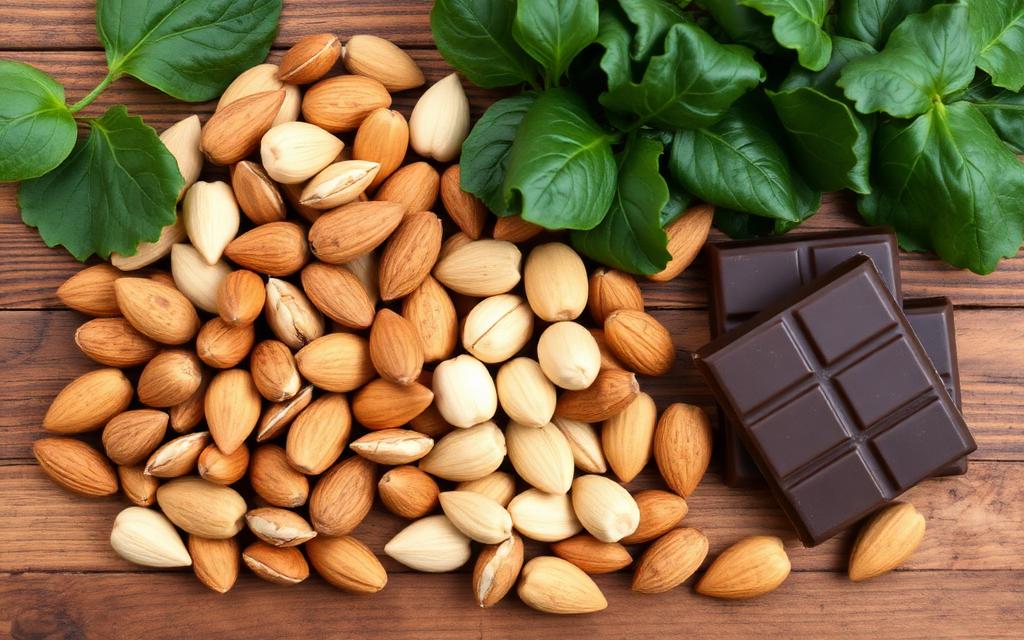
- Pack Smart Snacks: Carry a supply of non-perishable, nutrient-dense snacks to bridge gaps between meals or when healthy options are scarce. Examples include whole-grain crackers, nuts (ensure no allergies in travel companions or destination restrictions), seeds, dried fruit (in moderation), protein bars with minimal added sugars, and pre-portioned bags of air-popped popcorn (Mayo Clinic).
- Pre-portion Meals (if applicable): If you're on a road trip or staying in self-catering accommodation, preparing and freezing some healthy meals in advance can save time and ensure nutritious options are readily available.
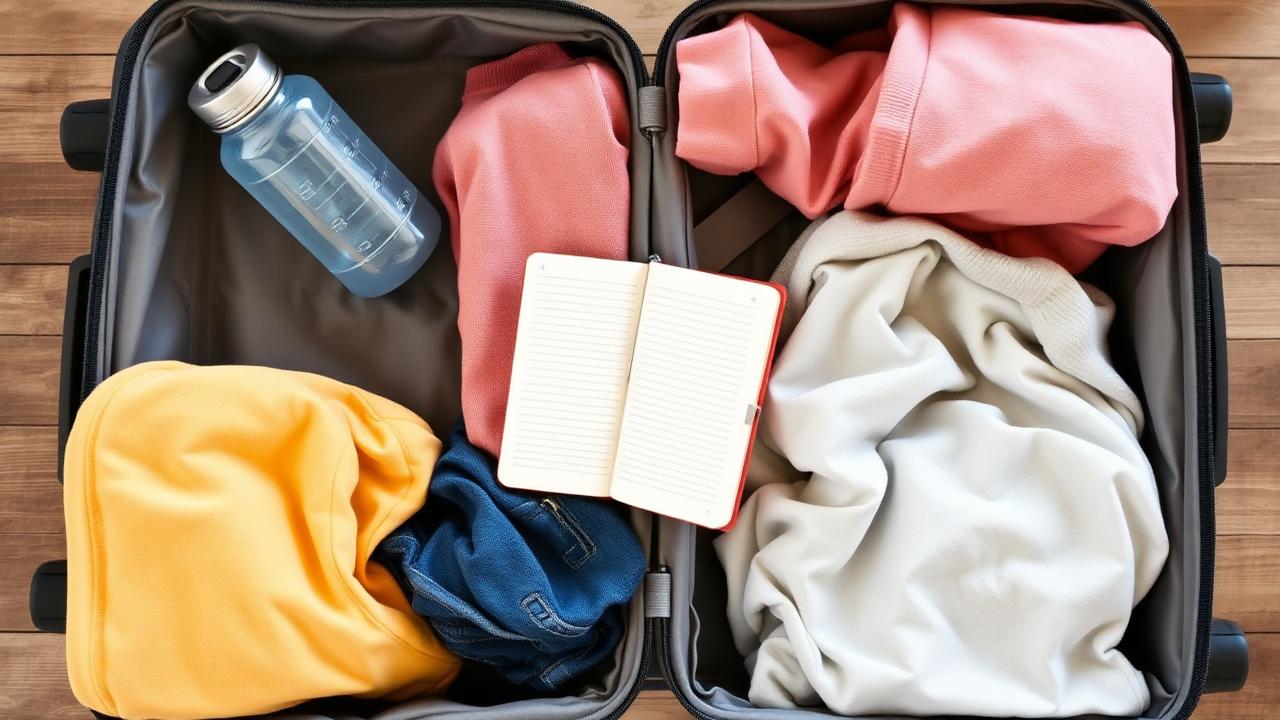
- Hydration Gear: Always carry a reusable water bottle. Consider a water filter bottle if traveling to regions where tap water quality is questionable, but check its efficacy for local pathogens (WHO).
Mindful Eating Strategies:
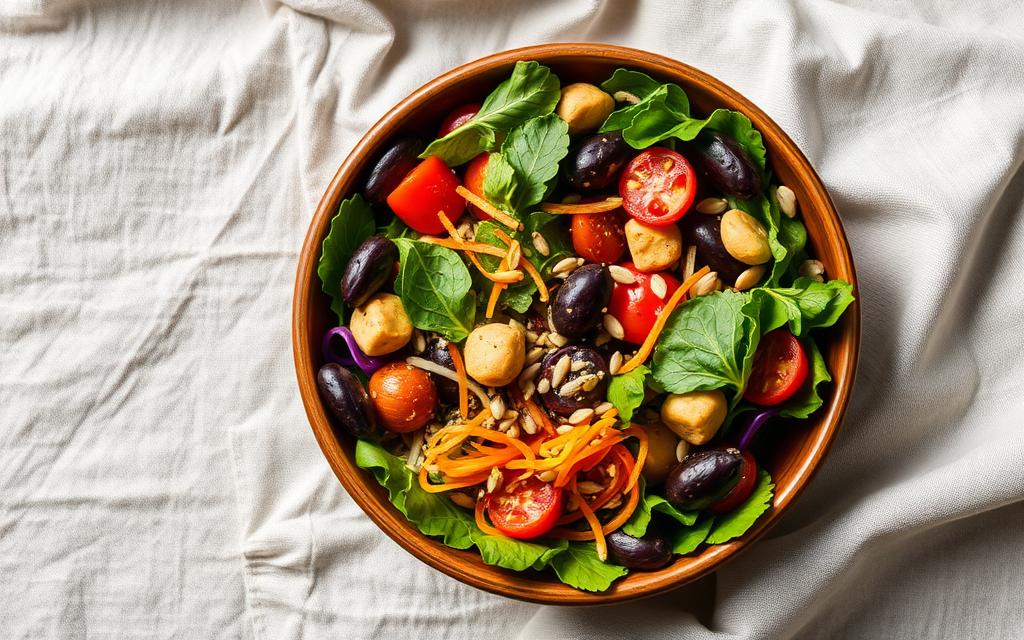
- Prioritize Whole Foods: When choosing meals, aim for options rich in fresh fruits, vegetables, lean proteins (chicken, fish, legumes), and whole grains. These provide sustained energy and essential nutrients (NIH).
- Navigate Restaurant Menus:
- Look for cooking methods like grilled, baked, steamed, broiled, or roasted, rather than fried or cream-based sauces.
- Request sauces and dressings on the side to control portion sizes and ingredients.
- Ask for extra vegetables or a side salad.
- Don't hesitate to customize dishes (e.g., "hold the cheese," "less oil").
- Be mindful of portion sizes; consider sharing or asking for a half portion.
- Stay Hydrated: Drink water consistently throughout the day, especially during flights, in hot climates, or during increased physical activity. Carry electrolyte packets if engaging in strenuous activity or in very hot conditions to replenish salts lost through sweat (AHA). Limit sugary drinks, excessive alcohol, and caffeine, which can contribute to dehydration.
- Eat Regularly: Avoid skipping meals, as this can lead to excessive hunger and overeating later. Aim for balanced meals and snacks at regular intervals to maintain stable blood sugar and energy levels.
- Listen to Your Body: Pay attention to hunger and fullness cues. Eat slowly, savoring your food, and stop when comfortably full, rather than overeating.
- Balance Indulgence: It's acceptable to enjoy local delicacies and special treats occasionally. The key is moderation and balance; aim for healthy choices most of the time, and don't let one indulgence derail your entire eating plan.
Addressing Specific Challenges:
- Food Safety: When eating street food or in less familiar settings, choose vendors with high turnover, hot food, and clean preparation areas. Opt for fruits that you can peel yourself. Avoid raw or undercooked meats, seafood, and unpasteurized dairy products (CDC).
- Dietary Restrictions/Allergies: Communicate your dietary needs clearly to restaurant staff, perhaps using translation apps or carrying translated cards. Research allergen information for common local dishes beforehand. Always carry necessary medications (e.g., EpiPen) if you have severe allergies.
- Managing Jet Lag: Hydration and sensible eating can help minimize jet lag. Avoid heavy meals close to bedtime.
- Alcohol Consumption: Moderate alcohol intake. Alcohol can be dehydrating and affect sleep quality, further impacting food choices.
- Snack Availability: If venturing to areas with limited healthy options, pack a more extensive supply of shelf-stable, nutrient-dense foods.
By implementing these strategies, travelers can maintain a balanced and nutritious diet, ensuring they have the energy and well-being to fully enjoy their experiences.
Prevention and daily habits
Preventing unhealthy eating habits during travel begins long before departure, integrating foresight with practical daily habits both at home and on the road.
Pre-Travel Habits:
- Establish a Strong Baseline: Before traveling, consistently practice healthy eating habits at home. This makes it easier to fall back on those routines even when disruptions occur.
- Practice Mindful Eating: Develop awareness of your hunger and fullness cues, and practice slowing down during meals. This skill is invaluable for navigating unfamiliar menus and portion sizes.
- Research Local Cuisine: Beyond just healthy options, understand the common ingredients and cooking methods in your destination's cuisine. This knowledge empowers you to make informed choices. For areas with limited diverse food choices, consider packing shelf-stable items like whole-grain pasta, instant oatmeal, or protein powder.
- Consult a Clinician/Dietitian: If you have specific dietary needs, allergies, or chronic conditions, discuss your travel plans with a healthcare professional or registered dietitian. They can provide personalized advice on managing your diet in different environments.
- Learn Essential Phrases: Knowing how to communicate dietary restrictions or ask about ingredients in the local language can prevent mishaps, especially for allergies.
Daily Habits During Travel:
- Hydrate Consistently: Make drinking water a non-negotiable habit. Carry a reusable water bottle and sip throughout the day. Start the day with water, and drink before and between meals (Mayo Clinic).
- Start with a Nutritious Breakfast: Prioritize a breakfast rich in protein and fiber to provide sustained energy. Options like eggs, plain yogurt with fruit, oatmeal, or whole-grain toast can set a positive tone for the day.
- Plan Meals and Snacks: Whenever possible, consider your meal opportunities for the day. If you know you'll have a busy afternoon without food, plan a heartier lunch or pack extra snacks.
- Prioritize Fiber: Ensure adequate fiber intake from fruits, vegetables, and whole grains to support digestive regularity, which can often be disrupted by travel.
- Balance Your Plate: Aim for a balance of lean protein, complex carbohydrates, and healthy fats at most meals. Prioritize a generous portion of vegetables.
- Walk or Stay Active: Incorporate physical activity into your daily routine. Walking to explore, taking stairs, or using hotel fitness facilities can help burn calories and regulate appetite.
- Sleep Adequately: Aim for consistent, sufficient sleep, as sleep deprivation can impact appetite-regulating hormones and increase cravings for unhealthy foods (NIH).
- Be Flexible, Not Strict: Understand that perfect eating may not always be feasible. Focus on making the best choices given the circumstances, and don't let occasional indulgences completely derail your efforts. Get back on track with the next meal.
- Wash Produce Thoroughly: When purchasing fresh fruits and vegetables from markets, always wash them thoroughly with safe water, or opt for fruits you can peel yourself (WHO).
By ingraining these preventive measures and daily habits, travelers can build resilience against the dietary challenges of being on the road, ensuring a health-supportive and enjoyable journey.
Frequently asked questions
What are the best non-perishable snacks to pack for a trip?
The best non-perishable snacks are nutrient-dense and easy to transport. Examples include hard-boiled eggs (if consumed quickly after cooking), nuts and seeds (such as almonds, walnuts, pumpkin seeds, and sunflower seeds), whole-grain crackers or bread, dried fruit (in moderation due to sugar content), protein bars with minimal added sugars, and pre-portioned bags of air-popped popcorn. Apples or oranges are also good options if you plan to eat them within a day or two. (Mayo Clinic)
How can I make healthy choices when dining out at restaurants in an unfamiliar place?
When dining out, look for cooking methods like grilled, steamed, baked, broiled, or roasted. Prioritize dishes with a significant portion of vegetables or salad. Don't hesitate to ask for sauces and dressings on the side to control portions and ingredients. Request substitutions, such as swapping fried sides for steamed vegetables. Opt for water as your primary beverage. If portion sizes are large, consider sharing a dish or asking for a to-go box for half your meal. (CDC)
How can I ensure I stay hydrated while traveling, especially during flights?
To stay hydrated, carry a reusable water bottle and refill it frequently whenever safe water sources are available. Drink water consistently throughout the day, not just when you feel thirsty. On flights, drink extra water due to the dry cabin air. Limit intake of dehydrating beverages like excessive alcohol, sugary drinks, and high-caffeine beverages. Consider adding electrolyte packets to water if you are in a hot climate or engaging in strenuous physical activity. (AHA)
What are some common pitfalls to avoid regarding healthy eating during travel?
Common pitfalls include skipping meals, which can lead to overeating later; relying too heavily on processed airport or roadside foods; excessive consumption of sugary drinks and alcohol; neglecting adequate hydration; and not checking for food safety in unfamiliar environments. Additionally, succumbing to the "vacation mentality" of constant indulgence without balance can quickly derail healthy habits. (WHO, CDC)
Is it okay to try local foods and indulge occasionally while trying to eat healthy during travel?
Yes, absolutely. Trying local cuisine is an enriching part of the travel experience. The key is balance and moderation. Enjoy local delicacies, but aim for healthy, balanced choices for the majority of your meals and snacks. Don't let occasional indulgences lead to guilt; simply return to your healthier habits with the next meal. Travel is about experiences, and mindful indulgence is part of that. (NIH)
Key takeaways
- Plan Ahead: Research food options, pack healthy snacks, and consider self-catering to maintain control over your diet.
- Prioritize Whole Foods: Opt for meals rich in fruits, vegetables, lean proteins, and whole grains to ensure nutrient intake and sustained energy.
- Stay Hydrated: Consistently drink water, especially during flights and in hot climates, and limit dehydrating beverages.
- Dine Out Smart: Choose grilled, baked, or steamed options; ask for dressings on the side; and be mindful of portion sizes.
- Be Flexible: Allow for occasional indulgences, but strive for balance and return to healthy habits with your next meal.
- Listen to Your Body: Pay attention to hunger and fullness cues, and don't hesitate to seek medical advice for persistent or severe symptoms.
Sources
- World Health Organization (WHO)
- Centers for Disease Control and Prevention (CDC)
- National Institutes of Health (NIH)
- American Heart Association (AHA)
- Cochrane Library
- Mayo Clinic
Related reading
- Travel Wellness Strategies — Discover practical, evidence-based strategies for maintaining your health and well-being while traveling, from immune su…
- Building Self Esteem — Discover how to cultivate a strong sense of self-worth and confidence. This article provides practical strategies for bu…
- Mindful Eating Practices — Discover how mindful eating can transform your relationship with food, promoting better digestion, weight management, an…
- Magnesium Sources Naturally — Discover how to naturally boost your magnesium intake through diet for better health. Learn about the best food sources …
- How to Create a Healthy Home — Transform your living space into a sanctuary of well-being with these practical, evidence-based tips for a healthy home …
Written by
Health Hub Pro Editorial
Health writer at Health Hub Pro, focused on evidence-based, Sharia-conscious wellness.
View author profile →