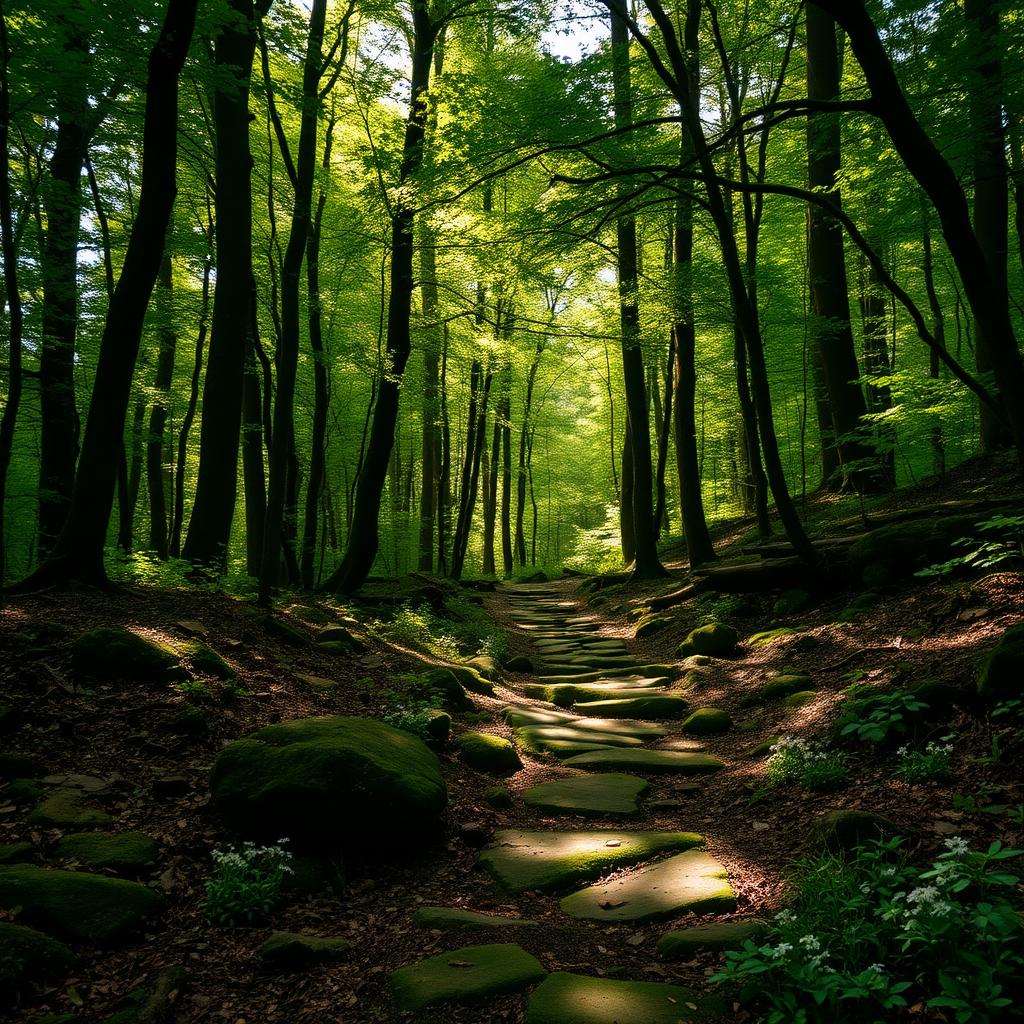
How Nature Supports Mental Health
Time in green spaces lowers cortisol, improves mood, and enhances attention — even brief walks help.
For informational purposes only. This article is educational and is not a substitute for professional medical advice, diagnosis, or treatment. Always consult a qualified healthcare provider about anything affecting your health. Read full disclaimer.
Introduction
The connection between human well-being and the natural world has been recognized across cultures for centuries. In recent years, scientific research has increasingly highlighted the tangible benefits of engaging with nature for mental health. From reducing stress hormones to improving cognitive function, spending time in green spaces offers a range of therapeutic advantages. This guide explores the evidence-based mechanisms through which nature supports mental health, outlines common symptoms that may benefit from nature engagement, and provides practical advice on integrating natural elements into daily life. It is important to remember that while nature offers profound benefits, it is not a substitute for professional medical advice or treatment.
What causes it (evidence-based)
The therapeutic effects of nature on mental health are multifaceted and backed by a growing body of scientific evidence. Several key mechanisms explain this connection:
Stress Reduction
Exposure to natural environments has been consistently linked to reduced physiological and psychological markers of stress. Studies have shown that spending time in green spaces can lower levels of cortisol, a primary stress hormone. This reduction in cortisol is often accompanied by a decrease in heart rate and blood pressure, indicating a more relaxed physiological state. The calming effects of nature are thought to stem from an innate human preference for natural environments, a concept known as biophilia. Engaging with sensory attributes of nature, such as the sounds of birds or rustling leaves, and the visual aesthetics of landscapes, can induce a state of relaxation and mental clarity. (National Institutes of Health)
Mood Improvement
Nature exposure can significantly enhance mood and reduce feelings of anxiety and depression. Walking in natural settings, often referred to as "forest bathing" or "shinrin-yoku," has been shown to decrease negative rumination and improve positive affect. The presence of trees and plants releases compounds called phytoncides, which some research suggests may have immunomodulating and mood-boosting effects. Furthermore, engaging in physical activity in natural environments combines the benefits of exercise with the therapeutic effects of nature, leading to greater improvements in mood compared to exercising in urban settings. (American Heart Association)
Cognitive Function Enhancement
Spending time in nature can improve cognitive functions such as attention, memory, and creativity. The "Attention Restoration Theory" (ART) suggests that natural environments allow for "soft fascination," which helps restore directed attention that is depleted by demanding tasks in urban settings. Unlike the hard fascination of urban stimuli, which requires effortful processing, nature provides a gentle engagement that allows the brain to recover. This restorative process can lead to improved ability to focus, better problem-solving skills, and enhanced creativity. Studies have demonstrated that even brief interactions with nature, such as viewing green scenery from a window, can positively impact cognitive performance. (National Institutes of Health)
Physical Activity Promotion
Natural spaces often provide appealing settings for physical activity, which is itself a powerful determinant of mental well-being. Parks, trails, and greenways encourage walking, running, cycling, and other outdoor activities. Regular physical activity has been linked to reduced symptoms of depression and anxiety, improved sleep quality, and enhanced self-esteem. When these activities are performed in natural environments, the benefits are often amplified, combining the physiological advantages of exercise with the psychological benefits of nature exposure. (Mayo Clinic)
Social Connection
Parks and natural areas serve as important community hubs, fostering social interaction and reducing feelings of isolation. Engaging in group activities like community gardening, hiking clubs, or simply sharing a park bench can strengthen social ties. Strong social connections are known to be protective against mental health challenges and contribute to overall well-being. (World Health Organization)
Symptoms and warning signs
While nature exposure can be broadly beneficial, certain symptoms and warning signs related to mental health may indicate that incorporating more nature into one's routine could be helpful, or that professional attention is warranted. It is crucial to understand that these are not diagnostic criteria but rather common indicators.
Persistent Feelings of Stress or Overwhelm
Feeling constantly stressed, overwhelmed, or unable to relax, even during leisure time, can be a sign of chronic stress. This may manifest as irritability, difficulty concentrating, muscle tension, or recurrent headaches. Engaging with nature has been shown to reduce physiological stress responses and promote relaxation.
Low Mood or Persistent Sadness
Experiencing a persistent low mood, loss of interest in activities once enjoyed, or feelings of sadness that linger for an extended period might suggest a need for interventions that support emotional well-being. While not a cure for depression, nature can be a valuable complementary tool for mood enhancement.
Difficulty Concentrating or Mental Fatigue
Frequent mental fatigue, difficulty focusing on tasks, or experiencing a general sense of "brain fog" can be indicative of cognitive overload or attention deficit. Natural environments, with their capacity for "soft fascination," can help restore directed attention and reduce cognitive fatigue.
Increased Anxiety or Nervousness
If you find yourself constantly worrying, feeling restless, or experiencing symptoms like a racing heart or shortness of breath in non-threatening situations, these could be signs of anxiety. The calming influence of natural settings can help alleviate these symptoms.
Sleep Disturbances
Difficulty falling asleep, staying asleep, or waking up feeling unrefreshed, particularly if not linked to a clear physical cause, can be related to mental distress. Regular exposure to natural light and physical activity in nature can help regulate circadian rhythms and improve sleep quality.
Social Withdrawal or Isolation
A tendency to withdraw from social interactions, feeling disconnected from others, or experiencing loneliness can negatively impact mental health. Public green spaces, community gardens, or outdoor group activities can provide opportunities for positive social engagement.
General Lack of Energy or Motivation
Feeling consistently lethargic, lacking motivation for daily tasks, or experiencing a decrease in overall vitality can be a subtle sign of mental health challenges. Physical activity in nature can boost energy levels and provide a sense of purpose.
If these symptoms are severe, persistent, or significantly interfere with daily life, it is essential to seek the advice of a qualified healthcare professional. Nature engagement can be a supportive measure, but it is not a substitute for clinical diagnosis and treatment.
When to see a clinician
While integrating nature into your daily routine can offer significant mental health benefits, it is crucial to recognize when professional medical guidance is necessary. Nature exposure is a complementary strategy and should not replace clinical assessment or treatment for mental health conditions.
You should consider seeing a clinician if you experience any of the following:
- Persistent or Worsening Symptoms: If feelings of sadness, anxiety, stress, or hopelessness are ongoing for more than a few weeks, despite efforts to manage them, or if they are intensifying.
- Significant Impairment in Daily Functioning: If your symptoms interfere with your work, school, relationships, or ability to manage daily tasks.
- Thoughts of Self-Harm or Harming Others: These are emergency situations. Seek immediate professional help by contacting an emergency service, a crisis hotline, or visiting the nearest emergency room.
- Sudden or Drastic Behavioral Changes: If friends, family, or colleagues express concern about noticeable changes in your behavior, mood, or personality.
- New or Unexplained Physical Symptoms: If you develop physical symptoms like chronic fatigue, sleep disturbances, digestive issues, or unexplained pains, which could be linked to mental health concerns or require medical evaluation.
- Existing Medical Conditions or Medications: If you have pre-existing medical conditions or are taking medications, as these can influence or be influenced by mental health and specific interventions. A clinician can advise on safe and appropriate strategies.
- Unsuccessful Self-Help Efforts: If you’ve tried various self-help strategies, including spending time in nature, and have not found relief.
A primary care physician can offer an initial assessment, rule out underlying physical causes, and provide referrals to mental health specialists such as psychiatrists, psychologists, or therapists. Early intervention can significantly improve outcomes for many mental health challenges.
Not Medical Advice: This information is for educational purposes only and does not constitute medical advice. Always consult with a qualified healthcare professional for diagnosis and treatment of any medical condition.
Treatment and management options
Incorporating nature into a mental health management plan can complement traditional treatments and offer significant benefits. These options range from structured therapeutic interventions to simple daily practices.
Ecotherapy and Nature-Based Interventions
Ecotherapy, also known as nature-based therapy or green therapy, is a growing field that utilizes various forms of interaction with nature to promote mental and physical well-being. These interventions are often facilitated by trained professionals and can include:
- Horticultural Therapy: Involves engaging in gardening and plant-related activities. It can improve mood, reduce stress, enhance social interaction, and provide a sense of purpose.
- Wilderness Therapy: Often involves guided expeditions in natural settings, focusing on personal growth, teamwork, and developing coping skills through challenges presented by the natural environment.
- Animal-Assisted Therapy: While not exclusively nature-based, it often involves interaction with animals in natural or semi-natural settings, fostering connection and reducing psychological distress.
- Forest Bathing (Shinrin-Yoku): A practice originating in Japan, it involves mindfully immersing oneself in the atmosphere of the forest. The emphasis is on sensory experiences, which can lead to reduced stress hormones, lower blood pressure, and improved mood. (World Health Organization)
Integration into Lifestyle
Beyond formal therapies, there are numerous ways to integrate nature into daily life for ongoing mental health support:
- Regular Visits to Green Spaces: Prioritize spending time in parks, gardens, forests, or any accessible natural area. Even short, frequent visits can be beneficial. Evidence suggests that spending at least 120 minutes per week in nature is associated with good health and well-being. (National Institutes of Health)
- Mindful Walking: Instead of simply exercising in nature, practice mindful walking by paying attention to the sights, sounds, smells, and textures of the natural environment. This can enhance present-moment awareness and reduce rumination.
- Bringing Nature Indoors: For those with limited outdoor access, incorporating natural elements into indoor spaces can still offer benefits. This includes houseplants, natural light, natural materials (wood, stone), and views of green spaces.
- Gardening: Engaging in gardening, whether in a backyard, community plot, or even container gardening on a balcony, provides physical activity, a sense of achievement, and regular contact with plants.
- Outdoor Hobbies: Pursue hobbies that naturally take you outdoors, such as birdwatching, nature photography, hiking, or simply reading a book on a park bench.
- Connection to Water: If possible, spend time near natural bodies of water like lakes, rivers, or the ocean. The "blue space" effect also contributes to relaxation and stress reduction. (National Institutes of Health)
Complementary Approaches
Nature engagement can also be combined with other evidence-based practices:
- Mindfulness and Meditation: Practicing mindfulness or meditation in a natural setting can deepen the experience and amplify the calming effects.
- Journaling: Reflecting on experiences in nature through journaling can help process emotions and reinforce positive observations.
- Physical Activity: Regular physical activity, especially when done outdoors, is a well-established treatment for mild to moderate depression and anxiety. (Mayo Clinic)
It is important to tailor these approaches to individual needs and preferences. While some individuals may thrive in adventurous wilderness settings, others may find peace in a quiet park or a potted plant. The key is consistent, intentional engagement with the natural world.
Prevention and daily habits
Proactive engagement with nature can serve as a powerful preventative measure against various mental health challenges and contribute significantly to overall well-being. Incorporating nature into daily habits doesn't require drastic lifestyle changes; even small, consistent actions can yield substantial benefits.
Schedule Regular "Green Time"
- Daily Dose: Aim for at least 20-30 minutes of dedicated time in a natural setting most days of the week. This could be a walk in a local park, sitting under a tree, or even tending to a small garden. Research suggests that around 120 minutes per week of nature contact is associated with good health and well-being. (National Institutes of Health)
- Morning Ritual: Start your day by stepping outside, even briefly. Exposure to natural light early in the day helps regulate circadian rhythms, which can improve sleep and mood.
- Lunch Break in Nature: Opt to eat lunch outdoors in a park or a green space if available, rather than staying indoors.
Mindful Engagement
- Engage Your Senses: When in nature, consciously try to engage all your senses. Notice the colors of the leaves, the sounds of birds, the scent of damp earth or blossoms, and the feeling of a breeze on your skin. This mindful awareness can heighten the experience and reduce mental clutter.
- Practice "Soft Fascination": Allow your attention to be gently drawn by natural elements without intense focus. Observe patterns in clouds, watch insects, or listen to the rustling of leaves. This non-demanding attention allows mental restoration.
Bring Nature Indoors
- Houseplants: Adorn your living and working spaces with houseplants. Studies suggest that interacting with indoor plants can reduce psychological and physiological stress.
- Natural Lighting: Maximize natural light penetration in your home and workspace. Position your desk near a window if possible, allowing you to glance outside frequently.
- Natural Decor: Incorporate natural materials like wood, stone, and natural fibers into your decor. Images or sounds of nature can also provide a subtle connection.
Combine Nature with Other Healthy Habits
- Outdoor Physical Activity: Take your exercise routine outdoors. Walk, run, cycle, or practice yoga in a park. This combines the benefits of physical activity with nature exposure.
- Outdoor Socializing: Instead of meeting friends indoors, suggest a walk in a park, a picnic by a lake, or a visit to a botanical garden. Social connection in nature can be particularly enriching.
- Mindfulness and Meditation: Practice mindfulness or meditation in a natural setting. The calm environment can enhance the effectiveness of these practices.
Cultivate a Green Outlook
- Learn About Nature: Develop an interest in local flora and fauna. Learning about your natural surroundings can foster a deeper connection and appreciation.
- Support Conservation: Engaging with environmental conservation efforts, even in small ways, can provide a sense of purpose and connection to the larger natural world.
Consistency is key. Even short, regular interactions with nature can accumulate significant benefits over time, acting as a buffer against stress and supporting a resilient mental state.
Frequently asked questions
What are the main benefits of spending time in nature for mental health?
Spending time in nature offers multiple benefits for mental health, primarily by reducing stress, improving mood, and enhancing cognitive function. It can lower cortisol levels, decrease feelings of anxiety and depression, and restore directed attention, making it easier to focus. Nature exposure also encourages physical activity and can foster social connection, both of which are vital for psychological well-being. (National Institutes of Health; Mayo Clinic)
How much time in nature is recommended to see mental health benefits?
Research suggests that spending at least 120 minutes per week in natural environments is associated with good health and well-being. These minutes can be accumulated in various ways, such as short daily walks, longer weekend excursions, or even mindful breaks in a local park. The key is consistent and intentional engagement with nature, rather than a single lengthy exposure. (National Institutes of Health)
Can urban green spaces provide the same benefits as wilderness areas?
Yes, urban green spaces like city parks, community gardens, and tree-lined streets can offer significant mental health benefits, although these may differ slightly from more remote wilderness experiences. Even brief exposure to urban nature can reduce stress, improve mood, and restore attention. While deep wilderness experiences might offer profound awe and disconnection from urban stressors, accessible urban green spaces are crucial for promoting daily well-being for many individuals. (American Heart Association)
Are there any specific activities in nature that are most beneficial for mental health?
While any form of interaction with nature is beneficial, activities that promote mindfulness and gentle physical activity tend to be particularly effective. Examples include "forest bathing" (Shinrin-Yoku), mindful walking where attention is paid to sensory details, gardening, and practicing yoga or meditation outdoors. The combination of mental engagement, sensory input, and physical movement seems to amplify the positive effects. (World Health Organization)
What if I don't have easy access to green spaces?
Even without easy access to large green spaces, you can still bring nature into your life. Consider cultivating houseplants or an indoor herb garden. Maximize natural light in your living and working areas. Spend time near windows that offer views of trees or green elements. Listening to nature sounds, viewing nature documentaries, or incorporating natural elements (wood, stone) into your decor can also provide subtle psychological benefits. Community gardens or urban greening initiatives may also offer opportunities for connection.
Key takeaways
- Nature Reduces Stress: Engaging with natural environments significantly lowers physiological stress markers like cortisol and reduces feelings of overwhelm.
- Improves Mood and Cognition: Time in green spaces is linked to enhanced mood, decreased anxiety and depression, and improved attention and focus.
- Promotes Physical Activity: Natural settings encourage outdoor exercise, combining the benefits of physical activity with nature exposure.
- Fosters Social Connection: Parks and green areas can serve as community hubs, enhancing social interaction and reducing isolation.
- Consistency is Key: Regular, even brief, interactions with nature accumulate significant mental health benefits over time. Aim for at least 120 minutes per week.
- Variety of Engagement: From formal ecotherapy to simple mindful walks or bringing plants indoors, there are numerous ways to connect with nature.
- Not a Substitute for Professional Care: While highly beneficial, nature engagement complements, rather than replaces, professional medical and mental health advice when symptoms are severe or persistent.
Sources
- World Health Organization (WHO): https://www.who.int/
- National Institutes of Health (NIH): https://www.nih.gov/
- American Heart Association (AHA): https://www.heart.org/
- Mayo Clinic: https://www.mayoclinic.org/
Related reading
- The Wellness Benefits of Nature Walks — Discover how regular nature walks can significantly boost your physical and mental well-being, from reducing stress to i…
- Digital Detox: Reclaiming Focus and Rest — Structured breaks from screens improve sleep, mood, and attention. Small daily boundaries beat rare week-long detoxes.
- Balance Training for All Ages — Balance work reduces fall risk, improves athletic performance, and supports joint health across the lifespan.
- How Journaling Reshapes Thought Patterns — Reflective journaling clarifies emotions, surfaces cognitive distortions, and supports therapy work.
- Managing Social Media Comparison — Curated feeds fuel comparison. Curated following, time limits, and mindful use reduce impact on self-worth.
Written by
Health Hub Pro Editorial
Health writer at Health Hub Pro, focused on evidence-based, Sharia-conscious wellness.
View author profile →Medically reviewed by
Dr. A. Rahman, MD
Board-certified in Internal Medicine
Last reviewed on