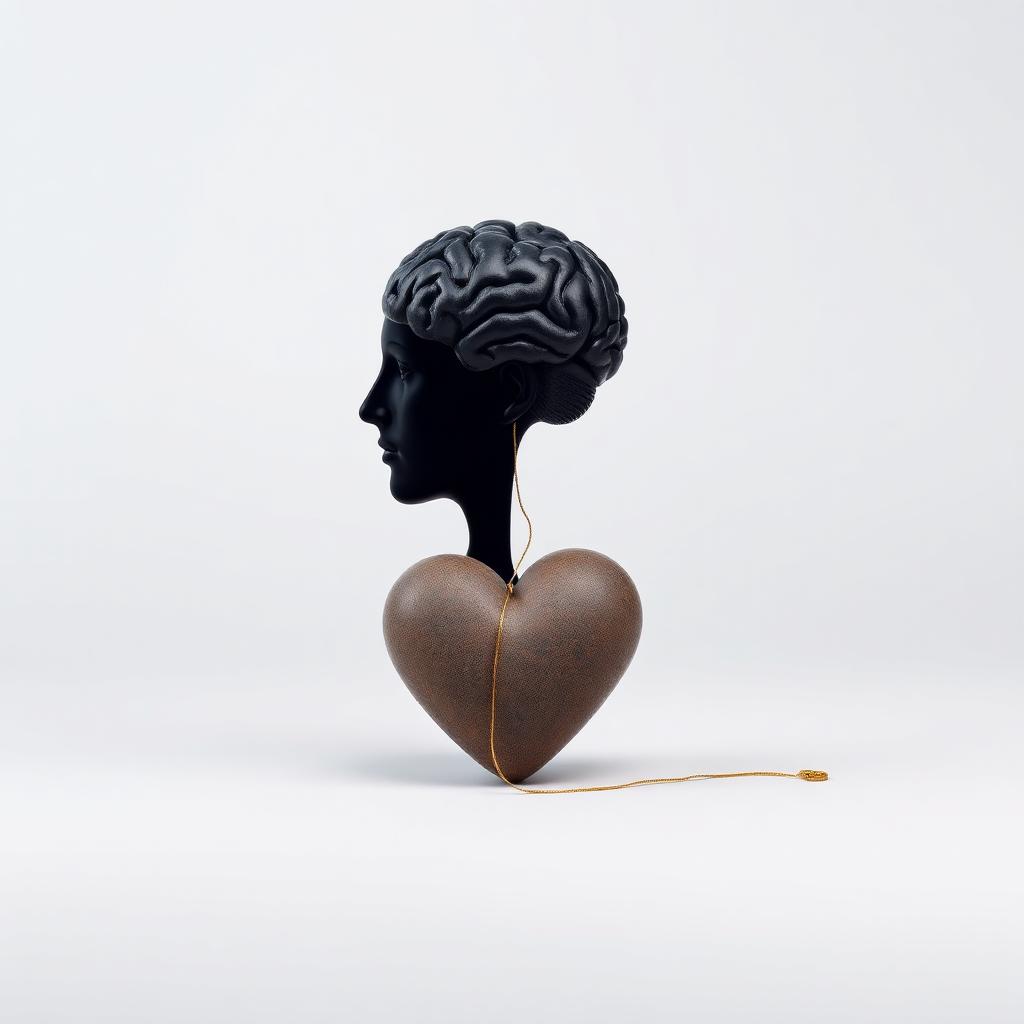
Understanding Depression Basics
Depression is a common, serious medical illness that negatively affects how you feel, think, and act. It's more than just feeling sad; it can lead to a variety of emotional and physical problems.

For informational purposes only. This article is educational and is not a substitute for professional medical advice, diagnosis, or treatment. Always consult a qualified healthcare provider about anything affecting your health. Read full disclaimer.
Understanding Depression Basics
Depression, also known as major depressive disorder or clinical depression, is a mood disorder that causes a persistent feeling of sadness and loss of interest. It affects how you feel, think, and behave, and can lead to a variety of emotional and physical problems. Unlike temporary feelings of sadness or grief that are a normal part of life, depression is an ongoing condition that requires specific intervention and care. It can significantly impact your daily life, affecting your work, relationships, and overall well-being.
What is Clinical Depression?
Clinical depression is a diagnosable medical illness, not a sign of personal weakness or something you can simply "snap out of." It's characterized by a combination of symptoms that interfere with a person's ability to work, sleep, study, eat, and enjoy once-pleasurable activities. These episodes can occur once or multiple times throughout a person's life. The underlying causes are complex and believed to involve a combination of genetic, biological, environmental, and psychological factors. Brain chemistry, specifically imbalances in neurotransmitters, is thought to play a significant role.
Recognizing the Symptoms
The symptoms of depression can vary in severity and duration, but they typically last for at least two weeks and interfere with daily functioning. Common signs and symptoms include:
- Persistent sad, anxious, or "empty" mood: A feeling of emptiness or deep sadness that doesn't go away.
- Loss of interest or pleasure in activities: Even hobbies or passions that were once enjoyed can feel unappealing.
- Changes in appetite or weight: Significant fluctuations in weight, either gain or loss, or changes in eating habits.
- Sleep disturbances: Insomnia (difficulty sleeping) or hypersomnia (sleeping too much).
- Loss of energy or increased fatigue: Feeling tired even after adequate rest, or experiencing a constant state of exhaustion.
- Increased purposeless physical activity (e.g., hand-wringing or pacing) or slowed movements and speech: Observable by others.
- Feelings of worthlessness or guilt: Persistent self-blame or feeling inadequate.
- Difficulty thinking, concentrating, or making decisions: Cognitive impairment affecting daily tasks.
- Thoughts of death or self-harm: These are serious symptoms that require immediate professional attention.
It's important to note that not everyone experiences every symptom, and the severity can differ from person to person.
Causes and Risk Factors
While the exact cause of depression isn't fully understood, research suggests a combination of factors contribute to its development:
- Biological differences: Changes in the brain's structure or function, including neurotransmitter imbalances.
- Brain chemistry: Neurotransmitters like serotonin, dopamine, and norepinephrine, which regulate mood, sleep, appetite, and behavior, may be disrupted.
- Hormones: Changes in the body's balance of hormones can trigger or cause depression.
- Inherited traits: Depression is more common in people whose blood relatives also have the condition, suggesting a genetic link.
- Life events: Traumatic or stressful events such as abuse, loss of a loved one, a difficult relationship, or financial problems can trigger depression in some individuals.
- Medical conditions: Certain chronic illnesses, such as thyroid problems, chronic pain, or heart disease, can increase the risk of depression.
- Substance use: Alcohol and drug abuse can both cause and worsen depressive symptoms.
Treatment Approaches
Depression is a highly treatable condition. The most effective treatment often involves a combination of medication and psychotherapy. Personal circumstances and the severity of symptoms guide the best approach.
- Psychotherapy (Talk Therapy): Different types of therapy, such as Cognitive Behavioral Therapy (CBT) or Interpersonal Therapy (IPT), can help individuals identify and change unhealthy thinking patterns and behaviors. Therapy provides coping strategies and problem-solving skills.
- Medication: Antidepressants can help balance brain chemistry. There are various types of antidepressants, and finding the right one often involves trial and error with a healthcare provider. It's important to take medication as prescribed and to never stop without consulting a doctor.
- Lifestyle Changes: Regular exercise, a healthy diet, adequate sleep, stress management techniques (like meditation or yoga), and maintaining social connections can significantly contribute to managing symptoms and promoting well-being.
- Brain Stimulation Therapies: For severe depression that hasn't responded to other treatments, options like electroconvulsive therapy (ECT), transcranial magnetic stimulation (TMS), or vagus nerve stimulation (VNS) may be considered.
Seeking help is a sign of strength, not weakness. With appropriate treatment, most people with depression experience significant improvement and can lead fulfilling lives.
Disclaimer: This article provides general information and is not a substitute for professional medical advice, diagnosis, or treatment. Always seek the advice of a qualified healthcare professional with any questions you may have regarding a medical condition.
Related reading
- The Mind Body Connection — Explore the profound link between our mental and physical health, revealing how emotional states impact bodily functions…
- Understanding Emotional Regulation — Emotional regulation combines awareness, acceptance, and skillful response — trainable through mindfulness and therapy.
- Coping With Grief and Loss — Grief is a natural response to loss, and understanding its complexities is crucial for healing. This article explores he…
- Understanding Anxiety and Coping — Anxiety is a common mental health condition characterized by feelings of worry, nervousness, or unease. This article exp…
- Fiber: Why It Matters More Than You Think — Fiber feeds beneficial gut bacteria and supports cholesterol, blood sugar, and satiety.
Written by
Health Hub Pro Editorial
Health writer at Health Hub Pro, focused on evidence-based, Sharia-conscious wellness.
View author profile →