Understanding Anxiety and Coping
Anxiety is a common mental health condition characterized by feelings of worry, nervousness, or unease. This article explores anxiety, its symptoms, and effective coping strategies to promote mental well-being.

For informational purposes only. This article is educational and is not a substitute for professional medical advice, diagnosis, or treatment. Always consult a qualified healthcare provider about anything affecting your health. Read full disclaimer.
Understanding Anxiety and Coping
Anxiety is a natural human emotion that everyone experiences from time to time. It's that feeling of apprehension or unease you might get before a big exam, a job interview, or a first date. However, when these feelings become persistent, excessive, and interfere with daily life, they may indicate an anxiety disorder. Understanding the nuances of anxiety, its manifestations, and effective coping mechanisms is crucial for maintaining mental well-being.
What is Anxiety?
Anxiety is a complex emotional state characterized by feelings of tension, worried thoughts, and physical changes like increased blood pressure. It's the body's natural 'fight-or-flight' response, designed to protect us from perceived threats. In appropriate situations, this response is beneficial. For instance, feeling anxious before crossing a busy street can make you more cautious. However, in an anxiety disorder, this response becomes overactive, triggered by situations that pose little or no real danger.
There are several types of anxiety disorders, each with unique features, including:
- Generalized Anxiety Disorder (GAD): Persistent and excessive worry about everyday things, even when there's no clear reason for concern.
- Panic Disorder: Sudden, unexpected episodes of intense fear accompanied by physical symptoms like heart palpitations, shortness of breath, or dizziness.
- Social Anxiety Disorder (Social Phobia): Intense fear of social situations, leading to avoidance and significant distress.
- Specific Phobias: Intense fear of a specific object or situation, such as heights, enclosed spaces, or certain animals.
Common Symptoms of Anxiety
Anxiety manifests differently in individuals, but common symptoms can be categorized into emotional, physical, and behavioral aspects:
- Emotional Symptoms: Feelings of dread, constant worrying, irritability, restlessness, difficulty concentrating, feeling on edge.
- Physical Symptoms: Rapid heart rate, shortness of breath, sweating, trembling, muscle tension, headaches, digestive problems (nausea, diarrhea), fatigue, sleep disturbances.
- Behavioral Symptoms: Avoidance of situations that trigger anxiety, changes in eating habits, difficulty making decisions, difficulty with daily tasks due to worry.
It's important to note that experiencing a few of these symptoms occasionally does not necessarily mean you have an anxiety disorder. The key is the persistence, intensity, and impact on your daily functioning.
Effective Coping Strategies
Managing anxiety involves a combination of self-help techniques, lifestyle adjustments, and, for some, professional intervention. Here are several evidence-based strategies:
1. Mindfulness and Relaxation Techniques
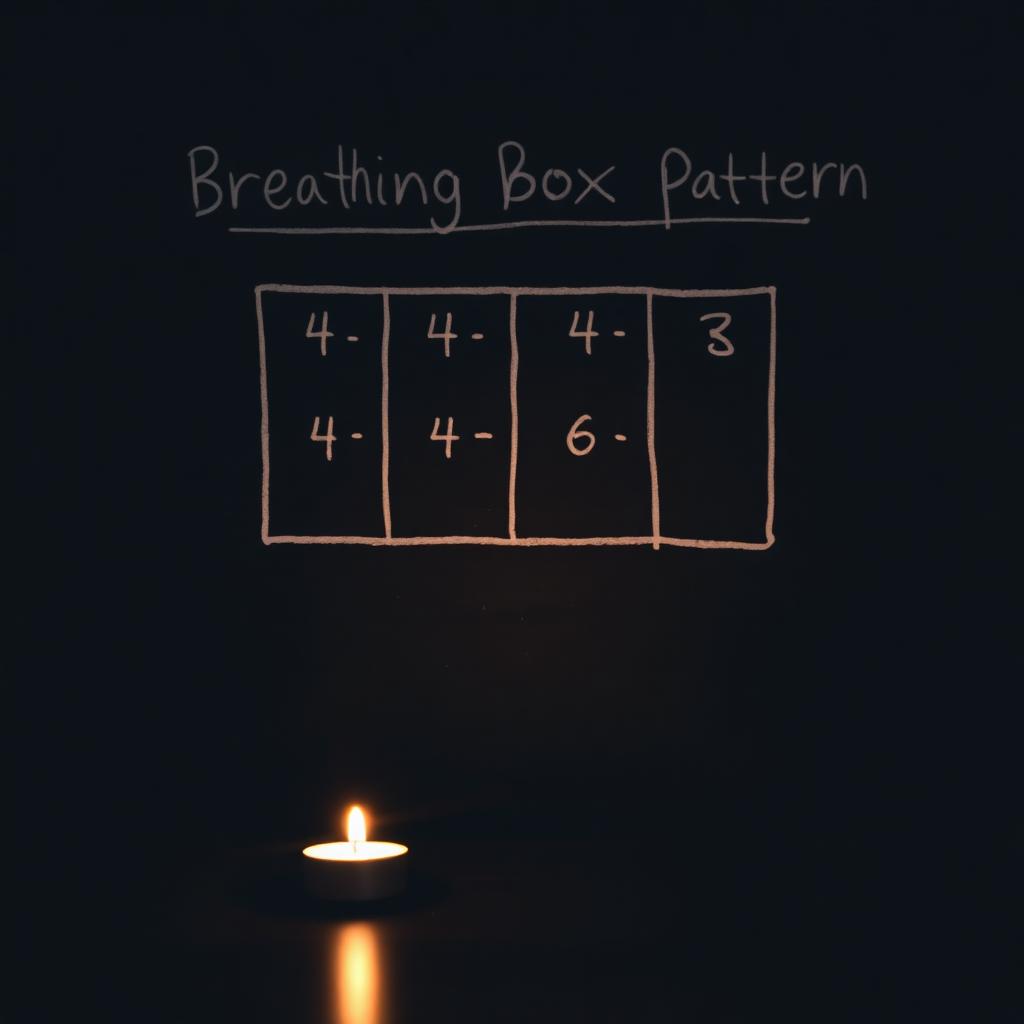
Practices like deep breathing exercises, meditation, and progressive muscle relaxation can help calm your nervous system. Focusing on the present moment and observing your thoughts without judgment can reduce the intensity of anxious feelings.
2. Regular Physical Activity
Exercise is a powerful stress reliever. Physical activity releases endorphins, which have mood-boosting effects. Aim for at least 30 minutes of moderate-intensity exercise most days of the week. Activities like walking, jogging, cycling, or yoga can be particularly beneficial.
3. Balanced Diet and Limiting Stimulants
Nourishing your body with a balanced diet rich in fruits, vegetables, and whole grains can positively impact your mental state. Limiting caffeine and alcohol intake is also crucial, as these substances can exacerbate anxiety symptoms.
4. Prioritize Sleep
Lack of sleep can heighten anxiety. Aim for 7-9 hours of quality sleep per night. Establish a consistent sleep schedule, create a relaxing bedtime routine, and ensure your sleep environment is conducive to rest.
5. Challenge Negative Thoughts
Anxiety often involves a cycle of negative thinking. Cognitive Behavioral Therapy (CBT) techniques can help you identify and challenge irrational or catastrophic thoughts. Ask yourself: "Is this thought realistic? What's the evidence for it? What's a more balanced perspective?"
6. Build a Support System
Connecting with trusted friends, family, or support groups can provide comfort and perspective. Sharing your feelings can reduce feelings of isolation and offer new coping ideas.
7. Time Management and Goal Setting
Feeling overwhelmed can trigger anxiety. Breaking down large tasks into smaller, manageable steps, prioritizing responsibilities, and setting realistic goals can reduce feelings of being swamped.
8. Seek Professional Help
If anxiety significantly impacts your daily life, seeking professional help is a sign of strength. Therapists, particularly those trained in CBT or exposure therapy, can provide tailored strategies. In some cases, medication prescribed by a psychiatrist or doctor may be a helpful component of treatment.
Conclusion
Anxiety is a prevalent and treatable condition. By understanding its nature, recognizing its symptoms, and actively engaging in effective coping strategies, individuals can regain control and improve their mental well-being. Remember that managing anxiety is a journey, and progress, not perfection, is the goal.
Disclaimer: This article is for informational purposes only and does not constitute medical advice. If you are experiencing symptoms of anxiety, please consult with a qualified healthcare professional for diagnosis and personalized treatment.
Related reading
- Recognizing Signs of Burnout — Recognizing the signs of burnout is crucial for maintaining mental well-being and preventing long-term health issues. Th…
- Connecting With Community — Discover how fostering strong community connections can significantly enhance mental well-being, reduce feelings of isol…
- Mental Wellness Routines — Cultivating mental well-being is an active process that benefits from consistent routines. This article explores practic…
- The Mind Body Connection — Explore the profound link between our mental and physical health, revealing how emotional states impact bodily functions…
- Breathing Exercises for Anxiety — Discover simple yet powerful breathing exercises that can significantly reduce anxiety. Learn how to incorporate these t…
Written by
Health Hub Pro Editorial
Health writer at Health Hub Pro, focused on evidence-based, Sharia-conscious wellness.
View author profile →