Kidney Health Basics
Learn the fundamentals of kidney health, including their vital functions, common risk factors for kidney disease, and actionable strategies for prevention through lifestyle choices.
For informational purposes only. This article is educational and is not a substitute for professional medical advice, diagnosis, or treatment. Always consult a qualified healthcare provider about anything affecting your health. Read full disclaimer.
Kidney Health Basics: Nurturing Your Body's Filters
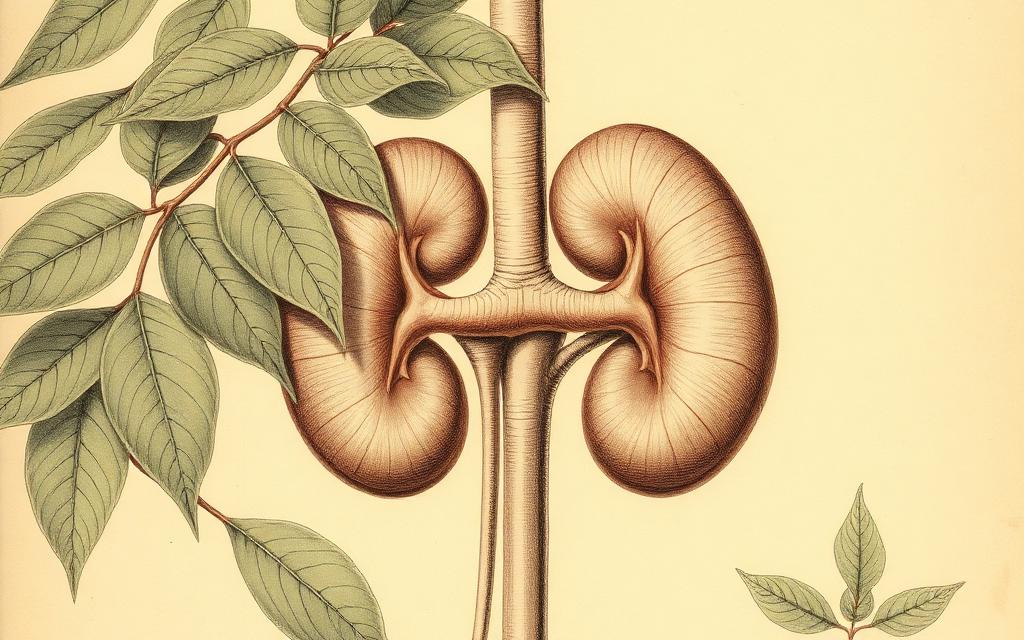
Your kidneys are two bean-shaped organs, each about the size of your fist, located just below your rib cage on either side of your spine. Though small, they perform a myriad of vital functions essential for life. Understanding their role and how to care for them is a cornerstone of preventive health.
The Indispensable Role of Your Kidneys
Kidneys are true workhorses, processing about 120-150 quarts of blood daily to produce 1-2 quarts of urine. Their functions extend far beyond simply filtering waste. Here's a breakdown of their primary roles:
- Filtering Waste and Toxins: They remove waste products, excess salts, and water from your blood, which are then excreted as urine. This process prevents the accumulation of harmful substances in your body.
- Fluid Balance Regulation: Kidneys meticulously adjust the amount of water leaving your body, maintaining a healthy balance of fluids and electrolytes.
- Blood Pressure Control: They produce hormones that help regulate blood pressure, an essential factor in cardiovascular health.
- Red Blood Cell Production: Kidneys produce erythropoietin, a hormone that stimulates the bone marrow to make red blood cells, which carry oxygen throughout the body.
- Bone Health: They activate vitamin D, which is crucial for calcium absorption and healthy bones.
- Acid-Base Balance: Kidneys maintain the body's pH balance, ensuring optimal function of enzymes and other biochemical processes.
Understanding Kidney Disease and Its Risk Factors
Kidney disease often progresses silently, with many individuals unaware they have it until it reaches advanced stages. Chronic kidney disease (CKD) affects millions globally and can lead to kidney failure, requiring dialysis or a kidney transplant. Identifying and addressing risk factors is crucial for prevention.
Key risk factors include:
- Diabetes: Uncontrolled blood sugar levels can damage the tiny blood vessels in the kidneys over time.
- High Blood Pressure (Hypertension): Prolonged high blood pressure can narrow and weaken the blood vessels in the kidneys, impairing their ability to filter blood effectively.
- Heart Disease: There is a strong bidirectional relationship between heart disease and kidney disease, meaning one can often lead to the other.
- Family History of Kidney Disease: Genetics play a role, so if a close family member has kidney disease, your risk may be higher.
- Obesity: Obesity is a risk factor for both diabetes and high blood pressure, thereby increasing kidney disease risk.
- Smoking: Tobacco use can damage blood vessels, reducing blood flow to the kidneys.
- Age: The risk of kidney disease increases with age.
- Certain Medications: Long-term use of some medications, especially high doses of nonsteroidal anti-inflammatory drugs (NSAIDs) like ibuprofen, can harm the kidneys.
Practical Steps for Kidney Protection
Protecting your kidneys involves adopting a kidney-friendly lifestyle. Many of these recommendations also promote overall health and well-being.
1. Maintain a Healthy, Balanced Diet
- Reduce Sodium Intake: Excessive sodium can raise blood pressure. Aim for fresh, unprocessed foods and limit packaged and restaurant meals.
- Limit Processed Foods and Sugary Drinks: These contribute to weight gain, diabetes, and high blood pressure.
- Consume a Variety of Fruits and Vegetables: These provide essential vitamins, minerals, and antioxidants.
- Choose Lean Proteins: Opt for poultry, fish, beans, and lentils instead of excessive red and processed meats.
2. Stay Well-Hydrated
Drinking enough water helps your kidneys clear sodium, urea, and toxins from the body. Adequate hydration also reduces your risk of developing painful kidney stones. Consult your doctor for personalized fluid intake recommendations, especially if you have pre-existing kidney conditions.
3. Exercise Regularly
Regular physical activity helps control blood pressure, manage blood sugar levels, and maintain a healthy weight – all factors that reduce stress on your kidneys. Aim for at least 150 minutes of moderate-intensity aerobic activity each week.
4. Monitor Blood Pressure and Blood Sugar
If you have high blood pressure or diabetes, work closely with your healthcare provider to manage these conditions effectively. Regular monitoring, medication adherence, and lifestyle adjustments are crucial in preventing kidney damage.
5. Be Mindful of Medication Use
While important for pain relief, excessive or long-term use of NSAIDs can harm your kidneys. Always follow dosage instructions and consult your doctor or pharmacist about over-the-counter pain relievers, especially if you have existing kidney concerns. Avoid unprescribed herbal remedies or supplements that claim to clean your kidneys, as some can be harmful.
6. Avoid Smoking
Smoking restricts blood flow to your kidneys and can worsen kidney disease. Quitting smoking is one of the most impactful steps you can take for your kidney health and overall well-being.
7. Get Regular Check-ups
Annual physicals are important for detecting early signs of kidney issues, especially if you have risk factors. Simple blood and urine tests can reveal how well your kidneys are functioning.
By taking proactive steps to protect your kidneys, you contribute significantly to your long-term health and vitality. These organs are resilient, but consistent care is key to their continued optimal function.
Disclaimer: This article provides general health information and is not a substitute for professional medical advice. Always consult with a qualified healthcare professional for any health concerns or before making any decisions related to your health or treatment.
Related reading
- Heart Disease Risk Factors — Understanding and managing heart disease risk factors is crucial for preventive care. Learn about controllable and uncon…
- Skin Cancer Prevention Basics — Daily SPF, shade, protective clothing, and annual skin checks reduce risk.
- Building a Wellness Support System — Discover how to build a robust wellness support system that encompasses social connections, professional guidance, and s…
- How to Prevent Workout Injuries — Discover essential strategies to prevent common workout injuries and maintain a safe, effective fitness routine. Learn h…
- Gut Health and Disease Prevention — A healthy gut is crucial for overall well-being, playing a pivotal role in immune function, nutrient absorption, and the…
Written by
Health Hub Pro Editorial
Health writer at Health Hub Pro, focused on evidence-based, Sharia-conscious wellness.
View author profile →