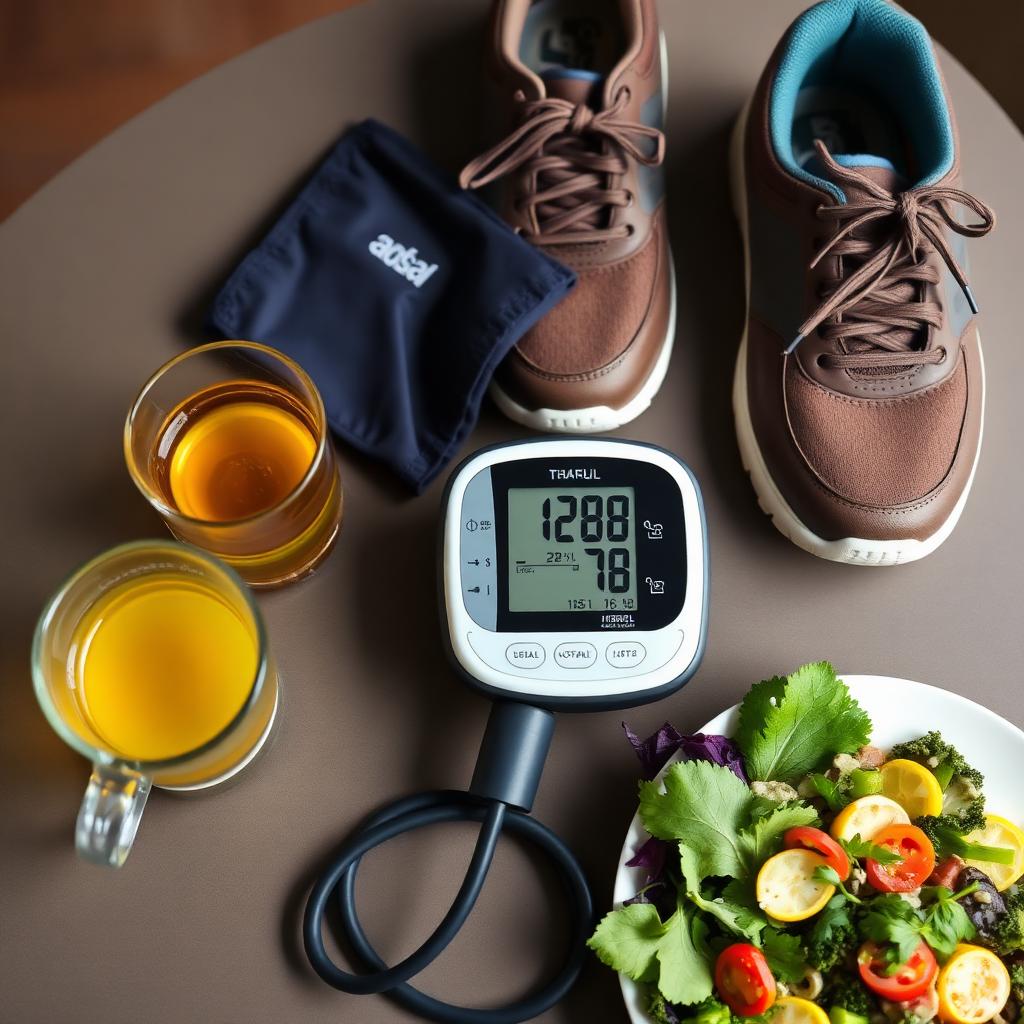
Screenings, conditions, and clinical guidance.
Adults benefit from flu, Tdap, shingles, pneumococcal, and other vaccines. Talk with your clinician.
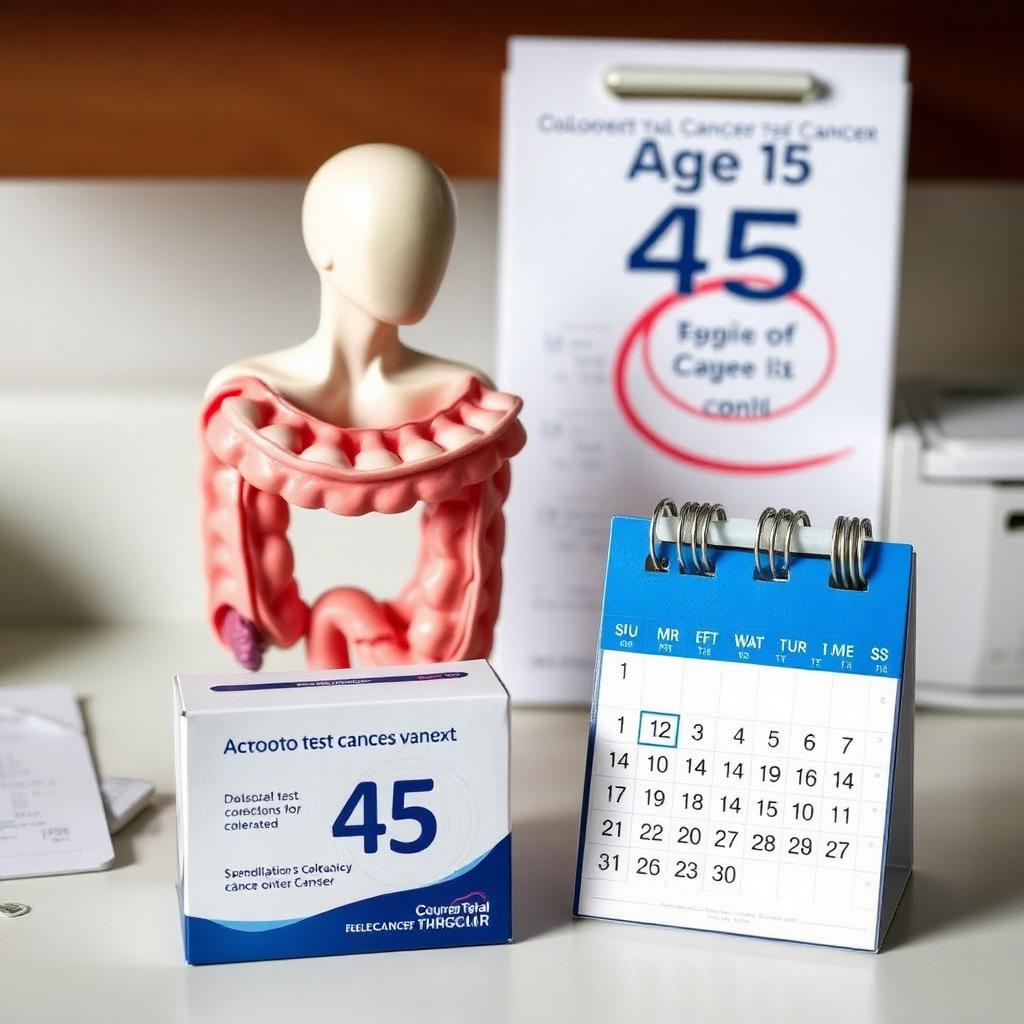
Cholesterol, blood pressure, colorectal cancer, and other screenings become important after 40.
Screening starts at 45 for most adults. Options range from stool tests to colonoscopy.
Oral health is linked to cardiovascular and metabolic health. Brushing, flossing, and cleanings matter.
Weight management, activity, sleep, and diet quality strongly reduce type 2 diabetes risk.
Daily SPF, shade, protective clothing, and annual skin checks reduce risk.
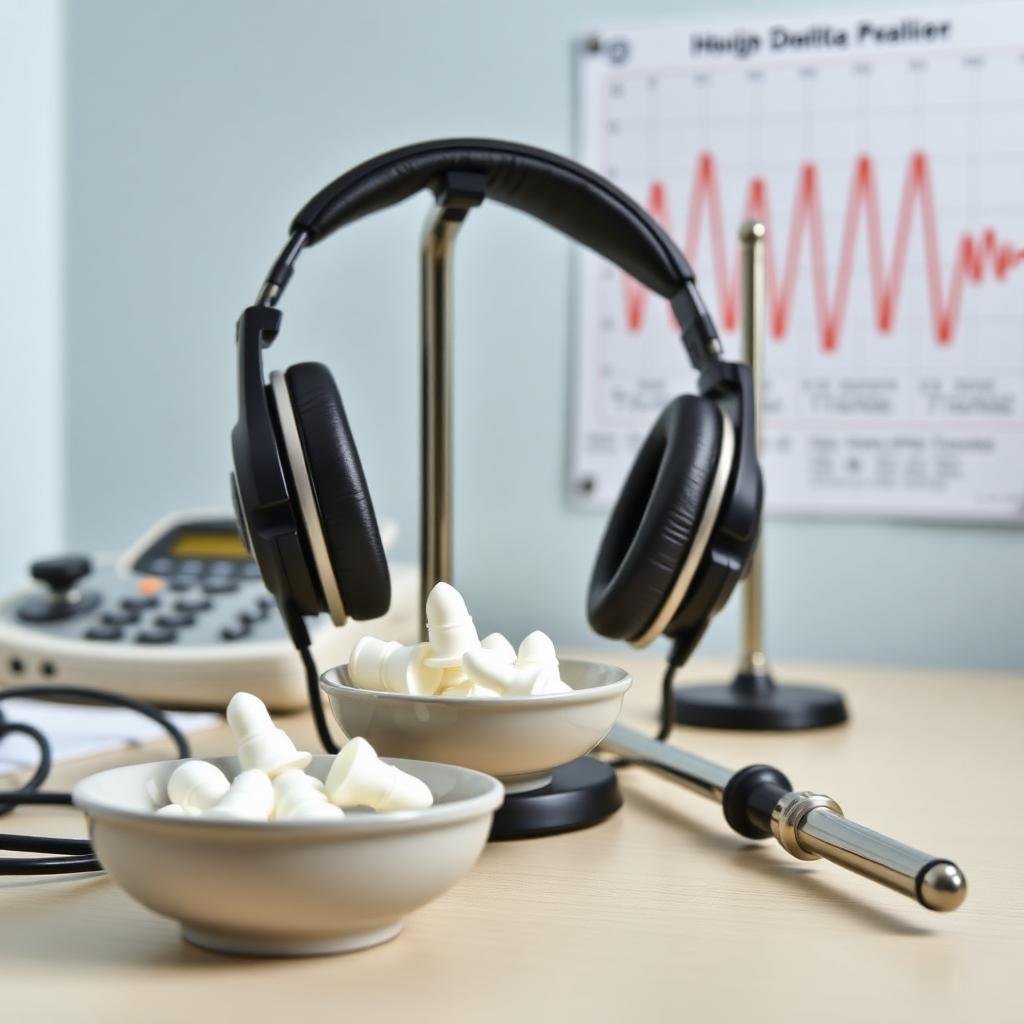
Noise-induced hearing loss is preventable. Volume limits and hearing protection make a lifelong difference.
Preventive care needs shift by decade: reproductive health, bone density, cardiovascular screening, and cancer screenings.
LDL, HDL, triglycerides, and non-HDL each tell part of the cardiovascular risk story.
Weight-bearing exercise, adequate protein, calcium, and vitamin D support lifelong bone strength.
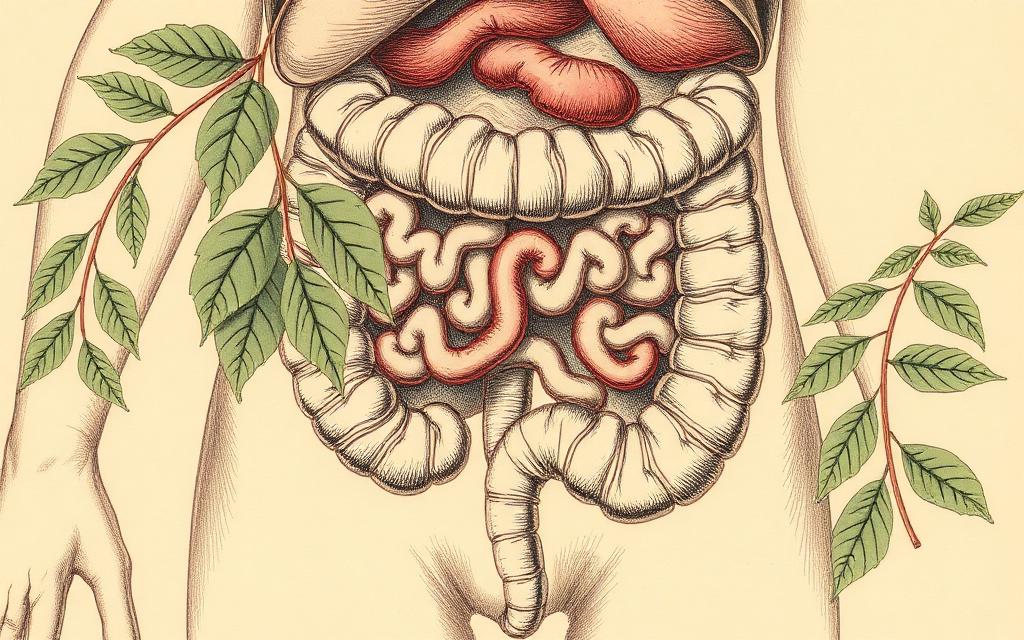
A healthy gut is crucial for overall well-being, playing a pivotal role in immune function, nutrient absorption, and the prevention of chronic diseases.
Learn the fundamentals of kidney health, including their vital functions, common risk factors for kidney disease, and actionable strategies for prevention through lifestyle choices.
Understanding your Body Mass Index (BMI) is a starting point for assessing your weight status and potential health risks. Learn what BMI means, its limitations, and how it fits into a comprehensive health assessment.
Falls are a leading cause of injury and disability in older adults. This article offers evidence-based strategies for preventing falls, promoting safety and independence.
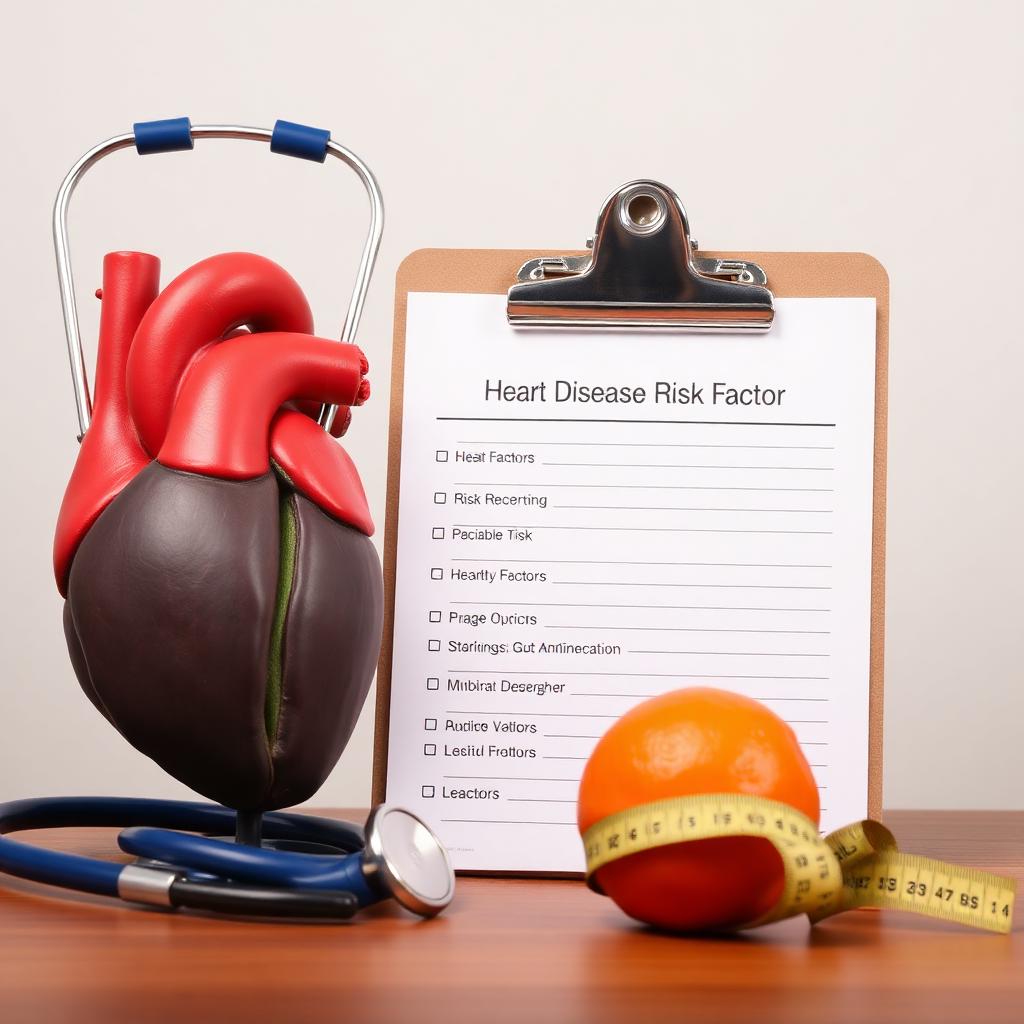
Understanding and managing heart disease risk factors is crucial for preventive care. Learn about controllable and uncontrollable factors to protect your cardiovascular health.
The Diabetes Prevention Program changed medicine. Here's what it found, and the modern tools that build on it.
Cutting through the clinic ads — what actually drops with age, what symptoms suggest a real problem, and the lifestyle levers that work.
From DASH to potassium to sleep apnea — the lifestyle moves that match a low-dose medication for many people.
 Health Hub ProYour Trusted Health & Wellness Hub BrowseHealth Hub ProYour Trusted Health & Wellness Hub Browse