Hearing Health: Prevention and Screening
Noise-induced hearing loss is preventable. Volume limits and hearing protection make a lifelong difference.
For informational purposes only. This article is educational and is not a substitute for professional medical advice, diagnosis, or treatment. Always consult a qualified healthcare provider about anything affecting your health. Read full disclaimer.
Introduction
Hearing is a vital sense that connects individuals to their environment, facilitates communication, and enriches daily life. However, hearing can be profoundly affected by various factors, with noise-induced hearing loss (NIHL) being a significant and largely preventable cause. This pillar piece explores the complexities of hearing health, focusing on the evidence-based causes, symptoms, prevention strategies, and treatment options. Understanding these aspects empowers individuals to make informed decisions and adopt practices that safeguard their hearing throughout their lives. Regular screening and timely intervention are crucial for maintaining auditory function and overall well-being.
What causes it (evidence-based)
Noise-induced hearing loss (NIHL) occurs when delicate structures in the inner ear are damaged by exposure to loud sounds. The World Health Organization (WHO) and the Centers for Disease Control and Prevention (CDC) highlight several key mechanisms and sources contributing to NIHL.
Exposure to loud noise
Loud noises, particularly prolonged or repeated exposure, can damage the hair cells in the cochlea, which are responsible for converting sound waves into electrical signals for the brain. Once damaged, these hair cells do not regenerate, leading to permanent hearing loss. Sound intensity is measured in decibels (dB). Regular exposure to sounds at or above 85 dB for extended periods, or even brief exposure to very high decibel levels (e.g., above 120 dB), can cause damage. Common sources include:
- Occupational noise: Construction, manufacturing, agriculture, military, and music industries often expose workers to hazardous noise levels.
- Recreational noise: Concerts, sporting events, firearms, power tools, motorcycles, and personal listening devices (earbuds/headphones) used at high volumes.
- Impulse noise: Sudden, very loud sounds like explosions, fireworks, or gunshots can cause immediate and severe damage.
Ototoxic medications
Certain medications can have adverse effects on the ear, leading to temporary or permanent hearing loss, tinnitus (ringing in the ears), or balance disturbances. These are known as ototoxic medications. The American Speech-Language-Hearing Association (ASHA) identifies several classes of drugs with ototoxic potential, including:
- Aminoglycoside antibiotics: Such as gentamicin, tobramycin, and amikacin, often used to treat severe bacterial infections.
- Certain chemotherapy agents: Including cisplatin and carboplatin.
- Loop diuretics: Like furosemide, especially when administered intravenously in high doses.
- High doses of aspirin and other nonsteroidal anti-inflammatory drugs (NSAIDs): While often temporary, prolonged use can have effects.
- Quinine: Used to treat malaria and leg cramps.
Age-related hearing loss (Presbycusis)
Presbycusis is the gradual loss of hearing that occurs as people age. It is a common condition, affecting approximately one-third of people aged 65 to 74 and nearly half of those 75 and older, according to the National Institute on Deafness and Other Communication Disorders (NIDCD). This type of hearing loss is typically sensorineural, meaning it involves damage to the inner ear or the nerve pathways to the brain. While aging is the primary factor, cumulative exposure to noise, genetics, and other health conditions can accelerate or exacerbate presbycusis.
Genetic factors
Genetics play a significant role in an individual's susceptibility to hearing loss. Some people are born with genetic predispositions that make them more vulnerable to NIHL or age-related hearing loss. Genetic mutations can affect the development and function of the inner ear structures or the metabolic processes within the ear. Family history of hearing loss can indicate an increased genetic risk.
Medical conditions
Several medical conditions can contribute to hearing loss:
- Ménière's disease: An inner ear disorder that causes episodes of vertigo, tinnitus, hearing loss, and a feeling of fullness in the ear.
- Autoimmune diseases: Conditions like lupus, rheumatoid arthritis, and Cogan's syndrome can sometimes affect the inner ear.
- Vascular disease: Conditions affecting blood circulation, such as heart disease, high blood pressure, and diabetes, can impair blood flow to the inner ear, leading to damage.
- Infections: Childhood diseases like mumps, measles, and meningitis, as well as chronic ear infections, can damage hearing.
Head trauma
Injuries to the head or ear can damage the delicate structures within the ear, leading to conductive, sensorineural, or mixed hearing loss. Fractures of the temporal bone, perforations of the eardrum, or damage to the ossicles (tiny bones in the middle ear) can all impair hearing.
Earwax blockage (Cerumen impaction)
While not a permanent cause, excessive accumulation of earwax can block the ear canal and cause temporary conductive hearing loss. This is often easily treatable but can significantly affect hearing clarity.
Sources
- World Health Organization (WHO)
- Centers for Disease Control and Prevention (CDC)
- American Speech-Language-Hearing Association (ASHA)
- National Institute on Deafness and Other Communication Disorders (NIDCD)
Symptoms and warning signs
Recognizing the symptoms and warning signs of hearing loss is crucial for early detection and intervention. The Mayo Clinic lists several common indicators that individuals or their family members might observe.
Difficulty understanding speech
One of the most common signs of hearing loss is trouble understanding conversations, especially in noisy environments or when multiple people are speaking. Individuals may frequently ask others to repeat themselves or struggle to follow group discussions. Words may sound muffled or unclear.
Muffled sounds
Sounds may not seem as clear or distinct as they once did. High-pitched sounds, such as consonants (s, f, th, p, k), may be particularly difficult to discern, making speech comprehension challenging.
Tinnitus
Tinnitus is the perception of ringing, buzzing, hissing, chirping, or roaring sounds in one or both ears when no external sound is present. While often associated with hearing loss, tinnitus can also be a symptom of other underlying conditions. It can be intermittent or constant and vary in intensity.
Turning up volume
Individuals with hearing loss often find themselves needing to turn up the volume on televisions, radios, or personal listening devices to levels that are uncomfortable for others.
Difficulty hearing high-pitched sounds
Specific sounds, such as children's voices, female voices, doorbells, or telephone rings, may become harder to hear or distinguish. This is often characteristic of sensorineural hearing loss, which frequently affects higher frequencies first.
Social withdrawal
Frustration and embarrassment over communication difficulties can lead to social isolation. Individuals may avoid social gatherings, family events, or conversations because they struggle to participate or feel misunderstood.
Fatigue
Effort expended in trying to hear and understand can lead to considerable mental fatigue by the end of the day. The brain works harder to process incomplete auditory information, which can be exhausting.
Balance problems or dizziness
While less common for mild hearing loss, damage to the inner ear can sometimes affect the vestibular system, which is responsible for balance. This can lead to feelings of unsteadiness, dizziness, or vertigo, especially in cases like Ménière's disease or certain inner ear injuries.
Ear pain or discomfort
Acute ear pain, especially after loud noise exposure, can be a warning sign of potential damage. While not directly a symptom of hearing loss, it indicates an issue that could lead to hearing problems.
When to see a clinician
Prompt clinical evaluation is essential if you experience any of the following, as recommended by the Mayo Clinic and the National Health Service (NHS):
- Sudden hearing loss: Any sudden decrease in hearing, particularly in one ear, is a medical emergency and requires immediate attention from an otolaryngologist (ear, nose, and throat specialist).
- Persistent symptoms: If you notice any of the above symptoms and they persist or worsen over time, it's advisable to seek professional medical advice.
- Difficulty understanding speech: Especially if this impacts your daily life, work, or social interactions.
- Tinnitus that is bothersome or new: While occasional tinnitus can be common, persistent, loud, or pulsatile tinnitus warrants investigation.
- Pain, discharge, or pressure in the ear: These can indicate an infection, blockage, or other ear condition that requires treatment.
- Balance issues or vertigo accompanying hearing changes: This could suggest an inner ear disorder.
- If you are concerned about your hearing due to noise exposure: Especially if you work in a noisy environment or regularly engage in loud recreational activities.
- Family history of early hearing loss: Regular screening may be recommended.
A qualified clinician, such as an audiologist or an otolaryngologist, can perform a comprehensive hearing evaluation, diagnose the type and degree of hearing loss, and recommend appropriate management or treatment options. Early diagnosis and intervention can often prevent further deterioration and improve quality of life.
Sources
- Mayo Clinic
- National Health Service (NHS)
Treatment and management options
Managing hearing loss effectively involves a range of options, depending on the type, severity, and underlying cause of the loss. The National Institute on Deafness and Other Communication Disorders (NIDCD) and American Academy of Otolaryngology—Head and Neck Surgery (AAO-HNS) outline common approaches.
Hearing aids
For most cases of sensorineural hearing loss (the most common type, often due to NIHL or presbycusis), hearing aids are the primary treatment. These electronic devices amplify sounds, making them louder and clearer. Modern hearing aids come in various styles (e.g., behind-the-ear, in-the-ear, in-the-canal) and offer advanced features such as noise reduction, directional microphones, and connectivity to other devices. An audiologist can help select and fit the most appropriate hearing aid based on an individual's specific hearing loss profile and lifestyle.
Cochlear implants
For individuals with severe to profound sensorineural hearing loss who receive limited benefit from hearing aids, cochlear implants may be an option. A cochlear implant is an electronic device that bypasses damaged parts of the inner ear and directly stimulates the auditory nerve. It consists of an external sound processor and an internal implant that is surgically placed. Cochlear implants do not restore normal hearing but can provide a sense of sound and improve speech understanding.
Assistive listening devices (ALDs)
ALDs are technologies designed to improve communication for people with hearing loss. These can be used with or without hearing aids. Examples include:
- Personal sound amplification products (PSAPs): Over-the-counter devices that amplify sound, suitable for mild hearing loss or specific situations.
- FM systems: Use radio signals to transmit sound from a speaker's microphone directly to a listener's hearing aid or receiver, useful in classrooms or lecture halls.
- Loop systems: Create an electromagnetic field that can be picked up by hearing aids with a "T-coil" setting, providing clear sound in public venues.
- Alerting devices: Systems that use visual cues (flashing lights) or vibratory signals for doorbells, smoke alarms, or alarm clocks.
- Specialized telephone devices: Amplified phones, captioned telephones, or video relay services for communication.
Medications
Medications are generally not effective for permanent sensorineural hearing loss. However, they may be used to treat specific causes of hearing loss or associated symptoms:
- Corticosteroids: May be prescribed for sudden sensorineural hearing loss or specific inflammatory conditions of the inner ear.
- Antibiotics/Antifungals: To treat ear infections that cause conductive hearing loss.
- Diuretics: In conditions like Ménière's disease to reduce fluid pressure in the inner ear.
Surgical interventions
Surgery may be an option for certain types of conductive hearing loss or structural issues:
- Myringoplasty/Tympanoplasty: To repair a perforated eardrum.
- Ossiculoplasty: To repair or replace damaged middle ear bones (ossicles).
- Stapedectomy: To treat otosclerosis, a condition where the stapes bone becomes rigid.
- Removal of earwax or foreign bodies: Simple clinic procedures for conductive hearing loss due to obstruction.
Tinnitus management
Tinnitus, a common symptom associated with hearing loss, can be managed through various strategies:
- Sound therapy: Using white noise, masking devices, or specialized sound generators to distract from tinnitus or promote habituation.
- Cognitive Behavioral Therapy (CBT): Helps individuals change their emotional response to tinnitus, reducing its impact.
- Tinnitus Retraining Therapy (TRT): Combines sound therapy with counseling to habituate the brain to the tinnitus sound.
Auditory rehabilitation and communication strategies
Learning new ways to communicate can significantly improve quality of life:
- Speech reading (lip-reading): Utilizing visual cues from a speaker's mouth and facial expressions.
- Communication strategies: Asking speakers to face you, speak slowly and clearly, or rephrase sentences.
- Learning sign language: For individuals with profound hearing loss.
Sources
- National Institute on Deafness and Other Communication Disorders (NIDCD)
- American Academy of Otolaryngology—Head and Neck Surgery (AAO-HNS)
Prevention and daily habits
Preventing hearing loss, especially noise-induced hearing loss (NIHL), is largely achievable through conscious effort and adopting healthy daily habits. The Centers for Disease Control and Prevention (CDC) and the National Institute for Occupational Safety and Health (NIOSH) provide comprehensive guidelines for hearing conservation.
Limit exposure to loud noise
This is the most critical step in preventing NIHL.
- "Rule of 60/60": When using personal listening devices with earbuds or headphones, listen at no more than 60% of the maximum volume for no more than 60 minutes at a time. Take breaks to allow your ears to recover.
- Maintain safe distances: When attending concerts, sporting events, or other loud venues, try to stay away from speakers or noise sources.
- Reduce volume: Lower the volume of televisions, radios, and car stereos.
- Be aware of occupational noise: If you work in a noisy environment, understand your employer's hearing conservation program and consistently use provided hearing protection.
Use hearing protection
Wearing appropriate hearing protection is essential when exposed to hazardous noise levels.
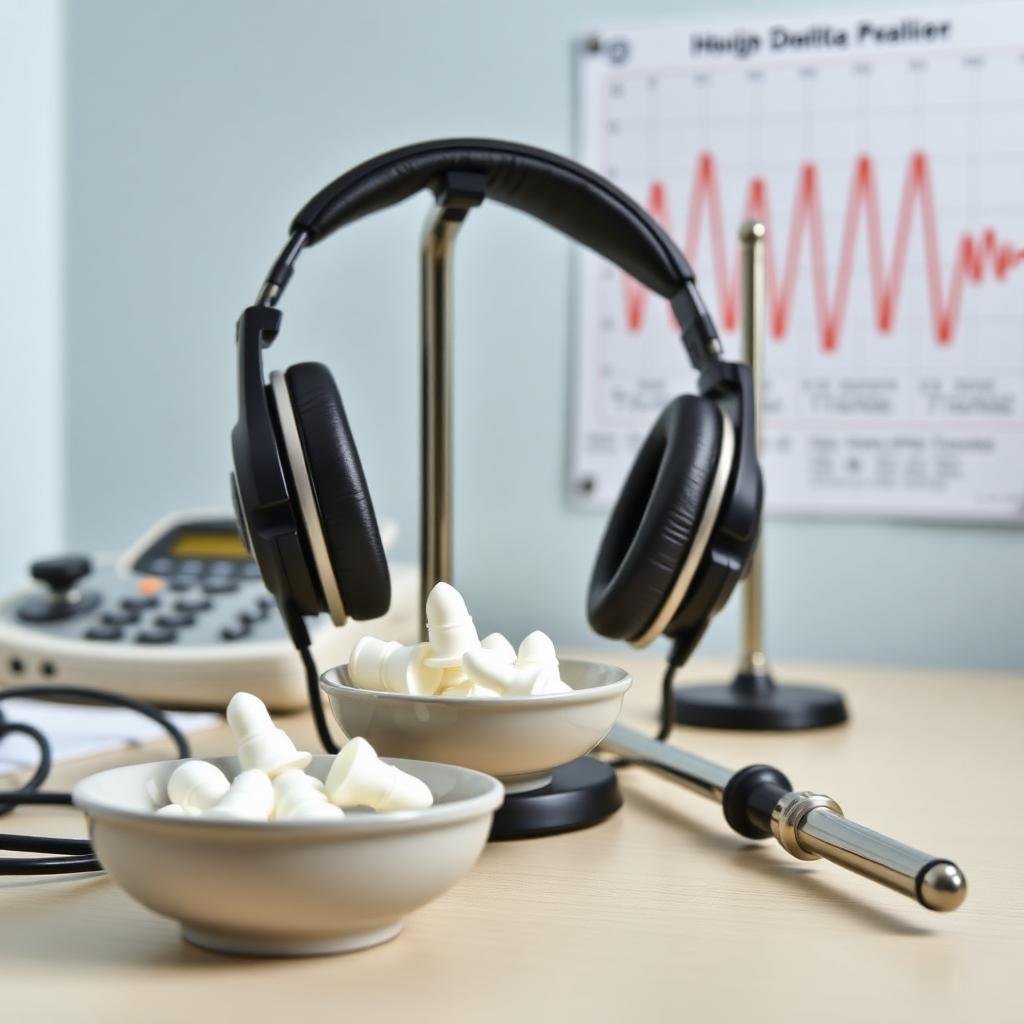
- Earplugs: Disposable foam earplugs are affordable and effective for various noise levels. Reusable silicone or custom-molded earplugs offer a better fit and can provide higher attenuation.
- Earmuffs: Provide good protection and are often used in conjunction with earplugs for extremely loud environments. They are easy to put on and take off and are suitable for intermittent noise exposure.
- Musician's earplugs: Designed to reduce sound levels evenly across frequencies, preserving sound clarity for musicians and concert-goers.
- Proper fit: Ensure earplugs or earmuffs are inserted/worn correctly to achieve the advertised noise reduction rating (NRR).
Regular hearing screenings
Especially for individuals with risk factors such as:
- Occupational noise exposure: Annual screenings are often mandated by regulatory bodies like OSHA.
- Regular recreational noise exposure: Such as hunters, musicians, or those who use power tools frequently.
- A family history of hearing loss.
- Age: Starting around 50, regular screenings (every 1-3 years) can help detect presbycusis early. Routine screenings can identify hearing changes over time, allowing for early intervention and adjustments to protective measures.
Maintain overall health
General health practices can indirectly support hearing health.
- Manage chronic conditions: Conditions like diabetes and cardiovascular disease can negatively impact circulation to the inner ear. Managing these conditions through diet, exercise, and medication can protect hearing.
- Healthy diet: A balanced diet rich in antioxidants (e.g., from fruits and vegetables) may help protect the delicate cells of the inner ear. Some research suggests certain nutrients like magnesium, zinc, and vitamins A, C, and E may have protective effects, though more definitive studies are needed.
- Avoid smoking: Smoking compromises blood flow to the inner ear and can contribute to hearing loss.
- Regular exercise: Promotes healthy circulation throughout the body, including the inner ear.
Be mindful of ototoxic medications
If you are prescribed medications that can cause hearing side effects, discuss the risks and benefits with your clinician. If you are already on such medications, report any changes in hearing or the development of tinnitus immediately. Do not discontinue prescribed medications without medical advice.
Avoid inserting foreign objects into the ear
Never use cotton swabs, hairpins, or other objects to clean inside the ear canal. This can push earwax deeper, leading to impaction, or even perforate the eardrum. Allow earwax to naturally migrate out or consult a clinician for safe removal if it becomes problematic.
Sources
- Centers for Disease Control and Prevention (CDC)
- National Institute for Occupational Safety and Health (NIOSH)
Frequently asked questions
Q: Can hearing loss be reversed?
A: It depends on the type and cause of hearing loss. Conductive hearing loss, often caused by earwax blockage, fluid in the middle ear, or a perforated eardrum, can often be reversed with medical treatment or minor surgical procedures. Sensorineural hearing loss, which is caused by damage to the inner ear or auditory nerve, is generally permanent. However, its effects can often be managed effectively with hearing aids, cochlear implants, or other assistive listening devices, significantly improving communication and quality of life. Sudden sensorineural hearing loss (SSNHL) can sometimes be treated with corticosteroids if addressed promptly.
Q: What is the difference between an audiologist and an ENT?
A: An audiologist is a healthcare professional who specializes in diagnosing, evaluating, and treating hearing and balance disorders. They conduct hearing tests, fit and dispense hearing aids, and provide auditory rehabilitation. An otolaryngologist (ENT) is a medical doctor who specializes in diseases and conditions of the ear, nose, and throat. They can diagnose and treat ear infections, perform surgery for ear conditions, and manage medical aspects of hearing loss. An audiologist typically focuses on the functional aspects of hearing while an ENT addresses the medical or surgical causes.
Q: Are over-the-counter (OTC) hearing aids effective?
A: Over-the-counter (OTC) hearing aids are now available for adults with perceived mild to moderate hearing loss. They can be a more accessible and affordable option for some individuals, reducing barriers to treatment. However, OTC hearing aids do not require a professional fitting or prescription and may not be suitable for all types or degrees of hearing loss. It is still advisable to have a professional hearing evaluation by an audiologist to rule out any underlying medical conditions and to ensure the OTC device is appropriate for your specific needs. For more complex hearing loss or medical concerns, professional-grade hearing aids and clinical guidance are recommended.
Q: How often should I get my hearing checked?
A: The frequency of hearing checks depends on your age, risk factors, and overall health. For healthy adults with no symptoms and no known risk factors for hearing loss, a baseline hearing screening around age 50, followed by checks every few years, may be recommended. If you are regularly exposed to loud noise (occupational or recreational), have a family history of hearing loss, take ototoxic medications, or experience any symptoms of hearing loss, more frequent evaluations are advisable. Children and adolescents should have hearing screenings as part of routine check-ups.
Q: Can diet and lifestyle really affect my hearing?
A: While diet and lifestyle choices cannot prevent all forms of hearing loss, they can certainly play a supportive role in maintaining overall auditory health. A diet rich in antioxidants (found in fruits and vegetables), magnesium, zinc, and B vitamins is linked to better inner ear health and may help protect against age-related hearing loss. Conversely, poor cardiovascular health, uncontrolled diabetes, and smoking can restrict blood flow to the inner ear, potentially contributing to hearing damage. Avoiding excessive noise exposure and managing chronic health conditions are crucial lifestyle habits for hearing preservation.
Key takeaways
- Noise-induced hearing loss (NIHL) is largely preventable: Consistent exposure to sounds at or above 85 dB can cause permanent damage to inner ear hair cells.
- Protect your ears from loud noise: Use earplugs or earmuffs in noisy environments (e.g., concerts, power tools, firearms) and follow the "Rule of 60/60" for personal listening devices.
- Recognize warning signs: Difficulty understanding speech, muffled sounds, tinnitus, and turning up TV volume are common indicators of hearing loss.
- Seek timely clinical evaluation: If you experience sudden hearing loss, persistent symptoms, or concerns, consult an audiologist or ENT specialist promptly.
- Management options exist: Hearing aids, cochlear implants, and assistive listening devices can significantly improve communication for those with irreversible hearing loss.
- Maintain overall health: Managing chronic conditions like diabetes and heart disease, eating a healthy diet, and avoiding smoking contribute to better hearing health.
- Regular hearing screenings: Especially important for individuals with risk factors or those over 50, to detect and address changes early.
Sources
- World Health Organization (WHO): https://www.who.int/
- Centers for Disease Control and Prevention (CDC): https://www.cdc.gov/
- National Institute on Deafness and Other Communication Disorders (NIDCD): https://www.nidcd.nih.gov/
- American Speech-Language-Hearing Association (ASHA): https://www.asha.org/
- Mayo Clinic: https://www.mayoclinic.org/
- National Health Service (NHS): https://www.nhs.uk/
- National Institute for Occupational Safety and Health (NIOSH): https://www.cdc.gov/niosh/
- American Academy of Otolaryngology—Head and Neck Surgery (AAO-HNS): https://www.entnet.org/
Disclaimer: This information is intended for educational purposes only and does not constitute medical advice. Always consult with a qualified healthcare professional for diagnosis and treatment of any medical condition or before making any decisions related to your health.
Related reading
- Bone Density and Osteoporosis Prevention — Weight-bearing exercise, adequate protein, calcium, and vitamin D support lifelong bone strength.
- Reducing Sitting Time at Work — Prolonged sitting affects metabolism and posture. Short movement breaks every 30–60 minutes make a measurable difference…
- Skin Cancer Prevention Basics — Daily SPF, shade, protective clothing, and annual skin checks reduce risk.
- Women's Preventive Care: A Lifespan Guide — Preventive care needs shift by decade: reproductive health, bone density, cardiovascular screening, and cancer screening…
- Colorectal Cancer Screening Explained — Screening starts at 45 for most adults. Options range from stool tests to colonoscopy.
Written by
Health Hub Pro Editorial
Health writer at Health Hub Pro, focused on evidence-based, Sharia-conscious wellness.
View author profile →Medically reviewed by
Dr. A. Rahman, MD
Board-certified in Internal Medicine
Last reviewed on