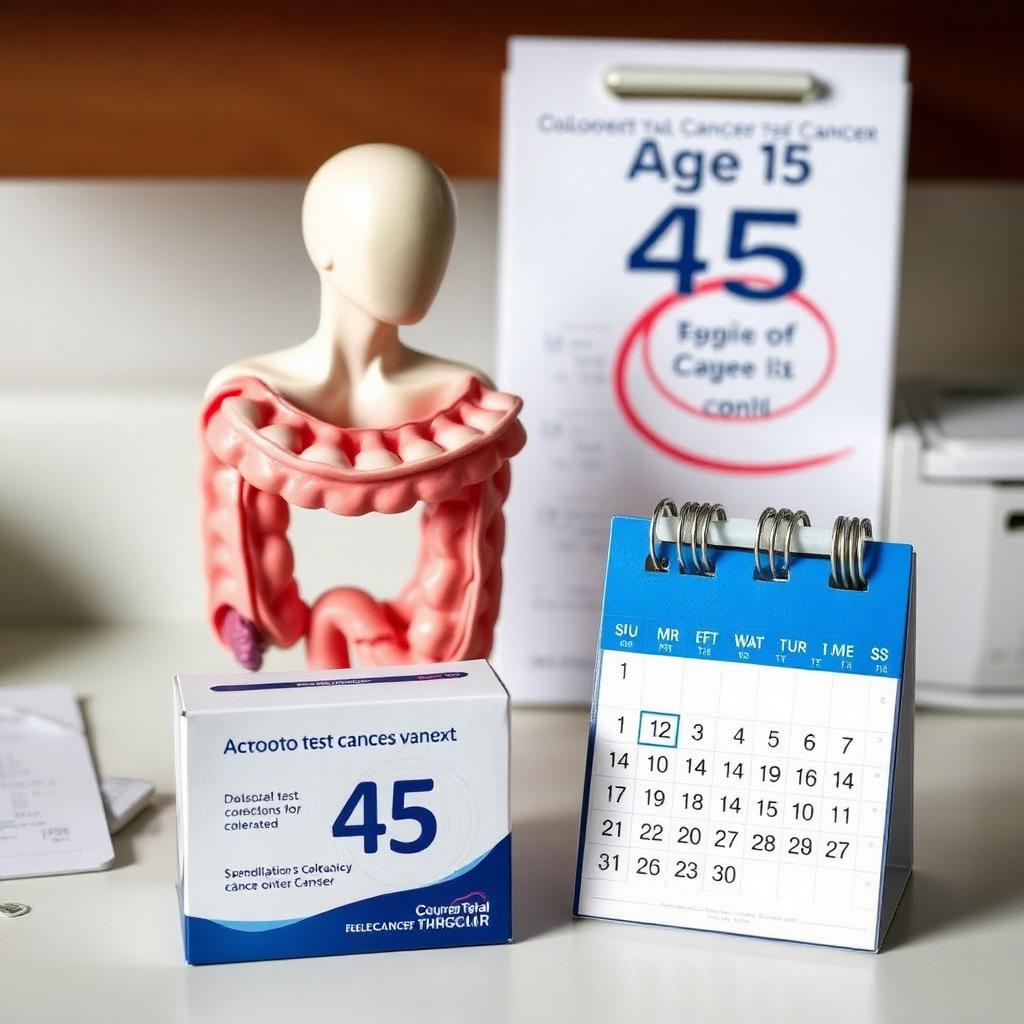
Screening Tests After Age 40
Cholesterol, blood pressure, colorectal cancer, and other screenings become important after 40.

For informational purposes only. This article is educational and is not a substitute for professional medical advice, diagnosis, or treatment. Always consult a qualified healthcare provider about anything affecting your health. Read full disclaimer.
Introduction
As individuals age, particularly after reaching 40, the risk of developing certain chronic health conditions tends to increase. Regular health screenings become an increasingly vital component of maintaining well-being and detecting potential health issues early, often before symptoms become apparent. Early detection through these screenings can significantly improve treatment outcomes and quality of life. This guide outlines the key screening tests generally recommended for individuals over 40, providing an overview of their purpose and importance based on current medical evidence.
This information is for educational purposes only and does not constitute medical advice. Always consult with a qualified healthcare professional for personalized medical advice, diagnosis, and treatment.
What causes it (evidence-based)
The increased importance of health screenings after age 40 is primarily due to several physiological changes and risk factor accumulations that occur with aging. These factors contribute to a higher prevalence of conditions such as cardiovascular disease, certain cancers, and metabolic disorders.
- Physiological Changes: As people age, various bodily functions gradually decline or change. For instance, blood vessel elasticity can decrease, fat distribution may shift, and cellular repair mechanisms can become less efficient. These changes can predispose individuals to conditions like hypertension (high blood pressure) and atherosclerosis (hardening of the arteries).
- Accumulation of Risk Factors: Lifestyle choices, environmental exposures, and genetic predispositions can accumulate over decades, increasing the risk of diseases. For example, years of suboptimal diet, lack of physical activity, smoking, or excessive alcohol use contribute significantly to conditions such as type 2 diabetes, heart disease, and various cancers. Genetic factors also play a role, and their impact may become more apparent with age.
- Increased Incidence Rates: Statistical data from major health organizations consistently show that the incidence of many chronic diseases rises sharply after middle age. For example, colorectal cancer incidence begins to climb significantly around age 45-50, and the risk of cardiovascular events increases progressively with age.
- Subclinical Disease Progression: Many chronic diseases develop silently over years, with individuals experiencing no noticeable symptoms in their early stages. Conditions like high blood pressure, high cholesterol, and early-stage cancers (e.g., colorectal polyps) can advance without causing discomfort until they reach a more severe or advanced stage. Screenings are designed to identify these conditions during this asymptomatic phase, allowing for earlier intervention and potentially more effective treatment.
By regularly screening for these conditions, healthcare providers can intervene proactively, often through lifestyle modifications or early medical treatments, to prevent progression or manage the disease more effectively. (Centers for Disease Control and Prevention; National Institutes of Health)
Symptoms and warning signs
While regular screenings are crucial for detecting problems often before symptoms appear, it's also important to be aware of potential symptoms that warrant immediate medical attention, regardless of screening schedules. Recognizing these signs can lead to earlier diagnosis and treatment.
Cardiovascular Health (e.g., High Blood Pressure, High Cholesterol):
- High Blood Pressure (Hypertension): Often called the "silent killer" because it typically has no symptoms until it reaches a severe or life-threatening stage. However, severe hypertension can cause headaches, shortness of breath, nosebleeds, flushing, dizziness, chest pain, visual changes, or blood in the urine.
- High Cholesterol: Generally asymptomatic. Symptoms usually only occur when high cholesterol leads to atherosclerosis, obstructing blood flow. This can manifest as chest pain (angina), leg pain during walking (claudication), or, in severe cases, symptoms of a heart attack or stroke.
- Heart Disease: Chest pain or discomfort, shortness of breath, pain in the jaw, neck, back, or arms, dizziness, lightheadedness, fatigue, and swollen legs or ankles.
Cancer Screenings (e.g., Colorectal, Breast, Prostate, Cervical):
- Colorectal Cancer: Changes in bowel habits (diarrhea, constipation, or narrowing of the stool) that last for more than a few days, rectal bleeding, blood in the stool, persistent abdominal discomfort (cramps, gas, pain), a feeling that the bowel doesn't empty completely, weakness or fatigue, and unexplained weight loss.
- Prostate Cancer: Difficulty urinating, a decrease in the force of the urine stream, frequent urination (especially at night), blood in the urine or semen, pain in the back, hips, or pelvis, and painful ejaculation. These symptoms can also be indicative of non-cancerous conditions like benign prostatic hyperplasia (BPH) or infection.
- Cervical Cancer: Unusual vaginal bleeding (after intercourse, between periods, or after menopause), watery, bloody, or foul-smelling vaginal discharge, and pelvic pain or pain during intercourse.
- Breast Cancer: A new lump or mass in the breast or armpit, changes in the size or shape of the breast, skin changes on the breast (e.g., dimpling, redness, scaling, thickening), nipple changes (e.g., inversion, discharge other than breast milk), and pain in the breast or nipple.
Metabolic Health (e.g., Diabetes):
- Type 2 Diabetes: Increased thirst, frequent urination, increased hunger, unexplained weight loss, fatigue, blurred vision, slow-healing sores, frequent infections, and areas of darkened skin (acanthosis nigricans).
Other Conditions:
- Osteoporosis: Often called a "silent disease" because bone loss occurs without symptoms. The first sign is often a bone fracture, particularly of the hip, spine, or wrist. Back pain, loss of height over time, and a stooped posture can also be indicators.
Being vigilant about these symptoms and discussing them promptly with a healthcare professional can be life-saving. However, it's important to remember that the absence of symptoms does not guarantee the absence of disease, which is why regular screenings are so important. (World Health Organization; American Heart Association; American Cancer Society)
When to see a clinician
It is crucial to maintain regular communication with a healthcare professional, especially as you age. While specific screening recommendations can vary based on individual risk factors, family history, and genetic predispositions, general guidelines exist. You should see a clinician:
- For your annual physical examination: Even if you feel healthy, a yearly check-up is an opportunity to discuss your overall health, review your family medical history, assess lifestyle factors, and determine which screenings are appropriate for you.
- To establish a baseline: If you haven't had regular health check-ups, initiating them after age 40 is essential to establish baseline measurements for blood pressure, cholesterol, blood glucose, and weight.
- To discuss specific screening schedules: Adhere to age- and risk-appropriate screening guidelines. For example, colorectal cancer screening typically begins at age 45-50 for individuals at average risk. Similarly, discussions about breast cancer screening (mammography) for women, cervical cancer screening (Pap tests/HPV tests), and prostate cancer screening (PSA blood test and digital rectal exam) for men should occur with your clinician to determine the most suitable schedule based on your personal risk profile and preferences.
- When you experience any new, persistent, or concerning symptoms: As outlined in the "Symptoms and Warning Signs" section, any unexplained changes in your health, such as persistent pain, unexplained weight loss or gain, changes in bowel or bladder habits, unusual bleeding, or new lumps, warrant prompt medical evaluation. Do not delay seeking professional advice for these concerns, even if you recently had a "normal" screening.
- If you have a family history of certain diseases: A strong family history of conditions like heart disease, certain cancers (e.g., colorectal, breast, ovarian), or diabetes may necessitate earlier or more frequent screenings. Discuss your family's medical history thoroughly with your clinician.
- To manage existing chronic conditions: Regular visits are necessary to monitor and manage conditions such as diabetes, hypertension, high cholesterol, or thyroid disorders. This includes medication reviews, lifestyle counseling, and monitoring for complications.
- Before making significant lifestyle changes: If you plan to start a new exercise regimen, make drastic dietary changes, or consider supplements, consult your clinician to ensure safety and appropriateness for your health status.
- For vaccinations: Ensure your immunizations are up-to-date, including flu shots, tetanus boosters, and any other recommended vaccines for adults over 40 (e.g., shingles vaccine, pneumococcal vaccine).
Regular engagement with a healthcare provider is a cornerstone of preventive health and allows for early identification and management of potential health issues. (Mayo Clinic; National Health Service)
Treatment and management options
Treatment and management options for conditions identified through screenings after age 40 are highly individualized and depend on the specific diagnosis, stage of the disease, and overall health of the individual. The goal is often to prevent disease progression, manage symptoms, improve quality of life, and extend healthy lifespan. Below are general approaches for common conditions.
Cardiovascular Health (High Blood Pressure, High Cholesterol, Heart Disease):
- Lifestyle Modifications: These form the foundation of management for many cardiovascular conditions. This includes dietary changes (e.g., DASH diet for hypertension, low-saturated fat diet for cholesterol), regular physical activity, maintaining a healthy weight, smoking cessation, and limiting alcohol intake.
- Medications:
- High Blood Pressure: Antihypertensive drugs such as diuretics, ACE inhibitors, ARBs, beta-blockers, and calcium channel blockers.
- High Cholesterol: Statins are commonly prescribed to lower LDL ("bad") cholesterol. Other options include ezetimibe, PCSK9 inhibitors, and fibrates.
- Heart Disease: Medications may include antiplatelet agents (e.g., aspirin), nitrates for angina, and other drugs to manage symptoms or prevent further cardiac events.
- Medical Procedures/Surgery: For severe cases of heart disease (e.g., coronary artery disease), procedures like angioplasty with stent placement or coronary artery bypass graft (CABG) surgery may be necessary.
Cancer:
- Lifestyle Modifications: Maintaining a healthy weight, regular exercise, a balanced diet, and avoiding tobacco and excessive alcohol can be crucial preventive measures and supportive therapies during and after cancer treatment.
- Surgery: To remove tumors, lymph nodes, or affected organs.
- Chemotherapy: Drugs used to kill cancer cells, often administered intravenously or orally.
- Radiation Therapy: High-energy rays to kill cancer cells and shrink tumors.
- Targeted Therapy: Drugs that specifically target cancer cells with certain genetic mutations or characteristics, often with fewer side effects than traditional chemotherapy.
- Immunotherapy: Medications that boost the body's own immune system to fight cancer.
- Hormone Therapy: Used for hormone-sensitive cancers such as breast and prostate cancer, to block hormones that fuel cancer growth.
Metabolic Health (Type 2 Diabetes):
- Lifestyle Modifications: Dietary changes (e.g., portion control, limiting processed foods and sugary drinks), regular physical activity, and weight management.
- Medications: Oral medications (e.g., metformin, sulfonylureas, GLP-1 receptor agonists) and/or insulin injections to regulate blood glucose levels.
- Blood Glucose Monitoring: Regular self-monitoring of blood glucose.
Osteoporosis:
- Lifestyle Modifications: Weight-bearing exercise, strength training, adequate intake of calcium and vitamin D (through diet or supplements), and smoking cessation.
- Medications: Bisphosphonates are a common class of drugs to slow bone loss. Other options include denosumab, teriparatide, and hormone replacement therapy (for post-menopausal women, after careful consideration of risks and benefits).
The management of these conditions typically involves a multidisciplinary team, including primary care physicians, specialists (e.g., cardiologists, oncologists, endocrinologists), registered dietitians, and physical therapists. Regular follow-up appointments and adherence to treatment plans are essential for successful management. (Cochrane Library; National Institutes of Health)
Prevention and daily habits
Adopting healthy daily habits and engaging in preventive strategies are fundamental to mitigating the risk of many chronic diseases that become more prevalent after age 40. Consistency in these areas can significantly impact long-term health outcomes.
1. Prioritize a Balanced, Nutrient-Dense Diet:
- Focus on Whole Foods: Emphasize fruits, vegetables, whole grains, lean proteins (fish, poultry, beans, lentils), and healthy fats (avocado, nuts, seeds, olive oil). These provide essential vitamins, minerals, fiber, and antioxidants.
- Limit Processed Foods: Reduce intake of highly processed snacks, sugary drinks, foods high in saturated and trans fats, and excessive sodium. These contribute to inflammation, weight gain, high blood pressure, and increased risk of diabetes and heart disease.
- Adequate Hydration: Drink plenty of water throughout the day.
- Portion Control: Be mindful of serving sizes to maintain a healthy weight.
2. Engage in Regular Physical Activity:
- Aerobic Exercise: Aim for at least 150 minutes of moderate-intensity aerobic activity (e.g., brisk walking, swimming, cycling) or 75 minutes of vigorous-intensity activity (e.g., running, intense sports) per week.
- Strength Training: Incorporate muscle-strengthening activities at least two days per week, working all major muscle groups. This helps maintain muscle mass, bone density, and metabolism.
- Flexibility and Balance: Include activities like stretching or yoga to improve flexibility and reduce the risk of falls.
- Reduce Sedentary Time: Break up long periods of sitting with short walks or stretches.
3. Maintain a Healthy Weight:
- Achieving and maintaining a healthy Body Mass Index (BMI) (typically between 18.5 and 24.9 kg/m²) is crucial for reducing the risk of heart disease, type 2 diabetes, certain cancers, and joint problems.
- Combine healthy eating habits with regular physical activity for sustainable weight management.
4. Avoid Tobacco and Limit Alcohol:
- Smoking Cessation: If you smoke, quitting is one of the most impactful steps you can take for your health. Smoking increases the risk of numerous cancers, heart disease, stroke, and respiratory issues.
- Moderate Alcohol Consumption: If you consume alcohol, do so in moderation. This generally means up to one drink per day for women and up to two drinks per day for men.
5. Prioritize Adequate Sleep:
- Aim for 7-9 hours of quality sleep per night. Poor sleep can negatively impact metabolism, hormone regulation, immune function, and mental health.
- Establish a consistent sleep schedule and create a relaxing bedtime routine.
6. Manage Stress:
- Chronic stress can contribute to various health problems. Practice stress-reduction techniques such as meditation, deep breathing exercises, spending time in nature, hobbies, or engaging in social activities.
- Seek professional help if stress feels overwhelming.
7. Regular Clinician Visits and Adherence to Screening Schedules:
- Beyond daily habits, consistent engagement with healthcare professionals for regular check-ups and adherence to recommended screening guidelines is paramount for early detection and prevention.
By consistently integrating these preventive strategies into daily life, individuals after age 40 can significantly improve their chances of avoiding chronic diseases and living longer, healthier lives. (World Health Organization; American Heart Association)
Frequently asked questions
Q1: What are the most important screenings for someone over 40 with no health issues?
Even without existing health issues, several screenings are crucial after age 40 for average-risk individuals. These generally include regular monitoring of blood pressure, cholesterol levels (lipid panel), and blood glucose for diabetes. For colorectal cancer, screening typically begins at age 45-50. Women should continue with cervical cancer screenings (Pap test/HPV test) and begin discussions about mammography for breast cancer screening, usually starting around age 40-50, based on individual risk. Men should discuss prostate cancer screening with their clinician, typically starting around age 50, or earlier if at higher risk.
Q2: How often should I have my cholesterol checked after 40?
For most individuals at average risk, cholesterol (lipid panel) screening is recommended every 4-6 years. However, if you have risk factors for heart disease (such as a family history, high blood pressure, diabetes, or smoking) or if your previous readings were borderline, your clinician may recommend more frequent testing, possibly every 1-2 years or even annually.
Q3: When should I start getting screened for colorectal cancer?
Current guidelines from organizations like the American Cancer Society recommend that individuals at average risk begin regular colorectal cancer screening at age 45. There are various screening methods, including stool-based tests (which are done more frequently) and visual exams like colonoscopy (typically every 10 years if results are normal). Your clinician will help determine the best screening method and schedule for you based on your personal health history and preferences.
Q4: Are there different screening guidelines for men and women after 40?
Yes, specific screening guidelines differ between men and women due to biological differences and varying risks for certain conditions. For women, breast cancer screening (mammography) and cervical cancer screening (Pap test/HPV test) are key. For men, prostate cancer screening often becomes a consideration. Both men and women require screenings for general health conditions like high blood pressure, high cholesterol, diabetes, and colorectal cancer, though the exact timing or frequency might vary based on individual risk.
Q5: What role does family history play in determining my screening schedule?
Family history is a significant factor in determining your personalized screening schedule. If you have a close relative (parent, sibling, child) who developed certain diseases at an early age (e.g., colorectal cancer before age 50, breast cancer, early-onset heart disease), your clinician may recommend starting screenings earlier or having them more frequently than the general population. It's crucial to discuss your full family medical history during your annual check-ups.
Key takeaways
- Prevention is Crucial: After age 40, preventive health screenings become increasingly important for early detection and management of potential health issues.
- Common Screenings: Key screenings typically include blood pressure checks, cholesterol monitoring, blood glucose tests, and cancer screenings specific to age and gender (e.g., colorectal, breast, cervical, prostate).
- Symptoms Warrant Attention: While screenings detect problems before symptoms, be vigilant for any unusual or persistent changes in your health and discuss them promptly with a clinician.
- Personalized Approach: Screening recommendations are not one-size-fits-all; they depend on individual factors like age, sex, personal health history, family medical history, and lifestyle.
- Lifestyle Foundation: Healthy daily habits – including a balanced diet, regular physical activity, maintaining a healthy weight, avoiding tobacco, limiting alcohol, prioritizing sleep, and managing stress – are foundational to reducing disease risk.
- Clinician Consultation is Essential: Always consult with a qualified healthcare professional to determine the most appropriate screening schedule and health management plan for your individual needs. This information is for educational purposes only and should not replace professional medical advice.
Sources
- American Cancer Society. www.cancer.org
- American Heart Association. www.heart.org
- Centers for Disease Control and Prevention. www.cdc.gov
- Cochrane Library. www.cochranelibrary.com
- Mayo Clinic. www.mayoclinic.org
- National Health Service (NHS). www.nhs.uk
- National Institutes of Health. www.nih.gov
- World Health Organization. www.who.int
Related reading
- Colorectal Cancer Screening Explained — Screening starts at 45 for most adults. Options range from stool tests to colonoscopy.
- Women's Preventive Care: A Lifespan Guide — Preventive care needs shift by decade: reproductive health, bone density, cardiovascular screening, and cancer screening…
- Lowering Blood Pressure Naturally: 5 Changes With the Strongest Evidence — From DASH to potassium to sleep apnea — the lifestyle moves that match a low-dose medication for many people.
- Fiber: Why It Matters More Than You Think — Fiber feeds beneficial gut bacteria and supports cholesterol, blood sugar, and satiety.
- Skin Cancer Prevention Basics — Daily SPF, shade, protective clothing, and annual skin checks reduce risk.
Written by
Health Hub Pro Editorial
Health writer at Health Hub Pro, focused on evidence-based, Sharia-conscious wellness.
View author profile →Medically reviewed by
Dr. A. Rahman, MD
Board-certified in Internal Medicine
Last reviewed on