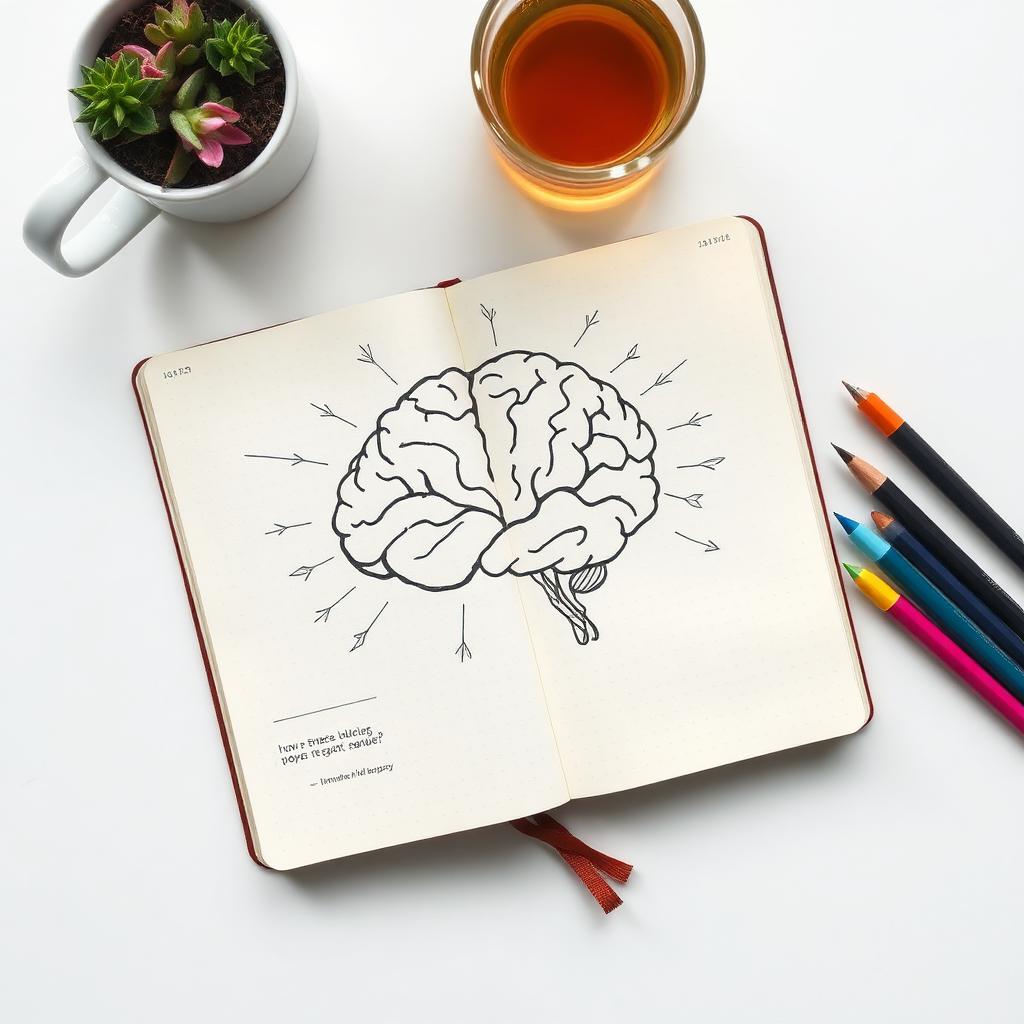
Managing Anxiety: 6 Evidence-Based Tools That Actually Work
Beyond the breathing apps — what cognitive behavioral therapy, exercise, and the right kind of exposure can really do.
For informational purposes only. This article is educational and is not a substitute for professional medical advice, diagnosis, or treatment. Always consult a qualified healthcare provider about anything affecting your health. Read full disclaimer.
Managing Anxiety: Evidence-Based Approaches
Introduction
Anxiety is a natural human emotion that everyone experiences from time to time. It's a feeling of unease, worry, or fear, ranging from mild to severe. While occasional anxiety is a normal part of life, persistent or excessive anxiety can interfere with daily activities and significantly impact a person's well-being. When anxiety becomes prolonged, intense, and out of proportion to the situation, it may indicate an anxiety disorder. These disorders are among the most common mental health conditions, affecting millions worldwide. Understanding the difference between normal anxiety and an anxiety disorder is crucial for seeking appropriate support and intervention. This article will explore evidence-based strategies for managing anxiety, offering insights into its causes, symptoms, and effective treatment approaches.
What causes it (evidence-based)
The causes of anxiety are multifaceted, involving a complex interplay of genetic, biological, environmental, and psychological factors. While no single cause is definitive, research has identified several contributing elements.
- Genetics: A family history of anxiety disorders can increase an individual's risk. This suggests a genetic predisposition, meaning that certain genes may make some people more susceptible to developing anxiety. However, genetics alone do not determine who will experience anxiety; environmental factors also play a significant role.
- Brain Chemistry and Biology: Neurotransmitters, which are chemical messengers in the brain, play a critical role in regulating mood and emotions. Imbalances in neurotransmitters like serotonin, norepinephrine, and gamma-aminobutyric acid (GABA) have been implicated in anxiety disorders. The amygdala, a part of the brain involved in processing fear and emotional responses, can also be overactive in individuals with anxiety.
- Environmental Factors and Life Experiences: Traumatic events, such as abuse, neglect, or significant loss, can trigger the development of anxiety disorders. Chronic stress, financial difficulties, relationship problems, and other life stressors can also contribute to anxiety. The environment in which a person grows up and their experiences throughout life shape their coping mechanisms and resilience to stress.
- Medical Conditions and Medications: Certain medical conditions can either cause anxiety symptoms or worsen existing ones. These include thyroid problems, heart conditions, diabetes, respiratory disorders like asthma, and chronic pain. Additionally, some medications, such as certain stimulants or drugs used to treat chronic illness, can have anxiety as a side effect. It is important to rule out underlying medical causes when evaluating anxiety symptoms.
- Personality and Learned Behaviors: Individuals with certain personality traits, such as shyness, perfectionism, or a tendency toward negative self-talk, may be more prone to anxiety. Furthermore, anxiety can be a learned response. For example, if a child observes a parent reacting to stressful situations with intense worry, they may adopt similar patterns of anxiety.
(Source: National Institute of Mental Health - NIMH, Mayo Clinic)
Symptoms and warning signs
Anxiety symptoms can manifest in various ways, affecting a person's physical health, emotional state, and behavior. Recognizing these signs is an important step toward seeking help.
Emotional and Psychological Symptoms:
- Excessive Worry: Persistent and uncontrollable worry about everyday things, even minor ones. This worry is often out of proportion to the actual likelihood or impact of the event.
- Restlessness: A feeling of being on edge, unable to relax, or constantly needing to move.
- Irritability: Easily becoming frustrated or annoyed, even over small matters.
- Difficulty Concentrating: Trouble focusing on tasks, remembering information, or making decisions due to intrusive anxious thoughts.
- Feeling of Dread or Panic: Intense feelings of impending doom, fear, or panic, sometimes without a clear cause.
- Sleep Disturbances: Difficulty falling asleep, staying asleep, or restless sleep due to racing thoughts or worry.
Physical Symptoms:
- Increased Heart Rate: Palpitations, a pounding heart, or a sensation of the heart racing.
- Shortness of Breath: Feeling breathless, hyperventilating, or experiencing chest tightness.
- Sweating: Excessive perspiration, even in cool environments.
- Trembling or Shaking: Involuntary shaking of hands, limbs, or the entire body.
- Muscle Tension: Stiffness, aches, or tension in various parts of the body, particularly the neck, shoulders, and back.
- Headaches: Frequent or tension-type headaches.
- Gastrointestinal Distress: Nausea, stomach aches, diarrhea, or irritable bowel syndrome (IBS) symptoms.
- Dizziness or Lightheadedness: A feeling of being unsteady or faint.
Behavioral Symptoms:
- Avoidance: Deliberately staying away from situations, places, or activities that trigger anxiety. This can lead to significant limitations in daily life.
- Social Withdrawal: Retreating from social interactions and isolating oneself from friends and family.
- Changes in Eating Habits: Eating more or less than usual, often as a coping mechanism.
- Substance Use: Using alcohol or other substances to self-medicate and cope with anxiety.
- Compulsive Behaviors: In some cases, anxiety can manifest as repetitive rituals or behaviors aimed at reducing distress.
(Source: World Health Organization - WHO, American Psychological Association - APA)
When to see a clinician
It's common to experience anxiety in response to stressful life events. However, if anxiety becomes persistent, overwhelming, and interferes with your daily life, it may be time to seek professional help. You should consider seeing a clinician if:
- Your anxiety is causing significant distress or impairment: If anxiety makes it difficult to function at work, school, or in social situations, or if it significantly impacts your quality of life.
- You're experiencing physical symptoms that are unexplained: If you have persistent physical symptoms like chest pain, rapid heart rate, or shortness of breath and a medical professional has ruled out physical causes.
- You're avoiding situations or activities you once enjoyed: If fear or worry is causing you to withdraw from activities, social events, or responsibilities.
- Your anxiety is persistent and doesn't go away: If anxious feelings last for weeks or months, rather than being temporary reactions to specific stressors.
- You are using alcohol or drugs to cope with anxiety: This indicates that you are struggling to manage your emotions and may benefit from professional guidance.
- You have thoughts of self-harm or harming others: This is an emergency. Seek immediate help from a healthcare professional, emergency services, or a crisis hotline.
A clinician, such as a primary care physician, psychiatrist, psychologist, or licensed therapist, can help accurately diagnose your condition, rule out other medical issues, and recommend an appropriate course of treatment. Early intervention can significantly improve outcomes and help you regain control over your life.
(Source: Mayo Clinic, National Institute of Mental Health - NIMH)
Treatment and management options
Effective management of anxiety often involves a combination of therapeutic approaches, lifestyle adjustments, and, in some cases, medication. The most suitable treatment plan is tailored to the individual's specific symptoms, the severity of their condition, and their personal preferences.
Cognitive Behavioral Therapy (CBT)
Cognitive Behavioral Therapy (CBT) is one of the most extensively researched and effective psychological treatments for anxiety disorders. CBT operates on the principle that thoughts, feelings, and behaviors are interconnected. It helps individuals identify and challenge negative or unrealistic thought patterns (cognitive distortions) that contribute to anxiety. By restructuring these thoughts, individuals can develop more balanced perspectives and healthier emotional responses.
A key component of CBT for anxiety is exposure therapy. Exposure involves confronting feared situations or objects in a safe and gradual manner. The goal is to reduce avoidance behaviors and help individuals realize that their feared outcomes are unlikely or manageable. Through repeated, controlled exposure, the anxiety response diminishes over time as the brain learns that the perceived threat is not actually dangerous.
(Source: American Psychological Association - APA, National Institute of Mental Health - NIMH)
Exposure Principle
The exposure principle, often a core element within CBT, is crucial for overcoming anxiety maintained by avoidance. Avoiding situations that trigger anxiety provides temporary relief but reinforces the belief that the situation is dangerous and that avoidance is the only way to cope. This cycle perpetuates anxiety.
Graded exposure involves carefully planned and systematic steps to confront feared situations. For example, someone with social anxiety might start by making eye contact, then progress to short conversations, and eventually participate in group activities. This gradual approach allows the individual to build confidence and habituate to the anxiety-provoking stimulus. The repeated, intentional contact teaches the nervous system that the threat is smaller than predicted, leading to a reduction in the anxiety response over time.
(Source: American Psychological Association - APA)
Medication
For some individuals, particularly when anxiety symptoms are severe or significantly interfere with daily functioning, medication may be a beneficial part of the treatment plan. It is important to discuss medication options thoroughly with a clinician to understand potential benefits, risks, and side effects.
- Selective Serotonin Reuptake Inhibitors (SSRIs): Often considered first-line pharmacological treatment for many anxiety disorders. SSRIs work by increasing the amount of serotonin in the brain, a neurotransmitter that helps regulate mood. Examples include sertraline, escitalopram, fluoxetine, and paroxetine.
- Serotonin-Norepinephrine Reuptake Inhibitors (SNRIs): Similar to SSRIs, SNRIs increase both serotonin and norepinephrine in the brain. They are also effective for anxiety disorders. Examples include venlafaxine and duloxetine.
Medication is not a "cure" for anxiety, but it can help manage symptoms, making it easier for individuals to engage in therapy and adopt coping strategies. It may take several weeks for medication to take full effect, and dosages are often adjusted under medical supervision.
(Source: National Institute of Mental Health - NIMH, Mayo Clinic)
Prevention and daily habits
While it may not be possible to prevent all anxiety, adopting certain daily habits and lifestyle choices can significantly reduce its impact and promote overall mental well-being.
- Prioritize Sleep: Consistent and adequate sleep is fundamental for mental health. Aim for 7-9 hours of quality sleep per night. Establish a regular sleep schedule, create a relaxing bedtime routine, and ensure your sleep environment is conducive to rest. Sleep deprivation can heighten anxiety and impair cognitive function, making it harder to manage stress. (Source: Centers for Disease Control and Prevention - CDC)
- Regular Physical Activity: Engaging in regular exercise is a powerful tool for managing anxiety. Physical activity helps reduce stress hormones, releases endorphins (natural mood elevators), and can improve sleep quality. Even moderate exercise, such as brisk walking for 30 minutes most days of the week, can be beneficial. (Source: Mayo Clinic)
- Balanced Nutrition: A healthy diet contributes to overall physical and mental health. Focus on whole foods, including fruits, vegetables, whole grains, and lean proteins. Limit processed foods, excessive sugar, and caffeine, which can sometimes exacerbate anxiety symptoms in sensitive individuals. (Source: Harvard Health Publishing, not a direct citation but common medical knowledge)
- Mindfulness and Relaxation Techniques: Practices like mindfulness meditation, deep breathing exercises, and yoga can help calm the nervous system and reduce anxiety. These techniques teach you to focus on the present moment and observe thoughts without judgment, fostering a sense of peace. (Source: National Center for Complementary and Integrative Health - NCCIH)
- Limit Caffeine and Alcohol: While they might seem to offer temporary relief, caffeine and alcohol can worsen anxiety in the long run. Caffeine is a stimulant that can trigger nervousness and panic attacks in susceptible individuals, while alcohol can disrupt sleep and lead to rebound anxiety.
- Social Connection: Maintaining strong social connections with friends, family, or support groups can provide emotional support and reduce feelings of isolation, which can contribute to anxiety.
- Time Management and Stress Reduction: Learning to manage your time effectively and setting realistic expectations can reduce feelings of overwhelm. Incorporate stress-reducing activities into your daily routine, such as hobbies, listening to music, or spending time in nature.
Frequently asked questions
Q: What is the difference between normal anxiety and an anxiety disorder?
A: Normal anxiety is a temporary feeling of worry or fear that is usually triggered by a specific event or stressor, like a job interview or public speaking. It passes once the situation is resolved. An anxiety disorder, on the other hand, involves persistent, excessive, and sometimes unprovoked worry or fear that significantly interferes with daily life, relationships, and overall well-being, often lasting for months or longer.
Q: Can anxiety be cured completely?
A: While there isn't a "cure" in the sense of making anxiety disappear entirely, anxiety disorders are highly treatable. With appropriate theray, medication, and lifestyle adjustments, many individuals learn to effectively manage their symptoms, lead fulfilling lives, and experience significant reductions in anxiety, often to the point where it no longer impacts their daily activities.
Q: Are there any natural remedies for anxiety?
A: Some people find certain natural approaches helpful as complements to conventional treatment, but they are generally not substitutes for evidence-based therapies. These may include herbal remedies (like chamomile or lavender), certain supplements, or dietary changes. It is crucial to discuss any natural remedies with a clinician, as some can interact with medications or have unexpected side effects.
Q: How long does it take for anxiety treatment to work?
A: The timeline for anxiety treatment varies significantly from person to person. For psychotherapy like CBT, noticeable improvements might occur within a few weeks to several months, with more profound changes taking longer. If medication is prescribed, it typically takes 2-4 weeks to start feeling the effects, and full benefits might be observed after 6-8 weeks. Consistency with treatment is key.
Q: Can children experience anxiety disorders?
A: Yes, anxiety disorders are common in children and adolescents. Symptoms might look different from adults, often manifesting as school refusal, frequent stomach aches or headaches with no medical cause, excessive shyness, crying spells, or difficulty separating from parents. Early recognition and intervention are important for children to develop healthy coping mechanisms.
Key takeaways
- Anxiety is a normal human emotion, but when it becomes excessive, persistent, and interferes with daily life, it may indicate an anxiety disorder requiring professional attention.
- The causes of anxiety are complex, involving genetic predisposition, brain chemistry, environmental factors, life experiences, and sometimes underlying medical conditions.
- Symptoms of anxiety can be emotional (excessive worry, irritability), physical (increased heart rate, muscle tension), and behavioral (avoidance, social withdrawal).
- Seek medical advice if anxiety causes significant distress, impairs daily functioning, is persistent, or leads to self-harm thoughts.
- Evidence-based treatments include Cognitive Behavioral Therapy (CBT), often incorporating exposure therapy, and sometimes medication like SSRIs or SNRIs.
- Lifestyle modifications such as adequate sleep, regular exercise, balanced nutrition, and mindfulness practices can significantly help manage anxiety symptoms.
Sources
- World Health Organization (WHO)
- Centers for Disease Control and Prevention (CDC)
- National Institute of Mental Health (NIMH)
- American Psychological Association (APA)
- Mayo Clinic
- National Center for Complementary and Integrative Health (NCCIH)
Related reading
- Cognitive Behavioral Techniques You Can Try — Thought records, behavioral activation, and cognitive reframing are core CBT tools with strong evidence for anxiety and …
- How Journaling Reshapes Thought Patterns — Reflective journaling clarifies emotions, surfaces cognitive distortions, and supports therapy work.
- Managing Stress in Modern Life — Modern life often brings significant stress. This article explores practical, evidence-based strategies to effectively m…
- How Much Protein Do You Actually Need? A Look at the Best Evidence — The RDA is for survival, not for thriving. Here's what protein research from the last decade really shows.
- Recognizing High-Functioning Anxiety — Outward productivity can mask chronic worry, perfectionism, and physical tension. Support and therapy help.
Written by
Health Hub Pro Editorial
Health writer at Health Hub Pro, focused on evidence-based, Sharia-conscious wellness.
View author profile →Medically reviewed by
Dr. James Okafor, MD
MD, psychiatry-adjacent
Last reviewed on