The Sunnah of Eating: Mindful Nutrition the Prophetic Way
Discover how Prophet Muhammad's dining habits offer a timeless guide to holistic health through mindful eating, blending faith with well-being.

For informational purposes only. This article is educational and is not a substitute for professional medical advice, diagnosis, or treatment. Always consult a qualified healthcare provider about anything affecting your health. Read full disclaimer.
The Sunnah of Eating: Mindful Nutrition the Prophetic Way
In a world increasingly grappling with dietary complexities and health crises, a profound wisdom emerges from a timeless source: the Sunnah of Prophet Muhammad ﷺ. Islam, far from being solely a spiritual path, offers a comprehensive blueprint for life, encompassing every aspect of human existence, including our relationship with food. This article explores the beautiful and deeply insightful dietary practices of our beloved Prophet ﷺ, demonstrating how they align remarkably with modern scientific understanding of holistic health, nourishing not just the body, but also the mind and soul.
A Holistic Philosophy of Food
Islam views food not merely as fuel, but as a blessing from Allah (SWT) and an amanah (trust) to be consumed with gratitude and responsibility. The Quran repeatedly emphasizes moderation and balance. Allah (SWT) says:
"And eat and drink, but be not excessive. Indeed, He likes not those who commit excess." (Quran 7:31)
This verse is a cornerstone of Islamic dietary philosophy, urging us away from gluttony and waste, practices that are detrimental both physically and spiritually. The Prophetic example further illuminates this principle.
The Moderation and Mindful Consumption
One of the most profound Prophetic teachings on eating is moderation. The Prophet Muhammad ﷺ famously said:
"The son of Adam does not fill any vessel worse than his stomach. Sufficient for the son of Adam are a few mouthfuls to keep his back straight. But if he must fill it, then one third for his food, one third for his drink, and one third for his breath." (Tirmidhi)
This Hadith is a masterclass in mindful eating. Modern science, particularly in fields like gastroenterology and nutrition, increasingly champions this very concept. Eating until 80% full, for instance, is a common recommendation for weight management and digestive health, mirroring the Prophetic injunction. Overeating strains the digestive system, contributes to obesity, and can lead to a host of health issues like diabetes and heart disease. By leaving room for air and water, the Prophet ﷺ taught us how to optimize digestion and avoid uncomfortable fullness, promoting internal balance.
The Power of Prophetic Foods
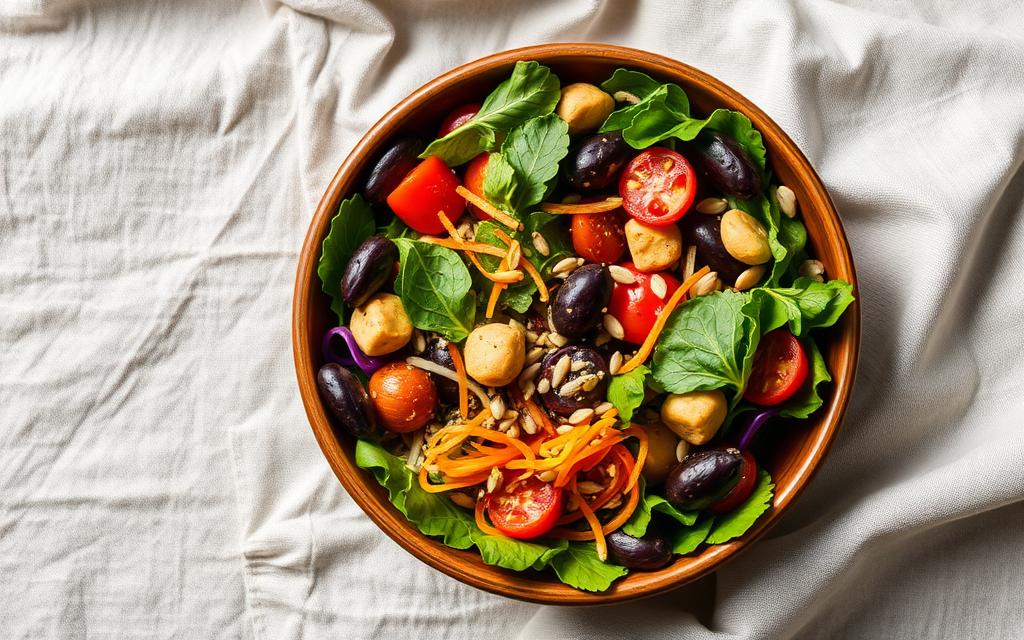
The Prophet Muhammad ﷺ had a diet rich in wholesome, natural foods, many of which are now lauded by nutritionists for their health benefits. These include:
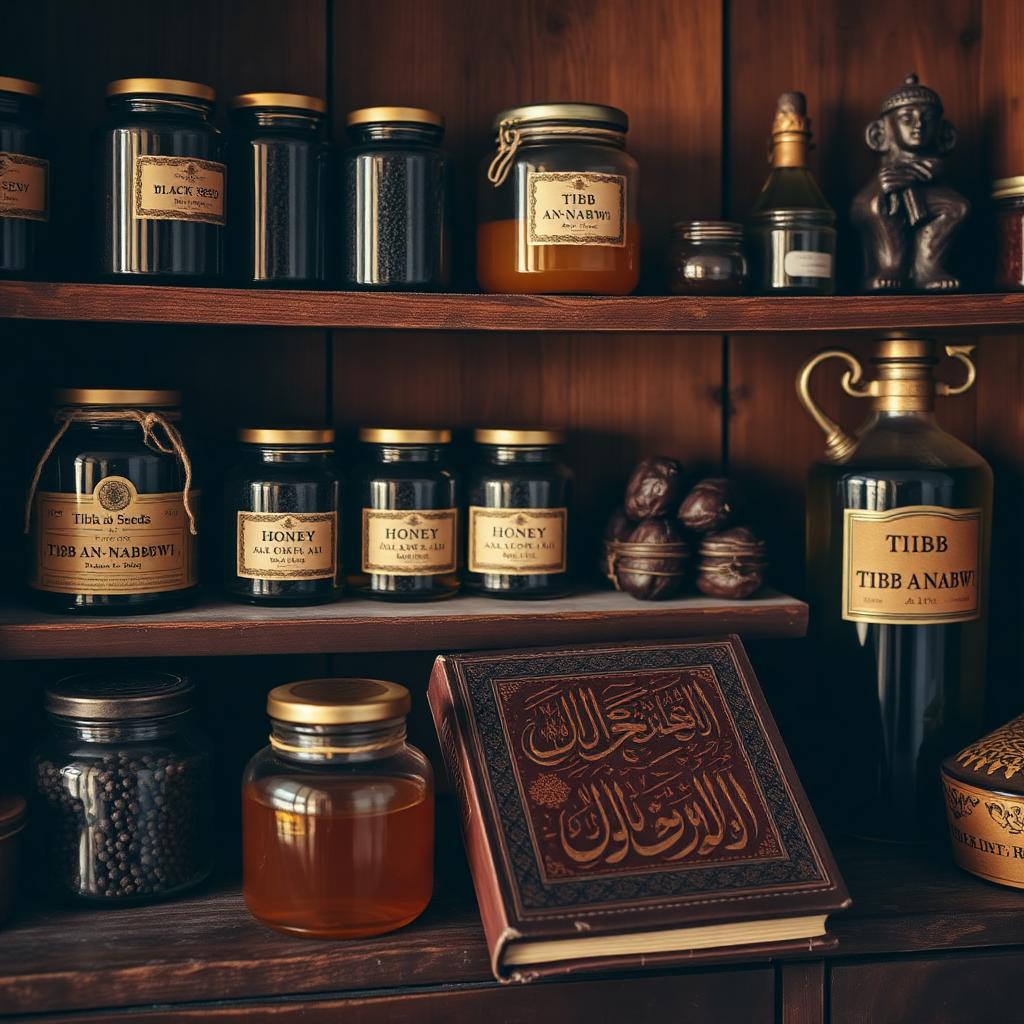
- Dates: A quick energy source, rich in fiber, potassium, and antioxidants. The Prophet ﷺ often broke his fast with dates, a practice scientifically proven to replenish energy stores and aid digestion after fasting.
- Honey: Described in the Quran as
shifa(a cure), honey has natural antibacterial, anti-inflammatory, and antioxidant properties. Modern medicine utilizes honey for wound healing and as a natural sweetener. - Olive Oil: A staple of the Mediterranean diet, olive oil is known for its heart-healthy monounsaturated fats and antioxidants. The Prophet ﷺ reportedly said, "Eat olive oil and anoint yourselves with it, for it is from a blessed tree." (Tirmidhi)
- Barley: Often consumed in a stew (Talbina), barley is a high-fiber grain known to aid digestion and maintain blood sugar levels. Researches have linked it to improved cardiovascular health.
- Milk: A source of calcium and essential nutrients, milk was a part of the Prophet's ﷺ diet.
- Vinegar: Used as a condiment, vinegar has been found to aid in blood sugar control and digestion.
These choices reflect a deep understanding of natural nutrition that predates modern scientific discoveries. The emphasis was on tayyib (pure, wholesome) foods, avoiding anything harmful or excessive.
Hygiene and Social Etiquette
Beyond what to eat, the Sunnah also guides how to eat. Washing hands before and after meals, eating with the right hand, saying Bismillah (in the name of Allah) before beginning, and Alhamdulillah (all praise be to Allah) upon finishing are all practices that combine spiritual consciousness with practical hygiene. Washing hands prevents the spread of germs, while Bismillah is a spiritual reminder to be grateful and present. Eating together, a frequent practice of the Prophet ﷺ, fosters community and strengthens social bonds, positively impacting mental and emotional well-being.
Fasting: A Spiritual and Physical Cleanse
Perhaps one of the most profound Prophetic dietary practices is fasting. Beyond the spiritual purification of Ramadan, the Prophet ﷺ encouraged voluntary fasting (e.g., Mondays and Thursdays). Scientific studies on intermittent fasting have shown remarkable benefits, including improved insulin sensitivity, cellular repair, reduced inflammation, and better weight management. This ancient religious practice has found contemporary validation for its physiological benefits, demonstrating Prophet Muhammad's ﷺ foresight.
Key Takeaways
- Moderation is key: Eat to live, don't live to eat. Half-fill your stomach for optimal digestion and health.
- Choose wholesome foods: Emphasize natural,
tayyibfoods like dates, honey, olives, and whole grains. - Practice mindful eating: Be present, grateful, and chew thoroughly.
- Maintain hygiene: Wash hands and be conscious of food preparation.
- Embrace fasting: Utilize its spiritual and physical benefits for renewal.
The Sunnah of eating offers a holistic approach to nutrition that integrates body, mind, and soul. It encourages mindfulness, gratitude, and balance, guiding us towards a life of health and well-being, both in this world and the hereafter.
Disclaimer: This article is for informational purposes and reflects Islamic teachings on health. It is not a substitute for professional medical advice, diagnosis, or treatment. Always seek the advice of your physician or other qualified health provider with any questions you may have regarding a medical condition.
Sources
Related reading
- Mindful Eating Practices — Discover how mindful eating can transform your relationship with food, promoting better digestion, weight management, an…
- The Prophetic Medicine (Tibb an-Nabawi): A Timeless Guide to Holistic Health — Discover how Prophetic Medicine offers a timeless, holistic approach to health, integrating body, mind, and soul with mo…
- Sleep and Rest in Islam: The Prophetic Sleep Schedule for Optimal Health — Discover the profound wisdom of Prophetic sleep for optimal health, blending timeless Islamic teachings with modern scie…
- The Healing Power of Black Seed (Habbatus Sauda) in Islamic Tradition — Discover the ancient wisdom of Black Seed in Islamic tradition, beautifully intertwined with modern science for holistic…
- The Wellness Power of Journaling — Discover how journaling can significantly enhance your mental and emotional well-being. This article explores the scient…
Written by
Health Hub Pro Editorial
Health writer at Health Hub Pro, focused on evidence-based, Sharia-conscious wellness.
View author profile →Medically reviewed by
Health Hub Pro Editorial Board
Researched & Reviewed
Last reviewed on