Olive Oil in Islam: The Blessed Tree of the Quran
Discover the blessed olive tree, a cornerstone of Islamic health and wellness, marrying ancient wisdom with modern science.
For informational purposes only. This article is educational and is not a substitute for professional medical advice, diagnosis, or treatment. Always consult a qualified healthcare provider about anything affecting your health. Read full disclaimer.
Olive Oil in Islam: The Blessed Tree of the Quran
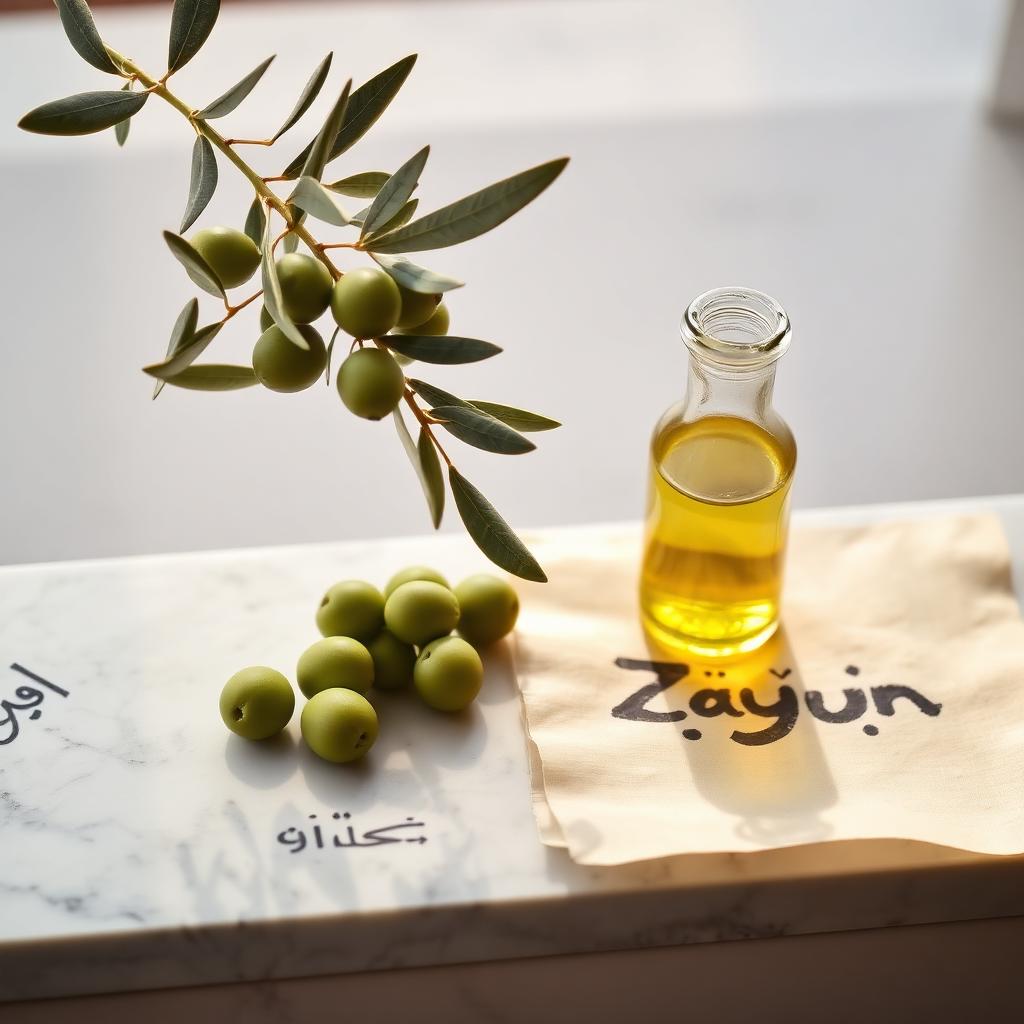
In the tapestry of Islamic traditions, few natural elements hold as profound a significance as the olive tree. Revered for its fruit, oil, and very essence, the olive is not merely a botanical specimen; it is a symbol woven into the spiritual and physical fabric of Muslim life, often referred to as 'the blessed tree' in the Quran. This reverence extends beyond mere anecdotal praise, finding profound resonance in both divine revelation and the lived practices of the Prophet Muhammad ﷺ, teachings that modern science increasingly validates.
The Quranic Endorsement: A Light Upon Light
The most poignant testament to the olive's importance in Islam comes directly from the Holy Quran. In Surah An-Nur (The Light), Allah Almighty describes His Divine Light with a beautiful metaphor that features the olive tree:
"Allah is the Light of the heavens and the earth. The example of His light is like a niche within which is a lamp, the lamp is in a glass, the glass as if it were a brilliant star, lit from [the oil of] a blessed olive tree, neither of the east nor of the west, whose oil would almost glow even if untouched by fire. Light upon light. Allah guides to His light whom He wills. And Allah presents examples for the people, and Allah is Knowing of all things." (Quran 24:35)
This verse elevates the olive to a celestial status, its oil symbolizing purity, clarity, and an inherent luminosity. The description of its oil glowing even without fire speaks to its exceptional quality and the blessings imbued within it. This divine acknowledgment forms the bedrock of its esteemed position in Islamic teachings on health and holistic well-being.
The Prophetic Sunnah: A Multifaceted Blessing
The life and teachings of the Prophet Muhammad ﷺ further illuminate the practical benefits and spiritual significance of olive oil. He not only praised it but actively incorporated it into his diet and daily routines, demonstrating its versatility and health-giving properties. Authentic hadith provide clear guidance:
‘Aqdī ibn ‘Āmir al-Juhanī reported that the Messenger of Allah ﷺ said: "Eat olive oil and anoint yourselves with it, for it comes from a blessed tree." (Sunan al-Tirmidhi)
This prophetic instruction highlights two primary uses: consumption and external application. The Prophet ﷺ's emphasis on both internal and external use underscores Islam's holistic approach to health, recognizing that well-being encompasses nourishment from within and care for the body's exterior.
Internal Benefits: The Prophet's ﷺ recommendation to eat olive oil points towards its dietary value. He would often consume it with bread, use it in cooking, or even take it pure. This aligns perfectly with modern nutritional science, which identifies extra virgin olive oil as a cornerstone of the Mediterranean diet, renowned for its health benefits. It is rich in monounsaturated fatty acids (MUFAs), particularly oleic acid, which are known to reduce inflammation, improve heart health by lowering LDL (bad) cholesterol, and increase HDL (good) cholesterol. Antioxidants like polyphenols in olive oil combat oxidative stress, protecting cells from damage and potentially reducing the risk of chronic diseases like cancer and neurodegenerative disorders. The anti-inflammatory properties are particularly relevant, given that chronic inflammation is a root cause of many modern ailments.
External Application: The command to anoint yourselves with olive oil highlights its topical uses. Historically, it was used for skin moisturization, hair conditioning, and even for massages. This practice finds modern validation in dermatology. Olive oil is a natural emollient, rich in vitamins E and K. It can hydrate the skin, protect against environmental damage, and soothe various skin conditions. For hair, it can strengthen strands, add shine, and potentially reduce dandruff due to its antimicrobial properties.
Islam's Holistic View: Body, Mind, and Soul
The Islamic emphasis on olive oil transcends mere physical health benefits. By associating it with a 'blessed tree' and linking it to the divine light, Islam instills a spiritual dimension to its consumption and use. This fosters a conscious awareness of the blessings bestowed by Allah, encouraging gratitude and mindful living. The act of eating or anointing with olive oil, understood through this spiritual lens, becomes an act of worship – caring for the body that is an amanah (trust) from Allah.
This holistic perspective, where physical nourishment is intertwined with spiritual reflection, exemplifies the beauty and depth of Islam's approach to health. It is not just about avoiding illness but about nurturing a state of optimal well-being that facilitates a deeper connection with the Creator and fosters a life of purpose and peace.
Key Takeaways:
- The olive tree is revered in Islam, with its oil mentioned in the Quran as part of the metaphor for Allah's divine light.
- The Prophet Muhammad ﷺ advocated for both the consumption and topical application of olive oil, highlighting its multifaceted benefits.
- Modern science confirms olive oil's benefits for heart health, inflammation reduction, antioxidant properties, and skin/hair care.
- Islam's teachings on olive oil underscore a holistic approach to health, integrating physical, spiritual, and mindful well-being.
Disclaimer: This article provides information based on Islamic teachings and scientific findings regarding olive oil. It is not intended as medical advice. Always consult with a qualified healthcare professional for any health concerns or before making changes to your diet or health regimen.
Sources
Related reading
- Sleep and Rest in Islam: The Prophetic Sleep Schedule for Optimal Health — Discover the profound wisdom of Prophetic sleep for optimal health, blending timeless Islamic teachings with modern scie…
- Dates (Tamr): The Superfood of the Prophet ﷺ — Discover how dates, reverently known as Tamr, embody a holistic blueprint for health, marrying Islamic wisdom with moder…
- The Healing Power of Black Seed (Habbatus Sauda) in Islamic Tradition — Discover the ancient wisdom of Black Seed in Islamic tradition, beautifully intertwined with modern science for holistic…
- Honey in the Quran: Nature's Cure Mentioned by Allah — Discover how the Quran glorifies honey as a divine cure, a testament to Islam's holistic approach to health, supported b…
- Miswak: The 1,400-Year-Old Natural Toothbrush of the Prophet — Discover the ancient wisdom of Miswak, the natural toothbrush cherished by the Prophet Muhammad ﷺ, and its enduring rele…
Written by
Health Hub Pro Editorial
Health writer at Health Hub Pro, focused on evidence-based, Sharia-conscious wellness.
View author profile →Medically reviewed by
Health Hub Pro Editorial Board
Researched & Reviewed
Last reviewed on