Honey in the Quran: Nature's Cure Mentioned by Allah
Discover how the Quran glorifies honey as a divine cure, a testament to Islam's holistic approach to health, supported by modern science.
For informational purposes only. This article is educational and is not a substitute for professional medical advice, diagnosis, or treatment. Always consult a qualified healthcare provider about anything affecting your health. Read full disclaimer.
Honey in the Quran: Nature's Cure Mentioned by Allah
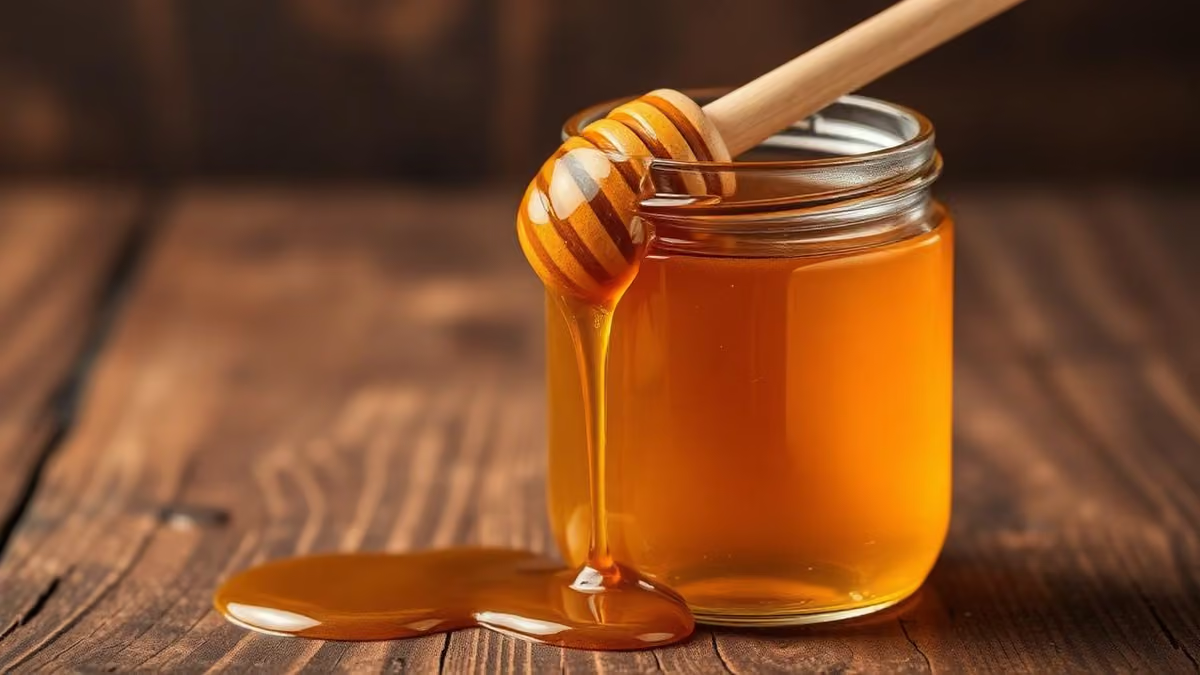
In the sacred texts of Islam, the Quran, we find not only guidance for our spiritual lives but also profound insights into the natural world and our well-being. Among the many marvels highlighted is honey, explicitly mentioned as a source of healing. This divine acknowledgment underscores Islam's holistic view of health, intertwining physical, mental, and spiritual well-being within the embrace of nature's bounties.
The Divine Revelation: Honey in the Quran
The miraculous nature of honey is beautifully articulated in Surah An-Nahl (The Bee). Allah (SWT) says:
"And your Lord inspired the bee, saying: 'Take (for yourself) houses from the mountains, and from the trees, and from what they erect. Then eat from all the fruits and follow the ways of your Lord laid down [for you]. There emerges from their bellies a drink, varying in colors, in which there is healing for people. Indeed in that is a sign for a people who give thought.'" (Quran 16:68-69)
This verse is a powerful testament to the divine origin of honey's healing properties. It directs humanity to reflect upon the intricate processes of creation. The phrase "healing for people" is unambiguous, positioning honey as a general remedy, a gift from the Creator. The varying colors of honey mentioned further allude to its diverse botanical origins, each imparting unique compositions and subtle benefits. This variety also highlights the intricate ecological relationships within nature.
The Sunnah of the Prophet ﷺ: A Practical Guide
The Prophet Muhammad (peace be upon him) further elaborated on the benefits of honey through his Sunnah (teachings and practices). His recommendations were often simple, practical, and deeply rooted in natural remedies, affirming the Quranic declaration. It is reported in Sahih al-Bukhari that the Prophet Muhammad ﷺ said:
"Honey is a remedy for every illness and the Qur'an is a remedy for all illnesses of the mind; therefore I recommend to you both remedies, the Qur'an and honey."
This Hadith elegantly connects physical healing (honey) with spiritual and mental healing (Quran), illustrating the integrated approach to well-being in Islam. The Prophet ﷺ himself would frequently consume honey, often mixed with water, as a daily practice for health and vitality. He also advised its use for various ailments. For instance, there are narrations where the Prophet ﷺ advised giving honey to a companion suffering from stomach pain, which subsequently brought relief. This practical application demonstrates the Prophet's ﷺ confidence in honey as a therapeutic agent.
What the evidence says: Benefits and Mechanisms of Action
Centuries after these divine revelations and prophetic teachings, modern scientific research continues to unravel the complex biochemical composition of honey, validating its therapeutic properties. Scientists have identified numerous beneficial components and mechanisms:
1. Antibacterial and Antiseptic Properties
Honey's antimicrobial activity is one of its most well-researched attributes. It operates through several mechanisms:
- Hydrogen Peroxide: Honey contains the enzyme glucose oxidase, which produces hydrogen peroxide, a mild antiseptic effective against a broad spectrum of bacteria, including antibiotic-resistant strains.
- High Sugar Concentration and Low Water Activity: Honey's high sugar concentration creates high osmotic pressure, drawing water out of bacterial cells and inhibiting their growth.
- Acidity (Low pH): The pH of honey (typically 3.2-4.5) creates an acidic environment unfavorable for most pathogenic bacteria.
- Phytochemicals: Plant-derived compounds (phytochemicals) like flavonoids and phenolic acids contribute to its antimicrobial effects.
These properties make honey a traditional and scientifically supported choice for wound care, helping to prevent infection and promote healing.
2. Anti-inflammatory Effects
The anti-inflammatory properties of honey are attributed primarily to its rich content of antioxidants and other bioactive compounds.
- Flavonoids and Polyphenols: These compounds scavenge free radicals, reducing oxidative stress that can trigger inflammatory responses.
- Modulation of Immune Response: Research suggests honey can modulate immune cell activity, influencing the release of inflammatory mediators. This contributes to its effectiveness in conditions like sore throats and respiratory infections.
3. Antioxidant Power
Honey is a rich source of antioxidants, including phenolic acids, flavonoids, ascorbic acid, and enzymes like catalase and glucose oxidase.
- Combating Oxidative Stress: Antioxidants neutralize reactive oxygen species (free radicals) that can damage cells and DNA. Oxidative stress is implicated in the development of numerous chronic diseases. Regular consumption of antioxidant-rich foods like honey can contribute to cellular protection and overall health.
4. Prebiotic Benefits and Gut Health
Certain types of honey, particularly raw and unprocessed varieties, contain oligosaccharides and other non-digestible carbohydrates.
- Nourishing Gut Microbiota: These compounds act as prebiotics, selectively feeding beneficial bacteria (like Bifidobacteria and Lactobacilli) in the gut. A healthy gut microbiome is crucial for optimal digestion, nutrient absorption, and immune system function.
5. Cough Suppressant and Sore Throat Relief
Honey has been extensively studied for its efficacy in relieving coughs and sore throats, especially in children.
- Coating and Soothing Effect: Its viscous texture coats the throat, providing immediate relief from irritation and reducing the urge to cough.
- Antimicrobial Action: By fighting off bacteria or viruses, honey can address the root cause of irritation.
- Stimulation of Saliva Production: The sweetness of honey can trigger increased saliva production, which helps to lubricate the throat and clear irritants. The World Health Organization (WHO) has acknowledged honey as a potential remedy for cough and cold symptoms, particularly for children over one year of age.
6. Wound Healing Properties
Beyond its antiseptic qualities, honey actively promotes wound healing:
- Moist Wound Environment: It creates a moist healing environment, crucial for cellular regeneration and minimizing scar formation.
- Stimulation of Tissue Growth: Honey can stimulate the growth of new tissue, aiding in wound closure.
- Debridement: Its enzymatic action can help remove dead tissue from wounds.
These scientific findings beautifully confirm the ancient wisdom encapsulated in the Quran and Sunnah.
Practical Guidance and Daily Habits
Incorporating honey into one's daily routine, inspired by Islamic tradition and supported by scientific evidence, can be a simple yet effective way to promote health and well-being.
Choosing the Right Honey
- Raw and Unfiltered: Opt for raw, unfiltered honey whenever possible. This type retains more of its natural enzymes, antioxidants, and beneficial pollen particles, which are often destroyed by pasteurization.
- Local Honey: Local honey may offer additional benefits, particularly for allergy sufferers, as it contains pollen specific to the region.
- Manuka Honey: Manuka honey, from New Zealand, is renowned for its potent antibacterial effects due to Methylglyoxal (MGO). It is often used for specific medicinal applications.
- Color and Source: The color and taste of honey vary greatly depending on the floral source. Darker honeys generally have higher antioxidant content.
Ways to Consume Honey
- Daily Dose (Sunnah Practice): Many Muslims consume a small amount of honey mixed with warm water, especially in the morning on an empty stomach. This is believed to aid digestion and boost energy.
- Sweetener Alternative: Use honey as a natural sweetener in teas, coffees, yogurts, smoothies, and baked goods instead of refined sugar.
- Topical Application: For minor cuts, burns, or skin irritations, apply a thin layer of raw honey to the affected area, then cover with a sterile dressing.
- Cough and Sore Throat Remedy: Mix honey with lemon juice and warm water for a soothing cough syrup. A spoonful of plain honey before bed can help reduce nighttime coughing.
- Skincare: Honey's antibacterial and moisturizing properties make it an excellent ingredient for homemade facial masks.
Important Considerations
- Children Under One: Honey should never be given to infants under one year of age due to the risk of infant botulism.
- Diabetes: Honey affects blood sugar levels. Individuals with diabetes should consume honey in moderation and under guidance from a healthcare professional.
- Allergies: Some individuals may be allergic to honey, particularly if they have pollen allergies.
- Storage: Store honey in a cool, dark place in an airtight container. Crystallization is natural and does not indicate spoilage.
Islam's Holistic View of Health and Natural Living
The emphasis on honey is just one example of Islam's comprehensive approach to health. It encourages a lifestyle that nurtures the body, mind, and soul in harmony with nature. Key elements include:
- Purity (Taharah): Emphasizing cleanliness in daily life, from personal hygiene to food preparation, extending to inner self and clean thoughts.
- Moderation (Wasatiyyah): Avoiding extremes in eating, drinking, and all aspects of life, guiding believers towards balance.
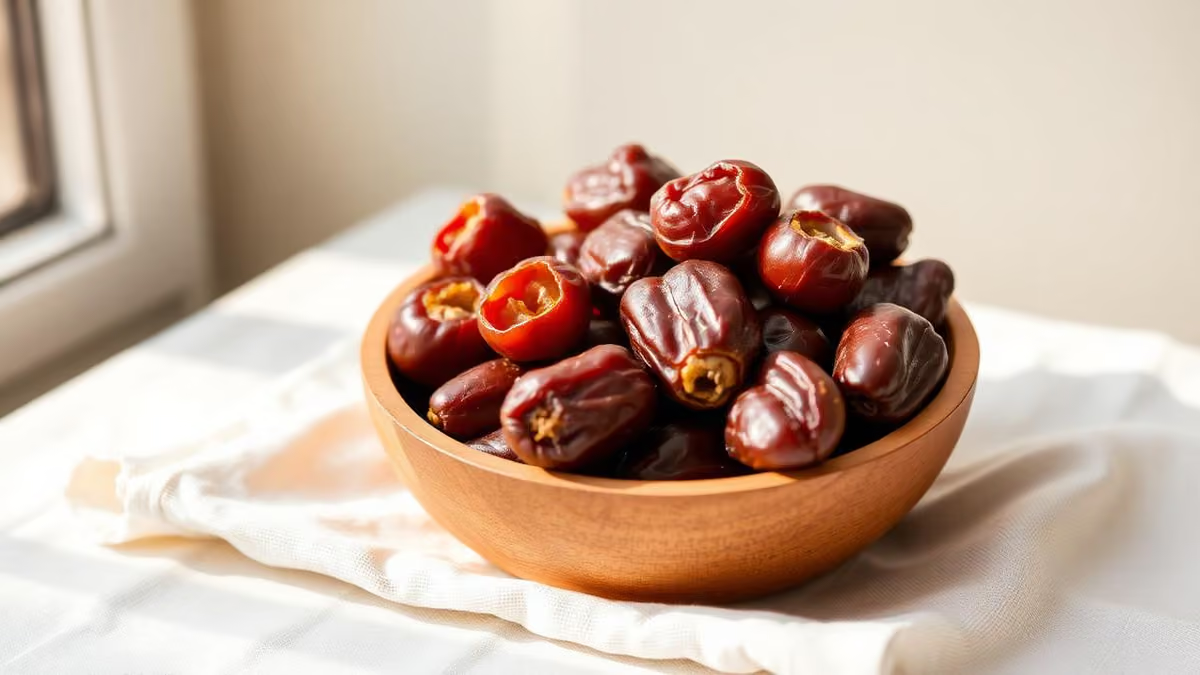
- Nourishment (Ghidha'): Prioritizing wholesome, natural foods, as exemplified by the Prophet's ﷺ diet, which included dates, olive oil, barley, milk, and honey. The Quran encourages eating "tayyibat" (good and pure things).
- Spiritual Connection (Taqwa): Believing that true healing ultimately comes from Allah (SWT) and seeking His help through prayer and supplication. This spiritual dimension provides resilience and hope.
- Physical Activity: The Sunnah also promotes physical activity through practices like walking, horse riding, and archery.
- Mental Well-being: The Quran and Sunnah stress the importance of mental peace and contentment, often achieved through remembrance of Allah (dhikr).
The inclusion of honey as a divinely sanctioned cure reinforces the idea that Allah has provided remedies in His creation. It encourages reflection on the delicate balance of ecosystems and the profound wisdom embedded in the natural world. This integrative approach views health not merely as the absence of disease, but as a state of complete physical, mental, and spiritual well-being, nurtured by both divine guidance and nature's gifts.
When to see a clinician
While honey offers numerous health benefits, it is not a substitute for professional medical care, especially for serious conditions.
Consult a clinician if you experience:
- Severe or persistent symptoms: If a condition does not improve with honey or worsens, or persists for more than a few days.
- High fever, difficulty breathing, or severe pain: These require immediate medical attention.
- Deep cuts, large burns, or wounds that show signs of infection (redness, swelling, pus): Serious wounds require professional assessment and treatment.
- Chronic health conditions: Consult your doctor before making significant dietary changes or using honey as a primary treatment.
- Allergic reactions: If you suspect an allergic reaction to honey, seek emergency medical care.
- Infants under one year of age: Never give honey to infants under one year due to botulism risk. Always consult a pediatrician if an infant is unwell.
Honey can be a valuable part of a holistic health approach, but it should complement, not replace, medical advice and treatment when necessary.
Frequently asked questions
Q1: Is all honey mentioned in the Quran and Sunnah the same as what is available today?
A1: The Quran refers to honey generally as a "healing for people." While specific types of honey from the Arabian Peninsula during the revelation might differ, the core message about honey's therapeutic properties remains universally applicable. Modern science confirms that all raw, natural honeys possess beneficial compounds, though their concentration can vary based on floral source. The principle of seeking natural, unadulterated honey for its healing benefits is consistent.
Q2: Can honey truly cure all illnesses, as suggested by some interpretations?
A2: The Hadith states that "Honey is a remedy for every illness," implying broad healing properties. However, honey is not a standalone cure for every specific disease, especially severe or chronic conditions requiring specialized medical intervention. Rather, it acts as a powerful adjuvant, supporting the body's natural healing mechanisms, boosting immunity, and providing relief for numerous ailments. It's a general healing agent, not a magic bullet for every specific pathology.
Q3: How does the "varying in colors" mentioned in the Quran relate to honey's properties?
A3: The Quranic description of honey "varying in colors" (Quran 16:69) is a scientific marvel. The color, taste, aroma, and therapeutic properties of honey are directly influenced by the specific flowers from which bees collect nectar. Darker honeys generally have a higher concentration of antioxidants and minerals. This diversity means different types of honey may offer slightly different benefits, underscoring the richness and complexity of this natural product and divine wisdom.
Q4: Are there any specific types of honey that are considered more beneficial in Islamic tradition?
A4: While the Quran and Sunnah do not specify particular types, Sidr honey, from the Sidr tree, is highly valued in the Middle East. However, the overarching principle is the consumption of pure, natural honey. The Prophet Muhammad ﷺ did not restrict his advice to a single type, implying that general benefits apply to natural honey from various flora.
Q5: How can honey's spiritual healing aspect be understood alongside its physical benefits?
A5: In Islam, health is holistic. The Hadith stating "Honey is a remedy for every illness and the Qur'an is a remedy for all illnesses of the mind" beautifully illustrates this. Honey, by promoting physical health, allows an individual to better perform acts of worship and engage with the world, supporting spiritual growth. Its consumption, in light of the Quranic verse, is also an act of obedience and reflection, strengthening one's spiritual connection. Thus, while honey has tangible physical benefits, recognizing its divine origin and consuming it with gratitude can also contribute to spiritual healing.
Key takeaways
- The Quran explicitly identifies honey as a source of healing for people, a divine gift reflecting Allah's wisdom.
- The Prophet Muhammad ﷺ emphasized honey's medicinal benefits, integrating it into a holistic approach to well-being.
- Modern science supports honey's antibacterial, anti-inflammatory, antioxidant, prebiotic, and wound-healing properties, validating ancient wisdom.
- Incorporating raw, natural honey into daily life, with awareness of its appropriate use, can contribute to overall health.
- Honey is a testament to Islam's holistic and natural approach to health, integrating physical, mental, and spiritual well-being.
Disclaimer: This article is for informational purposes only and is not intended to be a substitute for professional medical advice, diagnosis, or treatment. Always seek the advice of your physician or other qualified health provider with any questions you may have regarding a medical condition.
Related reading
Keep exploring this topic with our related, evidence-reviewed guides:
- The Prophetic Medicine (Tibb an-Nabawi): A Timeless Guide to — Discover how Prophetic Medicine offers a timeless, holistic approach to health, integrating body, mind, and soul with modern scien…
- Olive Oil in Islam: The Blessed Tree of the Quran — Discover the blessed olive tree, a cornerstone of Islamic health and wellness, marrying ancient wisdom with modern science.
- The Healing Power of Black Seed (Habbatus Sauda) in Islamic — Discover the ancient wisdom of Black Seed in Islamic tradition, beautifully intertwined with modern science for holistic well-bein…
- Miswak: The 1,400-Year-Old Natural Toothbrush of the Prophet — Discover the ancient wisdom of Miswak, the natural toothbrush cherished by the Prophet Muhammad ﷺ, and its enduring relevance.
- Sleep and Rest in Islam: The Prophetic Sleep Schedule for — Discover the profound wisdom of Prophetic sleep for optimal health, blending timeless Islamic teachings with modern science.
- Wudu and Hygiene: How Islam Pioneered Daily Cleanliness — Discover how Wudu, Islam's ritual ablution, pioneered daily hygiene with profound spiritual and scientific benefits.
Sources
- The Quran, Surah An-Nahl (16):68-69.
- Sahih al-Bukhari, Hadith on Honey.
- World Health Organization (WHO) - for information on cough and cold remedies.
- Mayo Clinic - for general health information and advice on natural remedies.
- National Institutes of Health (NIH) - for scientific research and studies on honey's properties.
- Cochrane Library - for systematic reviews on the efficacy of honey in medical applications.
Sources
Evidence & citations
- Every claim in this islamic health teachings guide is backed by primary data — browse the global health statistics behind prophetic health practices in our sourced statistics library.
- Writing about this topic? Researchers, journalists and educators can cite our Islamic health teachings research with ready-made APA, MLA and Chicago references.
My notes on this one
The short version of 5 minutes of reading — what stuck with me while writing “Honey in the Quran: Nature's Cure Mentioned by Allah”, what the sources back up, and what I'd actually do about it.
What I'd take away
01 · The Divine Revelation: Honey in the Quran
Indeed in that is a sign for a people who give thought.'" (Quran 16:68-69) This verse is a powerful testament to the divine origin of honey's healing properties.
02 · The Sunnah of the Prophet ﷺ: A Practical Gui…
For instance, there are narrations where the Prophet ﷺ advised giving honey to a companion suffering from stomach pain, which subsequently brought relief.
03 · What the evidence says: Benefits and Mechani…
Centuries after these divine revelations and prophetic teachings, modern scientific research continues to unravel the complex biochemical composition of honey, validating its therapeutic properties.
04 · 1. Antibacterial and Antiseptic Properties
It operates through several mechanisms: These properties make honey a traditional and scientifically supported choice for wound care, helping to prevent infection and promote healing.
05 · 2. Anti-inflammatory Effects
Modulation of Immune Response: Research suggests honey can modulate immune cell activity, influencing the release of inflammatory mediators…
What the sources I read actually say
In the sacred texts of Islam, the Quran, we find not only guidance for our spiritual lives but also profound insights into the natural world and our well-being.
The Holy QuranAmong the many marvels highlighted is honey, explicitly mentioned as a source of healing.
The therapeutic effects of honeyThe miraculous nature of honey is beautifully articulated in Surah An-Nahl (The Bee).
Honey for acute cough in children
Questions I kept coming back to
Is all honey mentioned in the Quran and Sunnah the same as what is available today?+
The Quran refers to honey generally as a "healing for people." While specific types of honey from the Arabian Peninsula during the revelation might differ, the core message about honey's therapeutic properties remains universally applicable. Modern science confirms that all raw, natural honeys possess beneficial compounds, though their concentration can vary based on floral source. The principle of seeking natural…
Can honey truly cure all illnesses, as suggested by some interpretations?+
The Hadith states that "Honey is a remedy for every illness," implying broad healing properties. However, honey is not a standalone cure for every specific disease, especially severe or chronic conditions requiring specialized medical intervention. Rather, it acts as a powerful adjuvant, supporting the body's natural healing mechanisms, boosting immunity, and providing relief for numerous ailments…
How does the "varying in colors" mentioned in the Quran relate to honey's properties?+
The Quranic description of honey "varying in colors" (Quran 16:69) is a scientific marvel. The color, taste, aroma, and therapeutic properties of honey are directly influenced by the specific flowers from which bees collect nectar. Darker honeys generally have a higher concentration of antioxidants and minerals. This diversity means different types of honey may offer slightly different benefits…
Are there any specific types of honey that are considered more beneficial in Islamic tradition?+
While the Quran and Sunnah do not specify particular types, Sidr honey, from the Sidr tree, is highly valued in the Middle East. However, the overarching principle is the consumption of pure, natural honey. The Prophet Muhammad ﷺ did not restrict his advice to a single type, implying that general benefits apply to natural honey from various flora.
How can honey's spiritual healing aspect be understood alongside its physical benefits?+
In Islam, health is holistic. The Hadith stating "Honey is a remedy for every illness and the Qur'an is a remedy for all illnesses of the mind" beautifully illustrates this. Honey, by promoting physical health, allows an individual to better perform acts of worship and engage with the world, supporting spiritual growth. Its consumption, in light of the Quranic verse, is also an act of obedience and reflection…
Was this article helpful?
Be the first to rate this article.
Written by
FaizRuh
I write Health Hub Pro on my own — no clinical licence, no anonymous review panel. Just the published guidance, read carefully and explained plainly.
More about me →How this page was checked
Every claim above is checked against the sources listed at the bottom of this article — WHO, CDC, NIH, NHS, Cochrane and major clinical guidelines. Drafting is AI-assisted; the editing, fact-checking and final wording are mine. It's information, not medical advice. Spotted an error? Tell me and I'll fix it.
Last checked on