Honey in the Quran: Nature's Cure Mentioned by Allah
Discover how the Quran glorifies honey as a divine cure, a testament to Islam's holistic approach to health, supported by modern science.
For informational purposes only. This article is educational and is not a substitute for professional medical advice, diagnosis, or treatment. Always consult a qualified healthcare provider about anything affecting your health. Read full disclaimer.
Honey in the Quran: Nature's Cure Mentioned by Allah
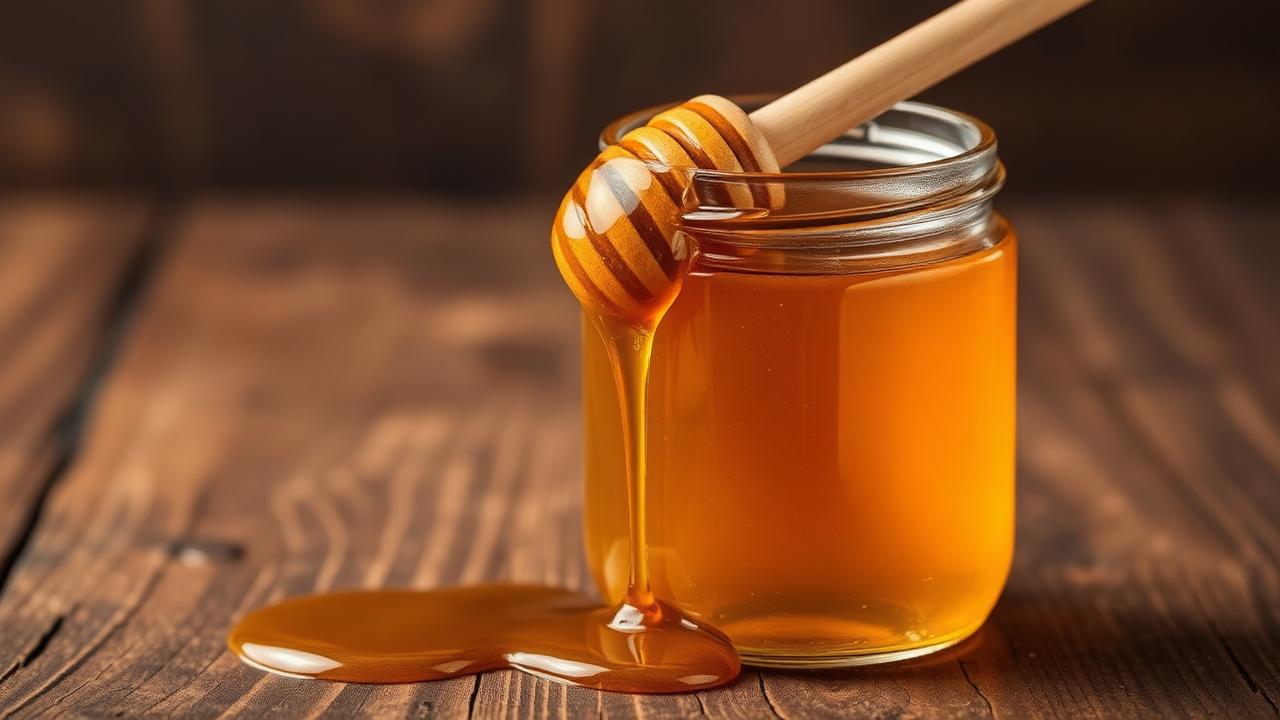
In the sacred texts of Islam, the Quran, we find not only guidance for our spiritual lives but also profound insights into the natural world and our well-being. Among the many marvels highlighted is honey, a golden elixir explicitly mentioned as a source of healing. This divine acknowledgment underscores Islam's holistic view of health, intertwining physical, mental, and spiritual well-being within the embrace of nature's bounties.
The Divine Revelation: Honey in the Quran
The miraculous nature of honey is beautifully articulated in Surah An-Nahl (The Bee), a chapter aptly named after the industrious insect responsible for this sweet substance. Allah (SWT) says:
"And your Lord inspired the bee, saying: 'Take (for yourself) houses from the mountains, and from the trees, and from what they erect. Then eat from all the fruits and follow the ways of your Lord laid down [for you]. There emerges from their bellies a drink, varying in colors, in which there is healing for people. Indeed in that is a sign for a people who give thought.'" (Quran 16:68-69)
This verse is a powerful testament to the divine origin of honey's healing properties. It directs humanity to reflect upon the intricate processes of creation, from the bee's journey to the miraculous drink it produces. The phrase "healing for people" is unambiguous, positioning honey as a general remedy, a gift from the Creator to aid humanity's health.
The Sunnah of the Prophet ﷺ: A Practical Guide
The Prophet Muhammad (peace be upon him) further elaborated on the benefits of honey through his Sunnah (teachings and practices). His recommendations were often simple, practical, and deeply rooted in natural remedies, affirming the Quranic declaration. It is reported in Sahih al-Bukhari that the Prophet Muhammad ﷺ said:
"Honey is a remedy for every illness and the Qur'an is a remedy for all illnesses of the mind; therefore I recommend to you both remedies, the Qur'an and honey."
This Hadith elegantly connects physical healing (honey) with spiritual and mental healing (Quran), illustrating the integrated approach to well-being in Islam. The Prophet ﷺ himself would frequently consume honey, often mixed with water, as a daily practice for health and vitality. He also advised its use for various ailments, from digestive issues to general weakness, highlighting its versatile remedial nature.
Modern Science Validates Ancient Wisdom
Centuries after these divine revelations and prophetic teachings, modern scientific research continues to unravel the complex biochemical composition of honey, validating its therapeutic properties. Scientists have identified:
- Antibacterial and Antiseptic Properties: Honey contains hydrogen peroxide, an enzyme that gives it natural antiseptic qualities, making it effective against a wide range of bacteria, including antibiotic-resistant strains. This explains its traditional use in wound healing and infection prevention.
- Anti-inflammatory Effects: Flavonoids and polyphenols in honey act as antioxidants and anti-inflammatory agents, helping to reduce swelling and pain, particularly in respiratory conditions and digestive disorders.
- Antioxidant Power: Rich in antioxidants, honey helps to combat oxidative stress in the body, which is linked to various chronic diseases and the aging process. This aligns with its role in overall well-being.
- Prebiotic Benefits: Certain types of honey contain oligosaccharides, which act as prebiotics, nourishing beneficial gut bacteria. A healthy gut microbiome is crucial for digestion, immunity, and even mental health.
- Cough Suppressant: Studies have shown honey to be as effective, if not more effective, than some over-the-counter cough suppressants for children, providing natural relief for sore throats and coughs.
These scientific findings beautifully confirm the ancient wisdom encapsulated in the Quran and Sunnah, demonstrating the timeless relevance of Islamic health teachings.
Islam's Holistic View of Health and Natural Living
The emphasis on honey is just one example of Islam's comprehensive approach to health, which extends beyond merely treating symptoms. It encourages a lifestyle that nurtures the body, mind, and soul in harmony with nature. Key elements include:
- Purity (Taharah): Emphasizing cleanliness in daily life, from personal hygiene to food preparation.
- Moderation (Wasatiyyah): Avoiding extremes in eating, drinking, and all aspects of life.
- Nourishment (Ghidha'): Prioritizing wholesome, natural foods, as exemplified by the Prophet's ﷺ diet.
- Spiritual Connection (Taqwa): Believing that true healing ultimately comes from Allah (SWT) and seeking His help through prayer and trust.
The inclusion of honey as a divinely sanctioned cure reinforces the idea that Allah has provided remedies in His creation for our ailments. It encourages reflection on the delicate balance of ecosystems and the profound wisdom embedded in the natural world.
Key Takeaways
- The Quran explicitly identifies honey as a source of healing for people.
- The Prophet Muhammad ﷺ emphasized honey's medicinal benefits, often using it himself.
- Modern science supports honey's antibacterial, anti-inflammatory, antioxidant, and prebiotic properties.
- Honey is a testament to Islam's holistic and natural approach to health, integrating physical and spiritual well-being.
Disclaimer: This article is for informational purposes only and is not intended to be a substitute for professional medical advice, diagnosis, or treatment. Always seek the advice of your physician or other qualified health provider with any questions you may have regarding a medical condition.
Sources
Related reading
- The Prophetic Medicine (Tibb an-Nabawi): A Timeless Guide to Holistic Health — Discover how Prophetic Medicine offers a timeless, holistic approach to health, integrating body, mind, and soul with mo…
- Olive Oil in Islam: The Blessed Tree of the Quran — Discover the blessed olive tree, a cornerstone of Islamic health and wellness, marrying ancient wisdom with modern scien…
- Sleep and Rest in Islam: The Prophetic Sleep Schedule for Optimal Health — Discover the profound wisdom of Prophetic sleep for optimal health, blending timeless Islamic teachings with modern scie…
- Dates (Tamr): The Superfood of the Prophet ﷺ — Discover how dates, reverently known as Tamr, embody a holistic blueprint for health, marrying Islamic wisdom with moder…
- The Healing Power of Black Seed (Habbatus Sauda) in Islamic Tradition — Discover the ancient wisdom of Black Seed in Islamic tradition, beautifully intertwined with modern science for holistic…
Written by
Health Hub Pro Editorial
Health writer at Health Hub Pro, focused on evidence-based, Sharia-conscious wellness.
View author profile →Medically reviewed by
Health Hub Pro Editorial Board
Researched & Reviewed
Last reviewed on