Olive Oil in Islam: The Blessed Tree of the Quran
Discover the blessed olive tree, a cornerstone of Islamic health and wellness, marrying ancient wisdom with modern science.
For informational purposes only. This article is educational and is not a substitute for professional medical advice, diagnosis, or treatment. Always consult a qualified healthcare provider about anything affecting your health. Read full disclaimer.
Olive Oil in Islam: The Blessed Tree of the Quran
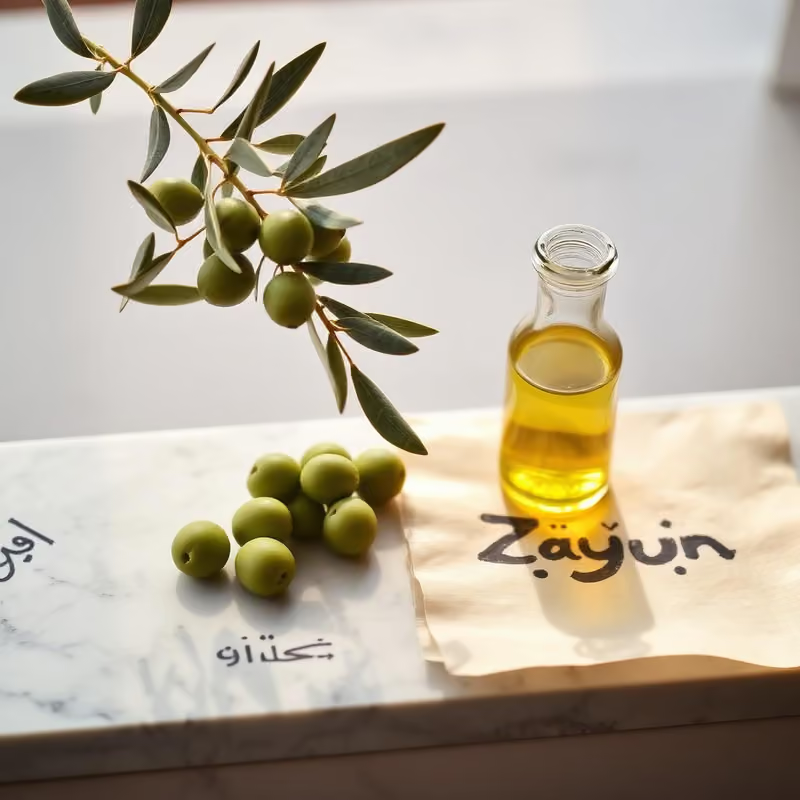
In the tapestry of Islamic traditions, few natural elements hold as profound a significance as the olive tree. Revered for its fruit, oil, and very essence, the olive is not merely a botanical specimen; it is a symbol woven into the spiritual and physical fabric of Muslim life, often referred to as 'the blessed tree' in the Quran. This reverence extends beyond mere anecdotal praise, finding profound resonance in both divine revelation and the lived practices of the Prophet Muhammad ﷺ, teachings that modern science increasingly validates.
The Quranic Endorsement: A Light Upon Light
The most poignant testament to the olive's importance in Islam comes directly from the Holy Quran. In Surah An-Nur (The Light), Allah Almighty describes His Divine Light with a beautiful metaphor that features the olive tree:
"Allah is the Light of the heavens and the earth. The example of His light is like a niche within which is a lamp, the lamp is in a glass, the glass as if it were a brilliant star, lit from [the oil of] a blessed olive tree, neither of the east nor of the west, whose oil would almost glow even if untouched by fire. Light upon light. Allah guides to His light whom He wills. And Allah presents examples for the people, and Allah is Knowing of all things." (Quran 24:35)
This verse elevates the olive to a celestial status, its oil symbolizing purity, clarity, and an inherent luminosity. The description of its oil glowing even without fire speaks to its exceptional quality and the blessings imbued within it. This divine acknowledgment forms the bedrock of its esteemed position in Islamic teachings on health and holistic well-being.
The Prophetic Sunnah: A Multifaceted Blessing
The life and teachings of the Prophet Muhammad ﷺ further illuminate the practical benefits and spiritual significance of olive oil. He not only praised it but actively incorporated it into his diet and daily routines. Authentic hadith provide clear guidance:
‘Aqdī ibn ‘Āmir al-Juhanī reported that the Messenger of Allah ﷺ said: "Eat olive oil and anoint yourselves with it, for it comes from a blessed tree." (Sunan al-Tirmidhi)
This prophetic instruction highlights two primary uses: consumption and external application. The Prophet ﷺ's emphasis on both internal and external use underscores Islam's holistic approach to health.
What the Evidence Says
Modern scientific research has extensively explored the properties of olive oil, particularly extra virgin olive oil (EVOO), consistently corroborating the wisdom found in Islamic tradition. The health benefits are primarily attributed to its unique composition of monounsaturated fatty acids (MUFAs) and an abundance of bioactive compounds, including polyphenols, vitamin E, and carotenoids.
Cardiovascular Health (NIH, AHA)
Extra virgin olive oil is a cornerstone of the Mediterranean diet, recognized for its heart-protective qualities. Its high oleic acid content helps lower low-density lipoprotein (LDL) cholesterol ("bad" cholesterol) and may increase high-density lipoprotein (HDL) cholesterol ("good" cholesterol). This contributes to a reduced risk of atherosclerosis, lowering the risk of heart attack and stroke. Furthermore, EVOO's polyphenols, like oleuropein and hydroxytyrosol, exert powerful antioxidant effects that protect LDL particles from oxidative damage, a key step in heart disease development. They also improve endothelial function, promoting better blood pressure regulation.
Anti-inflammatory Properties (NIH)
Chronic inflammation drives many modern diseases. Olive oil contains compounds like oleocanthal, which possesses anti-inflammatory properties similar to NSAIDs, though milder. These anti-inflammatory effects contribute to its protective role against various chronic conditions by inhibiting pro-inflammatory enzymes.
Antioxidant Benefits (NIH)
The rich array of antioxidants in olive oil, including polyphenols, vitamin E, and carotenoids, helps combat oxidative stress caused by free radicals. Oxidative stress can damage cells, contributing to aging and chronic diseases. By neutralizing free radicals, these antioxidants protect cellular integrity and support overall cellular health.
Digestive Health (NIH)
Olive oil has traditionally been used to aid digestion. It can have a mild laxative effect, helping to alleviate constipation. Emerging research suggests that its polyphenols may positively influence the gut microbiome, promoting beneficial bacteria. A healthy gut microbiome is crucial for nutrient absorption, immune function, and mood regulation.
Brain Health (NIH)
The healthy fats and antioxidants in olive oil are beneficial for brain health. Oxidative stress and inflammation are implicated in neurodegenerative diseases. Olive oil's protective effects against these processes may help preserve cognitive function and reduce the risk of neurodegeneration. Diets rich in olive oil are associated with better cognitive performance in older adults.
Skin and Hair Health (NIH)
Topical application of olive oil aligns with its benefits for skin and hair. As a natural emollient, it moisturizes and hydrates the skin, forming a protective barrier. Its vitamin E content provides antioxidant protection for the skin. For hair, it conditions, adds shine, and may help soothe dry scalp conditions.
Treatment and Management Options
While olive oil is a beneficial dietary component and topical agent, it is crucial to understand that it is a food item, not a medicinal treatment for specific diseases. Its role is primarily supportive, contributing to overall health as part of a balanced lifestyle.
Dietary Inclusion
- Cooking and Dressing: Incorporate extra virgin olive oil (EVOO) into daily cooking for sautéing vegetables, marinades, or salad dressings.
- Replacement for Unhealthy Fats: Substitute less healthy fats like butter or refined vegetable oils with olive oil.
- Dipping: Enjoy it with bread.
- Moderation: While healthy, olive oil is calorie-dense. Consume in moderation.
Topical Applications
- Moisturizer: Apply a small amount to clean skin, particularly after bathing.
- Hair Conditioner: Use as a pre-shampoo treatment or a leave-in conditioner for dry, damaged hair.
- Massage Oil: Its smooth texture makes it an excellent natural oil for massages.
- Nail and Cuticle Care: Massage into nails and cuticles to strengthen them.
Selecting Quality Olive Oil
For maximum health benefits, opt for extra virgin olive oil (EVOO). This classification indicates that the oil is unrefined and extracted mechanically, preserving its beneficial compounds, flavor, and aroma. Look for dark bottles to protect against light degradation and check for harvest dates for freshness. Store in a cool, dark place.
Prevention and Daily Habits
Integrating olive oil into daily habits, combined with a holistic Islamic lifestyle, can contribute significantly to disease prevention and overall well-being.
- Balanced Diet: Make olive oil a staple in a diet rich in fruits, vegetables, whole grains, lean proteins, and legumes.
- Regular Physical Activity: Combine a healthy diet with consistent physical exercise.
- Mindful Consumption: Approach eating with intention and gratitude.
- Spiritual Practices: Incorporate regular prayer and remembrance of Allah (dhikr). These practices foster spiritual well-being, reduce stress, and contribute to mental and emotional health.
- Adequate Sleep: Ensure sufficient and quality sleep.
- Stress Management: Utilize Islamic practices like patience (sabr) and reliance on Allah (tawakkul).
- Hydration: Drink plenty of water.
- Hygiene: Maintain good personal hygiene, as cleanliness (taharah) is fundamental in Islam.
Islam's Holistic View: Body, Mind, and Soul
The Islamic emphasis on olive oil transcends mere physical health benefits. By associating it with a 'blessed tree' and linking it to the divine light, Islam instills a spiritual dimension to its consumption and use. This fosters conscious awareness of Allah's blessings, encouraging gratitude and mindful living. The act of eating or anointing with olive oil, understood through this spiritual lens, becomes an act of worship – caring for the body that is an amanah (trust) from Allah.
This holistic perspective, where physical nourishment is intertwined with spiritual reflection, exemplifies Islam's approach to health. It is not just about avoiding illness but about nurturing optimal well-being that facilitates a deeper connection with the Creator and fosters a life of purpose and peace.
When to See a Clinician
While olive oil offers numerous health benefits and is a staple in a healthy diet, it is not a substitute for medical evaluation or treatment.
- New or Worsening Symptoms: If you experience any new, unusual, or worsening symptoms, such as persistent pain, unexplained weight changes, or chronic digestive issues, consult a healthcare professional.
- Chronic Health Conditions: Individuals with pre-existing chronic conditions like heart disease, diabetes, or high blood pressure should follow their clinician's advice regarding diet and treatment. Do not alter prescribed medications or treatment plans based solely on dietary changes.
- Allergies or Adverse Reactions: If you suspect an allergy to olive oil or experience any adverse reactions (e.g., skin rash, digestive upset) after consumption or topical application, discontinue use and seek medical advice.
- Before Major Dietary Changes: If you plan to make significant changes to your diet, especially if you have underlying health concerns or are on medication, discuss these changes with your doctor or a registered dietitian.
- Specific Medical Concerns: For any specific medical concerns or conditions where diet might play a role in management, such as irritable bowel syndrome, inflammatory conditions, or high cholesterol, consult a clinician for personalized guidance.
Frequently Asked Questions
Q1: Is there a specific type of olive oil recommended in Islam?
A: While the Quran and Sunnah do not specify a "type" of olive oil beyond referring to it as oil from a "blessed tree," from a scientific perspective, extra virgin olive oil (EVOO) is considered the highest quality and most beneficial due to its unrefined nature and higher concentration of beneficial compounds. This aligns with the concept of utilizing the best and purest form of Allah's blessings.
Q2: Can olive oil be used for spiritual healing in Islam?
A: In Islamic tradition, olive oil is regarded as blessed, and some Muslims use it with the intention of seeking healing, often alongside spiritual practices like reciting Quranic verses (ruqyah) over it. However, it's crucial to understand that while belief in the blessings of olive oil is part of faith, it should not replace conventional medical treatment. It is typically seen as a complementary aid and a means of seeking blessings from Allah, not a standalone cure.
Q3: How much olive oil should I consume daily for health benefits?
A: There isn't a universally prescribed dosage, but common recommendations from health organizations promoting the Mediterranean diet suggest around 2-4 tablespoons (30-60 ml) of extra virgin olive oil per day. This amount can be spread throughout the day in cooking, salad dressings, or as a dip. The key is to incorporate it consistently as part of an overall healthy and balanced diet.
Q4: Are there any side effects or precautions for using olive oil?
A: Olive oil is generally safe for consumption and topical use. However, being calorie-dense, excessive oral intake can lead to weight gain. For topical use, some individuals may experience allergic reactions. Always perform a patch test when using topically for the first time. For internal use, individuals with certain medical conditions, especially gallbladder issues, should consult their clinician before significantly increasing intake.
Q5: How does Islam's view of olive oil compare with other traditional uses of natural foods?
A: Islam places a strong emphasis on natural and wholesome foods, seeing them as blessings from Allah. Like dates, honey, and black seed, olive oil is highlighted for its multifaceted benefits, embodying a holistic approach to health that combines nutrition, spiritual well-being, and preventive measures. This aligns with a broader Islamic teaching that encourages the use of natural remedies and a balanced lifestyle, recognizing that Allah has placed healing and benefit in His creation.
Key Takeaways:
- The olive tree is revered in Islam, with its oil mentioned in the Quran as part of the metaphor for Allah's divine light.
- The Prophet Muhammad ﷺ advocated for both the consumption and topical application of olive oil, highlighting its multifaceted benefits.
- Modern science confirms olive oil's benefits for heart health, inflammation reduction, antioxidant properties, and skin/hair care.
- Islam's teachings on olive oil underscore a holistic approach to health, integrating physical, spiritual, and mindful well-being.
Related reading
Keep exploring this topic with our related, evidence-reviewed guides:
- The Prophetic Medicine (Tibb an-Nabawi): A Timeless Guide to — Discover how Prophetic Medicine offers a timeless, holistic approach to health, integrating body, mind, and soul with modern scien…
- Honey in the Quran: Nature's Cure Mentioned by Allah — Discover how the Quran glorifies honey as a divine cure, a testament to Islam's holistic approach to health, supported by modern s…
- Wudu and Hygiene: How Islam Pioneered Daily Cleanliness — Discover how Wudu, Islam's ritual ablution, pioneered daily hygiene with profound spiritual and scientific benefits.
- Miswak: The 1,400-Year-Old Natural Toothbrush of the Prophet — Discover the ancient wisdom of Miswak, the natural toothbrush cherished by the Prophet Muhammad ﷺ, and its enduring relevance.
- Fasting in Ramadan: Spiritual Discipline and Scientifically — Discover how Ramadan's spiritual discipline offers profound, scientifically-backed health benefits for body, mind, and soul.
- Dates (Tamr): The Superfood of the Prophet ﷺ — Discover how dates, reverently known as Tamr, embody a holistic blueprint for health, marrying Islamic wisdom with modern science.…
Sources
- NIH National Institutes of Health
- AHA American Heart Association
- WHO World Health Organization
- CDC Centers for Disease Control and Prevention
- NHS National Health Service
- Cochrane Library
- Mayo Clinic
Disclaimer: This article provides information based on Islamic teachings and scientific findings regarding olive oil. It is not intended as medical advice. Always consult with a qualified healthcare professional for any health concerns or before making changes to your diet or health regimen.
Sources
Evidence & citations
- Every claim in this islamic health teachings guide is backed by primary data — browse the global health statistics behind prophetic health practices in our sourced statistics library.
- Writing about this topic? Researchers, journalists and educators can cite our Islamic health teachings research with ready-made APA, MLA and Chicago references.
My notes on this one
The short version of 5 minutes of reading — what stuck with me while writing “Olive Oil in Islam: The Blessed Tree of the Quran”, what the sources back up, and what I'd actually do about it.
What I'd take away
01 · The Quranic Endorsement: A Light Upon Light
And Allah presents examples for the people, and Allah is Knowing of all things." (Quran 24:35) This verse elevates the olive to a celestial status, its oil symbolizing purity, clarity…
02 · The Prophetic Sunnah: A Multifaceted Blessin…
The life and teachings of the Prophet Muhammad ﷺ further illuminate the practical benefits and spiritual significance of olive oil.
03 · What the Evidence Says
Modern scientific research has extensively explored the properties of olive oil, particularly extra virgin olive oil (EVOO), consistently corroborating the wisdom found in Islamic tradition.
04 · Cardiovascular Health
Its high oleic acid content helps lower low-density lipoprotein (LDL) cholesterol ("bad" cholesterol) and may increase high-density lipoprotein (HDL) cholesterol ("good" cholesterol).
05 · Anti-inflammatory Properties
These anti-inflammatory effects contribute to its protective role against various chronic conditions by inhibiting pro-inflammatory enzymes.
What the sources I read actually say
Revered for its fruit, oil, and very essence, the olive is not merely a botanical specimen; it is a symbol woven into the spiritual and physical fabric of Muslim life…
The Holy Quran - Surah An-Nur (24:35)In the tapestry of Islamic traditions, few natural elements hold as profound a significance as the olive tree.
Olive Oil and Health: A Review of the EvidenceThe most poignant testament to the olive's importance in Islam comes directly from the Holy Quran.
Effect of Olive Oil on Human Skin Health
Questions I kept coming back to
Is there a specific type of olive oil recommended in Islam?+
While the Quran and Sunnah do not specify a "type" of olive oil beyond referring to it as oil from a "blessed tree," from a scientific perspective, extra virgin olive oil (EVOO) is considered the highest quality and most beneficial due to its unrefined nature and higher concentration of beneficial compounds. This aligns with the concept of utilizing the best and purest form of Allah's blessings.
Can olive oil be used for spiritual healing in Islam?+
In Islamic tradition, olive oil is regarded as blessed, and some Muslims use it with the intention of seeking healing, often alongside spiritual practices like reciting Quranic verses (ruqyah) over it. However, it's crucial to understand that while belief in the blessings of olive oil is part of faith, it should not replace conventional medical treatment…
How much olive oil should I consume daily for health benefits?+
There isn't a universally prescribed dosage, but common recommendations from health organizations promoting the Mediterranean diet suggest around 2-4 tablespoons (30-60 ml) of extra virgin olive oil per day. This amount can be spread throughout the day in cooking, salad dressings, or as a dip. The key is to incorporate it consistently as part of an overall healthy and balanced diet.
Are there any side effects or precautions for using olive oil?+
Olive oil is generally safe for consumption and topical use. However, being calorie-dense, excessive oral intake can lead to weight gain. For topical use, some individuals may experience allergic reactions. Always perform a patch test when using topically for the first time. For internal use, individuals with certain medical conditions, especially gallbladder issues…
How does Islam's view of olive oil compare with other traditional uses of natural foods?+
Islam places a strong emphasis on natural and wholesome foods, seeing them as blessings from Allah. Like dates, honey, and black seed, olive oil is highlighted for its multifaceted benefits, embodying a holistic approach to health that combines nutrition, spiritual well-being, and preventive measures. This aligns with a broader Islamic teaching that encourages the use of natural remedies and a balanced lifestyle…
Was this article helpful?
Be the first to rate this article.
Written by
FaizRuh
I write Health Hub Pro on my own — no clinical licence, no anonymous review panel. Just the published guidance, read carefully and explained plainly.
More about me →How this page was checked
Every claim above is checked against the sources listed at the bottom of this article — WHO, CDC, NIH, NHS, Cochrane and major clinical guidelines. Drafting is AI-assisted; the editing, fact-checking and final wording are mine. It's information, not medical advice. Spotted an error? Tell me and I'll fix it.
Last checked on