Zoonotic Diseases: How to Protect Your Family and Your
A practical, evidence-informed guide to zoonotic diseases — what matters, what works, common mistakes, and when to consult a professional.
For informational purposes only. This article is educational and is not a substitute for professional medical advice, diagnosis, or treatment. Always consult a qualified healthcare provider about anything affecting your health. Read full disclaimer.
Zoonotic Diseases: How to Protect Your Family and Your Animals
(Not medical or veterinary advice — consult a qualified clinician or veterinarian for personal guidance.)
Introduction
Zoonotic diseases, also known as zoonoses, are illnesses that can be transmitted from animals to humans. These diseases are a significant public health concern globally, affecting millions of people each year and causing substantial economic losses. The close interaction between humans and animals, whether through pets, livestock, wildlife, or their environments, creates pathways for these pathogens to cross species barriers. Understanding how these diseases spread and implementing preventative measures is crucial for safeguarding both human and animal health.
The transmission of zoonotic diseases can occur through various routes. Direct contact with an infected animal, such as through bites, scratches, or handling, is a common pathway. Indirect contact, through contaminated environments, fomites (inanimate objects that can carry pathogens), or contact with animal waste, also plays a role. Foodborne transmission, often from consuming undercooked meat or unpasteurized dairy products, is another important route. Vector-borne transmission, where insects like mosquitoes or ticks carry pathogens from animals to humans, is also a significant factor in certain zoonoses. Waterborne transmission can occur if water sources are contaminated with animal feces containing pathogenic microorganisms.
The range of pathogens responsible for zoonotic diseases is vast, including bacteria, viruses, parasites, and fungi. Examples of well-known zoonoses include rabies, salmonellosis, leptospirosis, toxoplasmosis, and certain types of influenza. The severity of these diseases in humans can vary widely, from mild illness to life-threatening conditions. Animals, too, can experience varying degrees of illness, sometimes exhibiting no symptoms at all, making detection and prevention more challenging.
Given the increasing global population, urbanization, and changing environmental conditions, the interface between humans and animals is becoming more complex, potentially increasing the risk of zoonotic disease emergence and spread. Therefore, a comprehensive approach that considers the health of humans, animals, and the environment – often referred to as the "One Health" approach – is essential for effective prevention and control of zoonotic diseases. This article aims to provide evidence-informed guidance on practical measures individuals can take to protect their families and their animals from these health threats.
Why this matters
The impact of zoonotic diseases extends beyond individual health, encompassing public health, economic stability, and animal welfare. Understanding why this topic is critical helps underscore the importance of proactive prevention and management strategies.
From a public health perspective, zoonoses are a major contributor to the global burden of disease. Organizations like the World Health Organization (WHO) and the Centers for Disease Control and Prevention (CDC) continuously monitor zoonotic threats due to their potential to cause widespread illness and even epidemics. Outbreaks of zoonotic diseases can overwhelm healthcare systems, particularly in regions with limited resources. The ability of some zoonotic pathogens to cause severe illness or death highlights the urgent need for effective preventive measures. For instance, rabies, while preventable, is almost invariably fatal once clinical symptoms appear in humans, making vaccination and rapid post-exposure prophylaxis critical. Foodborne zoonoses like salmonellosis and campylobacteriosis cause millions of cases of gastrointestinal illness annually, sometimes leading to serious complications.
Economically, zoonotic diseases can have devastating effects. Livestock diseases that are zoonotic, such as certain strains of avian influenza or brucellosis, can lead to culling of animals, trade restrictions, and significant losses for agricultural industries. The cost of managing outbreaks, including diagnostic testing, treatment, and public health campaigns, can be substantial. Furthermore, the economic impact extends to lost productivity due to illness, and in some cases, long-term disability. For individuals, medical expenses related to zoonotic infections can be a significant financial burden.
For animals, particularly companion animals, zoonotic diseases pose direct health risks. Pets can suffer from these infections, experiencing discomfort, pain, and in severe cases, life-threatening conditions. Protecting animals from zoonoses is a matter of animal welfare. Regular veterinary care, vaccination, and proper hygiene not only safeguard human health but also contribute to the well-being of the animals themselves. The bond between humans and animals is often strong, and the thought of a beloved pet falling ill, especially with a disease that could also affect human family members, is a source of distress for many.
The interconnectedness of human, animal, and environmental health is a core concept in the "One Health" approach, endorsed by organizations such as the WHO, the Food and Agriculture Organization of the United Nations (FAO), and the World Organisation for Animal Health (WOAH, formerly OIE). This approach recognizes that the health of one domain directly influences the others. Environmental changes, such as deforestation or climate change, can alter ecosystems, leading to new interfaces between wildlife, domestic animals, and humans, thereby increasing the potential for zoonotic spillover events. Understanding these complex interactions is vital for developing sustainable and effective strategies to mitigate zoonotic disease risks.
In summary, zoonotic diseases are not merely an animal health issue or a human health issue; they are a shared challenge that demands collective attention. Protecting families and animals from these diseases contributes to overall public health, economic stability, and ethical animal care. Implementing preventative measures is a proactive step towards creating healthier communities and fostering responsible human-animal interactions.
Key principles (evidence-informed)
Effective prevention and control of zoonotic diseases rely on several key principles rooted in scientific understanding and public health best practices. These principles guide actions at individual, community, and global levels.
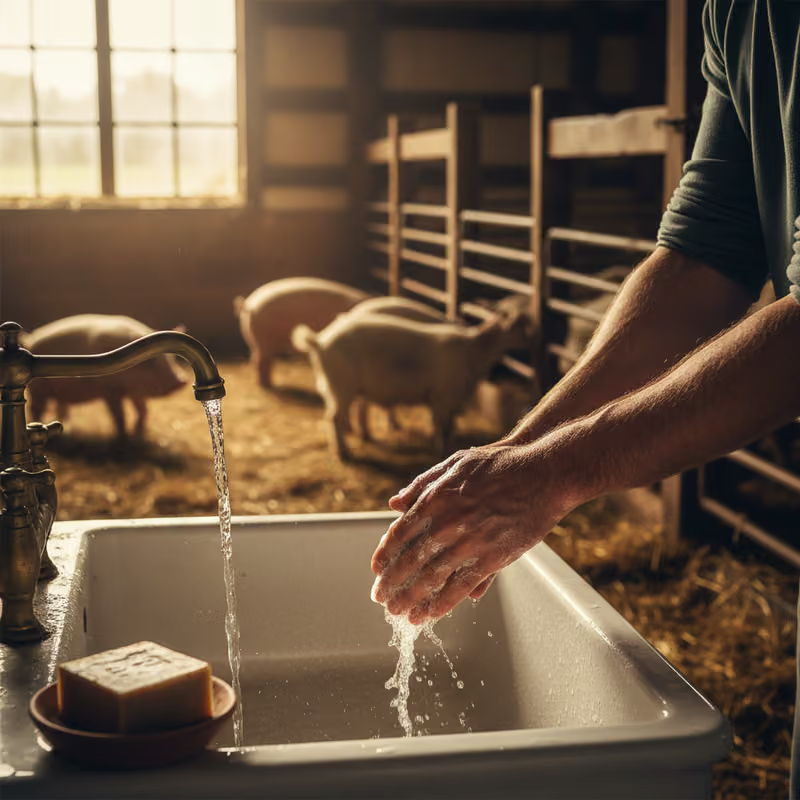
1. Hygiene and Sanitation: Good personal hygiene is foundational to preventing the spread of many zoonotic pathogens. Handwashing is paramount, particularly after contact with animals or their environments, handling pet food, cleaning up animal waste, and before preparing or consuming food. Soap and water are generally effective, but alcohol-based hand sanitizers can be used when soap and water are not readily available. Regular cleaning and disinfection of animal living areas, food bowls, and litter boxes also reduce environmental contamination. Proper disposal of animal waste helps prevent the spread of parasites and bacteria into soil and water.
2. Responsible Pet Ownership: This principle encompasses several aspects.
- Veterinary Care: Regular veterinary check-ups are essential for companion animals. Vaccinations protect pets from diseases like rabies, canine distemper, and feline panleukopenia, some of which are zoonotic or can indirectly impact zoonotic risk. Parasite control (fleas, ticks, worms) is critical, as many parasites are zoonotic or can transmit zoonotic pathogens. Veterinarians can also provide advice on appropriate diets and safe pet practices.
- Housing and Environment: Providing a clean, safe, and appropriate living environment for pets reduces stress and the likelihood of disease. Preventing pets from roaming freely can minimize their exposure to wildlife and other domestic animals that may carry diseases, particularly rabies.
- Animal Sourcing: When acquiring a new pet, sourcing from reputable breeders or shelters that practice good animal health screening reduces the risk of introducing diseases into a household.
- Not the appropriate place for statistics
3. Food Safety Practices: Many zoonoses are foodborne. Following food safety guidelines is crucial.
- Cook Thoroughly: Meats, poultry, and eggs should be cooked to their recommended internal temperatures to kill harmful bacteria and parasites.
- Separate Raw from Cooked: Use separate cutting boards, utensils, and plates for raw and cooked foods to prevent cross-contamination.
- Clean: Wash hands, cutting boards, utensils, and countertops with hot, soapy water after contact with raw meat, poultry, seafood, or eggs.
- Chill: Refrigerate perishable foods promptly.
- Pasteurization: Consume only pasteurized milk and dairy products and treated fruit juices.
- (Referenced by WHO, CDC, FAO)
4. Avoid Contact with Wildlife: Wildlife can carry numerous pathogens without showing signs of illness. Direct contact, such as feeding or handling wild animals, should be avoided. If an individual encounters a sick or injured wild animal, local animal control or wildlife rescue services should be contacted. Pet food should not be left outdoors, as it can attract wildlife. Ensuring garbage cans are securely closed also discourages wildlife from entering residential areas.
5. Insect and Rodent Control: Vectors like mosquitoes, ticks, and fleas can transmit zoonotic diseases. Using insect repellent, wearing protective clothing when in wooded or grassy areas, and checking for ticks after outdoor activities can reduce exposure. Controlling rodent populations in and around homes prevents the spread of diseases carried by rodents, such as hantavirus and leptospirosis. Regular pest control measures, maintaining a clean environment, and sealing entry points can be effective. (Referenced by CDC, WHO)
6. Awareness and Education: Knowledge is a powerful tool in disease prevention. Understanding the risks associated with certain animals, activities, and environments allows individuals to make informed decisions. Public health campaigns and educational materials from organizations like the CDC and WHO provide valuable information on specific zoonotic diseases and preventative strategies.
7. "One Health" Approach: This overarching principle, advocated by organizations like WHO, FAO, and WOAH, emphasizes the interconnectedness of human, animal, and environmental health. Addressing zoonotic diseases effectively requires collaboration across multiple sectors, including public health, animal health, and environmental agencies. This integrated approach ensures that strategies consider the complex interactions that lead to disease emergence and spread. For individuals, this means understanding their role within this broader ecological context.
These principles, when consistently applied, form a robust defense against zoonotic diseases, protecting both human and animal populations.
Practical daily habits
Integrating specific practices into daily routines can significantly reduce the risk of zoonotic disease transmission. These habits are generally simple, yet highly effective.
1. Hand Hygiene:
- Routine Handwashing: Make it a habit to wash hands thoroughly with soap and warm water for at least 20 seconds after interacting with pets (even healthy ones), handling pet food or treats, cleaning up animal waste, gardening, and before preparing or eating food.
- Hand Sanitizer: When soap and water are not available, use an alcohol-based hand sanitizer containing at least 60% alcohol, but understand that sanitizers are not as effective as washing for certain pathogens or when hands are visibly dirty.
2. Pet Care and Interaction:
- Supervised Play: Supervise children during interactions with pets, especially new pets or those unfamiliar to them, to prevent bites and scratches. Teach children proper ways to handle animals gently.
- No Face Licking: Discourage pets from licking people's faces, especially around the mouth, as animal saliva can carry bacteria.
- Separate Sleeping Areas: Avoid allowing pets to sleep in beds with people, particularly infants, young children, or individuals with compromised immune systems, to reduce direct contact with potential pathogens or parasites.
- Proper Food Handling: Wash pet food bowls regularly with soap and water. Store pet food in sealed containers away from human food preparation areas.
- Waste Management: Promptly and safely dispose of pet feces. Use gloves or a scoop, and wash hands afterward. For litter boxes, clean them frequently and empty waste into a sealed bag before disposal. Pregnant individuals should avoid cleaning litter boxes due to toxoplasmosis risk; if unavoidable, wear gloves and wash hands thoroughly.
- Veterinary Visits: Ensure pets receive regular veterinary check-ups, vaccinations, and parasite control treatments as recommended by a veterinarian. This protects the animal and reduces the risk of zoonotic disease transmission to humans.
3. Food Safety in the Kitchen:
- Cook Meats Thoroughly: Use a food thermometer to ensure meats, poultry, and eggs reach safe internal temperatures.
- Prevent Cross-Contamination: Use separate cutting boards and utensils for raw meats and produce. Always wash hands, cutting boards, and utensils with hot, soapy water after contact with raw animal products.
- Clean Produce: Thoroughly wash all fruits and vegetables under running water before consumption, even if they have peels, to remove potential contaminants.
- Avoid Raw Dairy/Eggs: Consume only pasteurized milk and dairy products. Avoid raw or unpasteurized eggs.
4. Outdoor Activities:
- Tick and Mosquito Protection: When spending time in areas with tall grass, woods, or known insect populations, wear long pants and sleeves, and use insect repellent containing EPA-registered active ingredients. Check for ticks after returning indoors.
- Avoid Stagnant Water: Reduce stagnant water around the home to minimize mosquito breeding sites.
- Gloves for Gardening/Yard Work: Wear gloves when gardening or working with soil, as soil can contain pathogens from animal waste.
- Supervise Children in Play Areas: Ensure play areas are free from animal feces, especially from stray animals or wildlife.
5. Wildlife Awareness:
- Observe from a Distance: Admire wildlife from a safe distance. Never attempt to feed, touch, or approach wild animals, even if they appear friendly or injured.
- Secure Trash: Keep garbage cans tightly sealed to prevent attracting rodents and other wildlife.
- Seal Entry Points: Block access points to homes and outbuildings for rodents, bats, and other potential wildlife carriers.
6. Travel Preparedness:
- Research Local Risks: Before traveling, especially internationally, research common zoonotic diseases in the destination and take appropriate precautions (e.g., specific vaccinations, food/water safety).
- Consult Travel Health Advice: Consult with a healthcare professional or travel clinic for personalized advice. (Referenced by WHO, CDC)
By consistently practicing these habits, individuals can significantly contribute to a safer environment for their families and their animal companions.
Common mistakes to avoid
Despite awareness campaigns, certain practices can inadvertently increase the risk of zoonotic disease transmission. Avoiding these common mistakes is as crucial as adopting preventive habits.
1. Assuming All Pets Are Disease-Free: A significant mistake is assuming that a pet, especially one that looks healthy, is free of zoonotic pathogens. Many animals can carry bacteria, viruses, or parasites without showing any signs of illness. For example, a pet might carry Salmonella or Campylobacter in its gut and shed it in feces without appearing sick. This assumption leads to relaxed hygiene practices, such as not washing hands after touching a pet or allowing pets to share food. Regular veterinary check-ups and adherence to universal hygiene practices are important regardless of an animal's apparent health status.
2. Not Washing Hands Thoroughly or Frequently Enough: While many people know to wash hands, the mistake lies in not doing it thoroughly (e.g., not using soap, not scrubbing for long enough) or not frequently enough (e.g., only after obvious contamination, not after every pet interaction). Ineffective handwashing leaves pathogens on the hands, which can then be transferred to the mouth or food.
3. Allowing Pets Access to Food Preparation Areas or Eating Utensils: Letting pets onto kitchen counters, dining tables, or allowing them to lick human plates and utensils is a direct route for pathogen transfer. Pet saliva and paws can harbor bacteria and parasites from their environment or mouths, contaminating surfaces and objects used for human food.
4. Neglecting Regular Veterinary Care and Parasite Control for Pets: Skipping routine veterinary visits, vaccinations, or deworming treatments leaves pets vulnerable to diseases and increases their potential to transmit zoonotic pathogens. For instance, unvaccinated animals are at higher risk of rabies, and untreated internal parasites (like roundworms) can pose a risk of infection to humans, especially children. Fleas and ticks, if not controlled, can transmit diseases like Lyme disease or Bartonellosis.
5. Improper Handling or Storage of Pet Food: Mistakes include storing pet food near human food, not washing hands after handling pet food (especially raw varieties), or feeding raw diets without fully understanding the associated risks. Raw pet foods, while appealing to some, can contain harmful bacteria (e.g., Salmonella, Listeria) that can contaminate kitchen surfaces and infect humans. Even dry kibble can sometimes be contaminated, making handwashing crucial.
6. Interacting with Wildlife or Stray Animals: A common error is attempting to rescue, feed, or handle wild animals (e.g., raccoons, foxes, bats, feral cats) or stray domestic animals. These animals can carry a wide array of diseases, including rabies, without obvious symptoms. Bites, scratches, or even indirect contact can transmit pathogens. Contacting animal control or wildlife rescue organizations is the safest approach.
7. Inadequate Food Safety Practices for Human Food: Failing to cook meat and poultry to safe temperatures, using the same cutting board for raw meat and vegetables, or not washing produce thoroughly are common errors that can lead to foodborne zoonoses like salmonellosis, E. coli infections, or campylobacteriosis. Consuming unpasteurized dairy products is also a risk. (Referenced by CDC, WHO)
8. Ignoring Insect and Tick Precautions: Underestimating the risk from mosquitoes and ticks by not using repellents, not wearing protective clothing in endemic areas, or failing to check for ticks after outdoor activities can lead to vector-borne zoonotic diseases.
9. Inconsistent Cleaning of Pet Environments: Not regularly cleaning litter boxes, pet bedding, or animal enclosures allows pathogens to accumulate in the environment, increasing the risk of exposure for both humans and animals. This is particularly important for pet areas that children or individuals with weakened immune systems may access.
10. Lack of Awareness About Specific Risks: Not being informed about the specific zoonotic risks associated with certain types of pets (e.g., reptiles and Salmonella, amphibians and Salmonella) or environments (e.g., leptospirosis in floodwaters) can lead to insufficient precautions. Education and seeking information from credible sources are vital.
By actively avoiding these common pitfalls, individuals can significantly enhance their defenses against zoonotic diseases and contribute to a healthier living environment for all.
When to see a professional
Knowing when to seek professional medical or veterinary advice is critical for managing potential zoonotic disease exposures and symptoms effectively. Prompt consultation can prevent severe illness and ensure appropriate treatment.
For Human Health Concerns:
Consult a medical professional (doctor) if you or a family member experience any of the following, especially after potential animal contact or exposure:
- Animal Bite or Scratch: Any bite or scratch from an animal, domestic or wild, particularly if the skin is broken. This is crucial due to the risk of rabies, tetanus, or bacterial infections.
- Unexplained Fever: Persistent or high fever, particularly if accompanied by chills, body aches, headache, or fatigue.
- Gastrointestinal Symptoms: Severe or persistent diarrhea, vomiting, or abdominal pain, especially if accompanied by blood or fever, which could indicate foodborne illness or parasitic infection.
- Skin Rash or Lesions: New, unusual, or worsening skin rashes, lesions, or sores, especially if they appear after spending time outdoors or after animal contact (e.g., tick bites, ringworm).
- Neurological Changes: Sudden changes in behavior, confusion, muscle weakness, paralysis, or seizures, which can be symptoms of serious zoonotic diseases like rabies or encephalitis.
- Respiratory Symptoms: Persistent cough, shortness of breath, or chest pain, particularly after exposure to rodents or their droppings (e.g., hantavirus).
- Eye or Ear Infections: Redness, discharge, pain, or vision changes in the eyes, or ear pain or discharge, particularly after contact with animals or contaminated water.
- Known Exposure: If you know you have been exposed to an animal confirmed to have a zoonotic disease, even if you are not yet showing symptoms.
- High-Risk Individuals: If a household member is pregnant, an infant, elderly, or has a weakened immune system, and has had potential exposure or is showing symptoms. These individuals are often more vulnerable to severe outcomes from zoonotic infections.
- Travel-Related Illness: If you develop symptoms after traveling to areas where specific zoonotic diseases are endemic.
For Animal Health Concerns:
Consult a veterinary professional (veterinarian) if your pet or an animal under your care exhibits any of the following signs:
- Changes in Behavior: Sudden aggression, unusual timidity, lethargy, disorientation, or unresponsiveness. For instance, a sudden change in a pet's temperament could be a sign of rabies or another neurological condition.
- Unexplained Weight Loss or Loss of Appetite: Significant and unexplained weight loss or a persistent refusal to eat.
- Gastrointestinal Issues: Persistent vomiting or diarrhea, especially if bloody or accompanied by fever.
- Skin Problems: Hair loss, persistent scratching, red patches, unusual lumps, or sores on the skin, which could indicate parasitic infestations (fleas, ticks, mites) or fungal infections (ringworm).
- Respiratory Signs: Persistent coughing, sneezing, difficulty breathing, or nasal discharge.
- Lameness or Difficulty Moving: Limping, stiffness, or reluctance to move, which could indicate injury or illness.
- Eye or Ear Discharge/Inflammation: Any unusual discharge from the eyes or ears, or signs of pain or inflammation.
- Exposure to Sick Animals or Wildlife: If your pet has interacted with a sick animal or wildlife (e.g., a bite from an unknown animal, exposure to a rabid animal).
- Known Parasites: If you observe fleas, ticks, or worms on or in your pet, or in their feces.
In both human and animal cases, providing your medical or veterinary professional with a complete history of symptoms, potential exposures, recent travel, and any known animal contact will greatly assist in diagnosis and treatment. Early intervention is key to effective management of zoonotic diseases.
Frequently asked questions
Q: What are zoonotic diseases?
A: Zoonotic diseases are illnesses that can be transmitted from animals to humans. They are caused by various pathogens including bacteria, viruses, parasites, and fungi. Transmission can occur through direct contact with an infected animal, indirect contact with contaminated environments, consuming contaminated food or water, or through vectors like insects and ticks.
Q: How can I prevent my family from getting zoonotic diseases from our pets?
A: Key preventive measures include thorough handwashing after touching pets or their waste, supervising children's interactions with animals, ensuring pets receive regular veterinary care (including vaccinations and parasite control), avoiding raw pet food diets, and keeping pet food and water bowls clean and separate from human food preparation areas. Discouraging pets from licking faces and not allowing them to sleep in beds with humans can also reduce risk.
Q: Are all animals capable of transmitting zoonotic diseases?
A: While all animals have the potential to carry some form of microorganism, not all pose a significant zoonotic threat to humans. However, many domestic and wild animals can carry pathogens that cause disease in humans. Even seemingly healthy animals can carry and shed pathogens without showing symptoms. This is why general hygiene and responsible animal interaction practices are important for interactions with any animal.
Q: What should I do if my pet bites or scratches someone?
A: If a pet bites or scratches someone and breaks the skin, immediately wash the wound thoroughly with soap and water for several minutes. Seek medical attention for the person bitten, especially if the wound is deep, bleeding heavily, or shows signs of infection, or if the animal's vaccination status is unknown. The animal should be monitored for any unusual behavior, and a veterinarian should be consulted to ensure its health status and vaccination records are up-to-date, especially concerning rabies. Local animal control authorities may also need to be notified, depending on local regulations.
Q: What are some common zoonotic diseases I should be aware of?
A: Some common zoonotic diseases include salmonellosis (from poultry, reptiles, amphibians), rabies (from mammals, primarily wild carnivores and bats), ringworm (from cats, dogs, livestock), toxoplasmosis (from cat feces, undercooked meat), leptospirosis (from rodent urine, contaminated water), and certain types of influenza (e.g., avian influenza from birds). Tick-borne diseases like Lyme disease and Rocky Mountain spotted fever are also significant zoonotic concerns.
Key takeaways
Protecting against zoonotic diseases requires a comprehensive and consistent approach, integrating awareness, hygiene, and responsible animal interaction. The following key takeaways summarize the essential actions and principles for safeguarding human and animal health:
- Hand Hygiene is Paramount: Always wash your hands thoroughly with soap and water for at least 20 seconds after touching animals, their food, or their waste, and before eating or preparing food. This is the single most effective barrier against many zoonotic pathogens.
- Responsible Pet Ownership: Ensure your pets receive regular veterinary care, including vaccinations and parasite control (fleas, ticks, worms). Provide a clean living environment and handle pet food safely. Supervise children's interactions with pets.
- Practice Food Safety: Cook all meats to safe internal temperatures, prevent cross-contamination between raw and cooked foods, and wash produce thoroughly. Avoid unpasteurized dairy and raw eggs.
- Avoid Wildlife Contact: Do not approach, feed, or handle wild animals or stray animals. If you encounter a sick or injured animal, contact animal control or wildlife professionals. Secure trash to deter wildlife from your property.
- Control Pests: Implement measures to control insect vectors (mosquitoes, ticks, fleas) and rodents around your home. Use repellents and protective clothing when outdoors in affected areas.
- Be Aware of Risks: Understand that even healthy-looking animals can carry pathogens. Certain animals, like reptiles and amphibians, are known carriers of specific bacteria like Salmonella. Educate yourself on the risks associated with different animals and environments.
- Seek Professional Advice When Needed: Do not hesitate to consult a medical professional for human health concerns or a veterinarian for animal health concerns, especially after potential exposure or if symptoms arise. Early intervention can be crucial.
- Embrace the "One Health" Concept: Recognize that the health of humans, animals, and the environment are interconnected. Our actions regarding one often impact the others.
By diligently adhering to these principles and habits, individuals can significantly reduce the risk of zoonotic disease transmission, contributing to a healthier and safer environment for their families and their animal companions.
Related reading
Keep exploring this topic with our related, evidence-reviewed guides:
- Antibiotic Stewardship in Animals: Why Resistance Matters to Everyone — A practical, evidence-informed guide to antibiotic resistance animals — what matters, what works, common mistakes, and when to con…
- Heatstroke and Cold Stress in Animals: Prevention and Emergency Steps — A practical, evidence-informed guide to pet heatstroke — what matters, what works, common mistakes, and when to consult a professi…
- Animal Vaccination Science: How Herd Immunity Protects Livestock — A practical, evidence-informed guide to livestock vaccination — what matters, what works, common mistakes, and when to consult a p…
- Parasite Prevention for Dogs: Fleas, Ticks, Worms, and Heartworm — A practical, evidence-informed guide to dog parasite prevention — what matters, what works, common mistakes, and when to consult a…
- Puppy and Kitten Socialization Windows: Building Resilient Animals — A practical, evidence-informed guide to puppy socialization — what matters, what works, common mistakes, and when to consult a pro…
- Toxic Foods and Plants for Pets: A Room-by-Room Safety Audit — A practical, evidence-informed guide to toxic foods for dogs — what matters, what works, common mistakes, and when to consult a pr…
Sources
- World Health Organization (WHO)
- Centers for Disease Control and Prevention (CDC)
- National Institutes of Health (NIH)
- National Health Service (NHS)
- Mayo Clinic
- American Veterinary Medical Association (AVMA)
- World Organisation for Animal Health (WOAH, formerly OIE)
- Food and Agriculture Organization of the United Nations (FAO)
Sources
Evidence & citations
- Every claim in this animal health guide is backed by primary data — browse the zoonotic and one-health statistics in our sourced statistics library.
- Writing about this topic? Researchers, journalists and educators can cite our animal health guidance with ready-made APA, MLA and Chicago references.
My notes on this one
The short version of 19 minutes of reading — what stuck with me while writing “Zoonotic Diseases: How to Protect Your Family and Your”, what the sources back up, and what I'd actually do about it.
What I'd take away
01 · Why this matters
Organizations like the World Health Organization (WHO) and the Centers for Disease Control and Prevention (CDC) continuously monitor zoonotic threats due to their potential to cause widespread illness and even…
02 · Key principles
"One Health" Approach: This overarching principle, advocated by organizations like WHO, FAO, and WOAH, emphasizes the interconnectedness of human, animal, and environmental health.
03 · Practical daily habits
Research Local Risks: Before traveling, especially internationally, research common zoonotic diseases in the destination and take appropriate precautions (e.g., specific vaccinations, food/water safety).
04 · Common mistakes to avoid
Allowing Pets Access to Food Preparation Areas or Eating Utensils: Letting pets onto kitchen counters, dining tables, or allowing them to lick human plates and utensils is a direct route for pathogen transfer.
What the sources I read actually say
Organizations like the World Health Organization (WHO) and the Centers for Disease Control and Prevention (CDC) continuously monitor zoonotic threats due to their potential to cause widespread illness…
World Health Organization(Not medical or veterinary advice — consult a qualified clinician or veterinarian for personal guidance.) Zoonotic diseases, also known as zoonoses…
Centers for Disease Control and Prevention
If you only do one thing this week
- Avoid Raw Dairy/Eggs — Consume only pasteurized milk and dairy products. Avoid raw or unpasteurized eggs.
- Avoid Stagnant Water — Reduce stagnant water around the home to minimize mosquito breeding sites.
- Avoid Contact with Wildlife: Wildlife can carry numerous pathogens without showing signs of illness.
Pick the one that fits your week. None of this replaces advice from a clinician who can actually examine you.
Questions I kept coming back to
What are zoonotic diseases?+
Zoonotic diseases are illnesses that can be transmitted from animals to humans. They are caused by various pathogens including bacteria, viruses, parasites, and fungi. Transmission can occur through direct contact with an infected animal, indirect contact with contaminated environments, consuming contaminated food or water, or through vectors like insects and ticks.
How can I prevent my family from getting zoonotic diseases from our pets?+
Key preventive measures include thorough handwashing after touching pets or their waste, supervising children's interactions with animals, ensuring pets receive regular veterinary care (including vaccinations and parasite control), avoiding raw pet food diets, and keeping pet food and water bowls clean and separate from human food preparation areas…
Are all animals capable of transmitting zoonotic diseases?+
While all animals have the potential to carry some form of microorganism, not all pose a significant zoonotic threat to humans. However, many domestic and wild animals can carry pathogens that cause disease in humans. Even seemingly healthy animals can carry and shed pathogens without showing symptoms…
What should I do if my pet bites or scratches someone?+
If a pet bites or scratches someone and breaks the skin, immediately wash the wound thoroughly with soap and water for several minutes. Seek medical attention for the person bitten, especially if the wound is deep, bleeding heavily, or shows signs of infection, or if the animal's vaccination status is unknown. The animal should be monitored for any unusual behavior…
What are some common zoonotic diseases I should be aware of?+
Some common zoonotic diseases include salmonellosis (from poultry, reptiles, amphibians), rabies (from mammals, primarily wild carnivores and bats), ringworm (from cats, dogs, livestock), toxoplasmosis (from cat feces, undercooked meat), leptospirosis (from rodent urine, contaminated water), and certain types of influenza (e.g., avian influenza from birds)…
Was this article helpful?
Be the first to rate this article.
Written by
FaizRuh
I write Health Hub Pro on my own — no clinical licence, no anonymous review panel. Just the published guidance, read carefully and explained plainly.
More about me →How this page was checked
Every claim above is checked against the sources listed at the bottom of this article — WHO, CDC, NIH, NHS, Cochrane and major clinical guidelines. Drafting is AI-assisted; the editing, fact-checking and final wording are mine. It's information, not medical advice. Spotted an error? Tell me and I'll fix it.
Last checked on