Backyard Chicken Health: Housing, Feed, and Disease
A practical, evidence-informed guide to chicken health — what matters, what works, common mistakes, and when to consult a professional.
For informational purposes only. This article is educational and is not a substitute for professional medical advice, diagnosis, or treatment. Always consult a qualified healthcare provider about anything affecting your health. Read full disclaimer.
Backyard Chicken Health: Housing, Feed, and Disease Prevention
(Not medical or veterinary advice — consult a qualified clinician or veterinarian for personal guidance.)
Introduction
Raising backyard chickens has become increasingly popular, offering benefits such as fresh eggs, pest control, and a connection to food sources. However, with the joys of poultry keeping comes the responsibility of ensuring the health and well-being of the flock. Just like any living creature, chickens require specific care to thrive and to prevent the spread of diseases, which can impact both the birds and, in some cases, human health. This article provides evidence-informed guidance on critical aspects of backyard chicken health, focusing on optimal housing, proper nutrition, and effective disease prevention strategies. By understanding and implementing these practices, keepers can foster a healthy and productive flock.
Why this matters
The health of backyard chickens is paramount for several reasons. Primarily, ensuring their well-being is an ethical responsibility. Healthy chickens are active, productive, and less prone to suffering. From a practical standpoint, a healthy flock provides a consistent supply of eggs and can contribute to a sustainable lifestyle.
Beyond the individual birds, flock health has broader implications. Diseases can spread rapidly within a confined group of animals. An outbreak not only jeopardizes the entire flock but can also pose risks to other poultry in the community and, importantly, to humans. Zoonotic diseases, which can transfer from animals to humans, underscore the importance of maintaining robust biosecurity practices. These practices protect keepers and their families from potential health risks. Furthermore, a healthy flock is more resilient and requires fewer interventions, such as veterinary care or medication, leading to a more economical and sustainable keeping experience. Adhering to established health guidelines helps to minimize environmental contamination and contributes to overall public health.
Key principles (evidence-informed)
Maintaining a healthy backyard chicken flock relies on a foundation of several key principles, encompassing housing, nutrition, and biosecurity. These principles are supported by veterinary science and animal husbandry best practices.
Housing and Environment
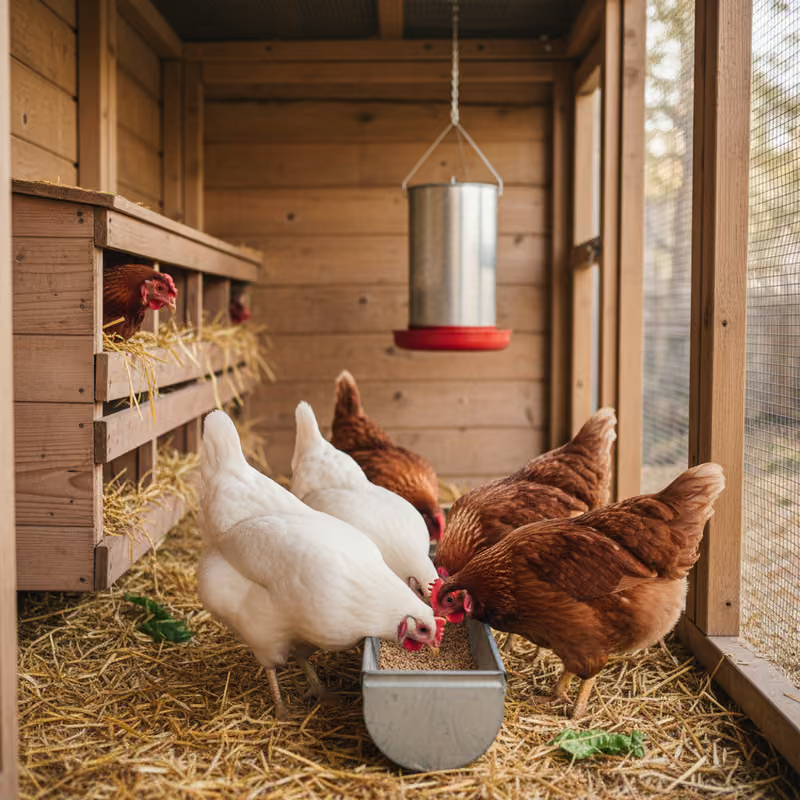
The housing environment plays a critical role in chicken health. A well-designed and maintained coop protects birds from predators, adverse weather, and stress, which can suppress their immune systems.
- Space Requirements: Overcrowding is a significant stressor and facilitates the rapid spread of disease. Chickens need adequate space for roosting, foraging, and dust bathing. Recommended guidelines often suggest a minimum of 2-4 square feet per bird inside the coop and 8-10 square feet per bird in an outdoor run. (WOAH/OIE, AVMA)
- Ventilation: Good ventilation is crucial for air quality. It helps to remove ammonia fumes, moisture, and dust, which can lead to respiratory issues. The coop should have openings high enough to allow hot, stale air to escape without creating direct drafts on the birds.
- Cleanliness and Sanitation: Regular cleaning of the coop and run is essential. Droppings should be removed frequently, and bedding (such as straw, wood shavings, or sand) should be kept dry and changed as needed. A damp, dirty environment promotes the growth of bacteria, molds, and parasites. Disinfection protocols should be implemented periodically, especially between new flocks or after a disease outbreak. (CDC, AVMA)
- Protection from Elements and Predators: The coop must offer shelter from rain, snow, wind, and extreme temperatures. It must also be secure against predators such as foxes, raccoons, and birds of prey. Strong wire mesh, secure latches, and digging prevention measures are vital.
- Nesting Boxes and Roosts: Chickens require comfortable, clean nesting boxes (one for every 3-4 hens) to lay eggs, which helps prevent egg breakage and maintain hygiene. Roosts are essential for chickens to perch off the ground, which is their natural behavior for sleeping and safety. Roosts should be wide enough for comfortable gripping and free from splinters.
Nutrition and Feed Management
Proper nutrition is fundamental to immune function, growth, and egg production.
- Balanced Diet: Chickens require a balanced diet that includes protein, carbohydrates, fats, vitamins, and minerals. Commercial feeds designed for specific life stages (e.g., chick starter, grower, layer feed) are formulated to meet these nutritional needs. Layer feed, for example, contains higher calcium levels necessary for strong eggshells. (FAO)
- Fresh Water Access: Constant access to clean, fresh water is more critical than food. Water intake directly impacts digestion, nutrient absorption, and body temperature regulation. Waterers should be cleaned daily to prevent bacterial growth.
- Supplemental Feeds (Grit and Oyster Shell): Chickens do not have teeth and rely on grit (small stones) in their gizzard to grind food. If they do not free-range on ground with natural grit, insoluble grit should be provided. Laying hens also require supplemental calcium, often provided as oyster shell, in a separate feeder to allow them to self-regulate their intake, ensuring strong eggshells.
- Avoidance of Harmful Foods: Certain human foods can be toxic or harmful to chickens, including avocado pits and skins, uncooked beans, green potatoes, chocolate, and caffeine. Keepers should be aware of these and avoid feeding them. (AVMA)
- Feed Storage: Feed should be stored in airtight, pest-proof containers in a cool, dry place to prevent spoilage, mold growth, and contamination by rodents or insects. Moldy feed can be highly toxic to chickens.
Biosecurity and Disease Prevention
Biosecurity refers to practices designed to prevent the introduction and spread of disease. It is the cornerstone of flock health.
- Source of Birds: Acquire birds from reputable hatcheries or breeders that practice good biosecurity and vaccinate their chicks. This minimizes the risk of introducing diseases into your flock.
- Quarantine New Birds: Always quarantine new birds, or birds returning from shows, for at least 30 days before introducing them to the main flock. During this period, observe them for any signs of illness and provide separate feed and water equipment.
- Hygiene Practices: Keepers should practice good personal hygiene, such as washing hands thoroughly before and after handling chickens or eggs. Dedicated footwear and clothing for coop work can prevent tracking pathogens from other areas. (CDC)
- Pest Control: Rodents and wild birds can carry and transmit diseases and parasites. Implement effective pest control measures around the coop and feed storage areas.
- Minimize Contact with Wild Birds: While difficult to fully prevent, measures like covering runs with netting can help reduce contact between backyard chickens and wild birds, which can carry diseases like avian influenza. (WHO, FAO)
- Vaccination Programs: Depending on local disease prevalence and risks, vaccination against common poultry diseases (e.g., Marek's disease, Fowl Pox) may be advisable. Consult with a poultry veterinarian for guidance on appropriate vaccination protocols. (AVMA)
- Regular Health Checks: Conduct daily visual checks of your flock. Observe their behavior, appetite, droppings, and appearance. Early detection of illness can prevent widespread outbreaks.
- Isolation of Sick Birds: If a bird shows signs of illness, immediately isolate it from the rest of the flock to prevent disease transmission.
- Proper Carcass Disposal: If a bird dies, proper disposal is crucial to prevent the spread of disease. This often involves burying deeply, composting, or incineration, following local regulations. (WOAH/OIE)
Practical daily habits
Establishing a routine of daily habits is essential for proactive health management and ensures the well-being of your flock.
- Daily Health Check: Upon approaching the coop, take a few minutes to observe your chickens. Look for any changes in behavior, such as lethargy, huddling, unusual gait, or reluctance to move. Check for any discharge from eyes or nostrils, ruffled feathers, or changes in comb color. Ensure all birds are active, alert, and eating/drinking.
- Fresh Water: Dump out old water and scrub waterers thoroughly before refilling with clean, fresh water. Algae and bacterial biofilms can quickly accumulate, posing health risks.
- Feed Check: Ensure feeders are adequately filled with fresh, appropriate feed. Check for any signs of mold, dampness, or pest contamination. Discard any compromised feed.
- Egg Collection: Collect eggs multiple times a day, especially in warmer weather. This helps keep eggs clean, prevents breakage, and reduces the temptation for chickens to develop egg-eating habits.
- Manure Spot Cleaning: Remove noticeable droppings from roosting areas and underneath feeders/waterers daily. This keeps the coop cleaner and reduces ammonia build-up.
- Ventilation Check: Ensure coop ventilation is adequate, adjusting windows or vents as needed based on weather conditions.
- Predator Check: Briefly inspect the coop and run perimeter for any signs of predator activity or breaches in security.
Common mistakes to avoid
Even with good intentions, backyard chicken keepers can inadvertently make mistakes that compromise flock health. Avoiding these common pitfalls is crucial.
- Overcrowding: Providing insufficient space is a primary cause of stress, aggression, cannibalism, and rapid disease spread. Always adhere to recommended space guidelines for both the coop interior and the run.
- Poor Ventilation: A lack of proper airflow leads to a build-up of ammonia, moisture, and pathogens. This can cause respiratory issues like chronic respiratory disease and frostbite in cold, damp conditions. Ensure cross-ventilation without direct drafts.
- Inadequate Sanitation: Allowing manure to accumulate and bedding to become wet creates a breeding ground for bacteria, parasites (like coccidia and worms), and molds. Consistent cleaning is non-negotiable.
- Feeding an Unbalanced Diet: Relying solely on kitchen scraps or an inappropriate feed type (e.g., feeding chick starter to laying hens long-term) will lead to nutritional deficiencies, poor growth, reduced egg production, and compromised immune function. Always use commercially formulated feed appropriate for the birds' age and stage.
- Ignoring Water Quality: Dirty waterers or infrequent water changes introduce pathogens and discourage hydration. Always provide clean, fresh water.
- Lack of Biosecurity: Introducing new birds without quarantine, sharing equipment with other flocks, or failing to clean hands/footwear can easily introduce devastating diseases. Assume every new bird or external contact is a potential disease carrier.
- Neglecting Pest Control: Rodents, insects, and wild birds can transmit diseases, consume feed, and cause stress. An integrated pest management plan is essential.
- Over-Treating/Under-Treating Illness: Misdiagnosing or improperly treating illnesses, either by administering incorrect medications or failing to treat at all, can worsen conditions or lead to drug resistance. Always consult with a veterinarian for diagnosis and treatment.
- Ignoring Early Signs of Illness: Chickens are prey animals and often hide illness until they are severely compromised. Prompt action upon noticing subtle changes in behavior or appearance can be critical for recovery and preventing spread.
- Inconsistent Predator Protection: Small gaps, flimsy latches, or unburied wire mesh can be exploited by predators, leading to devastating losses. Regular inspection and reinforcement of the coop and run are vital.
- Insufficient Environmental Enrichment: Chickens are intelligent and curious. A lack of enrichment (e.g., dust baths, foraging opportunities, perches) can lead to boredom, stress, and behavioral issues like feather picking.
When to see a professional
Recognizing when to consult a veterinarian is crucial for the health of your flock and, in some cases, for public health. While many minor issues can be managed by an experienced keeper, certain signs warrant professional intervention.
You should contact a veterinarian if you observe:
- Sudden Increase in Mortality: If multiple birds die unexpectedly or over a short period, it could indicate a serious, rapidly spreading disease requiring immediate diagnosis and intervention.
- Severe Respiratory Signs: Persistent coughing, sneezing, gasping, nasal discharge, swollen sinuses, or difficulty breathing, especially if affecting multiple birds, suggests a significant respiratory infection.
- Neurological Symptoms: Tremors, paralysis, twisted neck (torticollis), loss of balance, or inability to stand often point to severe viral diseases or toxicities.
- Significant Drop in Egg Production or Quality: While minor fluctuations are normal, a sudden, marked decrease in egg laying across the flock, or the consistent production of very soft-shelled or misshapen eggs, can indicate nutritional deficiencies, stress, or illness.
- Severe Diarrhea or Bloody Droppings: While diet changes can cause variations, persistent, watery, discolored, or bloody droppings can be signs of parasitic infections (like coccidiosis), bacterial infections, or other internal diseases.
- Extreme Lethargy and Huddling: A bird that is severely listless, unresponsive, and constantly huddling with ruffled feathers, even in warm conditions, is likely seriously ill.
- Unexplained Weight Loss or Emaciation: If a bird is eating but progressively losing weight, it may indicate internal parasites, chronic disease, or malabsorption issues.
- Swelling or Lesions: Unusual swellings, abscesses, or open wounds that are not healing, or growths on the comb, wattles, or legs, require examination.
- Suspected Zoonotic Disease: If you suspect a disease that could potentially transfer to humans (e.g., avian influenza, Salmonella), it is imperative to contact a veterinarian immediately. They can advise on testing, biosecurity, and reporting protocols to relevant authorities. (WHO, CDC, AVMA)
- Failure to Respond to Home Treatment: If a bird does not improve after appropriate first aid or supportive care, professional diagnosis and treatment are necessary.
- Concerns about medication use: Never administer medications without clear guidance from a veterinarian, especially regarding withdrawal times for eggs or meat.
Many veterinarians do not specialize in poultry. It is advisable to identify a veterinarian in your area who has experience with chickens before an emergency arises.
Frequently asked questions
Q: What are the early signs of illness in chickens?
A: Early signs of illness can be subtle. Look for changes in behavior such as reduced activity, lethargy, isolation from the flock, or reduced appetite and thirst. Physical signs might include ruffled feathers, pale comb or wattles, changes in droppings (e.g., very watery, discolored, or bloody), discharge from the eyes or nostrils, sneezing, or difficulty breathing. Any deviation from a bird's normal appearance or routine should prompt closer observation.
Q: How often should I clean my chicken coop?
A: The frequency of cleaning depends on the number of chickens and the type of bedding used. A quick spot clean to remove droppings from roosts and high-traffic areas should be done daily. Waterers should be cleaned and refilled daily. Deep cleaning, which involves removing all bedding, scrubbing surfaces, and disinfecting, typically needs to be done every 1-4 weeks, or more often if the coop becomes damp or an odor develops. (AVMA)
Q: Is it safe to eat eggs from backyard chickens?
A: Yes, eggs from healthy backyard chickens are generally safe to eat, provided proper hygiene is maintained during collection and handling. Always wash your hands before and after collecting eggs. Clean any soiled eggs gently with a dry cloth or fine sandpaper, or wash them immediately before use if heavily soiled. Store eggs in the refrigerator. Practicing good biosecurity and ensuring your flock is healthy reduces the risk of foodborne illnesses. (CDC)
Q: What should I feed my chickens for optimal health?
A: For optimal health, chickens should be fed a high-quality, commercially formulated feed specific to their life stage (e.g., chick starter, grower, layer feed). This ensures a balanced diet with adequate protein, vitamins, and minerals. Laying hens require a layer feed with sufficient calcium. Additionally, provide constant access to clean, fresh water. Offer insoluble grit for digestion and oyster shell as a calcium supplement for layers. Treats should be given sparingly, making up no more than 10% of their diet. (FAO)
Q: How can I protect my flock from predators?
A: Protecting your flock from predators requires a secure coop and run. Use strong hardware cloth (not chicken wire) with small openings (1/2 inch or less) for ventilation and windows. Ensure all doors and gates have secure latches. Bury hardware cloth or wire mesh at least 12-18 inches deep around the perimeter of the run to prevent digging predators. Consider covering the top of the run with netting to protect against aerial predators. Never leave chickens unattended in an unsecure area, especially at dawn, dusk, and overnight. Regular inspections for any breaches are vital.
Key takeaways
Maintaining a healthy backyard chicken flock is a rewarding endeavor that requires commitment to best practices in housing, nutrition, and disease prevention. Optimal housing provides space, ventilation, and protection from elements and predators. A balanced diet, fresh water, and appropriate supplements are fundamental for strong immune function and productivity. Crucially, robust biosecurity measures, including proper sourcing of birds, quarantine protocols, hygiene, and regular health checks, are paramount in preventing the introduction and spread of diseases. By understanding and consistently applying these evidence-informed principles and practical habits, keepers can foster a resilient, healthy, and productive flock, while also contributing to broader public health safety. Prompt veterinary consultation for serious or unexplained illnesses is always recommended.
Related reading
Keep exploring this topic with our related, evidence-reviewed guides:
- Aquarium Fish Health: Water Quality, Cycling, and Disease Prevention — A practical, evidence-informed guide to fish health — what matters, what works, common mistakes, and when to consult a professiona…
- Poultry Biosecurity: Preventing Avian Influenza on Small Farms — A practical, evidence-informed guide to poultry biosecurity — what matters, what works, common mistakes, and when to consult a pro…
- Farm Animal Housing and Ventilation: Preventing Respiratory Disease — A practical, evidence-informed guide to farm ventilation — what matters, what works, common mistakes, and when to consult a profes…
- Cat Hydration and Kidney Health: Preventing Urinary Problems — A practical, evidence-informed guide to cat hydration — what matters, what works, common mistakes, and when to consult a professio…
- Toxic Foods and Plants for Pets: A Room-by-Room Safety Audit — A practical, evidence-informed guide to toxic foods for dogs — what matters, what works, common mistakes, and when to consult a pr…
- Animal Vaccination Science: How Herd Immunity Protects Livestock — A practical, evidence-informed guide to livestock vaccination — what matters, what works, common mistakes, and when to consult a p…
Sources
- World Organisation for Animal Health (WOAH, formerly OIE)
- American Veterinary Medical Association (AVMA)
- Centers for Disease Control and Prevention (CDC)
- World Health Organization (WHO)
- Food and Agriculture Organization of the United Nations (FAO)
Sources
Evidence & citations
- Every claim in this animal health guide is backed by primary data — browse the zoonotic and one-health statistics in our sourced statistics library.
- Writing about this topic? Researchers, journalists and educators can cite our animal health guidance with ready-made APA, MLA and Chicago references.
My notes on this one
The short version of 13 minutes of reading — what stuck with me while writing “Backyard Chicken Health: Housing, Feed, and Disease”, what the sources back up, and what I'd actually do about it.
What I'd take away
01 · Why this matters
Furthermore, a healthy flock is more resilient and requires fewer interventions, such as veterinary care or medication, leading to a more economical and sustainable keeping experience.
02 · Key principles
These principles are supported by veterinary science and animal husbandry best practices.
03 · Housing and Environment
A well-designed and maintained coop protects birds from predators, adverse weather, and stress, which can suppress their immune systems.
04 · Nutrition and Feed Management
Feed Storage: Feed should be stored in airtight, pest-proof containers in a cool, dry place to prevent spoilage, mold growth, and contamination by rodents or insects. Moldy feed can be highly toxic to chickens.
05 · Biosecurity and Disease Prevention
Source of Birds: Acquire birds from reputable hatcheries or breeders that practice good biosecurity and vaccinate their chicks. This minimizes the risk of introducing diseases into your flock.
What the sources I read actually say
(Not medical or veterinary advice — consult a qualified clinician or veterinarian for personal guidance.) Raising backyard chickens has become increasingly popular…
Centers for Disease Control and Prevention
If you only do one thing this week
- Deep cleaning, which involves removing all bedding, scrubbing surfaces, and disinfecting, typically needs to be done every 1-4 weeks…
- Treats should be given sparingly, making up no more than 10% of their diet.
Pick the one that fits your week. None of this replaces advice from a clinician who can actually examine you.
Questions I kept coming back to
What are the early signs of illness in chickens?+
Early signs of illness can be subtle. Look for changes in behavior such as reduced activity, lethargy, isolation from the flock, or reduced appetite and thirst. Physical signs might include ruffled feathers, pale comb or wattles, changes in droppings (e.g., very watery, discolored, or bloody), discharge from the eyes or nostrils, sneezing, or difficulty breathing…
How often should I clean my chicken coop?+
The frequency of cleaning depends on the number of chickens and the type of bedding used. A quick spot clean to remove droppings from roosts and high-traffic areas should be done daily. Waterers should be cleaned and refilled daily. Deep cleaning, which involves removing all bedding, scrubbing surfaces, and disinfecting, typically needs to be done every 1-4 weeks…
Is it safe to eat eggs from backyard chickens?+
Yes, eggs from healthy backyard chickens are generally safe to eat, provided proper hygiene is maintained during collection and handling. Always wash your hands before and after collecting eggs. Clean any soiled eggs gently with a dry cloth or fine sandpaper, or wash them immediately before use if heavily soiled. Store eggs in the refrigerator…
What should I feed my chickens for optimal health?+
For optimal health, chickens should be fed a high-quality, commercially formulated feed specific to their life stage (e.g., chick starter, grower, layer feed). This ensures a balanced diet with adequate protein, vitamins, and minerals. Laying hens require a layer feed with sufficient calcium. Additionally, provide constant access to clean, fresh water…
How can I protect my flock from predators?+
Protecting your flock from predators requires a secure coop and run. Use strong hardware cloth (not chicken wire) with small openings (1/2 inch or less) for ventilation and windows. Ensure all doors and gates have secure latches. Bury hardware cloth or wire mesh at least 12-18 inches deep around the perimeter of the run to prevent digging predators…
Was this article helpful?
Be the first to rate this article.
Written by
FaizRuh
I write Health Hub Pro on my own — no clinical licence, no anonymous review panel. Just the published guidance, read carefully and explained plainly.
More about me →How this page was checked
Every claim above is checked against the sources listed at the bottom of this article — WHO, CDC, NIH, NHS, Cochrane and major clinical guidelines. Drafting is AI-assisted; the editing, fact-checking and final wording are mine. It's information, not medical advice. Spotted an error? Tell me and I'll fix it.
Last checked on