Beginner Strength Training Guide
Embark on your strength training journey with this comprehensive beginner's guide, covering essential principles, effective exercises, and safety tips to build a strong foundation and achieve your fitness goals safely.
For informational purposes only. This article is educational and is not a substitute for professional medical advice, diagnosis, or treatment. Always consult a qualified healthcare provider about anything affecting your health. Read full disclaimer.
Beginner Strength Training Guide
Starting a strength training routine can feel daunting, but it's one of the most rewarding steps you can take for your overall health and well-being. Beyond building impressive muscles, strength training offers a plethora of benefits, from improving bone density and enhancing metabolic health to boosting mood and reducing the risk of chronic diseases. This guide is designed to equip you with the foundational knowledge and practical steps to begin your strength training journey safely and effectively.
Why Strength Training Matters
The human body is designed to be strong. Regular strength training helps maintain muscle mass, which naturally declines with age (a process known as sarcopenia). This decline can lead to reduced mobility, increased fall risk, and a slower metabolism. By actively engaging in strength training, you can:
- Increase Muscle Mass and Strength: Leading to improved physical function and performance in daily activities.
- Enhance Bone Density: Critical for preventing osteoporosis and fractures.
- Boost Metabolism: Muscle tissue burns more calories at rest than fat tissue, aiding in weight management.
- Improve Body Composition: Reducing body fat and increasing lean muscle mass.
- Support Joint Health: Strengthening the muscles around joints can improve stability and reduce pain.
- Elevate Mood and Cognitive Function: Exercise, including strength training, has been shown to reduce symptoms of anxiety and depression and improve cognitive performance.
Getting Started: Fundamental Principles
Before you lift your first weight, understanding a few core principles will set you up for success.
Progressive Overload
This is the cornerstone of strength training. To continue getting stronger, you must gradually increase the demand placed on your muscles. This can be achieved by increasing the weight, repetitions, sets, or decreasing rest time between sets. Without progressive overload, your muscles won't have a reason to adapt and grow stronger.
Proper Form Over Weight
Initially, focus heavily on mastering the correct form for each exercise. Lifting too much weight with poor form can lead to injuries and negate the benefits of the exercise. Start with lighter weights or even just your body weight to perfect your technique. You can always increase the load once your form is solid.
Consistency Is Key
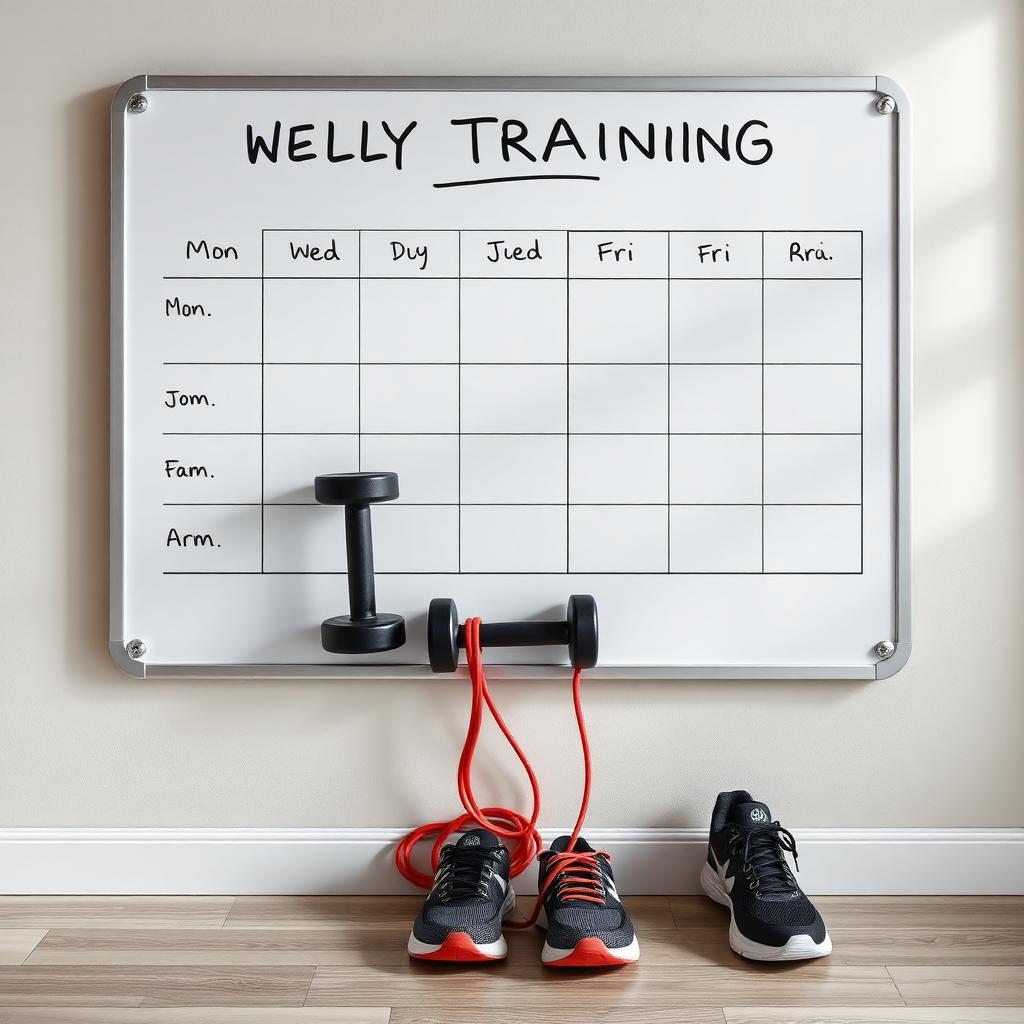
Results from strength training don't happen overnight. Regular, consistent workouts are far more effective than infrequent, intense sessions. Aim for 2-3 full-body strength training sessions per week on non-consecutive days to allow for muscle recovery.
Listen to Your Body
Some muscle soreness (Delayed Onset Muscle Soreness, or DOMS) is normal after a challenging workout, especially when you're new to it. However, sharp pain or discomfort during exercise indicates a potential injury. Always listen to your body and don't push through pain. Rest and recovery are just as important as the workout itself.
Essential Beginner Exercises
Focus on compound exercises that work multiple muscle groups simultaneously. These are efficient and effective for building foundational strength. Here are some excellent starting points:
- Squats (Bodyweight or Goblet Squats): Targets glutes, quads, and core. Stand with feet shoulder-width apart, lower as if sitting in a chair, keeping your chest up.
- Push-ups (Knee or Full): Works chest, shoulders, and triceps. Start on your knees if needed, maintaining a straight line from head to heels.
- Lunges (Bodyweight): Improves leg strength and balance, targeting quads, hamstrings, and glutes. Step forward, lowering your hips until both knees are bent at approximately 90 degrees.
- Plank: Excellent for core strength. Hold a push-up position, supporting yourself on your forearms with your body in a straight line.
- Rows (Dumbbell or Resistance Band): Strengthens back and biceps. If using a dumbbell, hinge at your hips, keeping your back straight, and pull the weight towards your chest.
- Overhead Press (Dumbbell or Band): Targets shoulders and triceps. Press weights upwards from shoulder height until arms are fully extended.
Sample Beginner Workout Structure:
Perform 2-3 sets of 8-12 repetitions for each exercise. Rest for 60-90 seconds between sets.
- Warm-up (5-10 minutes of light cardio like jogging, arm circles, leg swings).
- Squats
- Push-ups
- Lunges
- Plank
- Dumbbell Rows
- Dumbbell Overhead Press
- Cool-down (5-10 minutes of stretching).
Nutrition and Recovery
Your efforts in the gym will be optimized by proper nutrition and adequate rest.
- Protein Intake: Consume sufficient protein to support muscle repair and growth. Aim for around 0.7-1 gram of protein per pound of body weight daily.
- Balanced Diet: Ensure your diet includes plenty of whole foods, complex carbohydrates for energy, and healthy fats.
- Hydration: Drink plenty of water throughout the day, especially around your workouts.
- Sleep: Aim for 7-9 hours of quality sleep per night. This is when much of your muscle repair and growth occurs.
Staying Motivated and Safe
- Set Realistic Goals: Start small and celebrate your progress. Consistency builds momentum.
- Track Your Progress: Keep a log of your exercises, sets, reps, and weights. Seeing your improvements is incredibly motivating.
- Consider Professional Guidance: A certified personal trainer can provide personalized programming, correct your form, and ensure you're training safely and effectively.
Embarking on a strength training journey is an investment in your long-term health. By understanding the fundamentals, focusing on proper form, and staying consistent, you'll be well on your way to building a stronger, healthier you.
Disclaimer: Always consult with a healthcare professional or your physician before starting any new exercise program, especially if you have existing health conditions or concerns.
Related reading
- Bodyweight Training at Home — Discover the incredible benefits of bodyweight training, a versatile and effective way to build strength, improve endura…
- The Science of Recovery — Discover the scientific principles behind effective recovery from exercise and optimize your fitness journey. This artic…
- How to Build a Workout Routine — Crafting an effective workout routine is key to achieving your fitness goals. This guide covers how to design a balanced…
- Core Training Beyond Crunches — Effective core work includes anti-rotation, anti-extension, and carries — not just flexion. Planks, dead bugs, and farme…
- How to Prevent Workout Injuries — Discover essential strategies to prevent common workout injuries and maintain a safe, effective fitness routine. Learn h…
Written by
Health Hub Pro Editorial
Health writer at Health Hub Pro, focused on evidence-based, Sharia-conscious wellness.
View author profile →