
Breathing Exercises for Anxiety
Discover simple yet powerful breathing exercises that can significantly reduce anxiety. Learn how to incorporate these techniques into your daily routine for improved mental well-being.
For informational purposes only. This article is educational and is not a substitute for professional medical advice, diagnosis, or treatment. Always consult a qualified healthcare provider about anything affecting your health. Read full disclaimer.
Breathing Exercises for Anxiety
Anxiety is a common experience, characterized by feelings of worry, nervousness, or unease. While it's a natural human emotion, persistent or severe anxiety can significantly impact daily life. Fortunately, there are many strategies to manage anxiety, and among the most accessible and effective are breathing exercises. These techniques tap into the body's innate ability to calm itself, offering a straightforward path to reducing stress and promoting relaxation.
The Science Behind Breathing and Anxiety
The connection between breathing and anxiety is deeply rooted in our physiology. When we feel anxious, our sympathetic nervous system, often called the 'fight or flight' response, becomes activated. This leads to physiological changes such as increased heart rate, rapid and shallow breathing (hyperventilation), muscle tension, and heightened vigilance. This response is designed for short-term threats, but when chronically activated, it can exacerbate anxiety symptoms.
Conversely, conscious, controlled breathing activates the parasympathetic nervous system, the 'rest and digest' system. Slow, deep, and rhythmic breathing sends signals to the brain that the body is safe and calm, reducing heart rate, lowering blood pressure, and decreasing muscle tension. This physiological shift helps to quiet the anxious mind and restore a sense of balance. The vagus nerve, a major component of the parasympathetic system, plays a crucial role here; deep breathing stimulates the vagus nerve, which in turn helps regulate heart rate, digestion, and mood.
Benefits of Incorporating Breathing Exercises
Regular practice of breathing exercises offers a multitude of benefits for managing anxiety:
- Immediate Relief: They can quickly interrupt the physiological cascade of an anxiety attack.
- Stress Reduction: Consistent practice reduces overall stress levels over time.
- Improved Focus: By calming the mind, they enhance concentration and cognitive function.
- Better Sleep: Regular relaxation can lead to improved sleep quality.
- Increased Self-Awareness: Paying attention to your breath fosters mindfulness and a deeper connection to your body.
- Empowerment: Learning to regulate your breath gives you a tangible tool to manage your emotional state.
Effective Breathing Techniques for Anxiety
Here are a few evidence-based breathing techniques you can try:
1. Diaphragmatic Breathing (Belly Breathing)
This is perhaps the most fundamental and effective relaxation breathing technique. It focuses on using the diaphragm (the muscle below your lungs) rather than shallow chest breaths.
How to do it:
- Lie on your back or sit comfortably with one hand on your chest and the other on your abdomen.
- Take a slow, deep breath through your nose, allowing your abdomen to rise while keeping your chest relatively still. Feel your hand on your belly rise.
- Exhale slowly through your mouth (or nose), gently contracting your abdominal muscles to push the air out. Feel your hand on your belly fall.
- Repeat for 5-10 minutes, focusing on the gentle rise and fall of your abdomen. Aim for 6-10 slow, deep breaths per minute.
2. The 4-7-8 Breathing Technique
Developed by Dr. Andrew Weil, this technique acts as a natural tranquilizer for the nervous system.
How to do it:
- Exhale completely through your mouth, making a "whoosh" sound.
- Close your mouth and inhale quietly through your nose to a mental count of four.
- Hold your breath for a count of seven.
- Exhale completely through your mouth, making a "whoosh" sound, to a count of eight.
- Repeat the cycle three more times for a total of four breaths.
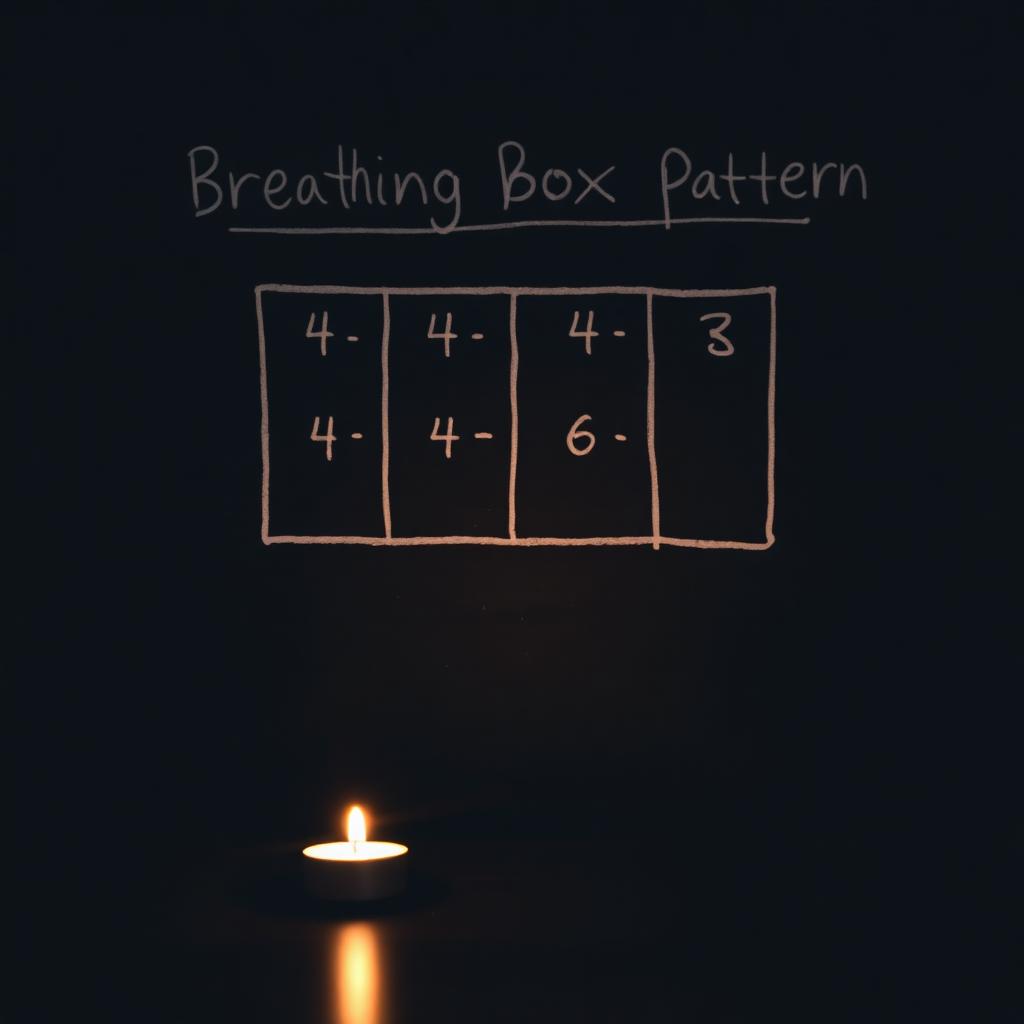
3. Box Breathing (Square Breathing)
Often used by military personnel and first responders, this technique helps to restore a normal breathing pattern and improve focus.
How to do it:
- Exhale all the air from your lungs.
- Inhale slowly through your nose to a count of four.
- Hold your breath for a count of four.
- Exhale slowly through your mouth for a count of four.
- Hold your breath (lungs empty) for a count of four.
- Repeat for several cycles.
Integrating Breathing Exercises into Your Routine
Consistency is key. Like any skill, breathing exercises become more effective with practice. Start with 5-10 minutes a day, perhaps in the morning, before bed, or during moments of stress. You can gradually increase the duration as you become more comfortable. Setting aside a specific time each day can help establish a routine. Over time, you'll find you can employ these techniques subtly in various situations, such as before a presentation, during a commute, or in a challenging conversation.
Remember, the goal isn't to eliminate anxiety entirely, but to develop tools to manage its intensity and prevent it from overwhelming you. Breathing exercises are a powerful step in this direction.
Disclaimer: This article provides general information and is not a substitute for professional medical advice. If you are experiencing severe or persistent anxiety, please consult with a healthcare professional or a mental health expert. They can offer a proper diagnosis and develop a personalized treatment plan.
Related reading
- Breathing Techniques for Wellness — Discover how simple breathing techniques can significantly enhance your well-being, reduce stress, and improve focus. Le…
- Walking for Fitness — Discover the profound benefits of walking for fitness,从心血管健康到心理健康, a simple yet powerful exercise accessible to nearly e…
- Connecting With Community — Discover how fostering strong community connections can significantly enhance mental well-being, reduce feelings of isol…
- Lemon Water Benefits — Discover the potential health benefits of incorporating lemon water into your daily routine, from hydration to vitamin C…
- The Wellness Power of Journaling — Discover how journaling can significantly enhance your mental and emotional well-being. This article explores the scient…
Written by
Health Hub Pro Editorial
Health writer at Health Hub Pro, focused on evidence-based, Sharia-conscious wellness.
View author profile →