Breathing Exercises for Anxiety
Discover simple yet powerful breathing exercises that can significantly reduce anxiety. Learn how to incorporate these techniques into your daily routine for improved mental well-being.
For informational purposes only. This article is educational and is not a substitute for professional medical advice, diagnosis, or treatment. Always consult a qualified healthcare provider about anything affecting your health. Read full disclaimer.
Breathing Exercises for Anxiety
Anxiety is a common human experience, characterized by feelings of worry, nervousness, or unease. While it's a natural emotional response to stress, persistent or severe anxiety can significantly impact daily life, affecting physical health, cognitive function, and social interactions. Fortunately, among the most accessible and powerful strategies to manage anxiety are breathing exercises. These techniques tap into the body's innate ability to self-regulate and calm the nervous system, offering a straightforward path to reducing stress and promoting relaxation.
What the evidence says
The connection between breathing and anxiety is deeply rooted in our physiology. When we feel anxious, our sympathetic nervous system, often dubbed the 'fight or flight' response, becomes activated. This physiological state is characterized by rapid, shallow breathing, an increased heart rate, elevated blood pressure, and muscle tension. While this response is crucial for short-term threats, chronic activation can perpetuate and exacerbate anxiety symptoms, leading to a vicious cycle.
Conversely, conscious, controlled breathing, particularly diaphragmatic or 'belly' breathing, activates the parasympathetic nervous system, commonly known as the 'rest and digest' system. Slow, deep, and rhythmic breathing sends powerful signals to the brain that the body is safe and calm. This physiological shift results in a cascade of beneficial effects: a reduction in heart rate, a lowering of blood pressure, and decreased muscle tension, restoring a sense of internal balance.
A key player in this mechanism is the vagus nerve, which extends from the brainstem to the abdomen and innervates various organs, including the heart and lungs. Deep, slow breathing stimulates the vagus nerve, which in turn enhances vagal tone. A higher vagal tone is associated with greater resilience to stress, better emotional regulation, and improved overall well-being. This vagal stimulation helps to counteract the sympathetic nervous system's dominance during anxiety, promoting a state of physiological calm.
[NIH]
Symptoms and warning signs
Anxiety manifests in various ways, ranging from mild unease to intense panic. Recognizing these symptoms and warning signs is the first step toward effective management, and it helps in understanding when breathing exercises might be beneficial or when professional help is needed.
Common Physical Symptoms:
- Rapid heart rate or palpitations: Feeling your heart pounding or racing.
- Shortness of breath or hyperventilation: Taking quick, shallow breaths or feeling like you can't get enough air.
- Chest pain or discomfort: Often a tightening or pressure sensation.
- Muscle tension: Stiffness, soreness, or clenching, particularly in the neck, shoulders, and jaw.
- Trembling or shaking: Involuntary shaking of hands or other body parts.
- Sweating: Excessive perspiration, even in cool environments.
- Dizziness or lightheadedness: Feeling unsteady or faint.
- Nausea, stomach upset, or digestive issues: "Butterflies" in the stomach, indigestion, or changes in bowel habits.
- Headaches: Tension headaches or migraines can be triggered or worsened by anxiety.
- Fatigue: Paradoxically, anxiety can be exhausting, leading to persistent tiredness.
- Sleep disturbances: Difficulty falling asleep, staying asleep, or restless sleep.
Common Emotional and Cognitive Symptoms:
- Excessive worry: Persistent and uncontrollable worries about everyday events or future possibilities.
- Restlessness: Feeling on edge or an inability to sit still.
- Irritability: Easily annoyed or frustrated.
- Difficulty concentrating: Trouble focusing or mind going blank.
- Feeling overwhelmed: A sense of being unable to cope with demands.
- Apprehension or dread: A pervasive feeling that something bad is about to happen.
- Panic attacks: Sudden, intense episodes of fear accompanied by severe physical symptoms.
- Difficulty making decisions: Indecisiveness even about minor things.
- Avoidance: Steering clear of situations, places, or people that trigger anxiety.
When to pay attention to these signs:
While occasional anxiety is normal, it becomes problematic when symptoms are:
- Persistent: Occurring frequently over several weeks or months.
- Disproportionate: Exceeding what is expected for the situation.
- Impairing: Interfering with daily activities, work, relationships, or overall quality of life.
- Distressing: Causing significant discomfort or fear.
Recognizing these patterns is crucial. Breathing exercises can provide immediate relief and long-term coping mechanisms, but understanding the severity and persistence of symptoms helps determine if additional clinical support is required.
When to see a clinician
While breathing exercises are a powerful self-help tool, they are not a substitute for professional medical or mental health care, especially when anxiety symptoms are severe, persistent, or debilitating. It's important to know when to seek help from a qualified clinician.
Consider consulting a doctor or mental health professional if:
- Your anxiety is overwhelming or interferes significantly with your daily life. This includes difficulty performing daily tasks, maintaining relationships, or working effectively.
- You experience frequent or intense panic attacks. These are sudden episodes of intense fear that can include severe physical symptoms like chest pain, shortness of breath, and dizziness.
- Your anxiety symptoms are persistent and don't improve with self-help strategies, including regular practice of breathing exercises.
- You're avoiding situations or activities you once enjoyed because of anxiety or fear.
- You use alcohol or other substances to cope with anxiety. This can lead to dependence and worsen anxiety in the long run.
- You have thoughts of self-harm or harming others. This is a serious symptom requiring immediate professional intervention.
- Your anxiety is accompanied by other concerning physical symptoms that could indicate an underlying medical condition. A clinician can rule out conditions like thyroid disorders, heart problems, or certain respiratory conditions that can mimic or exacerbate anxiety.
- You're experiencing significant changes in sleep patterns, appetite, or energy levels that are impacting your overall health and well-being.
A clinician, such as a general practitioner, psychiatrist, psychologist, or licensed therapist, can provide a comprehensive evaluation, offer an accurate diagnosis, and develop a personalized treatment plan. This plan might include cognitive-behavioral therapy (CBT), other forms of psychotherapy, medication, or a combination of approaches, often alongside lifestyle recommendations like breathing exercises. Early intervention can significantly improve outcomes and prevent anxiety from becoming a chronic, debilitating condition.
Treatment and management options
Managing anxiety often involves a multi-faceted approach, combining various strategies to address both the symptoms and underlying causes. Breathing exercises are a cornerstone of self-management, but they integrate well with other clinical and lifestyle interventions.
1. Psychotherapy (Talk Therapy): Often considered a first-line treatment for anxiety disorders, psychotherapy helps individuals identify and change problematic thinking patterns and behaviors that contribute to anxiety.
- Cognitive Behavioral Therapy (CBT): A highly effective form of therapy that focuses on challenging negative thoughts and developing healthier coping mechanisms.
- Exposure Therapy: Used for specific phobias and social anxiety, gradually exposing individuals to feared situations or objects in a safe environment to reduce avoidance behaviors.
[Mayo Clinic]
2. Pharmacological Treatments: Medications can be prescribed to manage severe anxiety symptoms, especially when psychotherapy alone is not sufficient. These are typically prescribed and monitored by a medical doctor or psychiatrist.
- Antidepressants: Selective serotonin reuptake inhibitors (SSRIs) and serotonin-norepinephrine reuptake inhibitors (SNRIs) are commonly prescribed for anxiety.
- Anti-anxiety Medications: Benzodiazepines are fast-acting but generally prescribed for short-term use due to the risk of dependence. Other non-benzodiazepine options exist with fewer dependence risks.
- Beta-blockers: Can help manage the physical symptoms of anxiety, such as a racing heart or trembling.
[Mayo Clinic]
3. Lifestyle Modifications: Beyond formal treatment, several lifestyle changes can significantly impact anxiety levels.
- Regular Physical Activity: Exercise releases endorphins, which have mood-boosting effects.
- Balanced Nutrition: A diet rich in whole foods can support brain health. Limiting caffeine, alcohol, and excessive sugar intake can also help stabilize mood.
- Adequate Sleep: Prioritizing 7-9 hours of quality sleep per night is crucial. Sleep deprivation can exacerbate anxiety symptoms.
- Mindfulness and Meditation: Practices that involve focusing on the present moment can cultivate a sense of calm.
- Stress Management Techniques: Identifying and reducing stressors, practicing time management, and learning to say "no" can prevent anxiety from escalating.
- Social Support: Connecting with friends, family, or support groups can provide emotional comfort.
[NIH]
Integrating breathing exercises with these treatment and management options creates a holistic strategy for effectively addressing anxiety, promoting both immediate relief and long-term well-being.
Prevention and daily habits
While it's impossible to completely prevent anxiety, as it's a natural human emotion, developing consistent daily habits can significantly reduce its frequency, intensity, and impact on your life. Integrating these practices can build resilience against stress and foster a calmer state of mind.
1. Incorporate Regular Breathing Practices: Make breathing exercises a non-negotiable part of your daily routine, even when you're not feeling anxious.
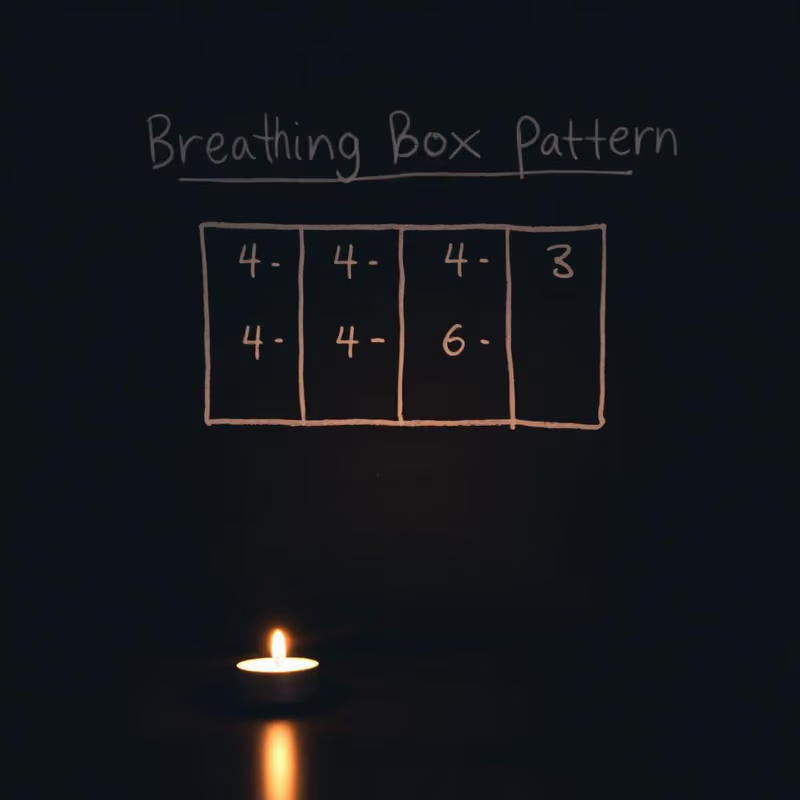
- Morning Ritual: Start your day with 5-10 minutes of diaphragmatic breathing or box breathing.
- Mid-day Micro-breaks: Take 1-2 minutes every few hours to consciously practice a few cycles of 4-7-8 breathing or simply a few deep, slow breaths.
- Pre-sleep Routine: Practice diaphragmatic breathing or 4-7-8 breathing before bed to relax your body and mind, promoting better sleep.
- Situational Awareness: Consciously employ breathing techniques during potentially stressful situations, such as before a meeting, during a commute, or in a challenging conversation, to manage immediate reactions.
2. Prioritize Sleep Hygiene: Quality sleep is foundational for emotional regulation and stress resilience.
- Consistent Schedule: Go to bed and wake up at the same time each day to regulate your body's natural sleep-wake cycle.
- Create a Relaxing Environment: Ensure your bedroom is dark, quiet, and cool.
- Wind-down Routine: Avoid screens for at least an hour before bed. Instead, read a book or practice gentle stretching.
- Limit Stimulants: Reduce caffeine and alcohol intake, especially in the afternoon and evening.
[CDC]
3. Engage in Regular Physical Activity: Exercise is a potent stress reliever and mood booster.
- Find What You Enjoy: Choose activities you genuinely like to ensure consistency.
- Aim for Consistency: Strive for at least 30 minutes of moderate-intensity exercise most days of the week.
- Mindful Movement: Pay attention to your breath and body during exercise, using it as an opportunity for active meditation.
[AHA]
4. Cultivate Mindful Awareness: Mindfulness involves being present and fully engaged in the current moment, without judgment.
- Formal Meditation: Practice guided or unguided meditation for a few minutes daily.
- Informal Mindfulness: Bring awareness to everyday activities, like eating or walking.
- Journaling: Regularly writing down your thoughts and feelings can help process emotions and gain perspective.
5. Maintain a Balanced Diet: Nutrition plays a role in brain health and mood stability.
- Whole Foods Focus: Emphasize whole, unprocessed foods, including fruits, vegetables, whole grains, lean proteins, and healthy fats.
- Limit Processed Foods and Sugar: These can contribute to energy crashes and mood swings.
- Stay Hydrated: Drink plenty of water throughout the day.
- Moderate Caffeine and Alcohol: Excessive amounts can trigger or worsen anxiety.
6. Foster Social Connections: Strong social bonds provide support and reduce feelings of isolation.
- Connect Regularly: Spend time with supportive friends and family.
- Join Groups or Activities: Engage in hobbies or volunteer work that allows you to meet new people and build community.
7. Practice Time Management and Boundary Setting: Feeling overwhelmed can be a major anxiety trigger.
- Prioritize Tasks: Use planners or to-do lists to manage responsibilities effectively.
- Learn to Say "No": Protect your time and energy by declining commitments that overextend you.
By consistently integrating these preventive habits into your daily life, you can create a robust buffer against anxiety, enhancing your overall mental and physical well-being.
Frequently asked questions
Q1: How quickly can breathing exercises help with anxiety?
A1: The effects of breathing exercises can be surprisingly rapid. Many individuals experience immediate relief, even within a few breaths, as the activation of the parasympathetic nervous system begins to calm the body's 'fight or flight' response. For acute anxiety or panic attacks, techniques like the 4-7-8 method or box breathing can help interrupt the escalating physiological symptoms within minutes. For long-term benefits and a sustained reduction in overall anxiety levels, consistent daily practice over several weeks or months is typically needed.
Q2: Can breathing exercises cure anxiety disorders?
A2: While breathing exercises are an incredibly effective tool for managing anxiety symptoms and building resilience, they are generally not considered a "cure" for clinically diagnosed anxiety disorders. They are a powerful complementary therapy that can significantly reduce the severity and frequency of symptoms, improve coping mechanisms, and enhance overall well-being. For individuals with anxiety disorders, breathing exercises are best used in conjunction with professional treatment, which may include psychotherapy and, in some cases, medication, as recommended by a clinician.
Q3: Are there any side effects or risks associated with breathing exercises?
Q4: How often should I practice breathing exercises for optimal results?
Q5: Can I practice breathing exercises anywhere?
Key takeaways
- Breathing exercises are a powerful, accessible tool for managing anxiety by activating the body's 'rest and digest' system (parasympathetic nervous system) and stimulating the vagus nerve.
- They offer immediate relief and long-term benefits, including reduced stress, improved focus, better sleep, and enhanced self-awareness.
- Consistency is crucial: Integrate regular breathing practice into your daily routine, even for short durations, to build resilience against anxiety.
- Recognize symptoms and warning signs: Pay attention to physical and emotional indicators of anxiety to know when to apply breathing techniques or seek professional help.
- Breathing exercises complement professional treatment: They are not a substitute for clinical care, but they integrate well with psychotherapy and medication when necessary.
- Lifestyle habits are key to prevention: Prioritize sleep, exercise, balanced nutrition, mindfulness, and social connections to create a holistic strategy for anxiety management.
- Consult a clinician if anxiety is severe, persistent, or debilitating, as professional diagnosis and treatment may be required for optimal well-being.
Disclaimer: This article provides general information and is not a substitute for professional medical advice. If you are experiencing severe or persistent anxiety, please consult with a healthcare professional or a mental health expert. They can offer a proper diagnosis and develop a personalized treatment plan.
Related reading
Keep exploring this topic with our related, evidence-reviewed guides:
- Breathing Techniques for Wellness — Discover how simple breathing techniques can significantly enhance your well-being, reduce stress, and improve focus. Learn practi…
- Stress Reduction Techniques: Evidence-Based Guide — Discover effective, evidence-based stress reduction techniques to improve your mental well-being and navigate life's challenges wi…
- Mindfulness for Beginners: Evidence-Based Guide — Discover how mindfulness can reduce stress, improve focus, and enhance overall well-being. This beginner's guide provides practica…
- Gratitude Practices That Stick — Cultivating gratitude can significantly enhance mental well-being. This article explores actionable, evidence-based practices to m…
- Journaling for Mental Health: Evidence-Based Guide — Discover how journaling can be a powerful tool for improving mental well-being, offering benefits like stress reduction, emotional…
- The Mind Body Connection: Evidence-Based Guide — Explore the profound link between our mental and physical health, revealing how emotional states impact bodily functions and vice …
Sources
[NIH] National Institutes of Health (NIH). [CDC] Centers for Disease Control and Prevention (CDC). [AHA] American Heart Association (AHA). [Mayo Clinic] Mayo Clinic. [NHS] National Health Service (NHS).
Sources
Evidence & citations
- Every claim in this mental wellness guide is backed by primary data — browse the mental health statistics from WHO and CDC in our sourced statistics library.
- Writing about this topic? Researchers, journalists and educators can cite our mental wellness guides with ready-made APA, MLA and Chicago references.
My notes on this one
The short version of 5 minutes of reading — what stuck with me while writing “Breathing Exercises for Anxiety”, what the sources back up, and what I'd actually do about it.
What I'd take away
01 · What the evidence says
Conversely, conscious, controlled breathing, particularly diaphragmatic or 'belly' breathing, activates the parasympathetic nervous system, commonly known as the 'rest and digest' system.
02 · Symptoms and warning signs
Breathing exercises can provide immediate relief and long-term coping mechanisms, but understanding the severity and persistence of symptoms helps determine if additional clinical support is required.
03 · Treatment and management options
Adequate Sleep: Prioritizing 7-9 hours of quality sleep per night is crucial. Sleep deprivation can exacerbate anxiety symptoms.
04 · Prevention and daily habits
Mid-day Micro-breaks: Take 1-2 minutes every few hours to consciously practice a few cycles of 4-7-8 breathing or simply a few deep, slow breaths.
If you only do one thing this week
- Adequate Sleep — Prioritizing 7-9 hours of quality sleep per night is crucial. Sleep deprivation can exacerbate anxiety symptoms.
- Morning Ritual — Start your day with 5-10 minutes of diaphragmatic breathing or box breathing.
- Mid-day Micro-breaks — Take 1-2 minutes every few hours to consciously practice a few cycles of 4-7-8 breathing or simply a few deep, slow breaths.
- Limit Stimulants — Reduce caffeine and alcohol intake, especially in the afternoon and evening.
- Aim for Consistency — Strive for at least 30 minutes of moderate-intensity exercise most days of the week.
Pick the one that fits your week. None of this replaces advice from a clinician who can actually examine you.
Questions I kept coming back to
How quickly can breathing exercises help with anxiety?+
The effects of breathing exercises can be surprisingly rapid. Many individuals experience immediate relief, even within a few breaths, as the activation of the parasympathetic nervous system begins to calm the body's 'fight or flight' response. For acute anxiety or panic attacks, techniques like the 4-7-8 method or box breathing can help interrupt the escalating physiological symptoms within minutes…
Can breathing exercises cure anxiety disorders?+
While breathing exercises are an incredibly effective tool for managing anxiety symptoms and building resilience, they are generally not considered a "cure" for clinically diagnosed anxiety disorders. They are a powerful complementary therapy that can significantly reduce the severity and frequency of symptoms, improve coping mechanisms, and enhance overall well-being. For individuals with anxiety disorders…
What role does shortness of breath or hyperventilation actually play?+
Taking quick, shallow breaths or feeling like you can't get enough air.
How much does muscle tension really matter?+
Stiffness, soreness, or clenching, particularly in the neck, shoulders, and jaw.
What should I know about nausea, stomach upset, or digestive issues?+
"Butterflies" in the stomach, indigestion, or changes in bowel habits.
Was this article helpful?
Be the first to rate this article.
Written by
FaizRuh
I write Health Hub Pro on my own — no clinical licence, no anonymous review panel. Just the published guidance, read carefully and explained plainly.
More about me →How this page was checked
Every claim above is checked against the sources listed at the bottom of this article — WHO, CDC, NIH, NHS, Cochrane and major clinical guidelines. Drafting is AI-assisted; the editing, fact-checking and final wording are mine. It's information, not medical advice. Spotted an error? Tell me and I'll fix it.
Last checked on