Breathing Techniques for Wellness
Discover how simple breathing techniques can significantly enhance your well-being, reduce stress, and improve focus. Learn practical exercises grounded in scientific understanding.

For informational purposes only. This article is educational and is not a substitute for professional medical advice, diagnosis, or treatment. Always consult a qualified healthcare provider about anything affecting your health. Read full disclaimer.
Breathing Techniques for Wellness
In our fast-paced modern world, it's easy to overlook the profound impact of something as fundamental as our breath. Yet, conscious, controlled breathing offers a powerful and accessible pathway to improved physical and mental well-being. Far from being a mere automatic bodily function, breathing is a tool we can harness to influence our nervous system, manage stress, and enhance overall health.
The Science Behind Your Breath
The way we breathe directly interacts with our autonomic nervous system, which controls involuntary bodily functions like heart rate, digestion, and stress response. This system has two main branches: the sympathetic nervous system (our 'fight or flight' response) and the parasympathetic nervous system (our 'rest and digest' response). Rapid, shallow breathing, often a characteristic of stress, activates the sympathetic nervous system. Conversely, slow, deep, diaphragmatic breathing stimulates the parasympathetic nervous system, promoting relaxation, reducing heart rate, and lowering blood pressure.
Research has shown that consistent practice of controlled breathing can lead to a multitude of benefits. For instance, studies published in reputable journals have indicated that diaphragmatic breathing can reduce cortisol levels (the stress hormone), improve mood, and even enhance cognitive functions such as attention and memory. Beyond its psychological effects, proper breathing can optimize oxygen exchange, improve lung function, and support immune system health.
Practical Breathing Techniques
Incorporating just a few minutes of conscious breathing into your daily routine can make a significant difference. Here are a few evidence-based techniques to get started:
1. Diaphragmatic or Belly Breathing
This is perhaps the most fundamental and beneficial technique. It involves breathing deeply into your diaphragm rather than shallowly into your chest.
How to practice:
- Lie on your back with knees bent or sit comfortably upright.
- Place one hand on your chest and the other on your abdomen, just below your rib cage.
- Inhale slowly through your nose, feeling your abdomen rise. Your chest should remain relatively still.
- Exhale slowly through pursed lips, feeling your abdomen fall.
- Aim for 6-10 deep, slow breaths per minute for 5-10 minutes a day.
2. 4-7-8 Breathing Technique (Relaxing Breath)
Developed by Dr. Andrew Weil, this technique is a powerful natural tranquilizer for the nervous system, helping to reduce anxiety and promote sleep.
How to practice:
- Sit with your back straight.
- Place the tip of your tongue against the ridge of tissue just behind your upper front teeth, and keep it there throughout the entire breathing process.
- Exhale completely through your mouth, making a 'whoosh' sound.
- Close your mouth and inhale quietly through your nose to a mental count of four.
- Hold your breath for a count of seven.
- Exhale completely through your mouth, making a 'whoosh' sound to a count of eight.
- This is one breath. Inhale again and repeat the cycle three more times for a total of four breaths.
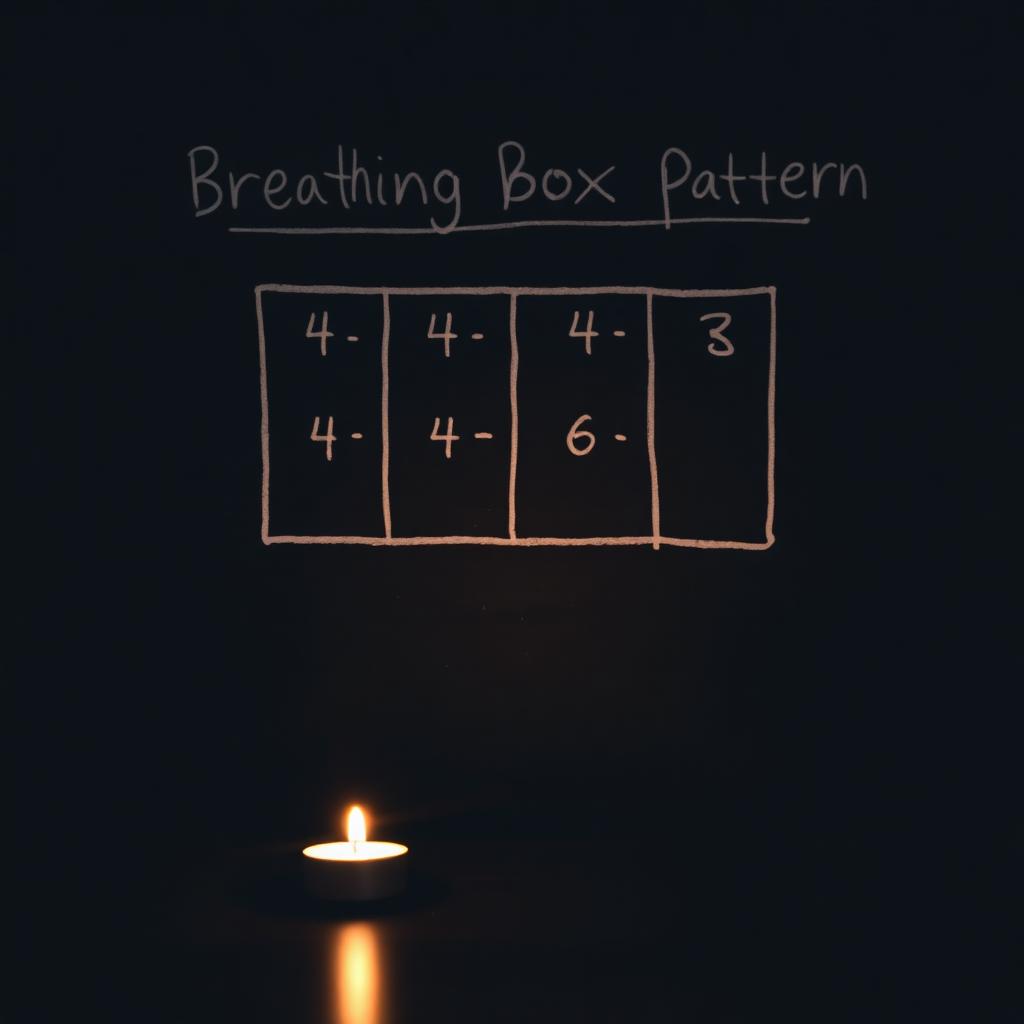
3. Box Breathing (Tactical Breathing)
Often used by athletes and military personnel, box breathing is excellent for regaining focus and calming the nervous system quickly.
How to practice:
- Exhale completely, pushing all the air out of your lungs.
- Inhale slowly and deeply through your nose for a count of four.
- Hold your breath for a count of four.
- Exhale slowly and completely through your mouth for a count of four.
- Hold your breath (with lungs empty) for a count of four.
- Repeat the cycle for several minutes.
Integrating Breathing into Your Daily Life
The beauty of breathing techniques is their portability and accessibility. You don't need special equipment or a dedicated space. You can practice them during a commute, before a stressful meeting, as part of your morning routine, or to wind down before bed. Regular practice, even for short durations, helps to retrain your body to maintain a calmer physiological state throughout the day.
Consistency is key. Just like any other form of exercise, the benefits of breathing techniques accumulate over time. Start with 5-10 minutes daily and gradually increase as you feel comfortable. Pay attention to how your body responds and adjust accordingly.
Conclusion
Breathing is more than just sustaining life; it's a profound tool for enhancing it. By consciously engaging with your breath, you can unlock a powerful mechanism for stress reduction, improved focus, and overall wellness. These simple, yet effective, techniques offer a pathway to a more balanced and centered life.
Disclaimer: This article is for informational purposes only and does not constitute medical advice. Always consult with a qualified healthcare professional before beginning any new health regimen, especially if you have underlying health conditions.
Related reading
- Breathing Exercises for Anxiety — Discover simple yet powerful breathing exercises that can significantly reduce anxiety. Learn how to incorporate these t…
- Mindfulness for Beginners — Discover how mindfulness can reduce stress, improve focus, and enhance overall well-being. This beginner's guide provide…
- The Wellness Power of Journaling — Discover how journaling can significantly enhance your mental and emotional well-being. This article explores the scient…
- Posture Exercises for Office Workers — Discover simple yet effective posture exercises tailored for office workers to combat the negative effects of prolonged …
- Indoor Air Quality and Wellness — Discover how the air inside your home impacts your health and well-being. Learn practical steps to improve indoor air qu…
Written by
Health Hub Pro Editorial
Health writer at Health Hub Pro, focused on evidence-based, Sharia-conscious wellness.
View author profile →