Chinese Approaches to Back Pain: Movement, Heat, and Posture
A practical, evidence-informed guide to chinese back pain remedies — what matters, what works, common mistakes, and when to consult a professional.

For informational purposes only. This article is educational and is not a substitute for professional medical advice, diagnosis, or treatment. Always consult a qualified healthcare provider about anything affecting your health. Read full disclaimer.
Chinese Approaches to Back Pain: Movement, Heat, and Posture
(Not medical or veterinary advice — consult a qualified clinician or veterinarian for personal guidance.)
Introduction
Back pain is a common concern affecting a significant portion of the global population at some point in their lives. While conventional Western medical approaches often focus on pharmaceuticals, surgery, and physical therapy, traditional Chinese understanding offers a different perspective, emphasizing holistic balance, energy flow, and natural remedies. Rooted in ancient philosophical principles, these approaches view the body as an interconnected system where imbalances, blockages, or deficiencies can manifest as pain, including in the back.
Traditional Chinese Medicine (TCM), the overarching framework for many of these practices, posits that health is maintained through the harmonious flow of Qi (life force or vital energy) and Xue (blood) through meridians (invisible pathways) throughout the body. When this flow is obstructed, deficient, or excessive, pain and illness can arise. Back pain, in this context, is often attributed to various factors such as stagnation of Qi and Xue due to injury, exposure to external pathogenic factors like cold and dampness, or internal imbalances like kidney essence deficiency.
This article explores Chinese approaches to managing back pain, focusing on three key themes: movement, heat therapy, and posture. These elements are integral to many traditional Chinese practices and are increasingly recognized for their potential benefits. We will delve into how these principles are applied in daily life, discussing practical habits, common pitfalls, and when it is appropriate to seek professional guidance. Our aim is to provide an evidence-informed overview, respecting the rich history and wisdom of these traditions while maintaining a cautious and scientifically grounded perspective.
Why this matters
The global burden of back pain is substantial, impacting individuals' quality of life, productivity, and healthcare systems. Chronic back pain, in particular, can be debilitating, leading to long-term disability and significant personal and economic costs. As such, exploring diverse, holistic, and potentially complementary approaches becomes crucial for both prevention and management.
Chinese approaches offer an alternative or complementary paradigm to Western biomedical models. While Western medicine often seeks to identify and treat specific anatomical or physiological pathologies, Chinese practices frequently adopt a broader view, considering the individual's lifestyle, environment, emotional state, and constitutional type. This holistic perspective can empower individuals to take a more active role in their health management, promoting self-care practices that integrate into daily routines.
Movement, for instance, is not just about strengthening muscles but about cultivating smooth Qi and Xue flow, enhancing flexibility, and harmonizing the body-mind connection through practices like Tai Chi and Qigong. Heat therapy is understood not merely as a muscle relaxant but as a way to dispel cold and dampness, warm meridians, and invigorate circulation. Posture extends beyond biomechanical alignment to reflect internal balance and how one carries oneself through life.
For many, these approaches represent accessible, non-pharmacological, and non-invasive options that can be integrated into a comprehensive back care strategy. Understanding these perspectives can broaden one's options for managing back pain, potentially reducing reliance on medication, and fostering a proactive stance towards well-being. Furthermore, as global health perspectives increasingly intersect, appreciating diverse medical traditions enriches our collective understanding of health and healing.
Key principles (evidence-informed)
Chinese approaches to back pain are underpinned by several foundational principles, which, while originating from ancient texts, find resonance with modern health concepts.
1. Holistic Balance and Harmony: The core tenet of TCM is the belief that health stems from balance within the body and between the body and its environment. Back pain is seen as a symptom of an imbalance – perhaps an excess of cold or dampness, a deficiency of Kidney essence, or stagnation of Qi and Xue. Restoring this balance is the primary goal. This principle aligns with a modern understanding of lifestyle factors impacting health and the importance of a balanced ecosystem within the body.
2. Qi and Xue Circulation: Central to TCM is the concept of Qi (vital energy) and Xue (blood) circulating through specific pathways called meridians. When Qi and Xue flow freely, the body is nourished and pain-free. Blockages or deficiencies in this flow are often implicated in back pain. Practices like Tai Chi and Qigong are believed to promote this smooth circulation. Movement and gentle exercise are recognized in modern science for improving circulation, reducing muscle stiffness, and facilitating nutrient delivery and waste removal.
3. Meridian System: The back is traversed by several important meridians, notably the Bladder meridian, which runs along the spine, and the Du (Governing) meridian, which also runs centrally along the back. Pain in specific areas of the back can be interpreted as an issue within these meridians or their associated organs. While meridians do not correspond directly to known anatomical structures, they represent functional pathways. The concept of referred pain in modern medicine, where pain is felt in a location distant from the actual source, bears some conceptual similarity.
4. Role of External Pathogens (Cold and Dampness): In TCM, exposure to cold and damp environments can invade the body, especially the back, leading to Qi and Xue stagnation, manifesting as pain and stiffness. This is why heat therapy is a common recommendation. Modern understanding recognizes that cold can exacerbate muscle tension and reduce blood flow, potentially intensifying pain. Dampness, in a figurative sense, could relate to inflammation or fluid retention.
5. Kidney Essence and Back Health: The Kidneys in TCM are considered the root of life, storing essential Qi and governing bone, marrow, and the lower back. A deficiency of Kidney essence, often associated with aging, chronic illness, or overwork, is frequently cited as a cause of chronic lower back pain. This aligns conceptually with age-related degenerative changes in the spine and the impact of overall systemic health on musculoskeletal integrity.
6. Mind-Body Connection: Emotional factors like stress, anxiety, and prolonged sadness can impede Qi flow and contribute to pain. Practices that foster calmness and mental tranquility, such as meditation and mindful movement, are thus considered integral. This strongly resonates with modern understanding of the psychosocial aspects of pain and the effectiveness of mindfulness-based interventions for chronic pain management.
Practical daily habits
Integrating Chinese approaches into daily life for back pain management involves mindful movement, appropriate use of heat, and conscious attention to posture.
1. Mindful Movement (Tai Chi & Qigong): Tai Chi and Qigong are gentle forms of exercise that combine slow, deliberate movements, deep breathing, and meditation. These practices are designed to improve Qi and Xue circulation, enhance flexibility, strengthen core muscles, and promote mental calmness.
- Benefits: Regular practice can improve balance, reduce stress, increase flexibility, and strengthen muscles supporting the spine without high impact. The focus on slow, controlled movements helps cultivate body awareness and can gently mobilize the spine.
- How to incorporate: Even 15-20 minutes daily can be beneficial. Many online resources and community classes offer instruction. Begin with simple forms and focus on smooth, coordinated movements and deep abdominal breathing.
2. Heat Therapy: Applying warmth to the back is a common Chinese approach to relieve pain, especially when the pain is exacerbated by cold or feels stiff. Heat is believed to dispel cold, warm the meridians, and promote Qi and Xue circulation.
- Methods:
- Warm Compresses/Hot Water Bottles: Apply a warm, moist towel or a hot water bottle to the affected area for 15-20 minutes.
- Moxibustion: This TCM technique involves burning dried mugwort (moxa) near the skin. The radiant heat penetrates deeply, believed to warm meridians, expel cold, and invigorate Qi and Xue. This should typically be administered by a trained practitioner, but indirect moxa devices are available for cautious home use under guidance.
- Warm Baths/Showers: A warm bath with Epsom salts or ginger can relax muscles and promote circulation.
- Herbal Poultices/Patches: Some traditional patches contain warming herbs like ginger, applied directly to the skin.
- How to incorporate: Use heat therapy when the back feels stiff, cold, or when muscles are tense. Avoid heat on acutely inflamed areas or open wounds.
3. Posture Awareness: In Chinese philosophy, posture is not just physical alignment but reflects one's internal state and how Qi flows through the body. Good posture facilitates smooth Qi and Xue circulation and reduces strain on the spine.
- Sitting Posture: Sit with both feet flat on the floor, hips slightly higher than knees if possible, and a natural curve in the lower back. Avoid prolonged slumping or leaning. Use a lumbar support cushion if needed.
- Standing Posture: Stand tall, with shoulders relaxed, chest open, and a slight engagement of core muscles. Avoid locking the knees. Imagine a string pulling you gently upwards from the crown of your head.
- Lifting: Bend from the knees, keeping the back straight, and engage core muscles. Lift with the legs, not the back.
- Sleeping Posture: Sleep on your side with a pillow between your knees or on your back with a pillow under your knees to maintain spinal alignment. Avoid sleeping on your stomach, which can strain the neck and lower back.
- Body Scan: Periodically throughout the day, perform a quick body scan to check for tension and adjust your posture.
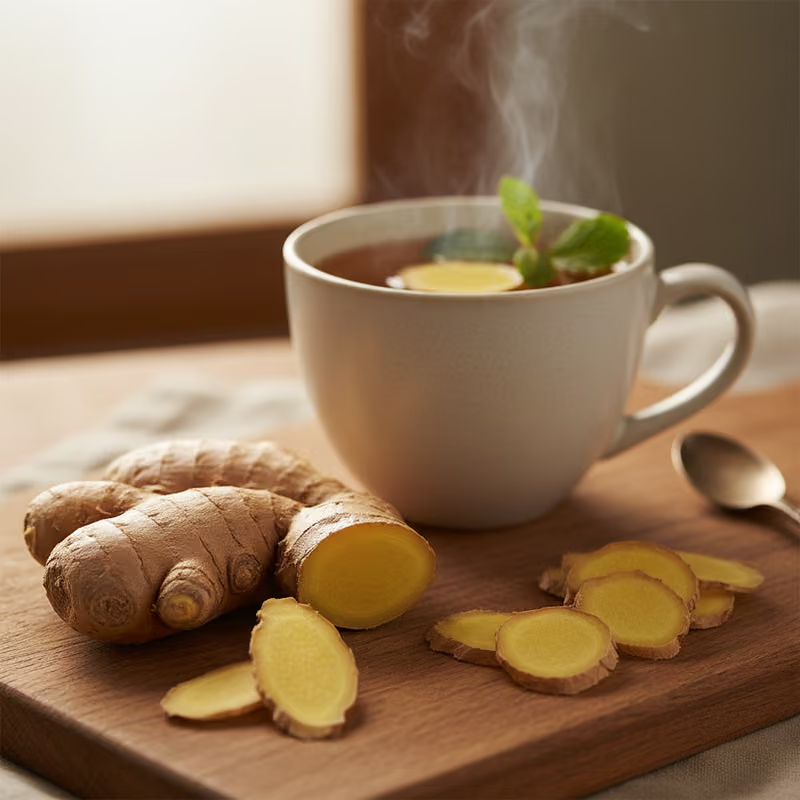
4. Dietary Considerations: While not directly movement, heat, or posture, TCM often emphasizes diet for overall balance. Foods considered "warming" like ginger, cinnamon, and garlic are sometimes recommended for cold-type back pain, while avoiding "cold" or "damp-producing" foods in excess may be suggested.
5. Adequate Rest: Rest allows the body to recover and restore Qi. Prioritizing sufficient sleep and incorporating short rest breaks during the day can help manage back pain.
Common mistakes to avoid
While Chinese approaches offer valuable insights, certain practices or misconceptions can be counterproductive or even harmful.
1. Self-Diagnosis and Over-Reliance on Internet Information: Mistaking the information presented in articles or online for a professional diagnosis is a significant error. Back pain can stem from various causes, some of which require specific medical attention. Self-diagnosing based on general TCM principles without a proper assessment by a qualified practitioner can lead to inappropriate self-treatment or delayed necessary medical intervention.
2. Ignoring Acute Symptoms or Red Flags: Acute, severe back pain, pain accompanied by numbness, weakness, bladder/bowel changes, fever, or unexplained weight loss are "red flags" that warrant immediate medical evaluation. Relying solely on gentle Chinese methods when a serious underlying condition is present can be dangerous. Chinese approaches are generally complementary and preventative, not a substitute for urgent medical care when needed.
3. Overdoing Movement Practices (Tai Chi/Qigong): While gentle, it's possible to overexert, especially when starting a new movement practice. Pushing through pain, performing movements incorrectly, or attempting advanced forms without proper instruction can lead to injury or exacerbate existing pain. Start slowly, listen to your body, and seek guidance from a certified instructor.
4. Misusing Heat Therapy: Applying heat to areas of acute inflammation (e.g., a recent sprain or injury that is hot, swollen, and red) can worsen the condition by increasing swelling. Heat is generally beneficial for chronic, stiff, or cold-type pain. Conversely, cold therapy (ice packs) is often more appropriate for acute injuries. Incorrect application of moxibustion can also cause burns if not done properly or with adequate protection.
5. Neglecting Professional Guidance for Chronic Pain: For persistent or chronic back pain, consulting with a qualified TCM practitioner (acupuncturist, herbalist) is crucial. They can provide a personalized diagnosis based on TCM patterns, offer tailored treatments like acupuncture, herbal medicine, or Tui Na (massage), and guide lifestyle adjustments. Relying solely on generalized home remedies may not address the root cause of chronic issues.
6. Believing a "Quick Fix" Exists: Chinese approaches, like most holistic health practices, emphasize gradual change and consistent effort. There is rarely a "quick fix" for back pain, especially chronic conditions. Expecting immediate and complete relief from a few sessions of Tai Chi or occasional heat application is unrealistic and can lead to discouragement. Consistency and patience are key.
7. Ignoring Ergonomics and Lifestyle Factors: While focusing on movement, heat, and posture, it's a mistake to overlook other critical lifestyle factors. Poor ergonomic setups at work, prolonged static postures, insufficient sleep, chronic stress, and a pro-inflammatory diet can all contribute to back pain and undermine the benefits of traditional practices. A holistic approach means addressing all these elements concurrently.
When to see a professional
While many instances of back pain can be managed with self-care and lifestyle adjustments, it is crucial to know when to seek professional medical advice. Delaying evaluation for certain symptoms can have serious consequences.
Consult a medical doctor (e.g., primary care physician, orthopedist, neurologist) immediately if you experience:
- Sudden, severe back pain: Especially if it's unrelated to a clear injury or if it's the worst pain you've ever felt.
- Pain following a significant injury: Such as a fall, car accident, or sports injury.
- Back pain with numbness, weakness, or tingling: Especially in the legs, arms, or groin area. This could indicate nerve compression.
- Loss of bowel or bladder control: This is a medical emergency and may indicate a serious neurological condition.
- Unexplained fever or chills with back pain.
- Unexplained weight loss accompanying back pain.
- Back pain that is constant, progressive, or worsens at night.
- Pain that does not improve after a few weeks of self-care.
- Pain that radiates down one or both legs, especially if it extends below the knee.
- Known history of cancer, osteoporosis, or immunosuppression: These conditions can make certain types of back pain more concerning.
Consider consulting a qualified Traditional Chinese Medicine (TCM) practitioner (e.g., licensed acupuncturist, herbalist, or Tui Na therapist) for:
- Persistent or chronic back pain: If your back pain lingers for more than a few weeks despite conventional care or if you're seeking complementary approaches.
- General well-being and preventative care: TCM practitioners can offer personalized advice on diet, lifestyle, and exercises to maintain spinal health and prevent recurrence of pain.
- Pain that has been unresponsive to other treatments: TCM may offer a different perspective and treatment approach.
- Guidance on specific TCM practices: Such as moxibustion, cupping, or herbal remedies, to ensure safe and effective application.
- A holistic assessment: A TCM practitioner can provide a comprehensive evaluation based on traditional diagnostic methods, which may identify patterns of imbalance contributing to your back pain, leading to a personalized treatment plan.
It is advisable to discuss any complementary therapies you are considering with your primary healthcare provider to ensure a coordinated and safe approach to your health.
Frequently asked questions
What are "meridians" in Chinese approaches to back pain?
In Traditional Chinese Medicine (TCM), meridians are theoretical pathways or channels through which Qi (vital energy) and Xue (blood) are believed to circulate throughout the body. They are not physical structures like blood vessels but rather functional pathways connecting various organs and body parts. Back pain is often attributed to blockages, deficiencies, or excesses within these meridians that run along the back, such as the Bladder and Du (Governing) meridians. Stimulating specific points along these meridians, through practices like acupuncture or acupressure, is thought to restore proper Qi and Xue flow, thereby alleviating pain.
How does Tai Chi help with back pain?
Tai Chi is a gentle mind-body exercise characterized by slow, flowing movements, deep breathing, and focused attention. For back pain, it helps by improving core strength, flexibility, and balance, which are crucial for supporting the spine. The continuous, controlled movements enhance circulation of Qi and blood, reduce muscle tension, and increase body awareness, allowing individuals to identify and correct poor posture or movement patterns that contribute to pain. The meditative aspect also helps reduce stress, a known contributor to chronic pain.
Is heat therapy always good for back pain?
Heat therapy, such as warm compresses or moxibustion, is often beneficial for back pain, especially when the pain is described as stiff, achy, or worsened by cold. It helps relax muscles, increase blood flow, and can relieve pain. However, heat should generally be avoided for acute injuries (e.g., a recent sprain) where inflammation, swelling, and redness are present. In such cases, cold therapy (ice) is usually more appropriate to reduce inflammation. Always assess the nature of your pain; if it's hot and swollen, avoid additional heat.
Can poor posture cause back pain according to Chinese principles?
Yes, absolutely. In Chinese approaches, good posture is considered essential for the harmonious flow of Qi and Xue. Poor posture can create physical blockages or strains, impeding the smooth circulation of energy and blood through the meridians of the back, leading to stagnation and pain. Beyond physical alignment, posture is also seen to reflect one's internal state; a slumped posture might indicate a deficiency of Qi or emotional stagnation. Correcting posture helps maintain structural integrity, reduces strain on the spine, and facilitates optimal energy flow.
What is Moxibustion and how does it relate to back pain?
Moxibustion is a traditional Chinese therapy that involves burning dried mugwort (moxa) near the skin. The radiant heat from the burning moxa is believed to penetrate deeply into the body, warming the meridians, expelling cold and dampness, and invigorating the circulation of Qi and Xue. For back pain, moxibustion is particularly used for conditions attributed to cold or damp invasion, or Qi and Xue stagnation, which manifest as dull, aching, stiff, or cold-sensitive pain. It is typically administered by a trained TCM practitioner, though indirect moxa devices can be used cautiously at home under guidance.
Key takeaways
Chinese approaches to back pain offer a holistic perspective that emphasizes balance, Qi and Xue circulation, and the interconnectedness of body and mind. Integrating principles of movement, heat, and posture into daily life can be a valuable complementary strategy for managing and preventing back pain.
- Movement is Medicine: Practices like Tai Chi and Qigong are gentle yet powerful ways to enhance flexibility, strengthen core muscles, improve circulation, and reduce stress, all contributing to spinal health.
- Heat for Relief: Applying warmth through methods like warm compresses, baths, or moxibustion can help alleviate stiff, aching, or cold-sensitive back pain by promoting circulation and relaxing muscles. Avoid heat on acute inflammation.
- Posture Matters: Conscious attention to sitting, standing, and sleeping posture is crucial for maintaining spinal alignment, reducing strain, and facilitating optimal energy flow throughout the body.
- Holistic View: These approaches consider lifestyle, diet, and emotional well-being as integral components of back health, encouraging a comprehensive self-care regimen.
- Caution and Professional Guidance: While beneficial, self-treatment requires prudence. Always seek medical attention for severe, acute, or persistent pain, or if red flag symptoms are present. For personalized TCM guidance, consult a qualified practitioner.
By embracing these time-honored principles with a mindful and informed approach, individuals may find effective ways to manage their back pain and enhance their overall well-being.
Related reading
Keep exploring this topic with our related, evidence-reviewed guides:
- Chinese Joint and Bone Health: Soups, Movement, and Sunlight — A practical, evidence-informed guide to chinese joint health — what matters, what works, common mistakes, and when to consult a pr…
- Moxibustion in Chinese Medicine: Uses, Safety, and Modern Evidence — A practical, evidence-informed guide to moxibustion — what matters, what works, common mistakes, and when to consult a professiona…
- Chinese Cold and Flu Traditions: Steam, Broth, and Rest — A practical, evidence-informed guide to chinese cold remedies — what matters, what works, common mistakes, and when to consult a p…
- Chinese Skin Care Traditions: Herbs, Steam, and Sun Protection — A practical, evidence-informed guide to chinese skin care — what matters, what works, common mistakes, and when to consult a profe…
- Chinese Breathing and Posture Habits for Office Workers — A practical, evidence-informed guide to chinese posture habits — what matters, what works, common mistakes, and when to consult a …
- Chinese Cooling Foods for Summer Heat and Dehydration — A practical, evidence-informed guide to chinese cooling foods — what matters, what works, common mistakes, and when to consult a p…
Sources
- World Health Organization (WHO)
- National Institutes of Health (NIH)
- Mayo Clinic
- Cochrane Library
- Centers for Disease Control and Prevention (CDC)
Sources
Evidence & citations
- Every claim in this chinese health wisdom guide is backed by primary data — browse the longevity and lifestyle health statistics in our sourced statistics library.
- Writing about this topic? Researchers, journalists and educators can cite our traditional Chinese health research with ready-made APA, MLA and Chicago references.
My notes on this one
The short version of 14 minutes of reading — what stuck with me while writing “Chinese Approaches to Back Pain: Movement, Heat, and Posture”, what the sources back up, and what I'd actually do about it.
What I'd take away
01 · Why this matters
Movement, for instance, is not just about strengthening muscles but about cultivating smooth Qi and Xue flow, enhancing flexibility…
02 · Key principles
Meridian System: The back is traversed by several important meridians, notably the Bladder meridian, which runs along the spine, and the Du (Governing) meridian, which also runs centrally along the back.
03 · Practical daily habits
How to incorporate: Even 15-20 minutes daily can be beneficial. Many online resources and community classes offer instruction. Begin with simple forms and focus on smooth…
04 · Common mistakes to avoid
A holistic approach means addressing all these elements concurrently.
What the sources I read actually say
As such, exploring diverse, holistic, and potentially complementary approaches becomes crucial for both prevention and management.
Centers for Disease Control and Prevention
If you only do one thing this week
- Warm Compresses/Hot Water Bottles — Apply a warm, moist towel or a hot water bottle to the affected area for 15-20 minutes.
- Start slowly, listen to your body, and seek guidance from a certified instructor.
Pick the one that fits your week. None of this replaces advice from a clinician who can actually examine you.
Questions I kept coming back to
What are "meridians" in Chinese approaches to back pain?+
In Traditional Chinese Medicine (TCM), meridians are theoretical pathways or channels through which Qi (vital energy) and Xue (blood) are believed to circulate throughout the body. They are not physical structures like blood vessels but rather functional pathways connecting various organs and body parts. Back pain is often attributed to blockages, deficiencies…
How does Tai Chi help with back pain?+
Tai Chi is a gentle mind-body exercise characterized by slow, flowing movements, deep breathing, and focused attention. For back pain, it helps by improving core strength, flexibility, and balance, which are crucial for supporting the spine. The continuous, controlled movements enhance circulation of Qi and blood, reduce muscle tension, and increase body awareness…
Is heat therapy always good for back pain?+
Heat therapy, such as warm compresses or moxibustion, is often beneficial for back pain, especially when the pain is described as stiff, achy, or worsened by cold. It helps relax muscles, increase blood flow, and can relieve pain. However, heat should generally be avoided for acute injuries (e.g., a recent sprain) where inflammation, swelling, and redness are present. In such cases…
Can poor posture cause back pain according to Chinese principles?+
Yes, absolutely. In Chinese approaches, good posture is considered essential for the harmonious flow of Qi and Xue. Poor posture can create physical blockages or strains, impeding the smooth circulation of energy and blood through the meridians of the back, leading to stagnation and pain. Beyond physical alignment, posture is also seen to reflect one's internal state…
What is Moxibustion and how does it relate to back pain?+
Moxibustion is a traditional Chinese therapy that involves burning dried mugwort (moxa) near the skin. The radiant heat from the burning moxa is believed to penetrate deeply into the body, warming the meridians, expelling cold and dampness, and invigorating the circulation of Qi and Xue. For back pain, moxibustion is particularly used for conditions attributed to cold or damp invasion, or Qi and Xue stagnation…
Was this article helpful?
Be the first to rate this article.
Written by
FaizRuh
I write Health Hub Pro on my own — no clinical licence, no anonymous review panel. Just the published guidance, read carefully and explained plainly.
More about me →How this page was checked
Every claim above is checked against the sources listed at the bottom of this article — WHO, CDC, NIH, NHS, Cochrane and major clinical guidelines. Drafting is AI-assisted; the editing, fact-checking and final wording are mine. It's information, not medical advice. Spotted an error? Tell me and I'll fix it.
Last checked on