Chinese Foot Soaking and Reflexology: Sleep, Circulation
A practical, evidence-informed guide to foot soaking benefits — what matters, what works, common mistakes, and when to consult a professional.
For informational purposes only. This article is educational and is not a substitute for professional medical advice, diagnosis, or treatment. Always consult a qualified healthcare provider about anything affecting your health. Read full disclaimer.
Chinese Foot Soaking and Reflexology: Sleep, Circulation, and Warmth
(Not medical or veterinary advice — consult a qualified clinician or veterinarian for personal guidance.)
Introduction
In various traditional practices, the feet are considered significant, not merely for locomotion but also as points of connection to overall bodily well-being. Among these, Chinese foot soaking and reflexology stand out as time-honored approaches that have been utilized for centuries. These practices are rooted in concepts that suggest a link between specific areas of the feet and different parts of the body, aiming to promote a sense of balance and general wellness.
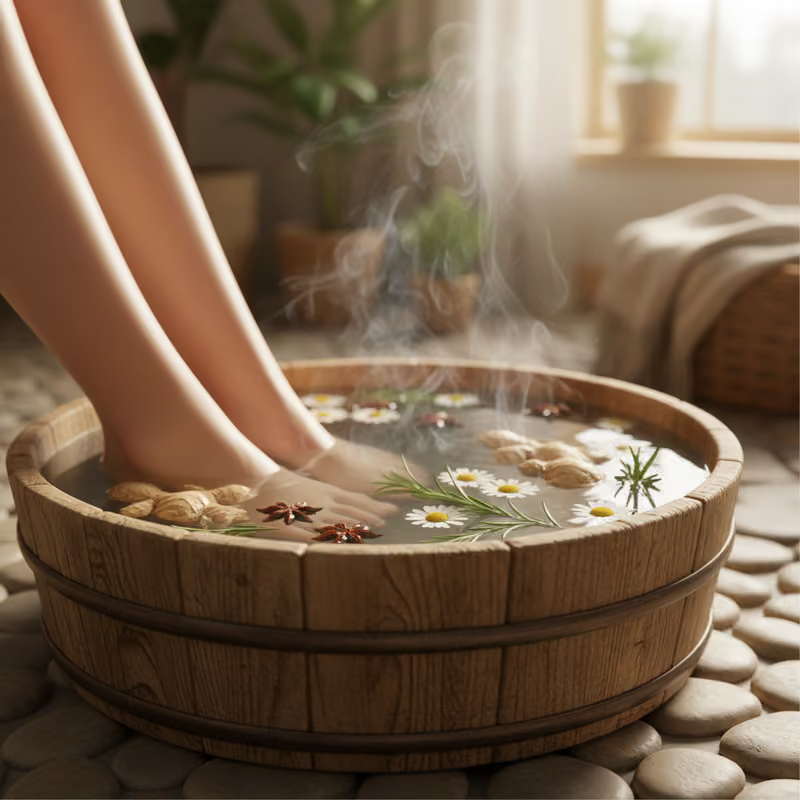
Foot soaking, often involving warm water and sometimes traditional ingredients, is a practice intended to offer relaxation and comfort. The warmth is thought to promote a soothing effect, which can be particularly welcome after a day of activity. Reflexology, on the other hand, is a specific technique involving the application of pressure to defined points on the feet, hands, or ears. In the context of Chinese traditions, foot reflexology is often employed with the belief that stimulating these points can influence various bodily systems.
This article will explore the general principles behind Chinese foot soaking and reflexology, focusing on common understandings regarding their potential influence on aspects such as sleep, circulation, and warmth. We will discuss these practices from an evidence-informed perspective, emphasizing general wellness and relaxation rather than specific medical claims. The aim is to provide practical guidance on incorporating these traditions into daily routines responsibly and to highlight considerations for individuals interested in exploring these methods for personal comfort and well-being.
Why this matters
The increasing interest in traditional wellness practices, particularly those that are accessible and non-invasive, highlights the importance of understanding approaches like Chinese foot soaking and reflexology. In an era where many individuals seek complementary methods to support their general well-being, information on these practices needs to be presented clearly and responsibly.
For many, difficulties with sleep, feelings of coldness, or a desire to promote general circulation are common concerns. Traditional practices often offer readily available and relatively simple ways to address these aspects through self-care. Foot soaking, for example, is a widely accessible method that can be performed at home without specialized equipment. The warmth and relaxation it provides can contribute to a sense of calm, which in turn might support a transition towards restful sleep.
Similarly, an understanding of reflexology, even in its most basic form as self-massage, can empower individuals to engage in a practice that some believe can influence various bodily systems. While scientific understanding of reflexology is still developing, the practice is often valued for its potential to induce relaxation and reduce feelings of tension. For those seeking gentle, supportive methods for personal comfort, exploring these traditions can be a valuable part of a broader wellness strategy.
Moreover, providing evidence-informed general guidance helps individuals navigate the vast amount of information available, distinguishing between traditional wisdom and specific medical interventions. It encourages a balanced perspective, appreciating the cultural and historical significance of these practices while remaining mindful of their role within a comprehensive approach to health. Understanding the principles, practical applications, and limitations of foot soaking and reflexology allows individuals to make informed choices about incorporating them into their daily lives for general well-being.
Key principles (evidence-informed)
The principles underlying Chinese foot soaking and reflexology, particularly concerning sleep, circulation, and warmth, are rooted in traditional concepts that often complement contemporary understandings of wellness. While the specific mechanisms as understood in traditional Chinese thought differ from modern biomedical explanations, the outcomes—such as relaxation and a sense of well-being—are often recognized in both contexts.
Warmth and Circulation: The most direct and widely understood benefit of foot soaking, particularly with warm water, is its immediate effect on warmth and local circulation. When the feet are immersed in warm water, the blood vessels in the feet tend to dilate. This vasodilation can increase blood flow to the area, which is perceived as warmth. This increased local circulation is a physiological response to heat. For individuals who experience cold extremities, particularly in cooler environments or as a common bodily sensation, warm foot soaks can provide a comforting and immediate warming effect. The relaxation induced by warmth can also contribute to a broader sense of physiological ease.
- World Health Organization (WHO): While the WHO does not specifically endorse or evaluate traditional foot soaking or reflexology as medical treatments, it acknowledges the importance of traditional medicine practices globally. Its strategies often emphasize the integration and study of traditional medicine within national health systems, recognizing their role in culture and public health. General wellness practices, including those that promote relaxation and comfort, align with broader public health goals of promoting overall well-being.
- National Institutes of Health (NIH) - National Center for Complementary and Integrative Health (NCCIH): The NCCIH explores various complementary health approaches, including practices like reflexology. While NCCIH research on reflexology often indicates a need for more rigorous studies to establish specific health benefits beyond relaxation, it acknowledges that reflexology is generally considered safe and may help manage symptoms like pain or anxiety by promoting relaxation. Regarding warmth, the physiological effects of heat on local circulation are well-understood in conventional medicine, often used in physical therapy for muscle relaxation and blood flow promotion.
Relaxation and Sleep: The connection between foot soaking and reflexology, and their potential influence on sleep, largely centers on their ability to induce relaxation. A warm foot soak before bedtime can be a calming ritual. The sensation of warmth combined with the act of sitting quietly can help to reduce physical tension and mental activity, creating a more conducive state for sleep. The body's natural processes often transition more smoothly into sleep when it is in a relaxed state.
Reflexology, through its application of pressure to specific points on the feet, is also frequently described by practitioners and recipients as a deeply relaxing experience. The theory behind reflexology posits that stimulating these points can help balance the body's energy or systems. From a modern perspective, the therapeutic touch and focused attention characteristic of reflexology can activate the parasympathetic nervous system, which is responsible for the "rest and digest" response. This activation can lead to a reduction in stress hormones, a slower heart rate, and a more relaxed state, all of which are beneficial for sleep onset and quality.
- Mayo Clinic: The Mayo Clinic often discusses relaxation techniques as a means to improve sleep quality. While not specifically endorsing foot soaking or reflexology for sleep, its guidance on sleep hygiene frequently recommends incorporating calming routines before bed, such as warm baths, reading, or other relaxation practices. The principles of warmth and relaxation that foot soaking offers align with these general recommendations for improving sleep environment and readiness.
Practical daily habits
Incorporating Chinese foot soaking and reflexology into daily habits can be a simple and accessible way to promote general wellness, relaxation, and a sense of warmth. These practices are typically non-invasive and can be adapted to individual preferences and schedules.
Foot Soaking for Relaxation and Warmth
Timing: The ideal time for a foot soak often depends on the desired effect. For relaxation and to support sleep, soaking the feet in the evening, approximately 30-60 minutes before bedtime, can be beneficial. For general warmth or to refresh tired feet during the day, any convenient time is suitable.
Water Temperature: The water should be comfortably warm, not scalding hot. A temperature range that feels pleasant and soothing, typically between 100°F (38°C) and 105°F (40.5°C), is often recommended. Always test the water temperature with your hand before immersing your feet to prevent burns, especially for individuals with reduced sensation.
Duration: A foot soak typically lasts between 15 to 30 minutes. This duration allows the feet to warm up and for the individual to experience the relaxing effects without over-exposure to warm water, which could sometimes lead to excessive skin dryness if done too frequently without proper moisturizing.
Container: A clean basin, tub, or specialized foot spa can be used. Ensure it is large enough to comfortably accommodate both feet and deep enough for the water to cover the ankles.
Additions to Water (Optional): While plain warm water is effective, some traditional practices involve adding various ingredients. These additions are generally for enhancing the sensory experience, fragrance, or perceived traditional benefits. Always ensure any additions are safe for skin contact and do not cause irritation.
- Herbal Infusions: Traditionally, certain dried herbs (e.g., ginger slices, mugwort, certain flower petals) are sometimes steeped in the water. These are chosen based on traditional beliefs about their properties. Always use food-grade or specifically designated foot soak herbs and conduct a patch test for sensitivities.
- Essential Oils: A few drops of pure, therapeutic-grade essential oils (e.g., lavender for relaxation, peppermint for invigoration) can be added to the water. It is crucial to dilute essential oils in a carrier oil (like a tablespoon of jojoba or almond oil) first, as essential oils do not mix with water and can otherwise sit on the skin and cause irritation. Always ensure proper ventilation and check for contraindications, especially for those who are pregnant or have specific health conditions.
- Mineral Salts: Bath salts, such as Epsom salts (magnesium sulfate), are popular additions. While claims of magnesium absorption through the skin are often debated, many find mineral salt soaks to be soothing and relaxing for tired muscles.
Post-Soak Care: After soaking, gently pat the feet dry, paying close attention to the areas between the toes to prevent fungal growth. Applying a moisturizer can help keep the skin hydrated and soft. Wearing warm socks afterward can help retain the warmth, especially if the goal is to promote sleep or maintain comfort.
Gentle Foot Reflexology (Self-Practice)
Reflexology involves applying pressure to specific areas of the feet. For self-practice, the focus is on gentle, comfortable pressure rather than intense therapeutic manipulation, making it a form of self-massage for relaxation.
Preparation: It is often comfortable to perform self-reflexology after a warm foot soak, as the feet are relaxed and the skin is softer. Sit in a comfortable position where you can easily reach your feet.
Techniques: Use your thumbs, fingers, and knuckles to apply gentle, firm pressure.
- Thumb Walking: This is a common reflexology technique. Use your thumb, bent at the knuckle, to "walk" across the sole of your foot in small, caterpillar-like movements. Apply even pressure as you move.
- Circular Motions: Use your thumb or fingertips to make small circular motions over specific areas.
- Kneading: Gently knead the arches and balls of your feet, similar to kneading dough, to release tension.
- Squeezing: Gently squeeze and release the toes, moving from the base to the tip.
Areas of Focus for General Wellness: While detailed reflexology charts map specific points to organs, for self-care and relaxation, you can generally focus on:
- Sole of the Foot: Apply pressure across the entire sole, paying attention to areas that feel tense or sensitive. The arch is often associated with the spine in reflexology charts.
- Ball of the Foot: This area is often linked to the chest and lungs in reflexology. Gently massage this area, especially if seeking a sense of openness.
- Toes: Each toe is often associated with the head and neck region. Gentle squeezing and pulling of each toe can be surprisingly relaxing.
- Heel: Often linked to the lower back and pelvic area. Firm pressure here can be grounding.
- Ankles: Gentle rotation and massage around the ankles can help flexibility and a sense of ease in the lower leg.
Duration: Spend a few minutes on each foot, or longer if it feels comfortable and beneficial. The goal is to induce relaxation, not to cause discomfort.
Consistency: Incorporating these practices regularly, even for short durations, can contribute to a consistent sense of well-being. Daily or several times a week for foot soaks, and brief self-massage whenever you feel the need, can be a sustainable approach.
Common mistakes to avoid
When engaging in traditional practices like Chinese foot soaking and reflexology, being aware of common mistakes can help ensure safety, effectiveness, and a positive experience. Avoiding these pitfalls is crucial for responsible self-care.
- Using Water That Is Too Hot: This is a significant safety concern. Water that is excessively hot can cause burns, especially for individuals with neuropathy, diabetes, or reduced sensation in their feet. Always test the water temperature with your hand or a thermometer before immersing your feet. The water should feel comfortably warm, not painful or scalding.
- Soaking for Too Long: While a foot soak is relaxing, soaking for excessively long periods (e.g., more than 30-40 minutes) can potentially lead to skin dryness or maceration (softening and breakdown of skin due to prolonged moisture). It can also sometimes overstimulate rather than relax, depending on individual sensitivity. Stick to recommended durations.
- Neglecting Post-Soak Foot Care: Failing to thoroughly dry the feet, particularly between the toes, can create a moist environment conducive to fungal growth (e.g., athlete's foot). Additionally, neglecting to moisturize after soaking can lead to dry, cracked skin, especially if you soak frequently.
- Ignoring Individual Sensitivities or Health Conditions: Individuals with certain health conditions, such as severe peripheral neuropathy, open wounds, skin infections, severe circulatory issues, or uncontrolled diabetes, should exercise caution or avoid foot soaks and reflexology without professional guidance. The warmth and pressure could potentially exacerbate some conditions. For instance, those with fragile skin or prone to swelling might find warm soaks uncomfortable or even detrimental.
- Using Unsafe Additives or Undiluted Essential Oils: Adding unknown substances or chemicals to foot soak water can cause skin irritation or allergic reactions. When using essential oils, always dilute them properly in a carrier oil before adding them to the water. Applying undiluted essential oils directly to the skin, especially to compromised skin, can cause severe irritation. Always choose high-quality, reputable products and check for sensitivities.
- Applying Excessive Pressure During Reflexology: Reflexology should be a comfortable, therapeutic experience. Applying too much pressure, especially if it causes pain or bruising, is counterproductive. The aim is gentle, firm pressure that stimulates without causing distress. If discomfort arises, reduce the pressure immediately.
- Over-reliance on Self-Diagnosis or Self-Treatment: While foot soaking and reflexology can be part of a general wellness routine, they are not substitutes for professional medical diagnosis or treatment. Assuming these practices can cure specific ailments or neglecting professional medical advice for symptoms is a critical mistake. If you have concerns about a health issue, consult a qualified healthcare professional.
- Poor Hygiene of Foot Soaking Equipment: Reusing basins without proper cleaning can harbor bacteria or fungi. Always clean your foot basin thoroughly after each use to maintain hygiene and prevent the spread of infections.
- Misinterpreting "Detoxification" Claims: Some claims about foot soaks and reflexology mention "detoxification." While the body naturally detoxifies through its organs (liver, kidneys), there is limited scientific evidence to support claims that foot soaks or reflexology directly "pull toxins" from the body in a way that significantly contributes to systemic detoxification beyond the body's natural processes. Focus on the recognized benefits of relaxation and improved local circulation rather than unverified "detox" claims.
- Expecting Instant or Miraculous Cures: Like many wellness practices, the benefits of foot soaking and reflexology are often cumulative and subtle, contributing to overall well-being. Expecting instant cures for complex health issues can lead to disappointment and potentially deter individuals from seeking appropriate medical care. Approach these practices with realistic expectations for comfort, relaxation, and general support.
When to see a professional
While Chinese foot soaking and reflexology can be beneficial for general relaxation and well-being, there are specific situations where consulting a qualified healthcare professional is essential. Self-care practices should complement, not replace, medical advice and treatment.
For Foot Soaking:
- Persistent Foot Pain, Swelling, or Discomfort: If you experience ongoing foot pain, significant swelling, redness, warmth, or any other signs of inflammation, particularly if it's accompanied by fever, it could indicate an underlying medical condition (e.g., infection, deep vein thrombosis, cellulitis, gout, arthritis) that requires medical diagnosis and treatment.
- Open Wounds, Sores, or Skin Infections: Never soak feet with open wounds, cuts, blisters, or active skin infections (e.g., athlete's foot, fungal nail infections, bacterial infections) unless specifically advised by a medical professional. Soaking can potentially worsen infections or introduce new ones.
- Diabetes or Peripheral Neuropathy: Individuals with diabetes are at a higher risk for foot complications, including neuropathy (nerve damage leading to reduced sensation) and poor circulation. Soaking feet in warm water, even if it feels comfortable to a person with neuropathy, could be dangerously hot without them realizing it, leading to burns. Any foot care, including soaking, should be discussed with their doctor or a podiatrist.
- Severe Circulatory Problems: If you have severe peripheral artery disease, varicose veins, or other significant circulatory issues, consult your doctor before using warm foot soaks. Changes in temperature can sometimes affect blood flow in ways that may not be beneficial for these conditions.
- Unexplained Numbness, Tingling, or Weakness: These symptoms in the feet or legs can indicate nerve damage or other serious conditions requiring medical evaluation.
- Allergic Reactions or Skin Irritations: If you experience itching, rash, redness, or any other signs of an allergic reaction or irritation after using additives in your foot soak (e.g., essential oils, herbs, salts), discontinue use and consult a doctor if symptoms persist or worsen.
For Reflexology:
- Chronic Health Conditions: If you have a chronic medical condition (e.g., heart disease, kidney disease, cancer, autoimmune disorders), it is advisable to consult your primary healthcare provider before starting any new complementary therapy, including reflexology, especially if you plan to see a professional reflexologist. They can advise if it is safe and appropriate for your specific condition.
- Pregnancy: While many reflexology practitioners offer specialized treatments for pregnancy, it is prudent to inform your obstetrician or midwife before receiving reflexology, especially during the first trimester or if you have a high-risk pregnancy.
- Acute Injuries or Recent Surgery: If you have recently undergone foot or leg surgery, or have acute injuries to your feet or ankles (e.g., sprains, fractures), avoid reflexology until cleared by your surgeon or physician.
- Blood Clotting Disorders or Taking Anticoagulants: Individuals with a history of blood clots or those on blood-thinning medications (anticoagulants) should discuss reflexology with their doctor. While gentle, some pressure techniques could potentially be a concern, although specific risks are generally low for foot reflexology.
- Severe Osteoporosis: In cases of severe osteoporosis, especially in the feet, consult a doctor as vigorous pressure might theoretically pose a risk, though skilled reflexologists typically adjust their techniques.
- Unexplained Symptoms or Worsening Conditions: If you are experiencing new, unexplained symptoms or if an existing condition seems to worsen after engaging in reflexology, stop the practice and seek medical attention. Reflexology should not be used to diagnose medical conditions.
In general, if you have any doubts about whether foot soaking or reflexology is appropriate for your specific health situation, or if you are considering these practices as a means to address a medical concern, always err on the side of caution and seek guidance from a qualified and licensed healthcare professional.
Frequently asked questions
H3. Can foot soaking truly improve sleep quality?
While foot soaking is not a direct medical treatment for sleep disorders, the warmth and relaxation it provides can contribute to an improved sleep environment and routine. The process of warming the feet and sitting in a calming setting can help signal to the body that it's time to wind down, potentially aiding in the transition to sleep. Many individuals find that a warm foot soak before bed helps them feel more relaxed, which is conducive to falling asleep. This aligns with general advice on establishing a calming pre-sleep ritual.
H3. What is the difference between general foot massage and reflexology?
General foot massage typically involves broad strokes, kneading, and manipulation of the muscles and tissues of the foot and ankle, primarily for muscle relaxation and comfort. Reflexology, on the other hand, is a specific technique based on the principle that there are reflex points on the feet (as well as hands and ears) that correspond to specific organs, glands, and other parts of the body. Reflexology practitioners apply targeted pressure to these specific points with the aim of promoting a sense of balance and well-being in the corresponding body areas, beyond just local muscle relaxation.
H3. Are there any traditional Chinese herbs commonly used in foot soaks for circulation or warmth?
In traditional Chinese practices, various herbs are sometimes incorporated into foot soaks. Ginger (Sheng Jiang) is a common example, often used for its warming properties in traditional contexts. Mugwort (Ai Ye) is another herb sometimes used, traditionally believed to have warming effects and to promote a feeling of comfort. It's important to use food-grade or specifically designated foot soak herbs and to be aware of any personal sensitivities. Always ensure any additives are safe for external use and do not cause irritation.
H3. How often should one practice foot soaking or self-reflexology?
The frequency of foot soaking and self-reflexology largely depends on individual preference and the desired effects. For general relaxation and well-being, many individuals find benefit in soaking their feet daily, especially in the evening, or several times a week. Self-reflexology can also be practiced daily for a few minutes on each foot, or whenever a sense of relaxation or tension relief is desired. Consistency often yields the most noticeable subjective benefits, but it's important to listen to your body and adjust frequency based on comfort and time availability.
H3. Can foot soaking or reflexology help with cold feet?
Yes, foot soaking, especially with warm water, is a direct and effective way to warm cold feet. The warm water causes local blood vessels to dilate, increasing blood flow to the feet and imparting a sensation of warmth. This is a physiological response to heat. For reflexology, while it does not directly warm the feet in the same immediate way as a warm soak, some practitioners believe that by supporting overall circulation or balancing bodily systems, it might indirectly contribute to a better sense of warmth throughout the body over time. However, the immediate and most recognized benefit for cold feet comes from the direct application of warmth via soaking.
Key takeaways
- Warmth and Relaxation: Chinese foot soaking, especially with warm water, is a widely accessible practice known for its ability to induce warmth and promote deep relaxation, which can be beneficial for overall well-being and in preparing the body for sleep.
- Circulation: The application of warmth through foot soaking can lead to local vasodilation, temporarily increasing blood flow to the feet and providing a comforting sensation.
- Reflexology for Well-being: Foot reflexology involves applying pressure to specific points on the feet, which practitioners believe are linked to various body parts. It is often experienced as deeply relaxing and can contribute to a sense of systemic balance.
- Complementary Practice: Both foot soaking and reflexology are generally considered complementary practices that can support general wellness and stress reduction. They are not substitutes for conventional medical treatments.
- Safety First: Always prioritize safety by ensuring water temperature is comfortably warm, avoiding prolonged soaking, and being mindful of individual health conditions such as diabetes, neuropathy, or skin infections. Always dilute essential oils properly if used.
- Responsible Self-Care: Engage in these practices with an evidence-informed perspective, focusing on their benefits for relaxation and comfort. Avoid making unsubstantiated claims about medical cures or detoxification.
- When to Seek Professional Advice: Consult a healthcare professional if you have underlying medical conditions, persistent symptoms, open wounds, or any concerns about whether these practices are appropriate for your specific health situation.
Related reading
Keep exploring this topic with our related, evidence-reviewed guides:
- Chinese Sleep Habits: Napping, Early Nights, and the Organ Clock — A practical, evidence-informed guide to chinese sleep habits — what matters, what works, common mistakes, and when to consult a pr…
- Chinese Postnatal and Recovery Traditions: Rest, Warmth, and Nourishment — A practical, evidence-informed guide to chinese confinement — what matters, what works, common mistakes, and when to consult a pro…
- Jujube, Longan, and Chinese Dried Fruits for Blood and Energy — A practical, evidence-informed guide to jujube benefits — what matters, what works, common mistakes, and when to consult a profess…
- Chinese Men's Health Traditions: Energy, Stamina, and Rest — A practical, evidence-informed guide to chinese mens health — what matters, what works, common mistakes, and when to consult a pro…
- Acupuncture Explained: What the Evidence Says About Pain, Sleep, and Stress — A practical, evidence-informed guide to acupuncture benefits — what matters, what works, common mistakes, and when to consult a pr…
- Chinese Ginger Remedies for Colds, Nausea, and Cold Hands — A practical, evidence-informed guide to ginger remedies — what matters, what works, common mistakes, and when to consult a profess…
Sources
- World Health Organization (WHO): Information on Traditional, Complementary and Integrative Medicine.
- National Institutes of Health (NIH) - National Center for Complementary and Integrative Health (NCCIH): Research and information on various complementary health approaches, including reflexology.
- Mayo Clinic: Health information regarding sleep hygiene, relaxation techniques, and general foot care.
- Cochrane Library: Database of systematic reviews that assess the evidence for various interventions, including some complementary therapies (though specific reviews on foot soaking or Chinese reflexology for sleep are less common).
- National Health Service (NHS): General health guidance, including advice on foot care and common ailments.
Sources
Evidence & citations
- Every claim in this chinese health wisdom guide is backed by primary data — browse the longevity and lifestyle health statistics in our sourced statistics library.
- Writing about this topic? Researchers, journalists and educators can cite our traditional Chinese health research with ready-made APA, MLA and Chicago references.
My notes on this one
The short version of 19 minutes of reading — what stuck with me while writing “Chinese Foot Soaking and Reflexology: Sleep, Circulation”, what the sources back up, and what I'd actually do about it.
What I'd take away
01 · Why this matters
The increasing interest in traditional wellness practices, particularly those that are accessible and non-invasive, highlights the importance of understanding approaches like Chinese foot soaking and reflexolog…
02 · Key principles
For individuals who experience cold extremities, particularly in cooler environments or as a common bodily sensation, warm foot soaks can provide a comforting and immediate warming effect.
03 · Practical daily habits
Incorporating Chinese foot soaking and reflexology into daily habits can be a simple and accessible way to promote general wellness, relaxation, and a sense of warmth.
04 · Foot Soaking for Relaxation and Warmth
For relaxation and to support sleep, soaking the feet in the evening, approximately 30-60 minutes before bedtime, can be beneficial.
05 · Gentle Foot Reflexology
Thumb Walking: This is a common reflexology technique. Use your thumb, bent at the knuckle, to "walk" across the sole of your foot in small, caterpillar-like movements. Apply even pressure as you move.
What the sources I read actually say
World Health Organization (WHO): Information on Traditional, Complementary and Integrative Medicine.
World Health OrganizationRelaxation and Sleep: The connection between foot soaking and reflexology, and their potential influence on sleep, largely centers on their ability to induce relaxation.
Centers for Disease Control and PreventionNational Institutes of Health (NIH) - National Center for Complementary and Integrative Health (NCCIH): Research and information on various complementary health approaches, including reflexology.
National Institutes of Health
If you only do one thing this week
- For relaxation and to support sleep, soaking the feet in the evening, approximately 30-60 minutes before bedtime, can be beneficial.
- Duration: A foot soak typically lasts between 15 to 30 minutes.
Pick the one that fits your week. None of this replaces advice from a clinician who can actually examine you.
Questions I kept coming back to
H3. Can foot soaking truly improve sleep quality?+
While foot soaking is not a direct medical treatment for sleep disorders, the warmth and relaxation it provides can contribute to an improved sleep environment and routine. The process of warming the feet and sitting in a calming setting can help signal to the body that it's time to wind down, potentially aiding in the transition to sleep…
H3. What is the difference between general foot massage and reflexology?+
General foot massage typically involves broad strokes, kneading, and manipulation of the muscles and tissues of the foot and ankle, primarily for muscle relaxation and comfort. Reflexology, on the other hand, is a specific technique based on the principle that there are reflex points on the feet (as well as hands and ears) that correspond to specific organs, glands, and other parts of the body…
H3. Are there any traditional Chinese herbs commonly used in foot soaks for circulation or warmth?+
In traditional Chinese practices, various herbs are sometimes incorporated into foot soaks. Ginger (Sheng Jiang) is a common example, often used for its warming properties in traditional contexts. Mugwort (Ai Ye) is another herb sometimes used, traditionally believed to have warming effects and to promote a feeling of comfort…
H3. How often should one practice foot soaking or self-reflexology?+
The frequency of foot soaking and self-reflexology largely depends on individual preference and the desired effects. For general relaxation and well-being, many individuals find benefit in soaking their feet daily, especially in the evening, or several times a week. Self-reflexology can also be practiced daily for a few minutes on each foot, or whenever a sense of relaxation or tension relief is desired…
H3. Can foot soaking or reflexology help with cold feet?+
Yes, foot soaking, especially with warm water, is a direct and effective way to warm cold feet. The warm water causes local blood vessels to dilate, increasing blood flow to the feet and imparting a sensation of warmth. This is a physiological response to heat. For reflexology, while it does not directly warm the feet in the same immediate way as a warm soak…
Was this article helpful?
Be the first to rate this article.
Written by
FaizRuh
I write Health Hub Pro on my own — no clinical licence, no anonymous review panel. Just the published guidance, read carefully and explained plainly.
More about me →How this page was checked
Every claim above is checked against the sources listed at the bottom of this article — WHO, CDC, NIH, NHS, Cochrane and major clinical guidelines. Drafting is AI-assisted; the editing, fact-checking and final wording are mine. It's information, not medical advice. Spotted an error? Tell me and I'll fix it.
Last checked on