Chinese Men's Health Traditions: Energy, Stamina, and Rest
A practical, evidence-informed guide to chinese mens health — what matters, what works, common mistakes, and when to consult a professional.
For informational purposes only. This article is educational and is not a substitute for professional medical advice, diagnosis, or treatment. Always consult a qualified healthcare provider about anything affecting your health. Read full disclaimer.
Chinese Men's Health Traditions: Energy, Stamina, and Rest
(Not medical or veterinary advice — consult a qualified clinician or veterinarian for personal guidance.)
Introduction
Traditional Chinese Medicine (TCM) offers a unique perspective on health and wellness, emphasizing balance, harmony, and the flow of vital energy known as Qi (pronounced "chee"). While TCM principles apply to all individuals, certain aspects are traditionally highlighted in the context of men's health, particularly concerning vitality, endurance, and restorative practices. This article explores key concepts from these traditions, focusing on how they relate to maintaining energy, enhancing stamina, and ensuring adequate rest, all while emphasizing an evidence-informed approach and mindful integration with modern understanding.
The framework of TCM views the human body as an integrated system, where physical, mental, and emotional states are interconnected. Health is not merely the absence of illness but a state of dynamic equilibrium. For men, specific physiological and energetic considerations are often addressed through dietary advice, lifestyle adjustments, and practices aimed at supporting core vitality. The goal is to foster a robust constitution that can withstand the demands of life, promote longevity, and support overall well-being.
Why this matters
Understanding traditional health perspectives, such as those found in Chinese traditions, can offer complementary insights into maintaining well-being. In a world where men often face unique health challenges and societal pressures, a holistic approach that considers diet, lifestyle, and mental state can be particularly beneficial. The traditional emphasis on proactive health maintenance, rather than just reactive treatment of disease, encourages individuals to take an active role in their health journey.
From a physiological standpoint, factors like energy levels, physical stamina, and restorative sleep are fundamental to overall health. Modern lifestyles often lead to chronic fatigue, stress, and diminished vitality. Traditional Chinese approaches frequently address these concerns by promoting practices that nourish the body's fundamental energies, support organ function, and encourage deep rest. These traditions highlight the importance of balancing activity with recovery, understanding the body's natural rhythms, and making informed choices to sustain health over a lifetime.
Moreover, integrating ancient wisdom with contemporary health knowledge allows for a more comprehensive understanding of wellness. While modern medicine excels in acute care and specific disease treatment, traditional systems often provide a framework for preventive care and lifestyle-based health management. Exploring these traditions can empower individuals to make sustainable choices that contribute to better physical and mental health, ultimately enhancing quality of life and resilience.
Key principles (evidence-informed)
Traditional Chinese Men's Health focuses on several core principles that guide practices for maintaining energy, stamina, and rest. These principles, while rooted in ancient philosophy, often align with modern understanding of health and well-being.
Kidney Qi and Essence (Jing)
In TCM, the Kidneys are considered the root of life, storing Jing (essence) and governing birth, growth, reproduction, and development. Kidney Qi is fundamental for vitality, stamina, and resilience. A strong Kidney Qi is associated with strong bones, healthy hair, good hearing, reproductive health, and mental acuity. When Kidney Qi is deficient, individuals may experience fatigue, low back pain, reduced stamina, and other signs of aging.
- Evidence-informed perspective: While "Kidney Qi" is a TCM concept, its traditional manifestations often correlate with endocrine system health, mitochondrial function (energy production at a cellular level), and overall systemic resilience. Modern science recognizes the role of adrenal glands (situated atop the kidneys) in stress response and energy regulation, and the importance of healthy aging processes. Practices that support Kidney Qi, such as adequate sleep and stress management, indirectly support these physiological systems.
Spleen and Stomach for Digestion and Energy
The Spleen (in TCM, refers to a broader digestive function, not just the anatomical organ) and Stomach are responsible for transforming food into Qi and Blood, which are essential for nourishing the entire body. A strong Spleen and Stomach ensure efficient nutrient absorption, providing a steady supply of energy. Weak digestive function can lead to fatigue, poor stamina, and a feeling of heaviness.
- Evidence-informed perspective: The importance of a healthy digestive system for nutrient absorption and energy production is well-established in modern medicine. The gut microbiome, intestinal integrity, and efficient digestion are crucial for deriving energy from food, supporting immune function, and influencing mood and cognitive health. Dietary choices that support the "Spleen and Stomach" often align with contemporary nutritional advice for gut health.
Liver for Smooth Flow of Qi and Blood
The Liver in TCM is responsible for the smooth flow of Qi and Blood throughout the body. It plays a crucial role in regulating emotions, detoxification, and ensuring balanced energy distribution. Stagnation of Liver Qi can manifest as irritability, stress, digestive issues, and physical discomfort, all of which can deplete energy and reduce stamina.
- Evidence-informed perspective: The anatomical liver is central to metabolism and detoxification, functions critical for overall energy and health. Furthermore, the brain-gut axis and the impact of stress on physiological processes, including digestion and hormonal balance, are recognized. TCM's concept of Liver Qi stagnation can be seen as an ancient model for understanding the physiological effects of chronic stress and emotional dysregulation on bodily functions.
Balance of Yin and Yang
Yin and Yang represent complementary opposing forces that must be in balance for optimal health. Yang is associated with activity, warmth, light, and outward movement (e.g., stamina, energy). Yin is associated with rest, coolness, darkness, and inward nourishment (e.g., deep sleep, tissue repair, fluids). For men's health, maintaining a balance between activity and rest, expenditure and replenishment, is crucial for sustained energy and preventing burnout.
- Evidence-informed perspective: This principle aligns with the modern understanding of homeostasis, the body's ability to maintain stable internal conditions. The sympathetic nervous system (fight or flight, analogous to Yang) and the parasympathetic nervous system (rest and digest, analogous to Yin) must be balanced for optimal health. Chronic stress (excess Yang) without adequate recovery (Yin) can lead to various health issues. The importance of adequate sleep, recovery periods, and stress management in maintaining physical and mental health is well-supported.
The Role of Blood and Body Fluids
Blood and body fluids (including interstitial fluid, lymphatic fluid) are essential for nourishing tissues, lubricating joints, and maintaining proper bodily functions. Deficiencies can lead to dryness, fatigue, and reduced vitality. TCM emphasizes consuming nourishing foods and maintaining hydration to support these vital substances.
- Evidence-informed perspective: Modern physiology stresses the importance of hydration, blood volume, and nutrient-rich blood for oxygen transport, cellular function, and overall energy. Dehydration and nutritional deficiencies directly impact physical performance and cognitive function.
Practical daily habits
Integrating traditional Chinese health principles into daily life involves adopting habits that support balance, nourish vital energies, and promote restorative rest. These habits are often simple yet profound in their cumulative effects.
Dietary Choices
Food is considered medicine in TCM. A balanced diet tailored to individual needs and seasonal changes is crucial for supporting the Spleen and Stomach.
- Warm, Cooked Foods: Emphasize warm, cooked meals over cold, raw foods, especially in cooler climates or for individuals with weaker digestion. This is believed to be easier for the "Spleen" to process.
- Whole Grains and Legumes: Include a variety of whole grains (e.g., brown rice, millet, quinoa) and legumes for sustained energy and fiber.
- Variety of Vegetables: Incorporate a wide array of colorful vegetables, especially root vegetables and leafy greens, which are considered grounding and nourishing.
- Moderate Protein: Include lean proteins like fish, poultry, and plant-based options to support muscle and tissue repair without overtaxing digestion.
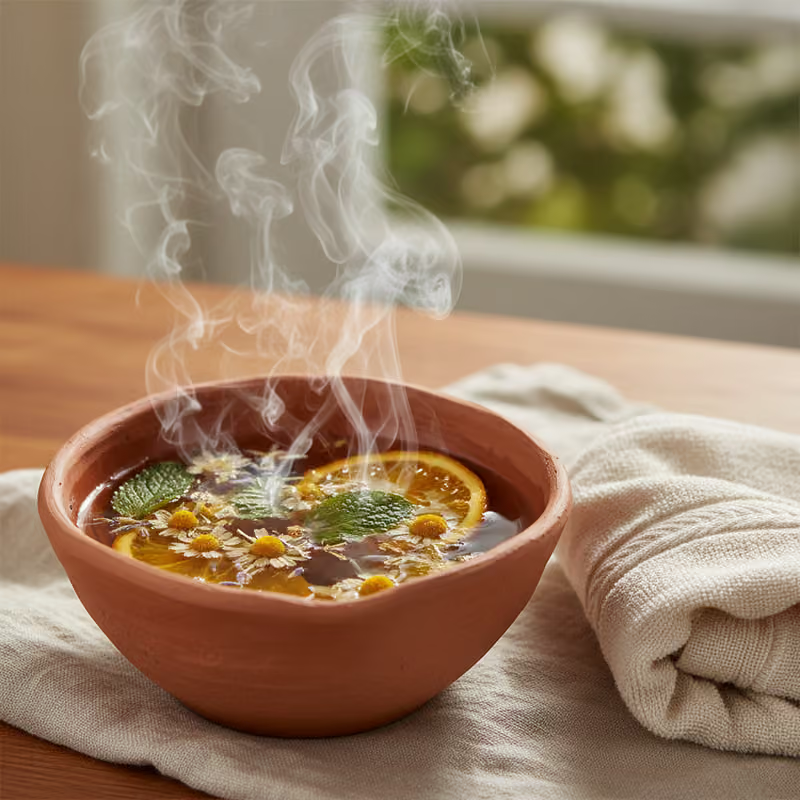
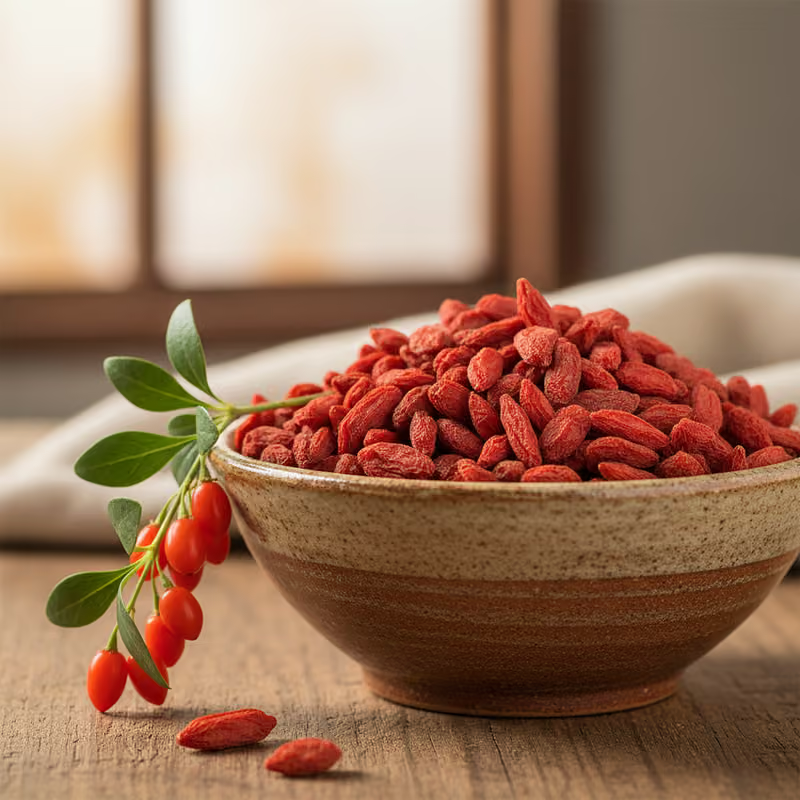
- Herbal Teas and Soups: Consume nourishing soups and herbal teas (e.g., ginger tea for warming, goji berry tea for nourishing Kidney Yin) to support digestion and hydration.
- Mindful Eating: Eat slowly, chew thoroughly, and avoid overeating to aid digestion and nutrient absorption.
- Limit Cold Drinks and Processed Foods: Minimize consumption of ice-cold beverages and highly processed, sugary, or fried foods, which are considered to weaken the "Spleen" and create "dampness."
Movement and Exercise
Regular physical activity is vital for promoting the smooth flow of Qi and Blood, strengthening the body, and managing stress.
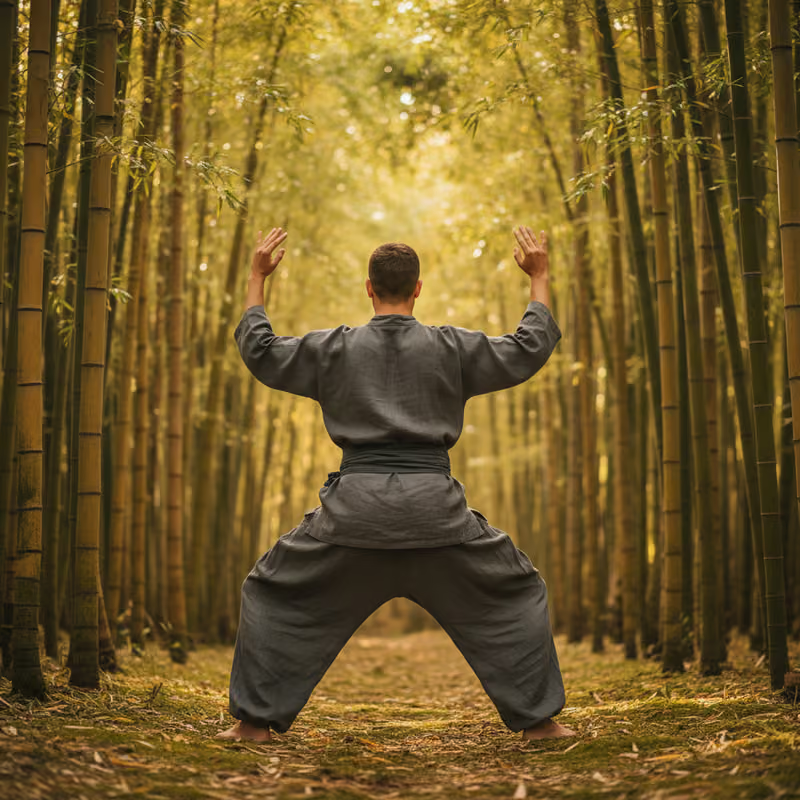
- Tai Chi and Qigong: These gentle, flowing exercises combine movement, breath work, and meditation. They are excellent for cultivating Qi, improving flexibility, balance, and reducing stress. They are often recommended for enhancing stamina and promoting longevity.
- Walking: A simple yet effective form of exercise that supports circulation, strengthens the legs, and can be done daily to clear the mind.
- Moderate Strength Training: Building muscle strength supports overall vitality and bone health, but should be balanced with rest to avoid overexertion.
- Listen to Your Body: Avoid extreme exercise that leads to exhaustion. The goal is to invigorate, not deplete, the body's reserves.
Rest and Sleep
Adequate, restorative sleep is paramount for nourishing Yin, replenishing Jing, and allowing the body to repair and regenerate.
- Consistent Sleep Schedule: Go to bed and wake up around the same time each day, even on weekends, to regulate the body's natural circadian rhythm.
- Create a Conducive Environment: Ensure the bedroom is dark, quiet, and cool.
- Limit Screen Time Before Bed: Avoid electronics (phones, tablets, computers) for at least an hour before sleep, as blue light can interfere with melatonin production.
- Relaxation Techniques: Practice gentle stretching, deep breathing, or meditation before bed to calm the mind and prepare for sleep.
- Naps (in moderation): Short power naps (15-30 minutes) can be beneficial for rejuvenation, but long or late naps may interfere with nighttime sleep.
Stress Management and Emotional Balance
Emotional well-being is deeply interconnected with physical health in TCM. Chronic stress, anger, and worry can disrupt Qi flow and deplete vital energy.
- Mindfulness and Meditation: Regular practice can help calm the mind, reduce stress, and promote emotional balance.
- Deep Breathing Exercises: Techniques like diaphragmatic breathing can activate the parasympathetic nervous system, promoting relaxation.
- Hobbies and Creative Outlets: Engage in activities that bring joy and a sense of purpose to reduce mental strain.
- Connect with Nature: Spending time outdoors is believed to harmonize Qi and reduce stress.
- Positive Relationships: Cultivate supportive relationships and communicate openly to manage emotional burdens.
Common mistakes to avoid
While seeking to incorporate traditional principles, certain pitfalls can negate potential benefits or even be detrimental to health. Avoiding these common mistakes is crucial for an effective and safe approach.
- Self-diagnosis and self-treatment with herbs: Traditional Chinese herbal medicine is complex and requires professional expertise. Using herbs without proper guidance can be ineffective, interact negatively with medications, or cause adverse effects. Never self-prescribe based on general information.
- Over-reliance on "tonic" herbs without addressing lifestyle: Some individuals may seek quick fixes with "tonic" herbs for energy or stamina. However, if underlying lifestyle issues like poor diet, lack of sleep, or chronic stress are not addressed, the effects of herbs will likely be temporary or minimal. Holistic changes are key.
- Ignoring modern medical diagnoses: Traditional practices should complement, not replace, conventional medical care. Dismissing symptoms that require modern medical attention in favor of solely traditional approaches can lead to delayed diagnosis and treatment of serious conditions. Always consult a licensed healthcare professional for any health concerns.
- Excessive physical exertion without adequate rest: In the pursuit of stamina, some may push their bodies too hard without sufficient recovery. This can deplete "Kidney Jing" and lead to burnout, injury, or weakened immunity, contradicting the TCM emphasis on balance (Yin and Yang).
- Consuming an imbalanced diet based on limited understanding: For example, solely focusing on "warming" foods without considering individual body type or climate, or restricting too many food groups based on oversimplified TCM dietary advice, can lead to nutritional deficiencies. A balanced, varied diet is paramount.
- Adopting practices without professional guidance: While general wellness advice is helpful, practices like specific forms of Qigong or dietary plans for particular "patterns of disharmony" are best learned and implemented under the guidance of a qualified TCM practitioner.
- Misinterpreting ancient texts: Directly applying ancient health texts without understanding their historical context, metaphorical language, and the nuances of TCM theory can lead to incorrect practices or beliefs. Modern, qualified practitioners bridge this gap.
- Believing in "magic cures": Traditional Chinese health practices, like any health system, are not about instant or miraculous cures. They are about fostering long-term health through consistent, disciplined effort and understanding the body's natural processes.
When to see a professional
While integrating traditional health practices into daily life can be empowering, it is essential to know when to seek professional guidance from qualified healthcare providers. This is especially true for health concerns related to energy, stamina, and rest.
- Persistent Fatigue or Low Energy: If you experience chronic or unexplained fatigue that doesn't improve with lifestyle changes, it's crucial to consult a medical doctor. This could be a symptom of underlying conditions such as anemia, thyroid disorders, sleep apnea, chronic fatigue syndrome, or depression.
- Significant Decline in Stamina: A sudden or progressive decrease in physical or mental stamina should be evaluated by a healthcare professional. This could indicate cardiac issues, respiratory problems, neurological conditions, or other serious health concerns.
- Chronic Sleep Disturbances: If you consistently struggle with insomnia, difficulty falling or staying asleep, excessive daytime sleepiness, or suspect sleep apnea, a sleep specialist or primary care doctor can provide diagnosis and management strategies. Untreated sleep disorders can have significant long-term health impacts.
- Unexplained Weight Loss or Gain: Significant, unintentional changes in body weight warrant medical investigation, as they can be symptoms of various health issues, including metabolic disorders or digestive problems.
- Digestive Issues: Persistent bloating, abdominal pain, changes in bowel habits, or indigestion that do not resolve with dietary adjustments should be checked by a gastroenterologist or primary care physician.
- Persistent Pain: Chronic back pain, joint pain, or other body aches that interfere with daily activities should be assessed. While some traditional practices might offer relief, a medical diagnosis is important to rule out structural issues or inflammatory conditions.
- Mood Changes or Mental Health Concerns: If you experience persistent sadness, anxiety, irritability, or significant changes in mood that affect your quality of life, consult a mental health professional or primary care doctor.
- Considering Traditional Chinese Medicine (TCM) Treatments: If you are interested in exploring TCM therapies such as acupuncture, herbal medicine, or specific dietary recommendations for a health concern, consult a licensed and qualified TCM practitioner. Ensure they are registered with relevant professional bodies in your region. Inform all your healthcare providers about any treatments or supplements you are taking, both conventional and traditional, to ensure coordinated and safe care.
- Drug Interactions: If you are taking prescription medications, always consult your medical doctor or pharmacist before starting any new herbal supplements or traditional remedies, as there can be dangerous interactions.
Note: The World Health Organization (WHO) provides guidelines on the safe and effective use of traditional medicine, emphasizing the importance of qualified practitioners and integration with conventional healthcare where appropriate. The National Institutes of Health (NIH) also offers information on complementary and integrative health approaches, stressing the importance of evidence-based practices and informed decision-making.
Frequently asked questions
What are the main concepts of energy and stamina in TCM?
In Traditional Chinese Medicine (TCM), energy is primarily understood as Qi, the vital life force that circulates throughout the body. Stamina is associated with robust Qi and the strength of Kidney Essence (Jing), which is considered the body's fundamental reserve. A strong Spleen (responsible for transforming food into Qi and Blood) and a free-flowing Liver Qi (ensuring smooth energy distribution and emotional balance) are also crucial for maintaining sustained energy and resilience. These concepts emphasize that energy is not just about calorie intake, but about the harmonious function of vital organs and the proper flow of intrinsic life force.
How does TCM approach rest and sleep for men's health?
TCM views rest and sleep as fundamental for nourishing Yin, which represents the body's cooling, calming, and restorative aspects. Adequate sleep is vital for replenishing Kidney Jing, allowing the body to repair tissues, consolidate memories, and balance emotions. For men, sufficient rest is particularly important to prevent the depletion of vital energy reserves that can occur due to demanding lifestyles or excessive exertion (Yang activity). Practices like consistent sleep schedules, creating a serene sleep environment, and avoiding overstimulation before bed are encouraged to support deep, restorative sleep.
Are there specific foods recommended in TCM for men's vitality?
TCM does not prescribe a one-size-fits-all diet, but generally recommends nourishing, warm, and easily digestible foods to support the "Spleen" and "Kidney" systems. For vitality, foods often suggested include bone broths, dark leafy greens, root vegetables, black beans, walnuts, goji berries, and certain lean proteins like fish and poultry. These are believed to nourish Kidney Essence, build Blood, and strengthen Qi. Eating mindfully, chewing thoroughly, and avoiding excessive cold or processed foods are also key dietary principles.
Can Traditional Chinese Medicine help with stress and emotional balance in men?
Yes, stress and emotional balance are central to TCM, as the Liver organ system is believed to regulate the smooth flow of Qi and is highly sensitive to emotions like anger, frustration, and stress. When Liver Qi becomes stagnant due to emotional tension, it can manifest as irritability, fatigue, digestive issues, and reduced stamina. TCM approaches address this through practices like Tai Chi, Qigong, acupuncture, specific herbal formulas, and dietary adjustments to promote relaxation and harmonize emotions, thereby restoring balanced energy flow.
What role do exercises like Tai Chi and Qigong play in Chinese men's health traditions?
Tai Chi and Qigong are integral to Chinese health traditions for both men and women, offering profound benefits for energy, stamina, and rest. These gentle, flowing exercises combine slow movements, deep breathing, and meditation. They are believed to cultivate and circulate Qi, strengthen the core, improve flexibility, balance, and reduce stress. For men, regular practice can enhance physical resilience, improve mental clarity, and promote a sense of calm, thereby supporting sustained energy, physical stamina, and better sleep quality. They help to balance the body's Yin and Yang, preventing depletion from overexertion and promoting overall vitality.
Key takeaways
- Holistic Approach: Traditional Chinese health principles emphasize an integrated approach to men's health, linking physical, mental, and emotional well-being.
- Vital Energies: Concepts like Qi, Jing (Kidney Essence), and the functions of the Spleen, Liver, and Kidneys are central to understanding energy, stamina, and resilience.
- Balance of Yin and Yang: Maintaining equilibrium between activity and rest, expenditure and replenishment, is crucial for sustained health and preventing burnout.
- Practical Habits: Daily practices such as mindful dietary choices (emphasizing warm, nourishing foods), moderate exercise (like Tai Chi and Qigong), adequate restorative sleep, and stress management techniques are fundamental.
- Complementary Care: Traditional Chinese practices can offer complementary insights but should always be integrated thoughtfully with conventional medical care.
- Professional Guidance: It is essential to consult qualified medical professionals for any persistent health concerns and licensed TCM practitioners for personalized traditional treatments, especially regarding herbal medicine.
- Avoid Self-Diagnosis: Never self-diagnose or self-treat with complex traditional remedies; always seek expert advice.
Related reading
Keep exploring this topic with our related, evidence-reviewed guides:
- Chinese Postnatal and Recovery Traditions: Rest, Warmth, and Nourishment — A practical, evidence-informed guide to chinese confinement — what matters, what works, common mistakes, and when to consult a pro…
- Chinese Cold and Flu Traditions: Steam, Broth, and Rest — A practical, evidence-informed guide to chinese cold remedies — what matters, what works, common mistakes, and when to consult a p…
- Ginseng: What Chinese Tradition and Modern Studies Agree On — A practical, evidence-informed guide to ginseng benefits — what matters, what works, common mistakes, and when to consult a profes…
- Goji Berries in Chinese Wellness: Eye Health, Energy, and Everyday Use — A practical, evidence-informed guide to goji berry benefits — what matters, what works, common mistakes, and when to consult a pro…
- Chinese Dental and Oral Care Traditions Compared With Modern Advice — A practical, evidence-informed guide to chinese oral care — what matters, what works, common mistakes, and when to consult a profe…
- Chinese Skin Care Traditions: Herbs, Steam, and Sun Protection — A practical, evidence-informed guide to chinese skin care — what matters, what works, common mistakes, and when to consult a profe…
Sources
- World Health Organization (WHO)
- National Institutes of Health (NIH)
- Mayo Clinic
- Cochrane Library
- Centers for Disease Control and Prevention (CDC)
Sources
Evidence & citations
- Every claim in this chinese health wisdom guide is backed by primary data — browse the longevity and lifestyle health statistics in our sourced statistics library.
- Writing about this topic? Researchers, journalists and educators can cite our traditional Chinese health research with ready-made APA, MLA and Chicago references.
My notes on this one
The short version of 15 minutes of reading — what stuck with me while writing “Chinese Men's Health Traditions: Energy, Stamina, and Rest”, what the sources back up, and what I'd actually do about it.
What I'd take away
01 · Why this matters
In a world where men often face unique health challenges and societal pressures, a holistic approach that considers diet, lifestyle, and mental state can be particularly beneficial.
02 · Key principles
Traditional Chinese Men's Health focuses on several core principles that guide practices for maintaining energy, stamina, and rest.
03 · Kidney Qi and Essence
In TCM, the Kidneys are considered the root of life, storing Jing (essence) and governing birth, growth, reproduction, and development.
04 · Spleen and Stomach for Digestion and Energy
The Spleen (in TCM, refers to a broader digestive function, not just the anatomical organ) and Stomach are responsible for transforming food into Qi and Blood…
05 · Liver for Smooth Flow of Qi and Blood
Stagnation of Liver Qi can manifest as irritability, stress, digestive issues, and physical discomfort, all of which can deplete energy and reduce stamina.
What the sources I read actually say
In a world where men often face unique health challenges and societal pressures, a holistic approach that considers diet, lifestyle, and mental state can be particularly beneficial.
World Health OrganizationThe traditional emphasis on proactive health maintenance, rather than just reactive treatment of disease, encourages individuals to take an active role in their health journey.
Centers for Disease Control and PreventionThe National Institutes of Health (NIH) also offers information on complementary and integrative health approaches, stressing the importance of evidence-based practices and informed decision-making.
National Institutes of Health
If you only do one thing this week
- Limit Cold Drinks and Processed Foods — Minimize consumption of ice-cold beverages and highly processed, sugary, or fried foods…
- Limit Screen Time Before Bed — Avoid electronics (phones, tablets, computers) for at least an hour before sleep, as blue light can interfere with melatonin production.
- Naps (in moderation) — Short power naps (15-30 minutes) can be beneficial for rejuvenation, but long or late naps may interfere with nighttime sleep.
Pick the one that fits your week. None of this replaces advice from a clinician who can actually examine you.
Questions I kept coming back to
What are the main concepts of energy and stamina in TCM?+
In Traditional Chinese Medicine (TCM), energy is primarily understood as Qi, the vital life force that circulates throughout the body. Stamina is associated with robust Qi and the strength of Kidney Essence (Jing), which is considered the body's fundamental reserve…
How does TCM approach rest and sleep for men's health?+
TCM views rest and sleep as fundamental for nourishing Yin, which represents the body's cooling, calming, and restorative aspects. Adequate sleep is vital for replenishing Kidney Jing, allowing the body to repair tissues, consolidate memories, and balance emotions. For men…
Are there specific foods recommended in TCM for men's vitality?+
TCM does not prescribe a one-size-fits-all diet, but generally recommends nourishing, warm, and easily digestible foods to support the "Spleen" and "Kidney" systems. For vitality, foods often suggested include bone broths, dark leafy greens, root vegetables, black beans, walnuts, goji berries, and certain lean proteins like fish and poultry. These are believed to nourish Kidney Essence, build Blood…
Can Traditional Chinese Medicine help with stress and emotional balance in men?+
Yes, stress and emotional balance are central to TCM, as the Liver organ system is believed to regulate the smooth flow of Qi and is highly sensitive to emotions like anger, frustration, and stress. When Liver Qi becomes stagnant due to emotional tension, it can manifest as irritability, fatigue, digestive issues, and reduced stamina. TCM approaches address this through practices like Tai Chi, Qigong, acupuncture…
What role do exercises like Tai Chi and Qigong play in Chinese men's health traditions?+
Tai Chi and Qigong are integral to Chinese health traditions for both men and women, offering profound benefits for energy, stamina, and rest. These gentle, flowing exercises combine slow movements, deep breathing, and meditation. They are believed to cultivate and circulate Qi, strengthen the core, improve flexibility, balance, and reduce stress. For men, regular practice can enhance physical resilience…
Was this article helpful?
Be the first to rate this article.
Written by
FaizRuh
I write Health Hub Pro on my own — no clinical licence, no anonymous review panel. Just the published guidance, read carefully and explained plainly.
More about me →How this page was checked
Every claim above is checked against the sources listed at the bottom of this article — WHO, CDC, NIH, NHS, Cochrane and major clinical guidelines. Drafting is AI-assisted; the editing, fact-checking and final wording are mine. It's information, not medical advice. Spotted an error? Tell me and I'll fix it.
Last checked on