How to Build a Workout Routine
Crafting an effective workout routine is key to achieving your fitness goals. This guide covers how to design a balanced program tailored to your needs and preferences.
For informational purposes only. This article is educational and is not a substitute for professional medical advice, diagnosis, or treatment. Always consult a qualified healthcare provider about anything affecting your health. Read full disclaimer.
How to Build a Workout Routine
Starting a new fitness journey or revitalizing an existing one often begins with a crucial step: building a workout routine. A well-constructed routine isn't just a random assortment of exercises; it's a strategic plan designed to help you achieve your health and fitness objectives efficiently and safely. This article will guide you through the process of creating a balanced and effective workout routine.
Define Your Fitness Goals
Before you even think about specific exercises, it's essential to define what you want to achieve. Are you aiming for muscle gain, weight loss, improved cardiovascular health, increased flexibility, or a combination? Your goals will dictate the type, intensity, and frequency of your workouts. For instance, someone focusing on strength training will prioritize resistance exercises, while an individual aiming for endurance might focus more on cardio. Be specific and realistic with your goals. For example, instead of "get fit," aim for "be able to run a 5k in three months" or "increase my bench press by 10 pounds in two months."
Assess Your Current Fitness Level
An honest assessment of your current physical condition is paramount to prevent injury and ensure your routine is sustainable. Are you a complete beginner, or do you have some fitness experience? Consider your endurance, strength, flexibility, and any existing medical conditions or limitations. If you're unsure, or if you have pre-existing health issues, consulting with a healthcare professional or a certified personal trainer before starting a new routine is highly recommended. Many fitness apps and websites offer basic fitness tests that can help gauge your starting point.
Choose Your Exercise Types
A balanced workout routine typically incorporates several types of exercise to promote overall health and fitness. The American College of Sports Medicine (ACSM) recommends including:
- Cardiovascular (Aerobic) Exercise: Activities like running, swimming, cycling, or brisk walking improve heart and lung health, aid in weight management, and boost endurance. Aim for at least 150 minutes of moderate-intensity or 75 minutes of vigorous-intensity aerobic activity per week.
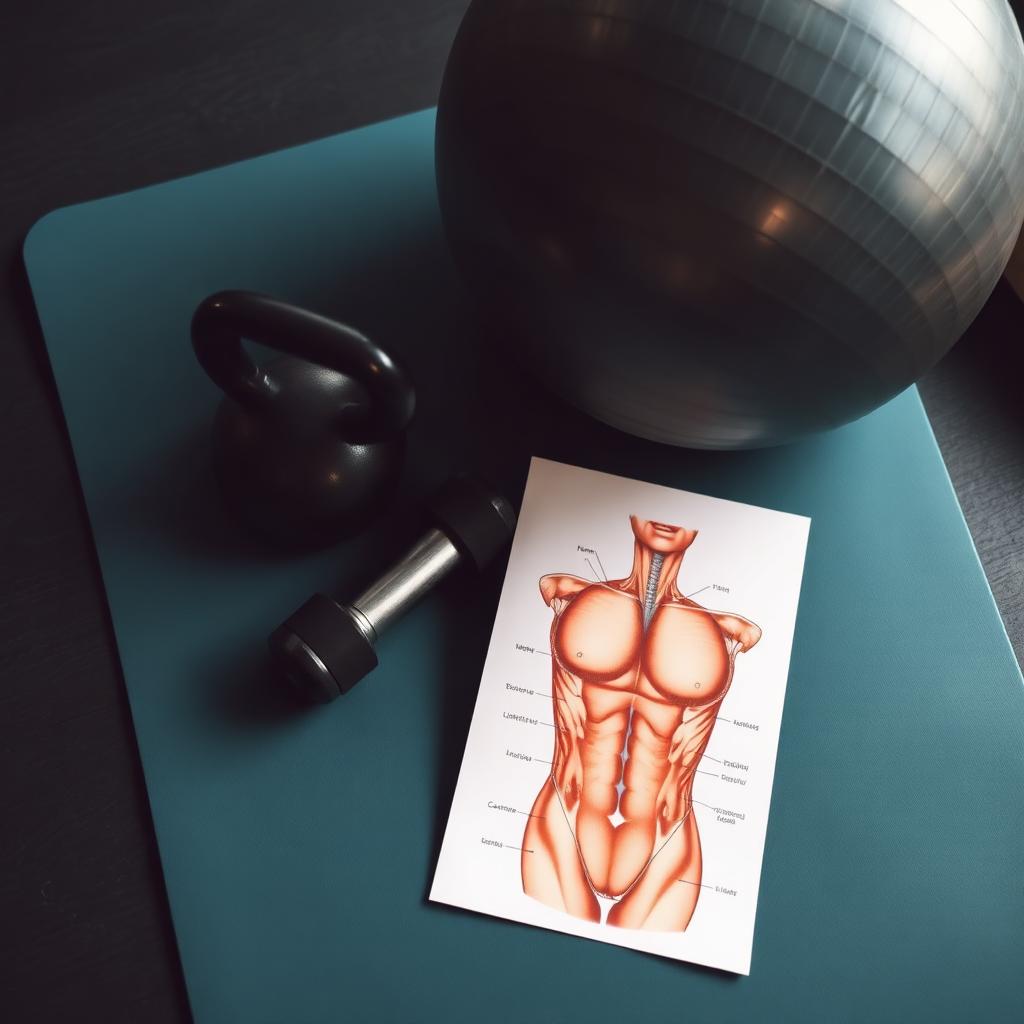
- Strength Training: Involves working muscles against resistance using weights, resistance bands, or your own body weight. This builds muscle mass, increases bone density, and improves metabolism. Incorporate major muscle groups two to three times per week, with rest days in between.
- Flexibility & Mobility: Stretching, yoga, or Pilates improve range of motion, reduce the risk of injury, and alleviate muscle stiffness. Include these at least two to three times a week, ideally after your workouts when muscles are warm.
- Balance & Core Work: Important for stability, posture, and preventing falls. Exercises like planks, bird-dog, or standing on one leg can be integrated into warm-ups, cool-downs, or dedicated sessions.
Determine Your Workout Frequency and Duration
How often and for how long you exercise depends on your goals, fitness level, and schedule. For most healthy adults, 3-5 days per week of structured exercise is a good starting point. Workout durations can vary, from 30-minute high-intensity sessions to longer 60-90 minute comprehensive workouts. Remember, consistency is more important than sporadic intense sessions. Start with what you can realistically commit to and gradually increase as your fitness improves.
Structure Your Workouts
Each workout session should ideally include:
- Warm-up (5-10 minutes): Light cardio and dynamic stretching to prepare your body for exercise and reduce injury risk.
- Main Workout (20-60+ minutes): The core of your session, focusing on your chosen exercise types and muscle groups.
- Cool-down (5-10 minutes): Light cardio and static stretching to gradually lower your heart rate and improve flexibility.
Consider using a split routine (e.g., upper body/lower body, push/pull/legs) if you're strength training multiple days a week to allow specific muscle groups adequate recovery time. For beginners, full-body workouts three times a week can be highly effective.
Track Progress and Stay Consistent
Monitoring your progress is crucial for staying motivated and making necessary adjustments. Keep a workout journal or use a fitness app to log exercises, sets, reps, weights, and times. As you get stronger or fitter, you'll need to implement the principle of progressive overload – gradually increasing the demands on your body (e.g., lifting heavier weights, doing more reps, running longer distances) to continue seeing results. Listen to your body, prioritize rest and recovery, and don't be afraid to adjust your routine as your needs and goals evolve.
Building a workout routine is a journey, not a destination. It requires patience, consistency, and a willingness to adapt. Focus on creating sustainable habits that contribute to your long-term health and well-being.
Disclaimer: This article provides general information and is not a substitute for professional medical advice. Always consult with a qualified healthcare professional or a certified personal trainer before starting any new fitness program, especially if you have pre-existing health conditions or concerns.
Related reading
- Workout Music and Performance — Discover how the right workout music can significantly boost your exercise performance and mental focus, making your fit…
- How to Prevent Workout Injuries — Discover essential strategies to prevent common workout injuries and maintain a safe, effective fitness routine. Learn h…
- Beginner Strength Training Guide — Embark on your strength training journey with this comprehensive beginner's guide, covering essential principles, effect…
- Bodyweight Training at Home — Discover the incredible benefits of bodyweight training, a versatile and effective way to build strength, improve endura…
- Core Training Beyond Crunches — Effective core work includes anti-rotation, anti-extension, and carries — not just flexion. Planks, dead bugs, and farme…
Written by
Health Hub Pro Editorial
Health writer at Health Hub Pro, focused on evidence-based, Sharia-conscious wellness.
View author profile →