Pet First Aid: What Every Owner Should Keep and Know
A practical, evidence-informed guide to pet first aid — what matters, what works, common mistakes, and when to consult a professional.
For informational purposes only. This article is educational and is not a substitute for professional medical advice, diagnosis, or treatment. Always consult a qualified healthcare provider about anything affecting your health. Read full disclaimer.
Pet First Aid: What Every Owner Should Keep and Know
(Not medical or veterinary advice — consult a qualified clinician or veterinarian for personal guidance.)
Introduction
Providing first aid for a beloved pet is a crucial aspect of responsible pet ownership. Just as humans can encounter unexpected injuries or sudden illnesses, so too can our animal companions. Being prepared with a basic understanding of pet first aid and having essential supplies readily available can make a significant difference in an emergency, potentially stabilizing a pet's condition until professional veterinary care can be accessed. This article aims to equip pet owners with evidence-informed guidance on what to keep on hand and what foundational knowledge is beneficial in critical moments. It covers key principles, practical daily habits that promote pet safety, common pitfalls to avoid, and clear indicators for when immediate veterinary intervention is necessary.
Why this matters
Emergencies involving pets can range from minor cuts and scrapes to more severe incidents like accidental poisoning, fractures, or sudden collapse. In such situations, the time between an incident occurring and professional veterinary care being received is often critical. During this window, appropriate first aid can help to alleviate pain, prevent a condition from worsening, control bleeding, or even save a pet's life. For instance, knowing how to safely transport an injured animal, apply pressure to a bleeding wound, or recognize signs of choking can reduce stress for the pet and owner alike, and improve the chances of a positive outcome.
Furthermore, being prepared fosters a sense of confidence and readiness. Pet owners who have considered emergency scenarios and assembled a basic first aid kit are better equipped to respond calmly and effectively. This proactive approach underscores the commitment to a pet's well-being and acknowledges the unpredictable nature of life with animals. It’s not about replacing veterinary care, but rather about complementing it by providing immediate support when it matters most.
Key principles (evidence-informed)
Effective pet first aid relies on a few core principles that prioritize safety, assessment, and stabilization. These principles are universally applicable across various emergency scenarios and form the foundation of responsible immediate care for pets.
1. Prioritize Safety for All Involved: Before approaching an injured or distressed animal, ensure your own safety. An animal in pain or fear, even typically docile ones, may bite or scratch out of instinct. Approach calmly and slowly. Consider using a muzzle (if available and safe to do so) for dogs, or wrapping cats in a towel to prevent bites and scratches during examination or transport. If the environment itself poses a risk (e.g., traffic, fire, toxic spills), address that risk first or ensure the pet is moved to a safer location if possible and safe to do so without causing further injury.
2. Remain Calm and Assess the Situation: Panic can impair judgment. Take a deep breath and try to remain as calm as possible. Rapidly assess the situation:
- A: Airway: Is the pet breathing? Is there any obstruction?
- B: Breathing: Are there normal, spontaneous breaths? What is the rate and effort?
- C: Circulation: Is there a pulse? Are there signs of severe bleeding? What is the color of the gums? (Pink gums typically indicate good circulation; pale or blue gums are concerning.)
- D: Disability/Deformity: Is the pet conscious? Are there any obvious fractures, wounds, or swellings?
- E: Environment/Exposure: What caused the injury? Is the pet exposed to extreme temperatures?
3. Contact Your Veterinarian Immediately: Once initial safety measures are in place and a preliminary assessment has been made, the absolute next step is to contact your veterinarian or an emergency veterinary clinic. Describe the situation clearly and precisely. They can provide specific instructions for immediate first aid over the phone and prepare for your arrival. This ensures that you are providing appropriate care and that professional help is ready when you get there.
4. Control Bleeding: For external wounds that are bleeding, apply direct pressure with a clean cloth or sterile gauze. Maintain pressure for several minutes. If blood soaks through, add more layers without removing the original ones. Elevating the bleeding limb (if not fractured) can also help. Do not use tourniquets unless specifically instructed by a veterinarian and only for severe, life-threatening arterial bleeding that cannot be controlled by other means, as they can cause significant tissue damage.
5. Manage Shock: Shock is a life-threatening condition that can result from severe injury, illness, or blood loss. Signs include weakness, rapid breathing, pale gums, and a rapid or weak pulse. Keep the pet warm (e.g., with a blanket or towel) and quiet. Minimize handling.
6. Provide Basic Wound Care: For minor cuts or abrasions, clean the wound gently with plain water or a dilute antiseptic solution (e.g., chlorhexidine or povidone-iodine, diluted as per product instructions or veterinary advice). Do not use alcohol or hydrogen peroxide on deep wounds as they can damage tissues. Cover the wound with a sterile dressing and bandage if necessary to keep it clean and prevent further contamination.
7. Immobilize Fractures: If a fracture is suspected (e.g., obvious deformity, swelling, lameness, pain), minimize movement of the affected limb. Support the limb carefully, perhaps using a rolled-up magazine or towel as a temporary splint, taping it gently but securely to the limb above and below the injury. The goal is to stabilize it for transport, not to set the bone. Do not attempt to realign the bone.
8. Address Choking: If a pet is choking, they may paw at their mouth, gasp for air, or make gagging noises. For a small object, you might be able to carefully remove it if it's visible and easily accessible. Do not blindly sweep your fingers into a pet's mouth, as you might push the object further down or get bitten. If the pet is still conscious and struggling, you can attempt the Heimlich maneuver:
- Small Pet: Hold the pet with its back against your stomach. Find the soft spot just below the rib cage. Give 3-5 quick, upward thrusts with the heel of your hand.
- Large Pet: Stand behind the pet. Wrap your arms around its abdomen, just below the rib cage. Make a fist with one hand and place your other hand over it. Give 3-5 quick, upward thrusts.
- Alternatively, lay the pet on its side and place your hands flat on either side of the rib cage. Push quickly and firmly inward and forward, 3-5 times.
- Check the mouth after each set of thrusts to see if the object has been dislodged.
(Reference: American Veterinary Medical Association (AVMA) for general first aid guidelines.)
Practical daily habits
Preventative measures and preparedness are cornerstones of pet safety. Integrating certain habits into daily routines can significantly reduce the risk of emergencies and improve readiness for unexpected events.
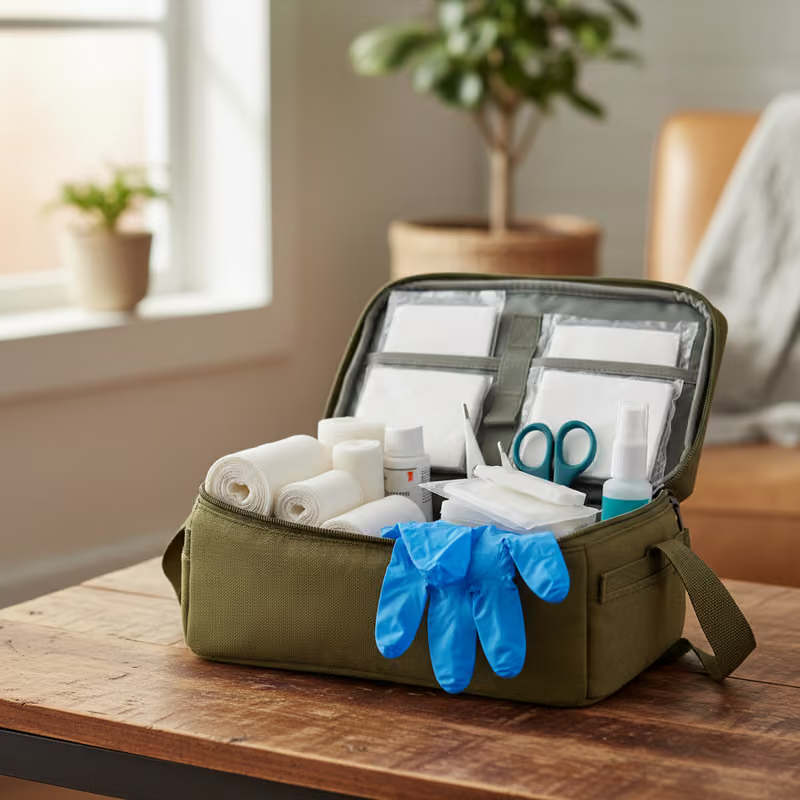
- Establish and Maintain a Pet First Aid Kit: This is perhaps the most critical preparation. A well-stocked kit should be readily accessible at home and ideally a smaller version in your vehicle.
- Essential Supplies:
- Emergency Contact Information: Veterinarian's phone number, emergency clinic number, poison control hotline (e.g., ASPCA Animal Poison Control Center or Pet Poison Helpline).
- Sterile Gauze Pads: Various sizes for wound cleaning and pressure.
- Adhesive Tape: Pet-specific (sticks to fur but is easy to remove) or medical tape.
- Self-Adhesive Vet Wrap (Cohesive Bandage): Provides compression and support without sticking to fur.
- Cotton Balls or Swabs: For cleaning small wounds or applying antiseptic.
- Antiseptic Wipes or Solution: (e.g., dilute chlorhexidine solution or povidone-iodine). Consult a veterinarian for appropriate dilutions.
- Blunt-Tipped Scissors: For cutting bandages or tape.
- Tweezers: For splinter removal or picking up debris.
- Disposable Gloves: For hygiene and infection control.
- Clean Towels or Blankets: For warmth, gentle restraint, or creating a stretcher.
- Muzzle: Basket muzzle for dogs, or a strip of cloth/gauze for temporary use (ensure it doesn't obstruct breathing or vomiting).
- Rectal Thermometer and Lubricant: To check for fever or hypothermia (normal range for dogs/cats is typically 100-102.5°F or 37.8-39.2°C).
- Saline Solution (Sterile Eye Wash): For flushing eyes or wounds.
- Pill Crusher/Splitter: If your pet takes medication.
- Syringes (without needles): For administering liquid medication or flushing wounds.
- Pet Carrier or Stretcher: For safe transport of an injured animal.
- Flashlight: For examining wounds or in low-light conditions.
- Pet-Safe Leash and Collar/Harness: For control and restraint.
- Current Medical Records: Including vaccination history and any pre-existing conditions.
- Review and Replenish: Regularly check expiration dates and replace used or expired items.
- Essential Supplies:
- Secure Your Home Environment: "Pet-proofing" your home is vital.
- Store medications, cleaning products, toxic plants, and human foods (especially chocolate, xylitol, grapes/raisins, onions, garlic) out of reach.
- Secure trash cans.
- Keep small objects that can be swallowed (e.g., toys, string, small batteries) away from curious pets.
- Ensure secure fencing and gates for outdoor pets.
- Supervise Outdoor Play: Always supervise pets outdoors, especially in unfenced areas or near traffic. Be aware of potential hazards like wildlife, other animals, or poisonous plants.
- Regular Veterinary Check-ups: Routine visits allow your veterinarian to catch potential health issues early, keep vaccinations up-to-date, and discuss preventative care specific to your pet. They can also provide guidance on your pet’s normal vital signs (heart rate, breathing rate) to help you recognize abnormalities.
- Learn Basic Pet CPR (Cardiopulmonary Resuscitation): While ideally taught by a certified instructor, understanding the basics of chest compressions and rescue breaths can be life-saving in cases of cardiac arrest. Resources like the AVMA and WSAVA may offer guidance or direct to training courses.
- Identify Poison Control Hotlines: Keep the numbers for pet poison control services prominently displayed with your vet's contact information. These services can offer immediate advice on suspected poisonings.
- Practice Safe Pet Handling: Accustom your pet to being handled, especially around their paws, ears, and mouth. This makes it easier to examine them during an emergency and reduces stress for vet visits.
- Carry an Emergency Pet Tag: Ensure your pet wears a collar with current identification tags, including your contact information and microchip details.
(Reference: World Small Animal Veterinary Association (WSAVA) for general health and welfare guidelines.)
Common mistakes to avoid
Even with good intentions, certain actions during a pet emergency can inadvertently worsen the situation or put the rescuer at risk. Awareness of these common mistakes is as important as knowing what to do.
- Panicking: As mentioned, panic hinders rational thought and effective action. While natural, try to take a moment to compose yourself before acting. Your calmness can also help soothe your distressed pet.
- Assuming a Pet Will Not Bite: An injured or frightened pet, even one that is usually gentle, may bite or scratch defensively. Always assume this possibility and take precautions like gentle restraint or a muzzle if appropriate and safe.
- Attempting to Diagnose or Treat Without Professional Guidance: Pet first aid is about stabilization, not definitive treatment. Avoid giving human medications, herbs, or remedies without explicit veterinary instruction, as many are toxic to animals. Do not attempt complex procedures like setting bones or suturing wounds yourself.
- Delaying Veterinary Contact: This is perhaps the most critical mistake. Even if you've provided excellent first aid, contact your veterinarian immediately. They need to know what happened, what you've done, and when you'll arrive. Some conditions can appear minor but hide serious internal issues requiring prompt professional intervention.
- Incorrectly Applying Tourniquets: Tourniquets are dangerous and should almost never be used by a layperson. Improper application can cause severe tissue damage, nerve damage, and even lead to limb loss. Direct pressure is almost always the preferred method for controlling bleeding.
- Forcing a Choking Pet's Mouth Open or Blind Finger Sweeps: If you can't clearly see and easily retrieve the object, forcing your fingers into a pet's mouth can push the object further down, cause injury to the pet, or result in you getting bitten.
- Moving an Injured Pet Incorrectly: If a spinal injury or fracture is suspected, improper movement can cause further damage. Try to move the pet as little as possible, supporting the body or injured limb gently and keeping the pet as flat as possible during transport, ideally on a firm surface like a board or blanket used as a stretcher.
- Overlooking Signs of Internal Injuries: Not all injuries are outwardly obvious. Signs like lethargy, pale gums, difficulty breathing, abdominal pain, or changes in behavior after an incident can indicate internal trauma and require immediate veterinary attention.
- Using Human Medications Without Veterinary Approval: Many human medications are toxic to pets. For instance, ibuprofen can cause kidney failure, and acetaminophen can be fatal to cats. Always consult a veterinarian before administering any medication.
- Neglecting Your Pet's Comfort and Warmth: Pets in shock or with significant injuries can quickly become hypothermic. Providing a blanket or towel to keep them warm during transport can be crucial. Conversely, pets suffering from heatstroke need to be cooled gradually, not plunged into ice water, which can cause shock.
When to see a professional
Recognizing when a situation warrants immediate professional veterinary care is paramount. While first aid can stabilize a pet, it is not a substitute for comprehensive veterinary diagnosis and treatment. Always err on the side of caution.
Seek immediate veterinary attention for any of the following:
- Severe Bleeding: Any wound that is bleeding profusely, spurting blood, or where bleeding cannot be controlled with direct pressure within 5-10 minutes.
- Difficulty Breathing: Labored breathing, gasping, choking, blue-tinged gums or tongue, or prolonged coughing.
- Loss of Consciousness or Collapse: Sudden inability to stand, unresponsiveness, or seizure activity.
- Suspected Fractures or Severe Lameness: Obvious deformity, inability to bear weight on a limb, severe pain on movement, or an open fracture (bone protruding through the skin).
- Penetrating Wounds: Stab wounds, gunshot wounds, or impalement by foreign objects. Do not remove impaled objects; stabilize them for transport.
- Major Trauma: Hit by a car, fall from a significant height, or involvement in a fight with a larger animal. Even without visible injuries, internal damage is possible.
- Suspected Poisoning: Ingestion of toxic substances (medication, chemicals, plants, human foods known to be toxic), or exposure to toxins on the skin or eyes. Symptoms can include vomiting, diarrhea, tremors, weakness, seizures, or behavioral changes.
- Severe Allergic Reactions: Rapid swelling of the face, hives, difficulty breathing, or collapse following an insect sting or exposure to an allergen.
- Persistent Vomiting or Diarrhea: Especially if accompanied by lethargy, weakness, blood, or if the pet is unable to keep down water.
- Bloated or Distended Abdomen: Particularly in large, deep-chested dogs, this could indicate gastric dilatation-volvulus (GDV), a life-threatening condition.
- Eye Injuries: Any trauma to the eye, discharge, redness, squinting, or sudden blindness.
- Burns: Chemical burns, thermal burns, or electrical burns.
- Heatstroke or Severe Hypothermia: Body temperature significantly outside the normal range (100-102.5°F or 37.8-39.2°C).
- Unusual or Sudden Behavioral Changes: Including sudden aggression, extreme lethargy, disorientation, or uncharacteristic withdrawal, especially if accompanied by other physical symptoms.
- Any injury or illness that causes you significant concern.
(Reference: Mayo Clinic for general emergency care principles; these can be broadly applied to recognizing urgency in pets.)
Frequently asked questions
What should be my absolute first step in a pet emergency?
Your absolute first step should be to prioritize safety for yourself and your pet. Ensure the immediate environment is safe, and then approach your pet cautiously, taking steps to prevent bites or further injury. Immediately after, call your veterinarian or the nearest emergency veterinary clinic to get professional guidance on what to do next and to inform them of your impending arrival.
Can I give my pet human pain medication for an injury?
No, you should never give your pet human pain medication, or any human medication, without explicit instructions from a veterinarian. Many human medications are highly toxic to pets and can cause severe illness, organ damage, or even death. Always consult your veterinarian before administering any medication to your pet.
How do I know if my pet is in shock?
Signs of shock in pets can include weakness or collapse, rapid and shallow breathing, a rapid or weak pulse, pale or white gums, cold extremities (paws, ears), and lethargy. If you suspect your pet is in shock, keep them warm, quiet, and seek immediate veterinary care, as shock is a life-threatening condition.
What's the best way to transport an injured pet to the vet?
The best way to transport an injured pet depends on the injury. For small pets, a carrier is ideal. For larger pets or those with suspected spinal or limb injuries, carefully place them on a firm, flat surface like a rigid board, a piece of plywood, or a strong blanket used as a stretcher, keeping their body as stable as possible to prevent further injury. Always ensure the pet is secure to prevent them from moving and potentially injuring themselves or you during transit. Call ahead to the clinic so they are ready for your arrival.
What items should always be in my pet's first aid kit?
A basic pet first aid kit should include sterile gauze pads, self-adhesive vet wrap, medical tape, antiseptic wipes or solution, blunt-tipped scissors, tweezers, disposable gloves, clean towels or blankets, a pet muzzle, a rectal thermometer, sterile saline solution, and a list of emergency contact numbers for your vet and poison control. Regularly check and replenish items, ensuring they are not expired.
Key takeaways
Being prepared for a pet emergency means more than just having a first aid kit; it involves understanding key principles, practicing preventative habits, and knowing when to seek professional help. The goal of pet first aid is to stabilize your pet and prevent further harm until professional veterinary care can be administered. Always prioritize safety, remain calm, and never hesitate to contact your veterinarian or an emergency clinic for guidance. Your readiness and quick, informed actions can be instrumental in safeguarding your pet's health and well-being during critical moments.
Related reading
Keep exploring this topic with our related, evidence-reviewed guides:
- Puppy First Year Health Checklist: Vaccines, Growth, and Socialization — A practical, evidence-informed guide to puppy health — what matters, what works, common mistakes, and when to consult a profession…
- Stray and Community Animal Health: Feeding, Vaccination, and Ethics — A practical, evidence-informed guide to stray animal care — what matters, what works, common mistakes, and when to consult a profe…
- Pet Bird Health: Cage Setup, Diet, and Respiratory Warning Signs — A practical, evidence-informed guide to pet bird health — what matters, what works, common mistakes, and when to consult a profess…
- Horse Health Essentials: Hooves, Teeth, Colic, and Conditioning — A practical, evidence-informed guide to horse health — what matters, what works, common mistakes, and when to consult a profession…
- Heatstroke and Cold Stress in Animals: Prevention and Emergency Steps — A practical, evidence-informed guide to pet heatstroke — what matters, what works, common mistakes, and when to consult a professi…
- Senior Dog Care: Arthritis, Cognition, and Comfort at Home — A practical, evidence-informed guide to senior dog care — what matters, what works, common mistakes, and when to consult a profess…
Sources
- American Veterinary Medical Association (AVMA)
- World Small Animal Veterinary Association (WSAVA)
- Mayo Clinic
- Centers for Disease Control and Prevention (CDC) - for general safety and health principles
- National Institutes of Health (NIH) - for general health research principles
Sources
Evidence & citations
- Every claim in this animal health guide is backed by primary data — browse the zoonotic and one-health statistics in our sourced statistics library.
- Writing about this topic? Researchers, journalists and educators can cite our animal health guidance with ready-made APA, MLA and Chicago references.
My notes on this one
The short version of 14 minutes of reading — what stuck with me while writing “Pet First Aid: What Every Owner Should Keep and Know”, what the sources back up, and what I'd actually do about it.
What I'd take away
01 · Why this matters
Pet owners who have considered emergency scenarios and assembled a basic first aid kit are better equipped to respond calmly and effectively.
02 · Key principles
Alternatively, lay the pet on its side and place your hands flat on either side of the rib cage. Push quickly and firmly inward and forward, 3-5 times.
03 · Practical daily habits
Establish and Maintain a Pet First Aid Kit: This is perhaps the most critical preparation. A well-stocked kit should be readily accessible at home and ideally a smaller version in your vehicle.
04 · Common mistakes to avoid
Panicking: As mentioned, panic hinders rational thought and effective action. While natural, try to take a moment to compose yourself before acting. Your calmness can also help soothe your distressed pet.
What the sources I read actually say
(Reference: World Small Animal Veterinary Association (WSAVA) for general health and welfare guidelines.) Even with good intentions…
World Health OrganizationDuring this window, appropriate first aid can help to alleviate pain, prevent a condition from worsening, control bleeding, or even save a pet's life.
Centers for Disease Control and Prevention
If you only do one thing this week
- Keep small objects that can be swallowed (e.g., toys, string, small batteries) away from curious pets.
- Alternatively, lay the pet on its side and place your hands flat on either side of the rib cage. Push quickly and firmly inward and forward, 3-5 times.
- Check the mouth after each set of thrusts to see if the object has been dislodged.
- Prioritize Safety for All Involved: Before approaching an injured or distressed animal, ensure your own safety.
- Keep the pet warm (e.g., with a blanket or towel) and quiet.
Pick the one that fits your week. None of this replaces advice from a clinician who can actually examine you.
Questions I kept coming back to
What should be my absolute first step in a pet emergency?+
Your absolute first step should be to prioritize safety for yourself and your pet. Ensure the immediate environment is safe, and then approach your pet cautiously, taking steps to prevent bites or further injury. Immediately after, call your veterinarian or the nearest emergency veterinary clinic to get professional guidance on what to do next and to inform them of your impending arrival.
Can I give my pet human pain medication for an injury?+
No, you should never give your pet human pain medication, or any human medication, without explicit instructions from a veterinarian. Many human medications are highly toxic to pets and can cause severe illness, organ damage, or even death. Always consult your veterinarian before administering any medication to your pet.
How do I know if my pet is in shock?+
Signs of shock in pets can include weakness or collapse, rapid and shallow breathing, a rapid or weak pulse, pale or white gums, cold extremities (paws, ears), and lethargy. If you suspect your pet is in shock, keep them warm, quiet, and seek immediate veterinary care, as shock is a life-threatening condition.
What's the best way to transport an injured pet to the vet?+
The best way to transport an injured pet depends on the injury. For small pets, a carrier is ideal. For larger pets or those with suspected spinal or limb injuries, carefully place them on a firm, flat surface like a rigid board, a piece of plywood, or a strong blanket used as a stretcher, keeping their body as stable as possible to prevent further injury…
What items should always be in my pet's first aid kit?+
A basic pet first aid kit should include sterile gauze pads, self-adhesive vet wrap, medical tape, antiseptic wipes or solution, blunt-tipped scissors, tweezers, disposable gloves, clean towels or blankets, a pet muzzle, a rectal thermometer, sterile saline solution, and a list of emergency contact numbers for your vet and poison control. Regularly check and replenish items, ensuring they are not expired.
Was this article helpful?
Be the first to rate this article.
Written by
FaizRuh
I write Health Hub Pro on my own — no clinical licence, no anonymous review panel. Just the published guidance, read carefully and explained plainly.
More about me →How this page was checked
Every claim above is checked against the sources listed at the bottom of this article — WHO, CDC, NIH, NHS, Cochrane and major clinical guidelines. Drafting is AI-assisted; the editing, fact-checking and final wording are mine. It's information, not medical advice. Spotted an error? Tell me and I'll fix it.
Last checked on