Plant-Based Protein Sources
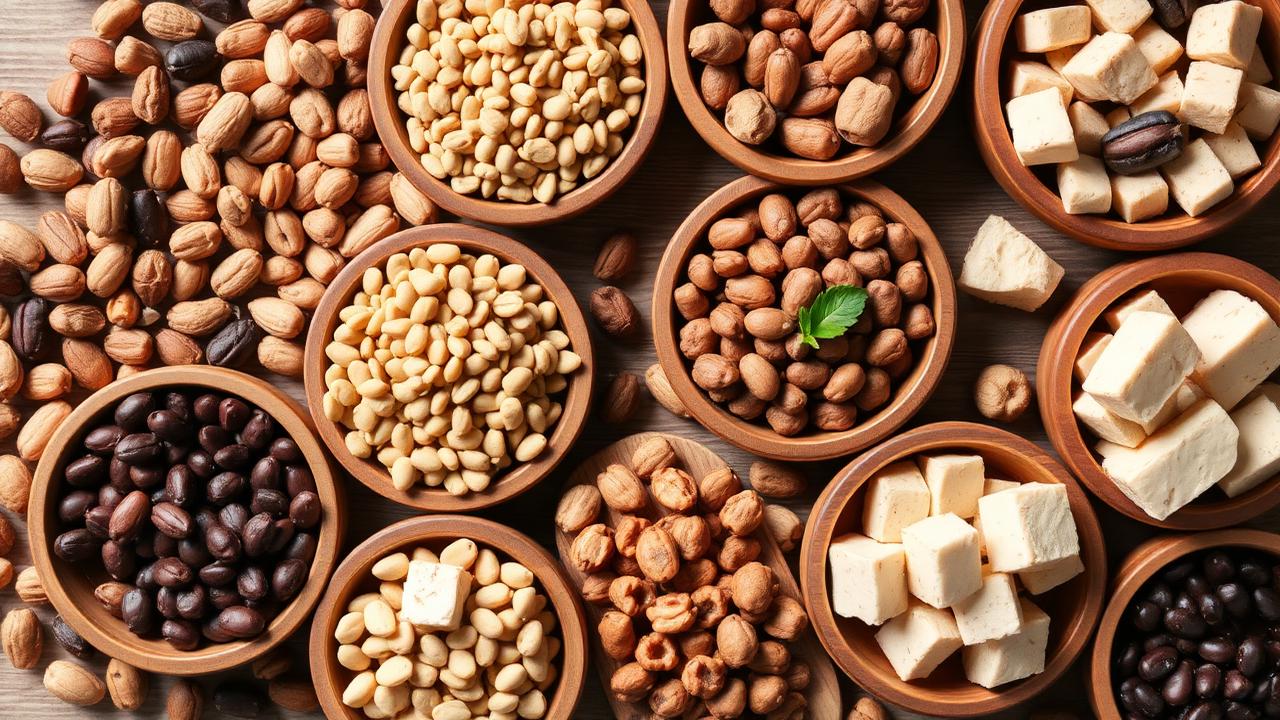
Beans, lentils, tofu, tempeh, and nuts can meet protein needs when combined thoughtfully.
For informational purposes only. This article is educational and is not a substitute for professional medical advice, diagnosis, or treatment. Always consult a qualified healthcare provider about anything affecting your health. Read full disclaimer.
Introduction
Protein is a fundamental macronutrient essential for countless bodily functions, including building and repairing tissues, producing enzymes and hormones, and supporting immune health. While animal products are well-known sources of protein, a diverse array of plant-based foods can adequately meet protein needs. A thoughtfully planned diet rich in plant proteins offers numerous health benefits and can be a sustainable dietary choice for many individuals. This comprehensive guide explores evidence-based insights into plant-based protein sources, their benefits, and practical approaches to incorporating them into a balanced diet.
What causes it (evidence-based)
A sufficient intake of protein is crucial for overall health. The specific amounts needed vary based on age, sex, activity level, and overall health status. When individuals choose to follow a plant-based diet, ensuring adequate protein intake requires an understanding of which plant foods are good sources and how to combine them effectively.
The perception that plant-based protein is inherently "incomplete" compared to animal protein is a common misunderstanding. While most individual plant proteins may be lower in one or more essential amino acids compared to animal proteins, a varied diet composed of different plant protein sources throughout the day can easily provide all essential amino acids. Essential amino acids are those the body cannot synthesize and must obtain from food.
Key factors contributing to adequate plant-based protein intake include:
- Diverse Food Choices: Relying on a wide range of plant foods, such as legumes, grains, nuts, seeds, and vegetables, ensures a broad spectrum of amino acids are consumed.
- Understanding Amino Acid Profiles: Different plant protein sources have varying amino acid profiles. For example, legumes (like beans and lentils) are generally lower in methionine but higher in lysine, while grains (like rice and wheat) are often lower in lysine but higher in methionine. Consuming these complementary proteins within the same day helps ensure all essential amino acids are acquired.
- Bioavailability: The bioavailability of protein from plant sources can sometimes be influenced by other compounds present in the food, such as fiber or antinutrients. However, preparation methods like soaking, sprouting, and cooking can improve the digestibility and absorption of plant proteins. (Source: National Institutes of Health)
Symptoms and warning signs
While specific symptoms related to insufficient plant protein intake often align with general protein deficiency, it's important to recognize that a well-planned plant-based diet can provide adequate protein. However, if an individual's diet is not sufficiently diverse or calorie-restricted, protein deficiency can occur.
General symptoms and warning signs associated with inadequate protein intake may include:
- Muscle wasting and weakness: Protein is crucial for muscle maintenance and growth. Insufficient intake can lead to loss of muscle mass over time, resulting in weakness and fatigue.
- Edema (swelling): Protein plays a role in maintaining fluid balance in the body. Low protein levels, particularly albumin, can lead to fluid retention and swelling, especially in the legs and feet.
- Brittle hair and nails, skin problems: Protein is a primary component of hair, nails, and skin. Deficiency can manifest as thinning hair, brittle nails, and dry, flaky skin.
- Impaired immune function: Antibodies, which are vital components of the immune system, are proteins. Inadequate protein intake can weaken the immune response, making individuals more susceptible to infections.
- Poor wound healing: Protein is essential for tissue repair and regeneration. A deficiency can delay the healing of cuts, scrapes, and other injuries.
- Persistent fatigue and lethargy: While many factors can cause fatigue, insufficient protein can contribute due to its role in energy production and overall cellular function.
- Increased appetite and cravings: Protein promotes satiety. A diet low in protein may lead to increased hunger and cravings, particularly for carbohydrates.
It is rare for individuals consuming a varied, calorie-sufficient plant-based diet to experience protein deficiency. These symptoms are more likely to occur in cases of severe malnutrition, restrictive eating disorders, or certain medical conditions that impair nutrient absorption.
When to see a clinician
While a well-planned plant-based diet can meet all protein needs, it is advisable to consult a clinician or a registered dietitian in several situations. Early consultation can help prevent potential deficiencies and ensure overall health.
You should consider seeing a clinician or a registered dietitian if you:
- Are transitioning to a fully plant-based diet: A professional can help ensure your dietary plan is nutritionally complete and advise on appropriate food choices and potential supplements (e.g., Vitamin B12, Vitamin D, Iodine, Omega-3 fatty acids).
- Experience persistent symptoms potentially linked to nutrient deficiencies: If you notice muscle weakness, unexplained fatigue, hair loss, skin issues, or frequent infections, these could indicate a nutritional imbalance, not necessarily specific to protein alone. A clinician can rule out other medical causes.
- Have specific dietary needs or health conditions: Individuals with conditions such as kidney disease, digestive disorders, or those undergoing cancer treatment may have altered protein requirements or absorption capabilities.
- Are pregnant, breastfeeding, or feeding infants/children a plant-based diet: These life stages have increased protein and nutrient demands. Professional guidance is crucial to ensure adequate intake for both mother and child's development.
- Are an athlete or engage in intense physical activity: Athletes have higher protein needs to support muscle repair and growth. A dietitian can help tailor a plant-based diet to meet these demands.
- Are undergoing significant weight loss or gain: Ensuring proper nutrient intake, including protein, is vital during periods of weight management to preserve muscle mass and support metabolism.
- Take medications: Certain medications can affect nutrient absorption or metabolism. A clinician can assess potential interactions and guide dietary adjustments.
- Are older adults: Protein needs can increase with age to counteract sarcopenia (age-related muscle loss). Guidance on integrating easily digestible and nutrient-dense plant proteins can be beneficial. (Source: Mayo Clinic)
Treatment and management options
The treatment and management of protein intake on a plant-based diet primarily involve dietary planning and education. For most individuals, simply understanding and incorporating diverse plant protein sources into their daily meals is sufficient.
Key strategies for optimizing plant-based protein intake include:
- Diversify Protein Sources:
- Legumes: (beans, lentils, chickpeas, peas) are excellent sources of protein and fiber. Aim for several servings per day.
- Soy Products: (tofu, tempeh, edamame, soy milk) are complete proteins and highly versatile.
- Nuts and Seeds: (almonds, walnuts, peanuts, chia seeds, flax seeds, hemp seeds) provide protein, healthy fats, and micronutrients.
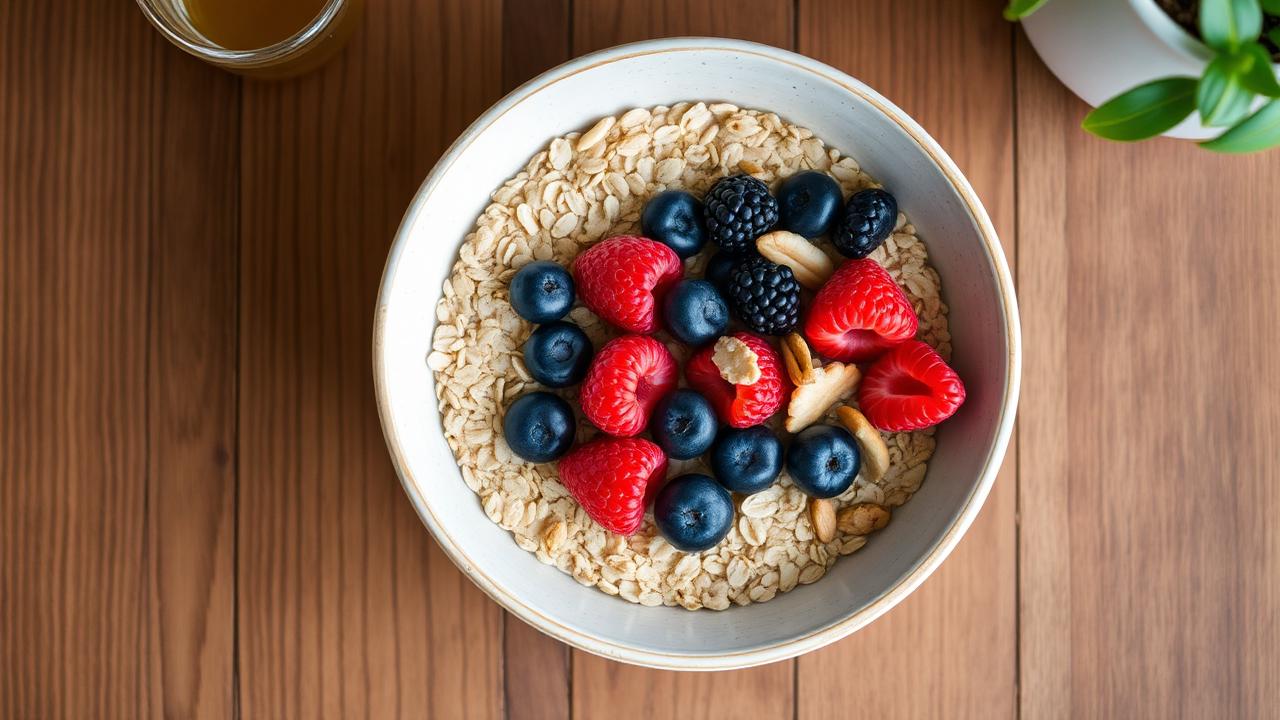
- Whole Grains: (oats, quinoa, brown rice, whole wheat bread, barley) contribute protein, especially quinoa, which is a complete protein.
- Vegetables: (broccoli, spinach, asparagus, Brussels sprouts) contain smaller but significant amounts of protein, adding up throughout the day.
- Combine Complementary Proteins: While not necessary at every meal, combining different plant protein sources throughout the day helps ensure all essential amino acids are consumed. Examples include rice and beans, hummus and whole-wheat pita, or a lentil soup with whole-grain bread.
- Structured Meal Planning: Plan meals to include a protein source at each meal and snack. This helps distribute protein intake throughout the day, which can enhance muscle protein synthesis.
- Increase Portion Sizes of Protein-Rich Plants: For example, adding an extra scoop of lentils to a soup, increasing the serving of chickpeas in a salad, or using more tofu in a stir-fry.
- Incorporate Protein-Fortified Foods: Some plant-based milks, yogurts, and cereals are fortified with protein. Check nutrition labels.
- Consider Plant-Based Protein Powders (if needed): For individuals with high protein needs (e.g., athletes) or those struggling to meet requirements through whole foods, plant-based protein powders (pea, rice, soy, hemp) can be a convenient supplement, but whole foods should always be prioritized.
- Address Specific Nutrient Needs: Ensure adequate intake of other nutrients that can be lower in poorly planned plant-based diets, such as Vitamin B12, Vitamin D, iron, calcium, iodine, and omega-3 fatty acids. This might involve fortified foods or supplements as advised by a professional. (Source: American Heart Association)
Prevention and daily habits
Preventing protein deficiency and ensuring optimal nutrient intake on a plant-based diet centers on consistent, thoughtful dietary habits. Adopting these routines can safeguard health and support overall well-being.
Effective daily habits for plant-based protein intake include:
- Incorporate Legumes Daily: Make beans, lentils, chickpeas, or peas a staple in at least one or two meals daily. They are inexpensive, versatile, and packed with protein and fiber.
- Build Meals Around Protein Sources: Instead of thinking of protein as an add-on, start your meal planning with a plant-based protein. For example, for lunch, choose a lentil soup or a chickpea salad sandwich. For dinner, consider a tofu stir-fry or black bean tacos.
- Snack Smart: Opt for protein-rich snacks like a handful of almonds, an apple with peanut butter, edamame, or fortified plant-based yogurt.
- Vary Your Grains: Include whole grains like quinoa, oats, whole wheat, and brown rice in your diet. Quinoa is particularly notable as a complete protein.
- Don't Forget About Nuts and Seeds: Sprinkle nuts and seeds (e.g., chia seeds, flax seeds, hemp seeds, pumpkin seeds) over breakfast cereals, salads, or stir-fries for an easy protein boost.
- Explore Soy-Based Products: Tofu and tempeh are highly adaptable and can be incorporated into a wide variety of dishes, from scrambles to main courses.
- Prioritize Whole, Unprocessed Foods: Focus on whole plant foods rather than relying heavily on processed plant-based alternatives, which may be higher in sodium, unhealthy fats, and lower in overall nutrients.
- Hydration: Drink adequate amounts of water throughout the day. While not directly related to protein content, proper hydration is crucial for metabolism and overall health.
- Regular Physical Activity: Combining a protein-rich diet with regular exercise helps support muscle maintenance and growth.
- Mindful Eating: Pay attention to hunger and satiety cues, savoring meals, and making conscious food choices. This helps ensure adequate intake without over- or under-eating. (Source: Centers for Disease Control and Prevention)
Frequently asked questions
What are the best plant-based protein sources?
The best plant-based protein sources include legumes (beans, lentils, chickpeas), soy products (tofu, tempeh, edamame), nuts and seeds (almonds, walnuts, chia seeds, flax seeds, hemp seeds), and certain whole grains like quinoa and oats. Vegetables like broccoli and spinach also contribute smaller but significant amounts of protein.
Do I need to combine different plant proteins at every meal to get all essential amino acids?
No, you do not need to combine different plant proteins at every meal. The body maintains an "amino acid pool" from which it can draw to complete protein synthesis. As long as you consume a variety of different plant protein sources throughout the day, you will likely obtain all essential amino acids.
How much plant protein do I need daily?
The general recommendation for adults is about 0.8 grams of protein per kilogram of body weight per day. However, individual needs can vary based on age, activity level, and health status. Athletes, older adults, and pregnant or breastfeeding individuals may require more. Consulting a registered dietitian can help determine your specific needs.
Are plant-based protein powders necessary for a plant-based diet?
Plant-based protein powders are generally not necessary for most individuals following a well-planned plant-based diet. It is usually possible to meet protein needs through whole food sources. However, they can be a convenient option for athletes with higher protein requirements or individuals who struggle to consume enough protein from whole foods.
Can a plant-based diet provide enough protein for muscle growth?
Yes, a well-planned plant-based diet can absolutely provide enough protein for muscle growth. Many successful plant-based athletes demonstrate this. The key is consistent intake of diverse plant protein sources, ensuring adequate total protein intake, and combining it with resistance exercise.
Key takeaways
- A diverse and well-planned plant-based diet can provide all necessary protein and essential amino acids.
- Focus on incorporating a variety of legumes, soy products, nuts, seeds, and whole grains into daily meals.
- General symptoms of protein deficiency are rare in calorie-sufficient plant-based diets but include muscle weakness, fatigue, and impaired immune function.
- Consult a clinician or registered dietitian when transitioning to a plant-based diet, if you have specific health conditions, or if you are pregnant, breastfeeding, an athlete, or an older adult.
- Consistent daily habits, such as building meals around plant-based protein sources and smart snacking, are key to successful management.
Sources
- American Heart Association: www.heart.org
- Centers for Disease Control and Prevention: www.cdc.gov
- Mayo Clinic: www.mayoclinic.org
- National Institutes of Health: www.nih.gov
Related reading
- Balanced Plates for Every Meal — Half vegetables, a quarter protein, a quarter whole grains — a simple template that fits most cuisines.
- Healthy Fats vs. Harmful Fats — Unsaturated fats from olive oil, nuts, and fish support health; trans fats are best avoided.
- Healthy Breakfast Ideas — Discover a variety of nutritious and delicious breakfast ideas to fuel your day, improve energy levels, and support over…
- How Much Protein Do You Actually Need? A Look at the Best Evidence — The RDA is for survival, not for thriving. Here's what protein research from the last decade really shows.
- Women's Preventive Care: A Lifespan Guide — Preventive care needs shift by decade: reproductive health, bone density, cardiovascular screening, and cancer screening…
Written by
Health Hub Pro Editorial
Health writer at Health Hub Pro, focused on evidence-based, Sharia-conscious wellness.
View author profile →Medically reviewed by
Dr. A. Rahman, MD
Board-certified in Internal Medicine
Last reviewed on