Posture and Long-Term Health
Good posture is more than just looking presentable; it's a foundational element of long-term health, impacting everything from musculoskeletal well-being to organ function and mental state.
For informational purposes only. This article is educational and is not a substitute for professional medical advice, diagnosis, or treatment. Always consult a qualified healthcare provider about anything affecting your health. Read full disclaimer.
Posture and Long-Term Health
Posture, often an unconscious habit, is the position in which we hold our bodies upright against gravity while standing, sitting, or lying down. Far from being a mere aesthetic consideration, good posture is a foundational element of long-term health, impacting myriad physiological systems and our overall quality of life. In an increasingly sedentary world, understanding and actively improving posture has become more critical than ever.
The Musculoskeletal System: The Core Impact
The most immediate and evident impact of posture is on the musculoskeletal system. Proper alignment ensures that stress is distributed evenly across muscles, ligaments, and joints. When posture is poor, certain muscles become overstretched and weak, while others become tight and overworked. This imbalance can lead to chronic pain in the neck, shoulders, back, and even hips. For instance, the common "forward head posture," often seen in individuals who spend hours looking at screens, can place significant strain on the cervical spine, leading to headaches, neck pain, and even nerve compression.
Over time, sustained poor posture can contribute to structural changes. Conditions like scoliosis (abnormal curvature of the spine) can be exacerbated, and the discs between vertebrae may experience accelerated wear and tear, potentially leading to herniated discs or degenerative disc disease. Conversely, good posture helps to maintain the natural curves of the spine, providing optimal shock absorption and reducing the risk of injury and degenerative conditions.
Beyond the Bones: Organ Function and Respiration
The influence of posture extends beyond the skeletal and muscular systems. Our internal organs are housed within our torso, and their optimal function can be compromised by poor postural habits. Slouching, for example, compresses the abdominal cavity, which can restrict the space available for digestive organs. This compression may impede digestion, contribute to acid reflux, and potentially lead to sluggish bowel movements. While the direct causal link is complex and multifactorial, maintaining an open, upright posture certainly supports better organ positioning and function.
Respiration is another vital physiological process significantly affected by posture. When slumped, the rib cage is restricted, reducing lung capacity. This can lead to shallower breathing, decreased oxygen intake, and potentially contribute to fatigue and reduced energy levels. An upright posture allows for full expansion of the lungs, facilitating deeper, more efficient breathing and improved oxygenation of the blood. This can have downstream benefits for cardiovascular health and overall vitality.
The Neurological and Psychological Connection
The brain and nervous system are intricately linked to posture. Poor posture can create tension in the neck and shoulders, potentially impacting blood flow to the brain and contributing to tension headaches or even a sensation of fogginess. Furthermore, sustained muscle tension can irritate nerves, leading to tingling, numbness, or weakness in the extremities.
Beyond the physical, there's a fascinating psychological component to posture. Research suggests a reciprocal relationship between posture and mood. Standing tall and maintaining an open posture has been linked to increased confidence, reduced feelings of anxiety, and a more positive mood. Conversely, slouching can be associated with feelings of helplessness or depression. This mind-body connection highlights how tending to our physical posture can indirectly support our mental and emotional well-being.
Practical Steps for Improvement
Improving posture is a gradual process that requires conscious effort and consistency:
- Awareness: The first step is to become aware of your current postural habits throughout the day, whether sitting, standing, or walking.
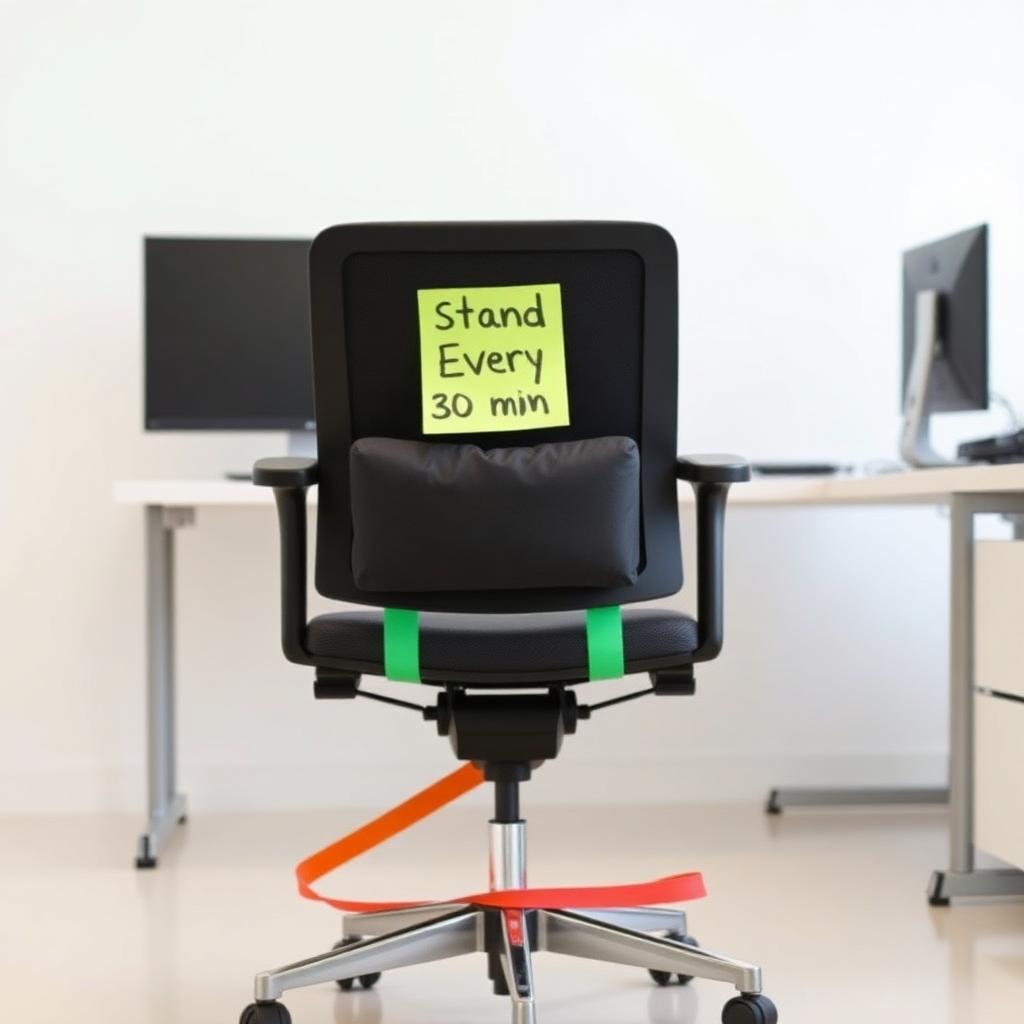
- Ergonomics: Optimize your workspace. Ensure your chair provides good lumbar support, your screen is at eye level, and your keyboard and mouse are positioned to minimize strain.
- Regular Movement: Avoid prolonged static positions. Take short breaks every 30-60 minutes to stretch and move around.
- Strengthening and Stretching: Incorporate exercises that strengthen core muscles (abdominal and back muscles) and stretch tight areas like the chest and hip flexors. Pilates and yoga are excellent for this.
- Mindful Standing: When standing, imagine a string pulling you gently upwards from the crown of your head. Keep your shoulders relaxed and slightly back, and your core gently engaged.
Conclusion
Posture is not merely about appearance; it is a critical determinant of long-term health, intricately linked to the musculoskeletal, respiratory, neurological, and even psychological systems. Investing in good postural habits today can mitigate chronic pain, enhance organ function, improve breathing, and foster a greater sense of well-being for years to come. By making small, consistent changes, we can significantly impact our health trajectory.
Disclaimer: This article provides general information and is not a substitute for professional medical advice. Always consult with a qualified healthcare professional, such as a doctor, chiropractor, or physical therapist, for any health concerns or before making any significant changes to your health regimen.
Related reading
- Recognizing Signs of Burnout — Recognizing the signs of burnout is crucial for maintaining mental well-being and preventing long-term health issues. Th…
- Healthy Aging Fundamentals — Embrace a proactive approach to aging with foundational strategies for physical health, mental well-being, and social co…
- Sleep and Mental Wellness — Discover the profound connection between sleep and mental health. Learn how prioritizing sleep can significantly improve…
- Walking for Fitness — Discover the profound benefits of walking for fitness,从心血管健康到心理健康, a simple yet powerful exercise accessible to nearly e…
- Posture Exercises for Office Workers — Discover simple yet effective posture exercises tailored for office workers to combat the negative effects of prolonged …
Written by
Health Hub Pro Editorial
Health writer at Health Hub Pro, focused on evidence-based, Sharia-conscious wellness.
View author profile →