
Preventing Falls in Older Adults
Falls are a leading cause of injury and disability in older adults. This article offers evidence-based strategies for preventing falls, promoting safety and independence.
For informational purposes only. This article is educational and is not a substitute for professional medical advice, diagnosis, or treatment. Always consult a qualified healthcare provider about anything affecting your health. Read full disclaimer.
Preventing Falls in Older Adults
Falls are a significant public health concern, particularly among older adults. They can lead to serious injuries such as hip fractures, head trauma, and other debilitating conditions, ultimately affecting independence, quality of life, and even increasing mortality. The good news is that many falls are preventable through a combination of lifestyle adjustments, environmental modifications, and appropriate medical care. This article outlines key strategies to reduce the risk of falls in older adults, based on current evidence.
Understanding the Risk Factors
Before delving into prevention, it's crucial to understand the common risk factors for falls. These can be broadly categorized into intrinsic (person-related) and extrinsic (environment-related) factors.
Intrinsic Risk Factors:
- Muscle weakness and balance problems: As we age, muscle mass and strength naturally decline, impacting stability.
- Gait disturbances: Changes in walking patterns, often due to neurological conditions or arthritis, can increase fall risk.
- Vision impairment: Poor vision makes it harder to identify obstacles and navigate safely.
- Medication side effects: Certain medications (e.g., sedatives, antidepressants, blood pressure medications) can cause dizziness, drowsiness, or orthostatic hypotension (a drop in blood pressure upon standing), leading to falls.
- Chronic health conditions: Diseases like Parkinson's disease, dementia, arthritis, diabetes, and cardiovascular conditions can directly or indirectly increase fall risk.
- Foot problems: Painful feet, ill-fitting footwear, or conditions like bunions can affect balance and gait.
Extrinsic Risk Factors:
- Environmental hazards: Clutter, loose rugs, poor lighting, and uneven surfaces are common culprits in the home.
- Inappropriate footwear: Slippery soles or high heels can increase the likelihood of slipping or tripping.
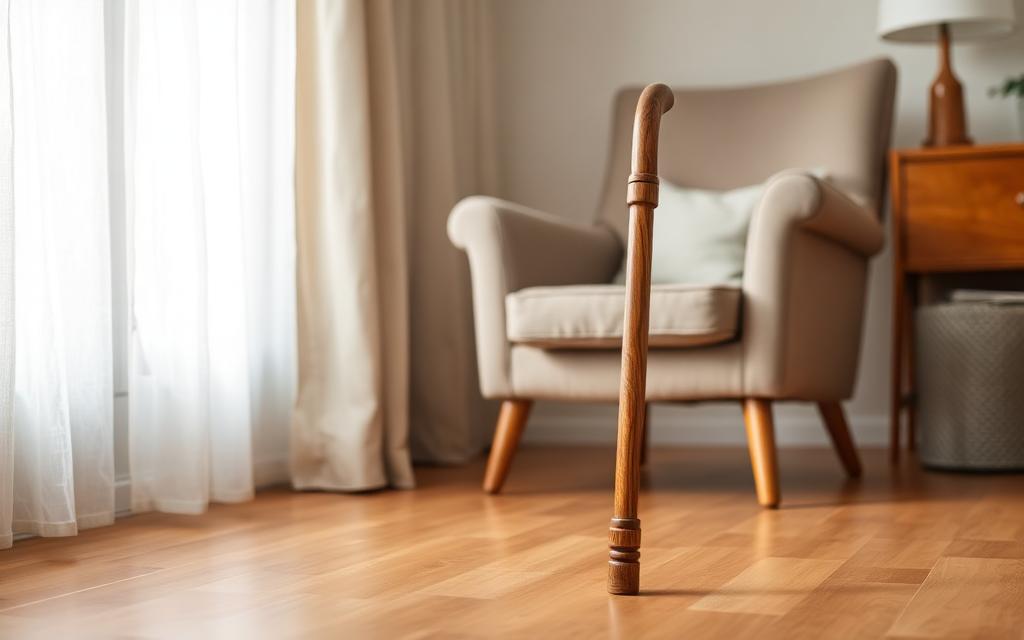
- Lack of assistive devices: Not using or improperly using canes or walkers when needed.
Comprehensive Prevention Strategies
A multi-faceted approach is most effective in preventing falls. This involves addressing both intrinsic and extrinsic factors systematically.
1. Regular Exercise and Strength Training
Exercise is a cornerstone of fall prevention. Programs that focus on improving balance, strength, and flexibility are particularly beneficial. Activities like Tai Chi, yoga, and specific balance exercises have been shown to significantly reduce fall rates. Strength training targeting leg and core muscles is also vital. Always consult a healthcare professional before starting a new exercise program, especially if you have chronic health conditions.
2. Medication Review and Management
Regularly review all medications, both prescription and over-the-counter, with your doctor or pharmacist. Discuss any side effects like dizziness, drowsiness, or lightheadedness. Sometimes, adjusting dosages, changing medications, or reducing the number of medications can mitigate fall risk. Avoid self-medicating, as interactions can also be dangerous.
3. Vision and Hearing Checks
Annual eye exams to ensure updated prescriptions for glasses or to check for conditions like cataracts or glaucoma are essential. Similarly, addressing hearing loss can improve awareness of one's surroundings and reduce the risk of unexpected movements that might lead to a fall.
4. Home Safety Modifications
Making your home safer is critical. Conduct a thorough survey of your living environment for potential hazards:
- Remove clutter: Keep pathways clear of papers, cables, and small furniture.
- Secure rugs: Use non-slip backing or remove loose throw rugs.
- Improve lighting: Ensure all areas are well-lit, especially stairways. Use nightlights in bedrooms and bathrooms.
- Install grab bars: In bathrooms, install grab bars near toilets and in showers/tubs.
- Add handrails: Ensure stairways have sturdy handrails on both sides.
- Repair hazards: Fix uneven floorboards, loose carpeting, and damaged steps promptly.
- Organize frequently used items: Keep items you use often in easily accessible places to avoid reaching or bending excessively.
5. Appropriate Footwear
Choose shoes that are supportive, well-fitting, and have non-slip soles. Avoid walking in socks alone on slippery floors, backless shoes, or high heels. Indoor slippers should also be secure and have good traction.
6. Discuss with Your Healthcare Provider
Talk openly with your doctor about your fall risk. They can assess your individual situation, recommend specific interventions, and refer you to specialists like physical therapists or occupational therapists. Don't wait for a fall to happen; proactive discussion is key.
7. Bone Health
Maintaining strong bones through adequate calcium and vitamin D intake and regular weight-bearing exercise is important. While it doesn't prevent falls directly, strong bones can reduce the severity of injuries if a fall does occur.
Preventing falls in older adults is a continuous effort that requires vigilance and proactive measures. By understanding the risks and implementing these evidence-based strategies, older adults can maintain their independence, enhance their safety, and enjoy a higher quality of life.
Disclaimer: The information provided in this article is for general knowledge and informational purposes only, and does not constitute medical advice. Always consult with a qualified healthcare professional for any health concerns or before making any decisions related to your health or treatment.
Related reading
- Mental Wellness Routines — Cultivating mental well-being is an active process that benefits from consistent routines. This article explores practic…
- Recognizing Signs of Burnout — Recognizing the signs of burnout is crucial for maintaining mental well-being and preventing long-term health issues. Th…
- Eye Health for Screen Users — Spending significant time in front of screens can lead to eye strain and discomfort. Learn practical, evidence-based str…
- Travel Wellness Strategies — Discover practical, evidence-based strategies for maintaining your health and well-being while traveling, from immune su…
- Healthy Aging Fundamentals — Embrace a proactive approach to aging with foundational strategies for physical health, mental well-being, and social co…
Written by
Health Hub Pro Editorial
Health writer at Health Hub Pro, focused on evidence-based, Sharia-conscious wellness.
View author profile →