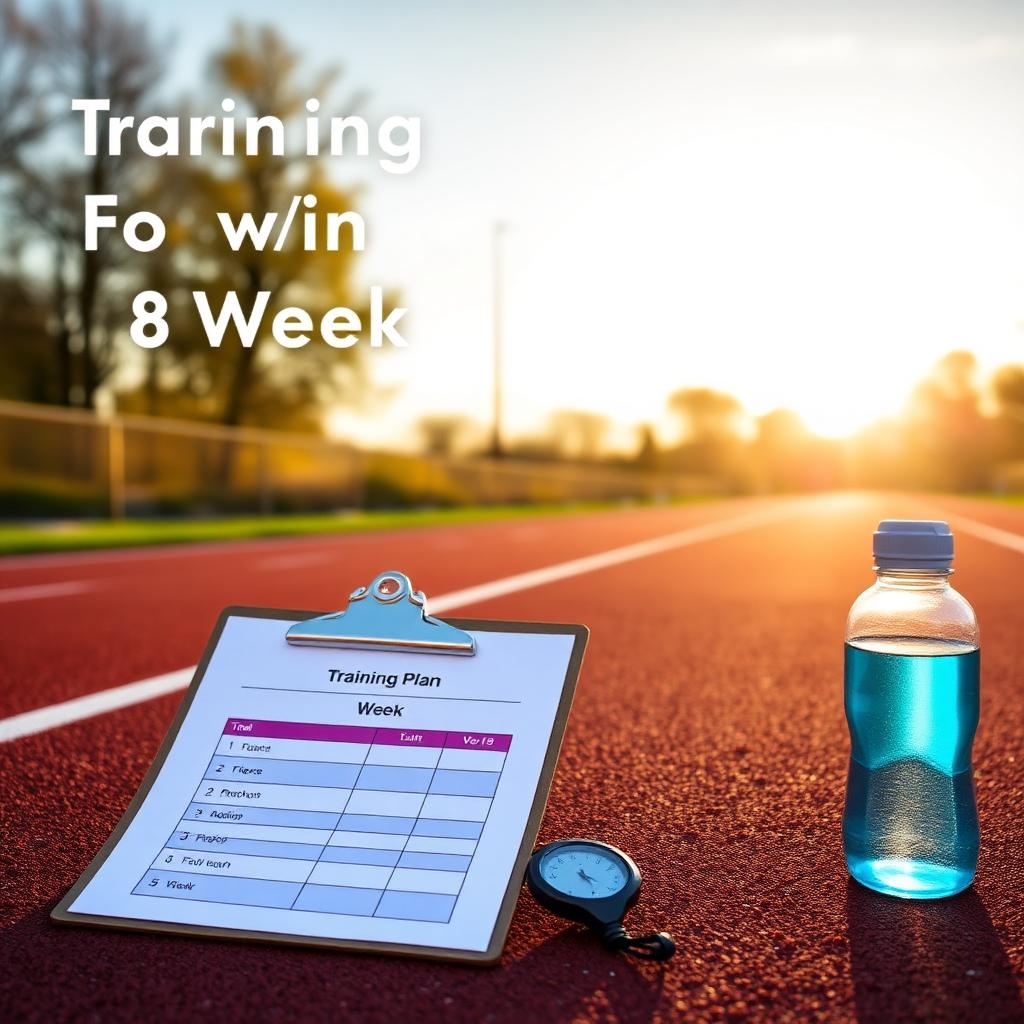
How to Train for a 5K in 8 Weeks
A progressive plan mixing walk-run intervals, easy runs, and rest days prepares most beginners to complete a 5K safely.
For informational purposes only. This article is educational and is not a substitute for professional medical advice, diagnosis, or treatment. Always consult a qualified healthcare provider about anything affecting your health. Read full disclaimer.
Introduction
Embarking on a 5K running journey, particularly with an 8-week training plan, can be a rewarding experience for many individuals. A 5K, equivalent to 3.1 miles or 5 kilometers, is an accessible distance that serves as an excellent goal for new runners or those returning to regular physical activity. This guide outlines a progressive approach, integrating walk-run intervals, easy runs, and crucial rest days, designed to prepare most beginners to safely complete a 5K. The emphasis is on building endurance and fitness incrementally, minimizing the risk of injury, and fostering sustainable exercise habits. Before starting any new exercise regimen, especially if you have underlying health conditions, consulting with a healthcare professional is recommended.
What causes it (evidence-based)
Successfully completing a 5K after 8 weeks of training is the result of physiological adaptations to progressive exercise stimuli. These adaptations are driven by consistent application of training principles that gradually challenge the body, leading to improvements in cardiovascular fitness, muscular endurance, and running economy.
Cardiovascular Adaptations
Regular aerobic exercise, like the running involved in a 5K training plan, induces several significant cardiovascular changes. The heart muscle strengthens, leading to an increased stroke volume – the amount of blood pumped with each beat. This improved efficiency means the heart can deliver more oxygen-rich blood to working muscles with fewer beats, reducing resting heart rate and improving exercise capacity. Capillary density in muscles also increases, enhancing oxygen and nutrient delivery while facilitating waste product removal. Furthermore, blood volume can increase, contributing to better thermoregulation and oxygen transport capacity. These changes are well-documented to improve cardiorespiratory fitness (VO2 max), which denotes the maximum rate of oxygen consumption achievable during maximal exercise, a key indicator of aerobic endurance. (American Heart Association)
Muscular and Skeletal Adaptations
Repetitive impact and muscle contractions during running stimulate various adaptations in the musculoskeletal system. Muscles, particularly in the legs, adapt by becoming more adept at utilizing oxygen and fat for fuel, sparing glycogen stores for higher-intensity efforts. Mitochondria, the "powerhouses" of cells, increase in number and efficiency within muscle fibers, leading to enhanced energy production. Tendons and ligaments, while adapting more slowly than muscles, can strengthen over time, improving stability and resilience. Bone density may also increase in response to weight-bearing exercise, contributing to skeletal health. These adaptations contribute to increased muscular endurance, allowing for sustained running efforts. (National Institutes of Health)
Neurological Adaptations
Beyond the physical changes, the body also undergoes neurological adaptations. Improved coordination and motor control contribute to a more efficient running gait, reducing energy expenditure. The brain's ability to tolerate discomfort and manage fatigue also improves, playing a crucial role in sustained effort during exercise. (National Institutes of Health)
Progressive Overload and Specificity
The "cause" of successful 5K completion stems directly from the principles of progressive overload and specificity. Progressive overload means gradually increasing the demands placed on the body over time – in this context, extending running duration, increasing intensity, or reducing rest periods. Specificity dictates that training should mimic the demands of the desired outcome; thus, running is the primary mode of training for a running event. An 8-week plan carefully introduces these elements, allowing the body sufficient time to adapt without being overwhelmed. Inadequate progression or excessive intensity without sufficient recovery can lead to overtraining or injury, preventing successful completion. (Mayo Clinic)
Symptoms and warning signs
During an 8-week 5K training program, paying close attention to your body's signals is paramount to prevent injury and ensure a successful training experience. While some muscle soreness is normal, certain symptoms indicate that you might be pushing too hard or developing an injury.
Common but Manageable Symptoms
- Mild muscle soreness (DOMS): Delayed onset muscle soreness, usually appearing 24-48 hours after a run, is common, especially at the beginning of a training plan or after increasing intensity. It should be a dull ache, not sharp pain, and should improve with light activity, stretching, and rest.
- Mild fatigue: It's normal to feel somewhat tired, especially as you increase your mileage. However, this should not be debilitating and should improve with a good night's sleep.
Warning Signs Requiring Attention
- Persistent pain: Any pain that lingers for more than a few days, worsens with activity, or doesn't improve with rest. This could indicate a developing overuse injury such as shin splints, runner's knee, or tendinitis.
- Sharp, stabbing, or sudden pain: Immediately stop running if you experience this. This type of pain often signals an acute injury, such as a muscle strain, sprain, or even a stress fracture.
- Pain that alters your gait: If you find yourself changing how you run to avoid pain, this is a clear sign that something is wrong and needs attention.
- Significant joint pain: Persistent pain in your knees, ankles, hips, or lower back, especially if accompanied by swelling or stiffness.
- Unusual swelling or bruising: These are signs of inflammation or injury that warrant immediate investigation.
- Numbness or tingling: This could indicate nerve involvement, which needs prompt medical evaluation.
- Dizziness or lightheadedness: During or after a run, this can be a sign of dehydration, low blood sugar, or underlying cardiovascular issues. Stop immediately, hydrate, and consider seeking medical advice if it persists.
- Excessive fatigue or burnout: Feeling constantly drained, having trouble sleeping, loss of appetite, irritability, or a persistent drop in performance despite adequate rest are signs of overtraining syndrome. This requires significant rest and adjustment of your training plan.
- Difficulty breathing or chest pain: Any chest pain, pressure, severe shortness of breath, or heart palpitations during exercise are serious symptoms that require immediate medical attention. (American Heart Association)
- Frequent colds or infections: Overtraining can suppress the immune system, making you more susceptible to illness.
Listening to your body is a critical skill in endurance training. Differentiating between normal training discomfort and potential injury is essential for safe and effective progression. When in doubt, err on the side of caution and rest or reduce your activity.
When to see a clinician
Knowing when to seek professional medical advice is crucial during your 8-week 5K training plan to ensure your safety and address potential issues promptly. While minor aches and pains are common, certain symptoms warrant a consultation with a healthcare professional.
You should consider seeing a clinician in the following situations:
- Persistent Pain: If you experience pain that lasts for more than a few days, does not improve with rest, ice, compression, and elevation (RICE), or worsens during or after your runs. This includes pain in joints (knees, ankles, hips), muscles, or bones (e.g., shin pain). Persistent pain could indicate an overuse injury such as tendinitis, bursitis, or a stress fracture.
- Sharp, Sudden Pain: If you experience any sudden, sharp, or severe pain during a run, stop immediately. This could signify an acute injury like a muscle strain, sprain, or tear.
- Pain that Changes Your Gait: If you find yourself altering your running form or limping to avoid pain, this is a clear indication that a professional evaluation is needed.
- Swelling, Redness, or Bruising: Any unexplained swelling, redness, warmth, or bruising around a joint or muscle should be assessed, as these are signs of inflammation or injury.
- Numbness or Tingling: If you experience numbness, tingling, or weakness in your extremities, it could indicate nerve compression or damage.
- Symptoms of Overtraining: If you consistently feel excessively fatigued, have difficulty sleeping, experience irritability, have a depressed mood, or notice a persistent decline in performance despite adequate rest and nutrition, these could be signs of overtraining syndrome. A clinician can help differentiate this from other medical conditions and guide recovery.
- Dizziness, Lightheadedness, Fainting: Any episodes of dizziness, lightheadedness, or feeling faint during or after exercise require immediate medical attention, as they could indicate issues with hydration, blood sugar, or cardiovascular health.
- Chest Pain or Difficulty Breathing: Any chest pain, pressure, severe shortness of breath, irregular heartbeats, or significant discomfort in the chest, arm, neck, jaw, or back during physical activity are serious symptoms requiring immediate emergency medical evaluation. (American Heart Association)
- Pre-existing Medical Conditions: If you have any chronic medical conditions (e.g., heart disease, diabetes, asthma, arthritis), or if you are taking medications, it is essential to consult your doctor before starting any new exercise program. Your clinician can advise on appropriate modifications or precautions. (Mayo Clinic)
- Unexplained Weight Loss or Gain: While weight changes can occur with increased exercise, significant and unexplained fluctuations warrant evaluation.
- Fear of Injury or Doubt: If you are unsure whether a symptom is serious or if you are worried about an injury, it's always best to consult a healthcare professional for peace of mind and proper guidance.
A primary care physician, sports medicine doctor, or physical therapist can accurately diagnose your condition, provide appropriate treatment, and offer guidance on modifying your training plan to ensure a safe return to running. Early intervention can often prevent minor issues from becoming more severe and prolonged.
Treatment and management options
Managing symptoms and potential injuries during an 8-week 5K training plan often involves a combination of self-care strategies and, when necessary, professional intervention. The primary goal is to address discomfort, prevent further injury, and support the body's natural healing processes.
Immediate Self-Care for Minor Aches and Pains
For common, mild muscle soreness or minor aches, the RICE protocol (Rest, Ice, Compression, Elevation) is often recommended, particularly in the acute phase (first 24-72 hours) of a new or exacerbated discomfort.
- Rest: Temporarily reduce or stop the activity that causes pain. This doesn't necessarily mean complete bed rest but rather active recovery or cross-training that doesn't aggravate the injury.
- Ice: Apply ice packs to the affected area for 15-20 minutes several times a day to reduce inflammation and pain.
- Compression: Use a bandage or compression sleeve to help reduce swelling.
- Elevation: Elevate the injured area above the level of your heart, if possible, to minimize swelling.
Pain Management
- Over-the-counter pain relievers: Nonsteroidal anti-inflammatory drugs (NSAIDs) like ibuprofen or naproxen can help manage pain and inflammation. However, they should be used cautiously and for short durations, as prolonged use can have side effects. Always consult a pharmacist or clinician regarding appropriate use.
- Topical pain relievers: Creams or gels containing menthol or NSAIDs can provide localized pain relief.
Active Recovery and Flexibility
- Gentle stretching: Light stretching after a run or during rest days can help maintain flexibility and reduce muscle stiffness.
- Foam rolling: Using a foam roller can help release muscle tension and improve tissue mobility.
- Cross-training: Engaging in low-impact activities like swimming, cycling, or elliptical training can maintain cardiovascular fitness while giving running-specific muscles a break. This is particularly useful if a minor injury prevents running.
Injury Prevention and Rehabilitation Strategies
- Gradual progression: Adhere strictly to the progressive nature of the 5K training plan, avoiding sudden increases in mileage or intensity. This is a fundamental principle of injury prevention.
- Proper footwear: Invest in well-fitting running shoes that are appropriate for your foot type and gait. Replace shoes every 300-500 miles or so, as their cushioning and support degrade.
- Strength training: Incorporating strength exercises, particularly for core, glutes, and hips, can improve stability, running mechanics, and reduce injury risk. (Mayo Clinic)
- Warm-up and cool-down: Always begin runs with a dynamic warm-up (e.g., leg swings, walking lunges) and finish with a cool-down involving light jogging and static stretches.
- Listen to your body: Pay attention to pain signals and take extra rest days or reduce intensity when needed. Pushing through significant pain can exacerbate injuries.
- Hydration and nutrition: Adequate hydration and a balanced diet support muscle repair and overall recovery.
Professional Interventions
If self-care measures are insufficient or if you experience any of the warning signs discussed previously, professional help is necessary.
- Primary Care Physician: Can diagnose general medical conditions, refer to specialists, and manage medication.
- Sports Medicine Physician: Specializes in the diagnosis and treatment of musculoskeletal injuries related to physical activity. They can offer advanced diagnostics (X-rays, MRI), injections, and medical management.
- Physical Therapist: Crucial for rehabilitation. A physical therapist can assess gait, identify muscle imbalances, provide targeted exercises to strengthen weak areas and improve flexibility, and develop a structured return-to-running plan. They also educate on proper form and injury prevention. (NIH)
- Podiatrist: For foot and ankle-specific issues that may affect running.
- Registered Dietitian: Can advise on optimal nutrition for training and recovery.
The overarching principle in treatment and management is proactive self-care combined with timely professional guidance to ensure a safe, effective, and enjoyable journey to completing your 5K.
Prevention and daily habits
Preventing injuries and maintaining overall well-being are paramount for a successful and enjoyable 8-week 5K training program. Integrating specific daily habits and preventive measures can significantly reduce the risk of setbacks and optimize performance.
Structured Training Progression
- Follow a Plan: Adhere to a well-structured, progressive training plan that gradually increases mileage and intensity. Avoid the temptation to do "too much too soon." A common guideline is the "10% rule," suggesting not to increase your weekly mileage by more than 10% each week.
- Include Rest Days: Rest days are not optional; they are critical for recovery and adaptation. Muscles repair and strengthen during rest. Schedule at least one to two full rest days per week, and incorporate active recovery days (e.g., light walking) on others.
- Varied Workouts: Incorporate a mix of walk-run intervals, easy conversational pace runs, and, if appropriate for advanced beginners, some very short, controlled speed work (e.g., strides at the end of an easy run). Avoid running hard every day.
Proper Equipment
- Appropriate Footwear: Invest in quality running shoes that are suitable for your foot mechanics (e.g., pronation, arch type) and replace them regularly (typically every 300-500 miles, or every 3-6 months depending on mileage and terrain). Worn-out shoes lose their cushioning and support, increasing injury risk.
- Comfortable Apparel: Wear moisture-wicking clothing to stay comfortable and prevent chafing.
Warm-up and Cool-down Routines
- Dynamic Warm-up: Before each run, perform 5-10 minutes of dynamic stretches (e.g., leg swings, walking lunges, high knees, butt kicks) to prepare your muscles and joints for activity.
- Static Cool-down: After each run, spend 5-10 minutes on static stretches, holding each stretch for 20-30 seconds, focusing on major muscle groups used in running (hamstrings, quadriceps, calves, hips).
Nutrition and Hydration
- Balanced Diet: Consume a balanced diet rich in whole foods, including complex carbohydrates for energy, lean protein for muscle repair, and healthy fats.
- Adequate Hydration: Drink plenty of water throughout the day, not just around your runs. Dehydration can impair performance and increase the risk of heat-related illness. Carry water for longer runs, especially in warm weather. (CDC)
- Fueling Runs: For most 5K training runs (under 60 minutes), water is sufficient. For longer runs within the 8-week plan, consider small amounts of easily digestible carbohydrates if needed.
Strength, Flexibility, and Mobility
- Strength Training: Incorporate 2-3 sessions of full-body strength training per week, focusing on core strength, glutes, hips, and legs. This improves running economy, reduces muscle imbalances, and strengthens supporting structures, significantly lowering injury risk. (Mayo Clinic)
- Flexibility and Mobility: Beyond post-run static stretching, consider incorporating activities like yoga or Pilates to improve overall flexibility and joint mobility.
- Foam Rolling/Self-Massage: Regularly use a foam roller or massage ball to address muscle tightness and trigger points, especially in the calves, hamstrings, quadriceps, and glutes.
Lifestyle Factors
- Adequate Sleep: Aim for 7-9 hours of quality sleep per night. Sleep is when the body repairs and rebuilds.
- Stress Management: High stress levels can impact recovery and increase perceived effort. Incorporate stress-reducing activities like meditation, deep breathing, or hobbies.
- Listen to Your Body: This is perhaps the most critical habit. Learn to differentiate between normal muscle fatigue and pain that signifies injury. Don't be afraid to take an unscheduled rest day or shorten a run if your body is sending strong signals.
By consistently applying these preventive measures and daily habits, individuals can enhance their training experience, reduce the likelihood of injuries, and successfully complete their 8-week 5K journey. (NIH)
Frequently asked questions (5 Q&A H3 blocks — for FAQ schema)
How often should I run when training for a 5K?
Most 8-week 5K training plans recommend running 3-4 times per week. This frequency allows for adequate physiological adaptation while providing sufficient rest and recovery days, which are crucial for preventing overuse injuries and allowing muscles to repair and strengthen.
Do I need special equipment to train for a 5K?
The most crucial piece of equipment is a good pair of running shoes that fit well and are appropriate for your foot type and gait. Beyond that, comfortable, moisture-wicking athletic clothing is beneficial. A GPS watch or smartphone app can be helpful for tracking distance and pace, but it is not strictly necessary.
What should I eat before and after my runs?
Before a run, especially longer training sessions, a small, easily digestible snack rich in carbohydrates (e.g., a banana, toast) about 30-60 minutes prior can provide energy. After a run, focus on a balanced meal containing carbohydrates for glycogen replenishment and protein for muscle repair, consumed within an hour or two. Maintaining overall consistent hydration throughout the day is consistently recommended.
Is it okay to walk during my 5K training runs?
Absolutely. Many beginner 5K plans effectively utilize walk-run intervals to gradually build endurance and minimize injury risk. Walking is an integral part of the training process, allowing your body to adapt progressively to running demands. Even during the actual 5K event, many participants incorporate walking as needed.
What if I miss a training day or a week?
If you miss a single training day, you can generally resume the plan where you left off or slightly adjust the subsequent runs. If you miss several days or a full week due to illness, injury, or other commitments, it's often best to repeat the previous week of training or ease back into the plan more gradually to avoid overdoing it and risking injury. Listen to your body and don't try to "make up" for lost time by dramatically increasing mileage.
Key takeaways
- An 8-week 5K training plan for beginners primarily utilizes a progressive approach, combining walk-run intervals with easy runs and essential rest days.
- Progressive training fosters cardiovascular, muscular, and neurological adaptations, improving aerobic capacity, muscular endurance, and running efficiency.
- Listen to your body: Distinguish between normal muscle soreness and warning signs like persistent, sharp pain, swelling, or changes in gait, which warrant attention and potential medical consultation.
- Seek professional medical advice for persistent pain, acute injuries, significant systemic symptoms (e.g., chest pain, dizziness), or if you have pre-existing health conditions.
- Treatment and management involve self-care (RICE, pain relievers, active recovery) for minor issues, and professional intervention (sports medicine doctor, physical therapist) for more significant injuries.
- Injury prevention is rooted in daily habits: proper training progression (e.g., 10% rule), appropriate footwear, consistent warm-ups and cool-downs, core strength training, adequate nutrition, hydration, and sufficient sleep.
- Consistency, patience, and mindful adaptation are more effective than aggressive, high-intensity approaches in safely achieving your 5K goal.
Sources
- American Heart Association: www.heart.org
- Centers for Disease Control and Prevention (CDC): www.cdc.gov
- Mayo Clinic: www.mayoclinic.org
- National Institutes of Health (NIH): www.nih.gov
Important Note: This information is for general knowledge and informational purposes only, and does not constitute medical advice. It is essential to consult with a qualified healthcare professional before starting any new exercise program or if you have any medical concerns.
Related reading
- How to Progress Safely in the Gym — Progressive overload — small, consistent increases in volume, intensity, or difficulty — drives adaptation without injur…
- Rest Days: Why Recovery Grows Muscle — Muscle grows during recovery, not the workout itself. Sleep, protein, and rest days are non-negotiable for progress.
- HIIT for Beginners: A Safe Starter Plan — HIIT alternates short bursts of effort with recovery. Research shows it improves VO2 max, insulin sensitivity, and cardi…
- Meal Planning for Busy Weeks — A simple weekly plan, batch cooking, and flexible components make healthy eating sustainable.
- The Science of Recovery — Discover the scientific principles behind effective recovery from exercise and optimize your fitness journey. This artic…
Written by
Health Hub Pro Editorial
Health writer at Health Hub Pro, focused on evidence-based, Sharia-conscious wellness.
View author profile →Medically reviewed by
Dr. A. Rahman, MD
Board-certified in Internal Medicine
Last reviewed on