Vaccination Across Adulthood: Boosters and Travel Protection
A practical, evidence-informed guide to adult vaccinations — what matters, what works, common mistakes, and when to consult a professional.
For informational purposes only. This article is educational and is not a substitute for professional medical advice, diagnosis, or treatment. Always consult a qualified healthcare provider about anything affecting your health. Read full disclaimer.
Vaccination Across Adulthood: Boosters and Travel Protection
(Not medical or veterinary advice — consult a qualified clinician or veterinarian for personal guidance.)
Introduction
Vaccination is a cornerstone of public health, traditionally associated with childhood. However, its importance extends far beyond these early years, playing a crucial role in maintaining health throughout adulthood. As individuals age, immunity acquired from childhood vaccinations can wane, and new health risks emerge, making adult vaccination and booster shots vital for continued protection. Furthermore, global travel introduces exposure to pathogens less common in one's home environment, necessitating specific travel vaccinations.
This article explores the landscape of adult vaccination, including routine boosters and specialized travel immunizations. It aims to provide an evidence-informed overview of why these protective measures are essential, practical habits to maintain vaccination status, common pitfalls to avoid, and guidance on when to seek professional medical advice. Understanding and adhering to recommended vaccination schedules can contribute significantly to individual well-being and community health.
Why this matters
The significance of vaccination across adulthood cannot be overstated, touching upon individual health, public health, and global travel safety.
From an individual perspective, vaccination provides direct protection against serious and potentially life-threatening diseases. Many infections, such as influenza, tetanus, diphtheria, pertussis (whooping cough), measles, mumps, rubella, and various forms of hepatitis, can lead to severe illness, complications, long-term disability, or even mortality in adults. While some diseases might be perceived as mild in children, their impact on adults can be considerably more severe due to factors like age, underlying health conditions, and waning immunity. For instance, influenza can cause severe respiratory complications, especially in older adults or those with chronic medical conditions. Tetanus, though rare, is often fatal. Pertussis can be particularly dangerous for vulnerable populations, including infants, if adults around them are not vaccinated.
Beyond direct protection, adult vaccination contributes to community immunity, also known as herd immunity. When a significant portion of the population is immune to a disease, it reduces the likelihood of outbreaks and protects those who cannot be vaccinated, such as infants, pregnant individuals, or individuals with compromised immune systems. This collective shield is a vital aspect of public health, preventing the spread of infectious diseases.
Moreover, certain life stages and circumstances necessitate specific vaccination considerations. For instance, pregnant individuals may require vaccinations like the Tdap (tetanus, diphtheria, acellular pertussis) vaccine to protect both themselves and their newborn from pertussis. Healthcare workers, due to their exposure to various pathogens, often require additional immunizations, such as for hepatitis B and measles, mumps, and rubella (MMR). Older adults, whose immune systems naturally weaken with age, benefit from vaccines against pneumococcal disease and shingles (herpes zoster).
Travel presents another critical dimension. As international travel becomes more common, individuals are exposed to pathogens not prevalent in their home countries. Diseases like yellow fever, typhoid, Japanese encephalitis, and malaria (for which there are vaccines in some regions) can pose significant health risks to travelers. Pre-travel consultations and appropriate vaccinations are essential for safe and healthy journeys, protecting travelers and preventing the reintroduction of diseases into their home communities upon return.
In summary, maintaining an up-to-date vaccination status throughout adulthood is not merely a personal health choice; it is a responsibility that benefits oneself, one's family, and the wider community, fostering resilience against infectious diseases in an increasingly interconnected world.
Key principles (evidence-informed)
The foundation of adult vaccination recommendations rests on several key evidence-informed principles, guided by extensive research and epidemiological data from organizations such as the World Health Organization (WHO), the Centers for Disease Control and Prevention (CDC), and the National Health Service (NHS).
1. Lifelong Immunity Maintenance: Many childhood vaccines do not confer lifelong immunity. Over time, the protective antibodies produced by the immune system can decrease, leaving adults susceptible to diseases they were once protected against. This necessitates booster doses. For example, the tetanus and diphtheria components of the Tdap or Td vaccine require boosters every 10 years to maintain effective protection. The measles, mumps, and rubella (MMR) vaccine, while offering long-lasting immunity for most, may sometimes require a second dose in adulthood if only one dose was received in childhood or if there's an outbreak risk.
2. Age-Specific Vulnerabilities: As individuals age, their immune systems can become less effective, a process known as immunosenescence. This makes older adults more vulnerable to severe outcomes from infections. Consequently, specific vaccines are recommended for older populations, such as the influenza vaccine annually and vaccines against pneumococcal disease and shingles. These vaccines are designed to bolster protection against pathogens that pose a higher risk or cause more severe disease in older individuals. (Refer to CDC and NHS guidelines on adult immunization schedules).
3. Risk-Based Vaccination: Vaccination recommendations are often tailored to an individual's specific risk factors, which can include occupational exposures, underlying medical conditions, lifestyle choices, and travel plans. * Occupational Risk: Healthcare workers, laboratory personnel, and those working with animals may require additional vaccinations (e.g., Hepatitis B, rabies, MMR) due to increased exposure risks. (Refer to WHO and CDC guidelines for healthcare personnel). * Medical Conditions: Individuals with chronic illnesses (e.g., diabetes, heart disease, lung disease, kidney disease) or compromised immune systems (e.g., due to HIV, cancer treatment, or organ transplantation) may have different vaccination needs and schedules. They are often at higher risk of complications from vaccine-preventable diseases. (Refer to NIH and CDC guidelines for immunocompromised individuals). * Lifestyle: Certain lifestyle factors might increase risk, for example, meningococcal vaccines for college students living in dormitories or individuals with certain travel plans. * Pregnancy: Pregnant individuals are advised to receive certain vaccines (e.g., Tdap) to protect themselves and their newborns. (Refer to CDC guidelines for vaccination during pregnancy).
4. Travel Health Considerations: International travel exposes individuals to diseases that may be uncommon or non-existent in their home country. Travel vaccines are crucial for preventing the importation of these diseases and protecting the traveler. * Required Vaccines: Some countries require proof of vaccination for entry (e.g., yellow fever for travel to certain parts of Africa and South America, as per WHO International Health Regulations). * Recommended Vaccines: Other vaccines are recommended based on the destination, itinerary, duration of stay, and activities planned (e.g., typhoid, hepatitis A, Japanese encephalitis, rabies, polio). (Refer to WHO and CDC travel health recommendations).
5. Evolving Disease Epidemiology: The prevalence and characteristics of infectious diseases can change over time, influencing vaccination strategies. For example, annual influenza vaccination is necessary due to the constant evolution of influenza viruses. The development of new vaccines or updated formulations (e.g., for shingles or pneumococcal disease) also reflects ongoing efforts to improve protection against existing threats.
6. Safety and Efficacy: All vaccines recommended for adults undergo rigorous testing for safety and efficacy before approval by regulatory bodies. Ongoing surveillance monitors their performance and any potential adverse events. The benefits of vaccination in preventing disease and its complications consistently outweigh the small risks of adverse reactions. (Refer to CDC and NHS information on vaccine safety).
These principles collectively ensure that adult vaccination recommendations are dynamic, responsive to individual and public health needs, and grounded in robust scientific evidence. Regular consultation with healthcare professionals helps individuals maintain an optimal vaccination status throughout their lives.
Practical daily habits
Integrating vaccination awareness into daily life and healthcare routines is crucial for maintaining optimal protection throughout adulthood. Here are some practical habits to adopt:
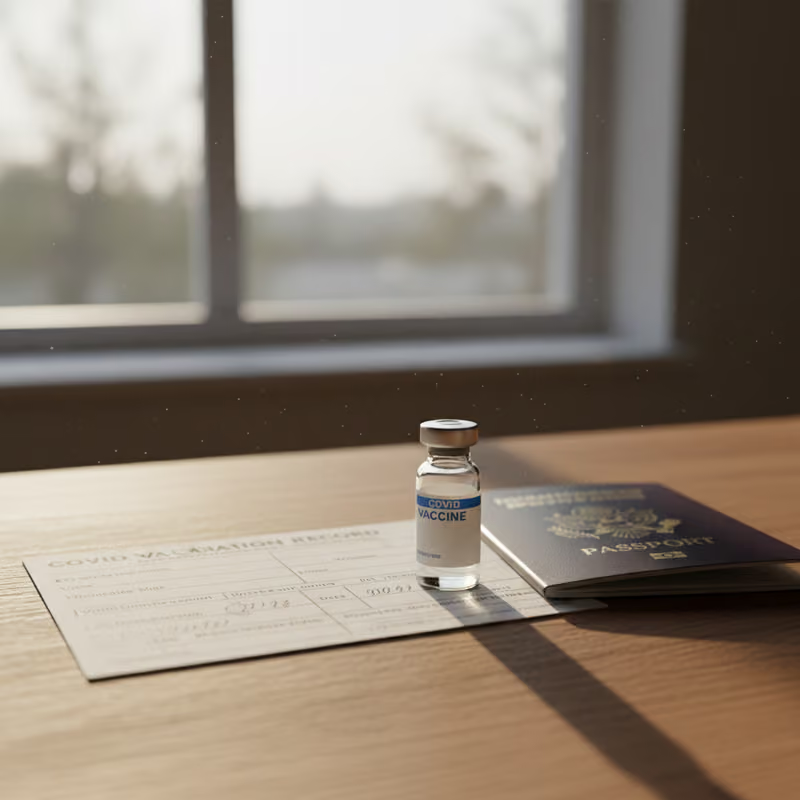
1. Keep an Up-to-Date Vaccination Record: This is arguably the most important habit. Maintain a physical or digital record of all your vaccinations, including dates received. This record should ideally cover childhood vaccinations as well. Many healthcare providers offer digital portals, or you can use official apps or paper records. This record will be invaluable when consulting a healthcare professional, especially when changing providers, traveling, or assessing booster needs.
2. Schedule Regular Medical Check-ups: Use your annual or periodic check-ups with a healthcare professional as an opportunity to review your vaccination status. Healthcare providers can access national or local immunization registries (where available) and can provide personalized advice based on your age, health history, lifestyle, and upcoming travel plans.
3. Stay Informed About Recommended Vaccines: Familiarize yourself with the general adult vaccination schedule recommended by public health authorities in your region (e.g., CDC in the US, NHS in the UK). While personalized advice is key, knowing the standard recommendations for different age groups and risk factors can empower you to ask informed questions during consultations.
4. Prioritize Annual Flu Shots: Make getting an annual influenza vaccine a non-negotiable part of your autumn or winter routine. Flu viruses change regularly, so yearly vaccination is necessary to ensure protection against the most prevalent strains.
5. Consider Tetanus, Diphtheria, and Pertussis (Tdap/Td) Boosters: Tetanus and diphtheria boosters (Td) are generally recommended every 10 years. If you haven't received a Tdap (which includes pertussis protection) as an adult, especially if you are around infants or pregnant individuals, discuss this with your healthcare provider.
6. Discuss Travel Plans Early: If you plan international travel, especially to regions with specific disease risks, consult a travel health clinic or your healthcare provider well in advance, ideally 4-6 weeks before departure. This allows sufficient time for vaccines to become effective and for multi-dose vaccines to be completed. Be prepared to discuss your itinerary, activities, and medical history.
7. Be Proactive About Age-Specific Vaccines: As you approach certain age milestones, research and discuss relevant vaccines with your healthcare provider. For instance, individuals typically over 50 or 60 years old should discuss shingles and pneumococcal vaccines.
8. Understand Your Occupational or Lifestyle Risks: If your work or hobbies expose you to specific pathogens (e.g., healthcare, veterinary work, laboratory work, animal handling, or outdoor activities in tick-prone areas), discuss specific vaccinations or preventive measures with your healthcare provider.
9. Be Mindful of Underlying Health Conditions: If you have chronic health issues (e.g., diabetes, asthma, heart disease, kidney disease) or are immunocompromised, you may have different or additional vaccination needs. Ensure your specialists and primary care provider are aware of your vaccination status and recommendations.
10. Educate Family Members: Encourage family members, particularly parents, caregivers, and older adults, to also keep their vaccinations up to date. This creates a protective shield for everyone, especially for the most vulnerable members of the family.
By adopting these habits, individuals can play an active role in maintaining their immunity, protecting themselves from preventable diseases, and contributing to the health of their communities.
Common mistakes to avoid
Navigating adult vaccination can sometimes lead to misunderstandings or missed opportunities. Avoiding these common mistakes can help ensure continuous protection:
1. Assuming Childhood Vaccinations Provide Lifelong Protection: This is a prevalent misconception. While many childhood vaccines offer long-term immunity, others require booster doses in adulthood (e.g., tetanus, diphtheria, pertussis) or new vaccines become relevant with age (e.g., shingles, pneumococcal). Failing to recognize the need for adult boosters can leave individuals vulnerable to diseases they thought they were protected against.
2. Neglecting Annual Influenza Vaccination: Some individuals mistakenly believe the flu vaccine is unnecessary, ineffective, or causes the flu. The influenza virus constantly mutates, requiring annual vaccination with updated strains to maintain protection. While it doesn't guarantee absolute immunity, it significantly reduces the risk of severe illness, hospitalization, and death. Skipping the annual flu shot is a missed opportunity for protection.
3. Delaying Travel Vaccine Consultations: Waiting until the last minute before travel to inquire about vaccines is a common error. Many travel vaccines require several weeks or even months to be fully effective, especially those requiring multiple doses. Some vaccines also have mild side effects that are best experienced before the trip. Consulting a travel clinic or healthcare provider at least 4-6 weeks, or even earlier, before departure is ideal.
4. Relying on Anecdotal Information or Misinformation: In the age of digital information, it's easy to encounter misleading or false claims about vaccines. Relying on unverified sources, social media, or personal opinions rather than evidence-based information from reputable health organizations (like WHO, CDC, NHS) can lead to poor health decisions. Always cross-reference information with trusted medical authorities.
5. Forgetting to Update Vaccination Records: Without a personal record, it can be challenging for both individuals and their healthcare providers to determine which vaccines are needed. This can lead to unnecessary revaccination or, more commonly, missed vaccinations. Regularly updating and maintaining a record, or using digital health portals, is essential.
6. Not Disclosing Full Medical History: When discussing vaccinations, individuals sometimes forget to mention certain health conditions, medications (especially immunosuppressants), allergies, or previous vaccine reactions. This information is critical for healthcare providers to safely recommend appropriate vaccines or identify contraindications.
7. Overlooking Vaccinations for Specific Life Stages or Conditions: Individuals may not be aware of vaccine recommendations pertinent to pregnancy (e.g., Tdap), chronic illnesses (e.g., pneumococcal for those with diabetes or lung disease), or occupational risks (e.g., Hepatitis B for healthcare workers). Assuming a "one-size-fits-all" approach to vaccination is a mistake.
8. Confusing Vaccine Side Effects with the Disease: Mild side effects, such as a sore arm, low-grade fever, or body aches, are common after vaccination and indicate the immune system is building protection. Mistaking these temporary reactions for the actual disease can lead to vaccine hesitancy. It's important to understand that vaccines contain weakened or inactivated virus components, or genetic material that trains the immune system, but they generally cannot cause the disease they protect against.
9. Assuming Others' Immunity Protects You: While herd immunity is a powerful concept, it doesn't negate the importance of individual vaccination. Relying solely on the immunity of those around you (free-riding) leaves you personally vulnerable and weakens the overall community protection, especially as immunity levels in the population fluctuate.
10. Postponing Vaccinations Without Valid Medical Reasons: Sometimes, people simply delay vaccinations due to inconvenience or a lack of perceived urgency. This procrastination can leave periods of vulnerability, especially if an outbreak occurs or travel plans materialize unexpectedly.
By being aware of these common pitfalls and actively engaging with healthcare providers based on evidence-informed guidance, adults can optimize their protection against a wide range of preventable diseases.
When to see a professional
Consulting a healthcare professional for vaccination advice is essential at various junctures throughout adulthood. These consultations ensure that vaccination plans are tailored to individual health needs, circumstances, and exposure risks.
1. For Routine Check-ups and Preventative Care: Every adult should discuss their vaccination status during their annual or periodic medical check-ups. This is a primary opportunity for your healthcare provider to review your medical history, assess current recommendations based on age and general health, and update any necessary boosters (e.g., Tdap/Td, flu, pneumococcal, shingles). They can also access immunization registries to confirm past vaccination history.
2. Before Planning Any International Travel: This is a crucial time to see a healthcare professional, ideally a travel health specialist. * Timing: Consult at least 4-6 weeks before departure, and even earlier (up to 6 months) for complex itineraries, extensive stays, or travel to remote areas. Some vaccines require multiple doses over several weeks to be fully effective. * Purpose: Discuss your specific itinerary, the duration of your trip, planned activities (e.g., hiking, visiting rural areas, interacting with animals), and any underlying health conditions. Your provider will then recommend necessary or required vaccines (e.g., yellow fever, typhoid, hepatitis A, Japanese encephalitis, rabies, polio) and other preventive measures.
3. If You Have Chronic Health Conditions: Individuals with chronic illnesses such as diabetes, heart disease, lung disease (e.g., asthma, COPD), kidney disease, liver disease, or HIV, or those undergoing treatments that suppress the immune system (e.g., chemotherapy, high-dose steroids, organ transplant recipients), have unique vaccination needs. Consult your primary care provider or specialist to ensure you receive all recommended vaccinations to protect against increased risks of complications from infections.
4. During Pregnancy or While Planning Pregnancy: If you are pregnant or considering becoming pregnant, discuss your vaccination status with your healthcare provider. Certain vaccines (e.g., Tdap) are specifically recommended during pregnancy to protect both the pregnant individual and the newborn. Others may need to be administered before conception.
5. For Occupational Exposure Risks: If your profession involves exposure to infectious agents (e.g., healthcare workers, laboratory personnel, veterinarians, animal handlers, waste management workers), consult your occupational health department or primary care provider. They can advise on specific vaccines like Hepatitis B, MMR, influenza, or rabies.
6. Following Injury or Exposure to Certain Pathogens: * Puncture wounds or animal bites: Promptly seek medical attention. You may need a tetanus booster or rabies prophylaxis, depending on the nature of the injury and the animal involved. * Potential exposure to measles, mumps, rubella, or hepatitis: If you believe you’ve been exposed and are unsure of your immunity, consult a healthcare provider immediately.
7. If You've Lost Your Vaccination Records: If you cannot find your vaccination records, a healthcare professional can help reconstruct your immunization history through medical records, contacting previous providers, or, if necessary, performing blood tests to check for immunity to certain diseases. They can then recommend any necessary catch-up vaccinations.
8. When Experiencing Significant Immunosuppression: If you are newly diagnosed with a condition that compromises your immune system, or if you begin a new medication that suppresses immunity, consult your doctor. Your vaccination schedule may need to be adjusted, and certain live vaccines might be contraindicated.
9. If You Are a College Student or Living in Congregate Settings: Individuals living in dormitories or other close quarters may be at higher risk for certain infections, such as meningococcal disease. Discuss relevant vaccinations with a healthcare professional before moving into such settings.
In all these scenarios, a professional medical assessment ensures that vaccinations are administered safely, effectively, and in accordance with the latest public health guidelines, maximizing protection for the individual and the community.
Frequently asked questions
Q1: What is the difference between a vaccine and a booster shot?
A vaccine is the initial dose (or series of doses) designed to introduce your immune system to a specific pathogen and build primary immunity. A booster shot is an additional dose of a vaccine given after the initial vaccination to "boost" the immune response, which may have waned over time, or to improve the breadth of protection. Boosters help maintain long-term immunity against diseases like tetanus, diphtheria, and pertussis, and may be required for others like the MMR or COVID-19 vaccines depending on individual circumstances and public health recommendations.
Q2: Why do I need adult vaccinations if I was vaccinated as a child?
Childhood vaccinations provide essential foundational immunity. However, immunity from some vaccines can decrease over time, leaving adults vulnerable to diseases like tetanus and diphtheria, which require periodic boosters. Additionally, new vaccines have been developed since your childhood (e.g., for shingles, certain pneumococcal strains), and certain life stages (like pregnancy) or health conditions may introduce new risks, necessitating specific adult vaccinations. Annual vaccines like the flu shot are also crucial because viruses evolve.
Q3: How far in advance should I get travel vaccines before an international trip?
It is generally recommended to consult a travel health clinic or your healthcare provider at least 4 to 6 weeks before your international trip. For some vaccines, especially those requiring multiple doses (e.g., Japanese encephalitis, Hepatitis B) or for complex itineraries to remote areas, you might need to start even earlier, up to 6 months in advance. This timeframe allows sufficient time for the vaccines to become effective and for any multi-dose series to be completed.
Q4: Can I get multiple vaccines at once?
In many cases, yes, it is safe and effective to receive several vaccines during the same visit. Co-administration of multiple vaccines typically does not overwhelm the immune system or increase the risk of adverse reactions. This approach is often recommended by health authorities to ensure timely protection and reduce the number of clinic visits. Your healthcare provider will assess your individual needs and the compatibility of different vaccines to determine the most appropriate schedule for you.
Q5: What should I do if I can't find my vaccination records?
If you cannot locate your vaccination records, start by contacting your previous healthcare providers or the health department in the area where you lived as a child or received past vaccinations. Many regions have immunization registries that may have a record of your vaccinations. If records cannot be found, your healthcare provider may suggest blood tests to check for immunity to certain diseases or recommend a re-vaccination schedule based on current guidelines to ensure you are adequately protected.
Key takeaways
- Lifelong Protection: Vaccination is not just for childhood; it's a lifelong commitment to maintaining health. Immunity can wane, requiring booster shots throughout adulthood.
- Age and Risk Factors Matter: Vaccination needs evolve with age, health conditions, lifestyle, and occupational exposures. Tailored advice from a healthcare professional is crucial.
- Travel Smart: International travel introduces new health risks. Plan travel vaccine consultations well in advance to ensure adequate protection before departure.
- Stay Informed and Organized: Keep accurate vaccination records and stay informed about recommended schedules from reputable health organizations.
- Consult Professionals: Always consult a qualified healthcare provider for personalized vaccination advice, especially before travel, if you have chronic conditions, or if you are pregnant. Avoid misinformation and rely on evidence-based guidance.
- Community Health: Staying up-to-date with your vaccinations not only protects you but also contributes to herd immunity, safeguarding vulnerable members of the community.
Related reading
Keep exploring this topic with our related, evidence-reviewed guides:
- Adult Vaccine Schedule Overview — Adults benefit from flu, Tdap, shingles, pneumococcal, and other vaccines. Talk with your clinician.
- Bone Density and Osteoporosis Prevention — Weight-bearing exercise, adequate protein, calcium, and vitamin D support lifelong bone strength.
- Hearing Health: Prevention and Screening — Noise-induced hearing loss is preventable. Volume limits and hearing protection make a lifelong difference.
- Building Healthy Friendships in Adulthood — Adult friendships require intention. Regular contact and shared activities predict long-term wellbeing.
- Animal Vaccination Science: How Herd Immunity Protects Livestock — A practical, evidence-informed guide to livestock vaccination — what matters, what works, common mistakes, and when to consult a p…
- Cat Vaccination and Deworming Timelines Explained — A practical, evidence-informed guide to cat vaccination schedule — what matters, what works, common mistakes, and when to consult …
Sources
- World Health Organization (WHO)
- Centers for Disease Control and Prevention (CDC)
- National Institutes of Health (NIH)
- National Health Service (NHS)
- Cochrane Library
- Mayo Clinic
Sources
Evidence & citations
- Every claim in this preventive care guide is backed by primary data — browse the preventive care and screening statistics in our sourced statistics library.
- Writing about this topic? Researchers, journalists and educators can cite our preventive care guidance with ready-made APA, MLA and Chicago references.
My notes on this one
The short version of 16 minutes of reading — what stuck with me while writing “Vaccination Across Adulthood: Boosters and Travel Protection”, what the sources back up, and what I'd actually do about it.
What I'd take away
01 · Why this matters
When a significant portion of the population is immune to a disease, it reduces the likelihood of outbreaks and protects those who cannot be vaccinated, such as infants, pregnant individuals…
02 · Key principles
For example, the tetanus and diphtheria components of the Tdap or Td vaccine require boosters every 10 years to maintain effective protection.
03 · Practical daily habits
Discuss Travel Plans Early: If you plan international travel, especially to regions with specific disease risks, consult a travel health clinic or your healthcare provider well in advance…
04 · Common mistakes to avoid
Consulting a travel clinic or healthcare provider at least 4-6 weeks, or even earlier, before departure is ideal.
What the sources I read actually say
In summary, maintaining an up-to-date vaccination status throughout adulthood is not merely a personal health choice; it is a responsibility that benefits oneself, one's family…
World Health OrganizationFrom an individual perspective, vaccination provides direct protection against serious and potentially life-threatening diseases.
Centers for Disease Control and PreventionHealthcare providers can access national or local immunization registries (where available) and can provide personalized advice based on your age, health history, lifestyle, and upcoming travel plans.
National Institutes of Health
If you only do one thing this week
- Keep an Up-to-Date Vaccination Record: This is arguably the most important habit.
- Schedule Regular Medical Check-ups: Use your annual or periodic check-ups with a healthcare professional as an opportunity to review your vaccination status.
- Prioritize Annual Flu Shots: Make getting an annual influenza vaccine a non-negotiable part of your autumn or winter routine.
- Consider Tetanus, Diphtheria, and Pertussis (Tdap/Td) Boosters: Tetanus and diphtheria boosters (Td) are generally recommended every 10 years.
- For instance, individuals typically over 50 or 60 years old should discuss shingles and pneumococcal vaccines.
Pick the one that fits your week. None of this replaces advice from a clinician who can actually examine you.
Questions I kept coming back to
What is the difference between a vaccine and a booster shot?+
A vaccine is the initial dose (or series of doses) designed to introduce your immune system to a specific pathogen and build primary immunity. A booster shot is an additional dose of a vaccine given after the initial vaccination to "boost" the immune response, which may have waned over time, or to improve the breadth of protection. Boosters help maintain long-term immunity against diseases like tetanus, diphtheria…
Why do I need adult vaccinations if I was vaccinated as a child?+
Childhood vaccinations provide essential foundational immunity. However, immunity from some vaccines can decrease over time, leaving adults vulnerable to diseases like tetanus and diphtheria, which require periodic boosters. Additionally, new vaccines have been developed since your childhood (e.g., for shingles, certain pneumococcal strains)…
How far in advance should I get travel vaccines before an international trip?+
It is generally recommended to consult a travel health clinic or your healthcare provider at least 4 to 6 weeks before your international trip. For some vaccines, especially those requiring multiple doses (e.g., Japanese encephalitis, Hepatitis B) or for complex itineraries to remote areas, you might need to start even earlier, up to 6 months in advance…
Can I get multiple vaccines at once?+
In many cases, yes, it is safe and effective to receive several vaccines during the same visit. Co-administration of multiple vaccines typically does not overwhelm the immune system or increase the risk of adverse reactions. This approach is often recommended by health authorities to ensure timely protection and reduce the number of clinic visits…
What should I do if I can't find my vaccination records?+
If you cannot locate your vaccination records, start by contacting your previous healthcare providers or the health department in the area where you lived as a child or received past vaccinations. Many regions have immunization registries that may have a record of your vaccinations. If records cannot be found…
Was this article helpful?
Be the first to rate this article.
Written by
FaizRuh
I write Health Hub Pro on my own — no clinical licence, no anonymous review panel. Just the published guidance, read carefully and explained plainly.
More about me →How this page was checked
Every claim above is checked against the sources listed at the bottom of this article — WHO, CDC, NIH, NHS, Cochrane and major clinical guidelines. Drafting is AI-assisted; the editing, fact-checking and final wording are mine. It's information, not medical advice. Spotted an error? Tell me and I'll fix it.
Last checked on