Acupuncture Explained: What the Evidence Says About Pain
A practical, evidence-informed guide to acupuncture benefits — what matters, what works, common mistakes, and when to consult a professional.
For informational purposes only. This article is educational and is not a substitute for professional medical advice, diagnosis, or treatment. Always consult a qualified healthcare provider about anything affecting your health. Read full disclaimer.
Acupuncture Explained: What the Evidence Says About Pain, Sleep, and Stress
(Not medical or veterinary advice — consult a qualified clinician or veterinarian for personal guidance.)
Introduction
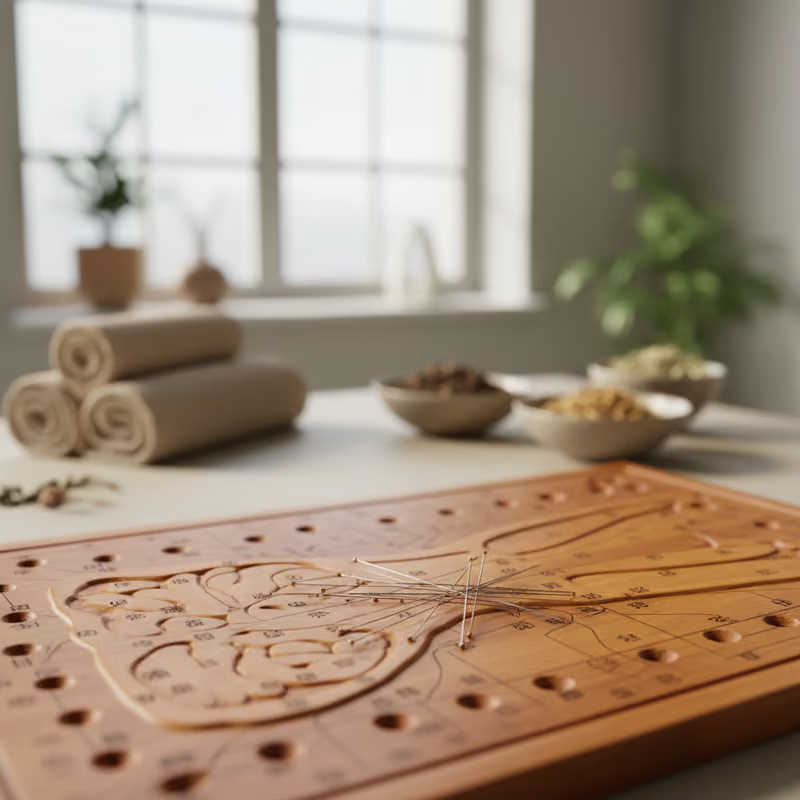
Acupuncture, an ancient healing practice originating from traditional Chinese medicine (TCM), involves the insertion of thin needles into specific points on the body. For centuries, practitioners have believed that these points, known as acupoints, lie along invisible channels called meridians, through which a vital life force or energy, known as Qi (pronounced "chee"), flows. According to TCM theory, illness arises when the flow of Qi is disrupted or imbalanced. Acupuncture aims to restore this balance, thereby promoting health and alleviating symptoms.
While its theoretical underpinnings are rooted in traditional concepts, modern scientific inquiry has sought to understand acupuncture through a contemporary lens. Researchers are exploring how acupuncture might exert its effects through neurological, biochemical, and physiological mechanisms. This includes investigating its potential influence on the nervous system, neurotransmitter release, blood flow, and the body's natural pain-modulating systems.
Initially viewed with skepticism in Western medicine, acupuncture has gradually gained recognition and acceptance as a complementary therapy. Its growing popularity is partly due to increasing patient interest in non-pharmacological approaches to health and well-being, particularly for chronic conditions where conventional treatments may have limitations or undesirable side effects. This article will explore the current understanding of acupuncture's benefits, focusing on its role in managing pain, improving sleep, and reducing stress, guided by evidence from reputable health organizations.
Why this matters
The increasing prevalence of chronic pain, sleep disturbances, and stress-related conditions globally highlights the critical need for effective and safe treatment options. Conventional pharmacological interventions often come with potential side effects, the risk of dependence, or may not be suitable for all individuals. This has led many to explore complementary and alternative medicine (CAM) approaches, with acupuncture being one of the most widely recognized and utilized.
Understanding the evidence surrounding acupuncture is crucial for both individuals seeking treatment and healthcare professionals advising their patients. For those living with persistent discomfort, restless nights, or overwhelming stress, reliable information about potential therapeutic options can empower them to make informed decisions about their health. If acupuncture can offer a meaningful improvement in these areas, it represents a valuable addition to a holistic approach to wellness.
For healthcare providers, having an evidence-informed perspective on acupuncture allows for better integration of care. This knowledge supports discussions with patients about the potential benefits, limitations, and safety of acupuncture, ensuring that it is considered within the broader context of a comprehensive treatment plan. This matters because integrating proven complementary therapies, where appropriate, can lead to improved patient outcomes, enhanced quality of life, and potentially reduce reliance on medications for certain conditions. Organizations like the World Health Organization (WHO) and the National Institutes of Health (NIH) acknowledge the role of traditional and complementary medicine, including acupuncture, in global health strategies, emphasizing the importance of rigorous research to establish efficacy and safety.
Key principles (evidence-informed)
While the traditional understanding of acupuncture involves meridians and Qi, modern scientific investigation focuses on physiological mechanisms. Several key principles are being explored to explain how acupuncture might work:
Neuromodulation
Acupuncture is thought to influence the nervous system. The insertion of needles at specific points may stimulate nerves, which then send signals to the brain. This stimulation can lead to the release of neurochemicals such as endorphins, serotonin, and norepinephrine. Endorphins are natural painkillers, and their release can contribute to acupuncture's analgesic effects. Serotonin and norepinephrine are neurotransmitters that play roles in mood regulation, sleep, and stress response. The National Center for Complementary and Integrative Health (NCCIH), part of the NIH, notes that research suggests acupuncture may modulate these pathways.
Increased Blood Flow
Needle insertion might trigger local blood flow changes. Enhanced circulation to specific areas could aid in tissue repair and reduce inflammation. Some studies suggest that acupuncture can affect nitric oxide levels, a molecule involved in vasodilation, which is the widening of blood vessels.
Anti-inflammatory Effects
Research suggests that acupuncture may have anti-inflammatory properties. By influencing immune system responses and reducing pro-inflammatory markers, acupuncture could help alleviate pain and swelling associated with various conditions. This effect is being explored in conditions ranging from musculoskeletal pain to inflammatory bowel disease.
Placebo Effect
Like many interventions, a portion of acupuncture's perceived effectiveness may be attributed to the placebo effect. However, studies often compare true acupuncture to sham acupuncture (where needles are inserted at non-acupoints or very superficially) or other control interventions to distinguish specific effects from non-specific effects. While the placebo effect is a real physiological phenomenon, evidence suggests acupuncture's benefits extend beyond it for certain conditions.
Pain Management
For pain, particularly chronic pain, acupuncture has received considerable attention. The Mayo Clinic acknowledges acupuncture as an option for treating chronic pain, including low back pain, neck pain, osteoarthritis, and headaches. Systematic reviews and meta-analyses, often referenced by organizations like Cochrane, have provided evidence for acupuncture's effectiveness in these areas. It is believed to work by stimulating nerve fibers, promoting the release of endogenous opioids, and influencing pain processing in the brain and spinal cord.
Sleep Improvement
Acupuncture's potential role in improving sleep quality is also being investigated. Insomnia and sleep disturbances are often linked to stress, anxiety, and pain. By addressing these underlying factors through its neuromodulatory and stress-reducing effects, acupuncture may facilitate better sleep. The NCCIH highlights research into acupuncture for insomnia, noting promising, though sometimes inconsistent, findings. It may help regulate neurotransmitters like melatonin and GABA, which are crucial for sleep.
Stress Reduction
Stress can manifest physically and mentally, impacting overall well-being. Acupuncture is thought to activate the parasympathetic nervous system, often referred to as the "rest and digest" system, while calming the sympathetic nervous system, responsible for the "fight or flight" response. This rebalancing can lead to reduced cortisol levels (the "stress hormone") and a general sense of relaxation. This is one of the theoretical bases for its application in anxiety and stress management, as supported by some studies referenced by the NIH.
Overall, while the exact mechanisms are still being fully elucidated, the prevailing view among scientific bodies is that acupuncture elicits physiological responses that contribute to its therapeutic effects. Its efficacy is increasingly supported by evidence for specific conditions, especially in the context of pain management.
Practical daily habits
While acupuncture is a professional treatment, certain daily habits can complement its effects and support overall well-being, particularly concerning pain, sleep, and stress. These practices are generally encouraged by health organizations for a balanced lifestyle:
For Pain Management:
- Mindful Movement: Gentle exercises like walking, swimming, or tai chi, as recommended by the Mayo Clinic for chronic pain, can improve flexibility, strengthen muscles, and reduce stiffness. These activities can also foster a mind-body connection similar to the holistic approach of acupuncture.
- Ergonomic Awareness: Pay attention to posture and body mechanics during daily activities. Adjusting your workstation, sleeping position, or lifting techniques can prevent strain and reduce the recurrence of pain, aligning with the principle of maintaining energy flow and avoiding physical blockages.
- Heat and Cold Therapy: Applying heat (e.g., warm baths, heating pads) can relax muscles and increase blood flow, while cold packs can reduce inflammation. These simple remedies can provide temporary relief and support the body's natural healing processes.
- Hydration and Nutrition: A balanced diet rich in anti-inflammatory foods and adequate hydration supports overall bodily function and can help reduce chronic inflammation that contributes to pain, as emphasized by general health guidelines from organizations like the WHO.
For Improved Sleep:
- Consistent Sleep Schedule: Going to bed and waking up at the same time each day, even on weekends, helps regulate the body's natural circadian rhythm. This consistency is a cornerstone of good sleep hygiene, advocated by the CDC and NIH.
- Optimize Sleep Environment: Ensure your bedroom is dark, quiet, and cool. Removing electronic devices can reduce exposure to blue light, which can interfere with melatonin production.
- Relaxation Techniques Before Bed: Incorporate calming activities like reading, gentle stretching, or listening to soothing music into your pre-sleep routine. Avoid stimulating activities and heavy meals close to bedtime.
- Limit Caffeine and Alcohol: These substances can disrupt sleep cycles. Reducing their intake, particularly in the hours leading up to sleep, can significantly improve sleep quality.
For Stress Reduction:
- Mindfulness and Meditation: Regular practice of mindfulness or meditation can help manage stress by training the mind to be present and reduce rumination. Organizations like the NCCIH explore these practices as complementary approaches to stress and anxiety.
- Deep Breathing Exercises: Simple deep breathing techniques can activate the parasympathetic nervous system, promoting relaxation and reducing the physiological responses to stress.
- Regular Physical Activity: Exercise is a powerful stress reliever. Even moderate activity can help release endorphins, improve mood, and provide an outlet for stress. The WHO recommends regular physical activity for mental well-being.
- Social Connection: Maintaining healthy social connections and engaging in enjoyable activities can buffer the effects of stress and foster a sense of belonging and support.
- Time Management and Prioritization: Learning to manage time effectively and prioritize tasks can reduce feelings of overwhelm, a common source of stress.
Incorporating these habits can create a supportive environment for the body to heal and maintain balance, potentially enhancing the benefits derived from acupuncture treatments and promoting overall wellness.
Common mistakes to avoid
When considering or undergoing acupuncture, being aware of common pitfalls can help ensure a safer and more effective experience. These are generally aligned with best practices in healthcare:
- Choosing an Unqualified Practitioner: One of the most significant mistakes is not verifying the credentials of an acupuncturist. Acupuncture requires extensive training in anatomy, physiology, and sterile needle techniques. Always seek a licensed or certified practitioner. Licensing requirements vary by region, but generally involve rigorous education and examinations. The World Health Organization (WHO) has published guidelines on basic training and safety in acupuncture, emphasizing the importance of qualified practitioners.
- Ignoring Sterilization Protocols: Needles must be sterile, single-use, and disposed of properly. Reusing needles or using non-sterile ones carries a significant risk of infection, including serious bloodborne diseases. A reputable practitioner will always use pre-packaged, disposable needles. Do not hesitate to ask about their sterilization practices.
- Not Disclosing Full Medical History: It is crucial to inform your acupuncturist about all your health conditions, medications (including over-the-counter drugs, supplements, and herbal remedies), allergies, and if you are pregnant or trying to conceive. Certain conditions or medications (e.g., blood thinners) may require modifications to treatment or could be contraindications. The Mayo Clinic advises informing your doctor about any complementary therapies you are using.
- Having Unrealistic Expectations: While acupuncture can be very effective for many conditions, it is not a "miracle cure" and may not work for everyone or for every condition. Expecting immediate and complete resolution of long-standing issues after one session can lead to disappointment. Therapeutic effects often build over a course of treatments.
- Stopping Conventional Treatment Prematurely: Acupuncture should be considered a complementary therapy, not typically a replacement for necessary conventional medical treatments. Do not discontinue prescribed medications or therapies without consulting your primary healthcare provider. The NCCIH emphasizes that complementary therapies should be used alongside, not instead of, conventional care.
- Not Communicating During Treatment: If you experience any discomfort, pain, dizziness, or other unusual sensations during the session, immediately inform your acupuncturist. They can adjust the treatment or remove needles as needed. Good communication is key to a safe and effective experience.
- Ignoring Aftercare Advice: Your acupuncturist may provide recommendations for post-treatment care, such as avoiding strenuous activity, staying hydrated, or observing specific symptoms. Following these guidelines can enhance the treatment's effectiveness and minimize potential side effects.
- Not Considering the Bigger Picture of Health: While acupuncture can address specific symptoms, it's most effective when integrated into a holistic approach to health. Relying solely on acupuncture without addressing lifestyle factors (diet, exercise, stress management) may limit its long-term benefits for conditions like chronic pain, sleep issues, or stress.
By being informed and proactive, individuals can minimize risks and maximize the potential benefits of acupuncture treatment.
When to see a professional
Deciding when to seek professional help for pain, sleep issues, or stress is a critical aspect of managing one's health. While acupuncture can be a beneficial complementary therapy, it's important to recognize situations where consulting a licensed healthcare professional is paramount.
For Pain:
- Acute, Severe, or Sudden Pain: If you experience sudden, excruciating pain, especially in the chest, abdomen, or head, or pain accompanied by weakness, numbness, or loss of function, seek immediate medical attention. These can be signs of serious underlying conditions that require prompt diagnosis and intervention by a physician.
- Pain Following Trauma: Any pain resulting from an injury, accident, or fall should be evaluated by a doctor to rule out fractures, dislocations, or other significant damage.
- Unexplained or Worsening Pain: If pain persists for more than a few days, worsens over time, or is accompanied by other concerning symptoms like fever, unexplained weight loss, or changes in bowel/bladder function, a medical professional should be consulted. This includes chronic pain that significantly impairs daily activities or quality of life. The American Academy of Pain Medicine and the CDC recommend medical evaluation for persistent pain.
- Neurological Symptoms with Pain: Pain accompanied by tingling, numbness, weakness, or loss of sensation can indicate nerve involvement and warrants medical assessment.
For Sleep Disturbances:
- Chronic Insomnia: If you consistently have trouble falling or staying asleep for several weeks or months, leading to daytime fatigue, irritability, or impaired functioning, it's time to see a doctor. This could be a symptom of an underlying medical condition, mental health issue, or a primary sleep disorder.
- Suspected Sleep Apnea: Symptoms like loud snoring, gasping for air during sleep, daytime sleepiness despite adequate sleep duration, or morning headaches should prompt a visit to a physician for evaluation of sleep apnea.
- Unusual Sleep Behaviors: Sleepwalking, night terrors, restless legs syndrome, or other disruptive behaviors during sleep warrant professional assessment, as they can indicate sleep disorders that require specific management.
- Impact on Daily Life: If sleep problems significantly affect your mood, concentration, work performance, or safety (e.g., drowsiness while driving), medical consultation is essential. The American Academy of Sleep Medicine and the NIH provide guidance on when to seek professional help for sleep issues.
For Stress and Mental Well-being:
- Overwhelming or Debilitating Stress: If stress feels constant, unmanageable, or interferes with your ability to function in daily life, work, or relationships, it's crucial to seek help from a mental health professional or primary care physician.
- Symptoms of Anxiety or Depression: Persistent feelings of sadness, hopelessness, excessive worry, panic attacks, changes in appetite or sleep, loss of interest in activities, or thoughts of self-harm are serious symptoms that require immediate professional evaluation. The World Health Organization (WHO) highlights the importance of seeking professional mental health support for such conditions.
- Coping Mechanisms That Are Harmful: If you are using unhealthy coping mechanisms for stress, such as excessive alcohol consumption, drug use, or isolating yourself, professional help is necessary.
- Stress-Related Physical Symptoms: Chronic stress can manifest physically as headaches, digestive problems, high blood pressure, or weakened immune function. If you experience these symptoms, a doctor can help determine if they are stress-related or indicative of another medical issue.
In these situations, a medical doctor can provide a diagnosis, rule out serious conditions, and recommend appropriate treatment, which may include conventional medicine, psychotherapy, lifestyle changes, and potentially complementary therapies like acupuncture as part of an integrated approach. Acupuncture should always be seen as a complementary tool and not a substitute for timely and necessary medical consultation when concerning symptoms arise.
Frequently asked questions
Is acupuncture safe?
Yes, when performed by a licensed and experienced practitioner using sterile, single-use needles, acupuncture is generally considered safe. The most common side effects are minor, such as slight bleeding, bruising, or soreness at the needle insertion sites. Serious adverse events are rare but can include infection, organ puncture (extremely rare with proper training), or nerve damage. Always ensure your practitioner is qualified and follows strict hygiene protocols. The World Health Organization (WHO) and National Center for Complementary and Integrative Health (NCCIH) acknowledge its safety profile when administered correctly.
How does acupuncture feel?
Acupuncture typically causes minimal discomfort. Patients often describe a momentary, dull ache, pressure, warmth, or a tingling sensation (known as "De Qi") when the needles are inserted and manipulated. The needles are very fine, much thinner than those used for injections. Most people find the experience relaxing, and some even fall asleep during treatment. If you experience sharp or severe pain, inform your practitioner immediately.
How many sessions are usually needed?
The number of acupuncture sessions required varies widely depending on the individual, the condition being treated, its severity, and how long it has been present. For acute conditions, a few sessions might be sufficient. For chronic issues like persistent pain or long-term stress, a course of 6 to 12 sessions, often weekly or twice weekly, might be recommended initially, followed by maintenance treatments. Your practitioner will discuss a personalized treatment plan with you after an initial assessment.
Can acupuncture be used with conventional medicine?
Yes, acupuncture is often used as a complementary therapy alongside conventional medical treatments. Many healthcare providers consider an integrated approach, combining the best of both conventional and complementary medicine, to optimize patient outcomes. It is crucial, however, to inform your primary medical doctor about any acupuncture treatments you are receiving and to tell your acupuncturist about all medications and medical conditions you have. This ensures coordinated care and avoids potential interactions or contraindications.
What conditions does acupuncture commonly treat?
While scientific evidence varies in strength for different conditions, acupuncture is commonly sought for a wide range of issues. The World Health Organization (WHO) has listed numerous conditions for which acupuncture has been tested, including various pain conditions (e.g., low back pain, neck pain, headaches, osteoarthritis), nausea and vomiting, certain dental pains, and other conditions like allergic rhinitis. The National Center for Complementary and Integrative Health (NCCIH) specifically highlights evidence supporting acupuncture for chronic pain, such as back and neck pain, osteoarthritis, and migraine headaches, as well as for reducing the frequency of tension headaches. Its application for stress and sleep issues is also an area of ongoing research.
Key takeaways
Acupuncture, a centuries-old practice, continues to be explored for its potential benefits in modern healthcare, particularly concerning pain management, sleep improvement, and stress reduction.
- Evidence-Informed Approach: While traditional theories focus on Qi and meridians, modern research investigates acupuncture's effects through neurological, biochemical, and physiological mechanisms, such as neuromodulation, anti-inflammatory responses, and changes in blood flow.
- Pain Management: There is considerable evidence supporting acupuncture's effectiveness for various chronic pain conditions, including low back pain, neck pain, osteoarthritis, and headaches. Major health organizations acknowledge its role as a complementary therapy for these conditions.
- Sleep and Stress: Acupuncture is being investigated for its potential to improve sleep quality and reduce stress by influencing neurotransmitter levels and balancing the nervous system. While research is ongoing, many individuals report benefits in these areas.
- Safety and Professionalism: When performed by a qualified, licensed practitioner using sterile, single-use needles, acupuncture is generally safe with minimal side effects.
- Complementary Role: Acupuncture is best viewed as a complementary therapy that can be integrated with conventional medical care. It is not a substitute for necessary medical diagnosis or treatment.
- Informed Decisions: Individuals seeking acupuncture should choose a licensed practitioner, communicate their full medical history, and have realistic expectations about treatment outcomes.
Understanding the current evidence base and adhering to best practices empowers individuals to make informed decisions about incorporating acupuncture into their personal health and wellness strategies.
Related reading
Keep exploring this topic with our related, evidence-reviewed guides:
- Gua Sha and Tui Na Massage: Traditional Chinese Bodywork Explained — A practical, evidence-informed guide to gua sha — what matters, what works, common mistakes, and when to consult a professional.
- Chinese Sleep Habits: Napping, Early Nights, and the Organ Clock — A practical, evidence-informed guide to chinese sleep habits — what matters, what works, common mistakes, and when to consult a pr…
- Chinese Foot Soaking and Reflexology: Sleep, Circulation, and Warmth — A practical, evidence-informed guide to foot soaking benefits — what matters, what works, common mistakes, and when to consult a p…
- What Modern Science Gets Right and Wrong About Chinese Medicine — A practical, evidence-informed guide to chinese medicine evidence — what matters, what works, common mistakes, and when to consult…
- Cupping Therapy in Chinese Medicine: Benefits, Risks, and What Research Shows — A practical, evidence-informed guide to cupping therapy — what matters, what works, common mistakes, and when to consult a profess…
- Chinese Ginger Remedies for Colds, Nausea, and Cold Hands — A practical, evidence-informed guide to ginger remedies — what matters, what works, common mistakes, and when to consult a profess…
Sources
- World Health Organization (WHO)
- National Institutes of Health (NIH)
- National Center for Complementary and Integrative Health (NCCIH)
- Mayo Clinic
- Cochrane Library
- Centers for Disease Control and Prevention (CDC)
- American Academy of Pain Medicine
- American Academy of Sleep Medicine
Sources
Evidence & citations
- Every claim in this chinese health wisdom guide is backed by primary data — browse the longevity and lifestyle health statistics in our sourced statistics library.
- Writing about this topic? Researchers, journalists and educators can cite our traditional Chinese health research with ready-made APA, MLA and Chicago references.
My notes on this one
The short version of 15 minutes of reading — what stuck with me while writing “Acupuncture Explained: What the Evidence Says About Pain”, what the sources back up, and what I'd actually do about it.
What I'd take away
01 · Why this matters
This matters because integrating proven complementary therapies, where appropriate, can lead to improved patient outcomes, enhanced quality of life…
02 · Key principles
While the traditional understanding of acupuncture involves meridians and Qi, modern scientific investigation focuses on physiological mechanisms.
03 · Neuromodulation
The National Center for Complementary and Integrative Health (NCCIH), part of the NIH, notes that research suggests acupuncture may modulate these pathways.
04 · Increased Blood Flow
Some studies suggest that acupuncture can affect nitric oxide levels, a molecule involved in vasodilation, which is the widening of blood vessels.
05 · Anti-inflammatory Effects
Research suggests that acupuncture may have anti-inflammatory properties.
What the sources I read actually say
This article will explore the current understanding of acupuncture's benefits, focusing on its role in managing pain, improving sleep, and reducing stress…
World Health OrganizationThis effect is being explored in conditions ranging from musculoskeletal pain to inflammatory bowel disease.
Centers for Disease Control and PreventionOrganizations like the World Health Organization (WHO) and the National Institutes of Health (NIH) acknowledge the role of traditional and complementary medicine, including acupuncture…
National Institutes of Health
If you only do one thing this week
- Limit Caffeine and Alcohol — These substances can disrupt sleep cycles. Reducing their intake, particularly in the hours leading up to sleep…
Pick the one that fits your week. None of this replaces advice from a clinician who can actually examine you.
Questions I kept coming back to
Is acupuncture safe?+
Yes, when performed by a licensed and experienced practitioner using sterile, single-use needles, acupuncture is generally considered safe. The most common side effects are minor, such as slight bleeding, bruising, or soreness at the needle insertion sites. Serious adverse events are rare but can include infection, organ puncture (extremely rare with proper training), or nerve damage…
How does acupuncture feel?+
Acupuncture typically causes minimal discomfort. Patients often describe a momentary, dull ache, pressure, warmth, or a tingling sensation (known as "De Qi") when the needles are inserted and manipulated. The needles are very fine, much thinner than those used for injections. Most people find the experience relaxing, and some even fall asleep during treatment. If you experience sharp or severe pain…
How many sessions are usually needed?+
The number of acupuncture sessions required varies widely depending on the individual, the condition being treated, its severity, and how long it has been present. For acute conditions, a few sessions might be sufficient. For chronic issues like persistent pain or long-term stress, a course of 6 to 12 sessions, often weekly or twice weekly, might be recommended initially, followed by maintenance treatments…
Can acupuncture be used with conventional medicine?+
Yes, acupuncture is often used as a complementary therapy alongside conventional medical treatments. Many healthcare providers consider an integrated approach, combining the best of both conventional and complementary medicine, to optimize patient outcomes. It is crucial, however…
What conditions does acupuncture commonly treat?+
While scientific evidence varies in strength for different conditions, acupuncture is commonly sought for a wide range of issues. The World Health Organization (WHO) has listed numerous conditions for which acupuncture has been tested, including various pain conditions (e.g., low back pain, neck pain, headaches, osteoarthritis), nausea and vomiting, certain dental pains, and other conditions like allergic rhinitis…
Was this article helpful?
Be the first to rate this article.
Written by
FaizRuh
I write Health Hub Pro on my own — no clinical licence, no anonymous review panel. Just the published guidance, read carefully and explained plainly.
More about me →How this page was checked
Every claim above is checked against the sources listed at the bottom of this article — WHO, CDC, NIH, NHS, Cochrane and major clinical guidelines. Drafting is AI-assisted; the editing, fact-checking and final wording are mine. It's information, not medical advice. Spotted an error? Tell me and I'll fix it.
Last checked on