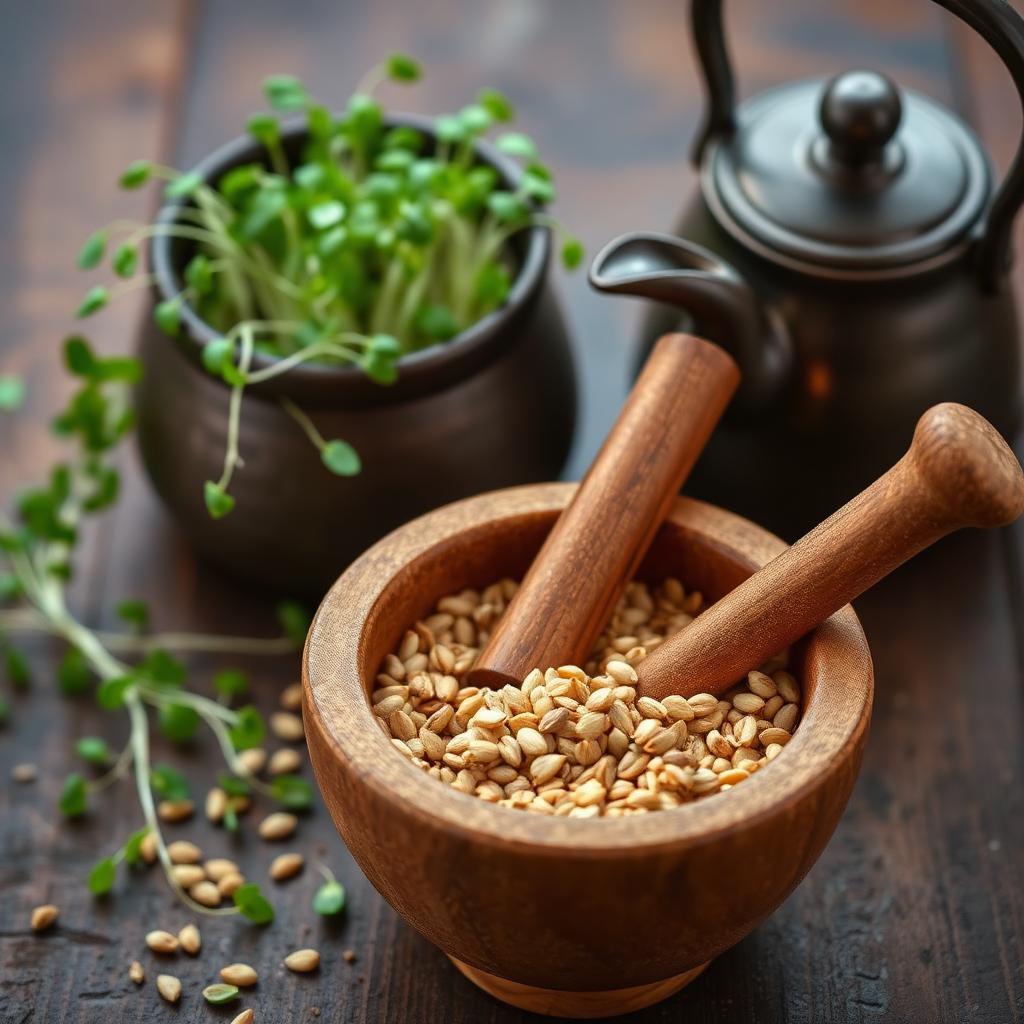
Barley (Talbina) as a Nutritional Sunnah
Talbina, a barley porridge recommended by the Prophet ﷺ, is fiber-rich, gentle on digestion, and traditionally used to comfort the grieving.

For informational purposes only. This article is educational and is not a substitute for professional medical advice, diagnosis, or treatment. Always consult a qualified healthcare provider about anything affecting your health. Read full disclaimer.
Introduction
Talbina, a traditional porridge made from barley, holds significant cultural and historical relevance in various communities, particularly within Islamic traditions. It is often cited as a nutritional recommendation originating from the practices of the Prophet Muhammad (peace be upon him). This food is characterized by its high fiber content and is traditionally associated with ease of digestion and its purported soothing properties, especially during times of grief or illness. Our aim is to provide an evidence-based perspective on barley's nutritional profile and its broader health implications, aligning traditional wisdom with contemporary scientific understanding. This guide summarizes current evidence and traditional practices, offering a comprehensive overview for those interested in incorporating barley into a healthy lifestyle.
What causes it (evidence-based)
The beneficial properties attributed to Talbina are primarily derived from its main ingredient: barley. Barley (Hordeum vulgare) is a cereal grain belonging to the grass family Poaceae. It is one of the oldest cultivated grains and has been a staple food in many cultures for centuries. The health benefits of barley are largely due to its unique nutritional composition.
Key Components and Their Mechanisms:
-
Dietary Fiber, particularly Beta-Glucan: Barley is exceptionally rich in dietary fiber, especially a soluble fiber called beta-glucan. Beta-glucan is a viscous fiber that dissolves in water to form a gel-like substance in the digestive tract.
- Cholesterol Reduction: This gel can bind to bile acids, preventing their reabsorption and leading the liver to draw cholesterol from the blood to produce new bile acids. This mechanism contributes to lower levels of low-density lipoprotein (LDL) cholesterol, often referred to as "bad" cholesterol. (Mayo Clinic)
- Blood Sugar Regulation: Beta-glucan also slows down the absorption of glucose from the small intestine, leading to a more gradual rise in blood sugar levels after a meal. This is particularly beneficial for individuals managing blood sugar, as it helps prevent sudden spikes. (NIH)
- Satiety and Weight Management: The viscous nature of beta-glucan contributes to a feeling of fullness, which can help reduce overall calorie intake and support weight management efforts.
- Gut Health: As a soluble fiber, beta-glucan acts as a prebiotic, fermenting in the large intestine and feeding beneficial gut bacteria. This promotes a healthy gut microbiome, which is crucial for digestion, immunity, and overall well-being. (NIH)
-
Complex Carbohydrates: Barley is a good source of complex carbohydrates, which provide a sustained release of energy, contrasting with the rapid energy spikes associated with simple sugars. This steady energy supply can help maintain stable blood glucose levels and prevent energy crashes.
-
Vitamins and Minerals: Barley contains a variety of essential micronutrients:
- Selenium: An important antioxidant that supports thyroid function and immune health.
- Manganese: Essential for bone health, metabolism, and antioxidant defense.
- Magnesium: Involved in over 300 biochemical reactions in the body, including muscle and nerve function, blood glucose control, and blood pressure regulation.
- Phosphorus: Crucial for bone and tooth formation, and energy metabolism.
- B Vitamins (Niacin, Thiamine, Pyridoxine): Essential for energy production, nerve function, and red blood cell formation.
-
Antioxidants: Barley contains various phenolic compounds, flavonoids, and tocotrienols (a form of Vitamin E), which act as antioxidants. These compounds help neutralize free radicals in the body, reducing oxidative stress and inflammation, which are implicated in chronic diseases like heart disease and certain cancers.
From a traditional perspective, Talbina's light and easily digestible nature has made it a preferred food for those experiencing weakness, illness, or emotional distress. The proposed "gentle on digestion" quality aligns with the scientific understanding of soluble fiber, which can ease the passage of food through the digestive tract and reduce strain.
Symptoms and warning signs
As a nutritious food, barley itself does not typically cause negative "symptoms" or "warning signs" in the way a disease or deficiency might. Instead, understanding the potential effects of incorporating barley into the diet, especially for those with specific health conditions, is important. Conversely, a diet lacking in fiber, for which barley is an excellent source, can lead to certain issues.
Potential Considerations related to Barley Consumption:
- Gluten Sensitivity or Celiac Disease: Barley contains gluten, a protein composite found in wheat, barley, and rye. For individuals with celiac disease, an autoimmune condition, consuming gluten can trigger an immune response that damages the small intestine. Symptoms can include abdominal pain, bloating, diarrhea, weight loss, and nutrient deficiencies. Individuals with non-celiac gluten sensitivity may experience similar but less severe symptoms.
- Warning Signs for Gluten Intolerance: Persistent digestive issues (diarrhea, constipation, bloating, gas), fatigue, skin rashes, headaches, and joint pain after consuming barley or other gluten-containing grains.
- Digestive Discomfort (Initial Intake): For individuals not accustomed to a high-fiber diet, suddenly introducing a large amount of barley may lead to temporary digestive discomfort such as bloating, gas, or mild abdominal cramps. This is usually due to the gut microbiome adjusting to increased fiber intake.
- Management: Introduce barley gradually and ensure adequate fluid intake to mitigate these effects.
- Interference with Medications: The high fiber content in barley, particularly soluble fiber, can potentially interfere with the absorption of certain medications if consumed simultaneously. This is generally a concern for medications that require precise dosing or have a narrow therapeutic index.
- Recommendation: Consult a clinician or pharmacist regarding timing of barley consumption relative to medication, especially for individuals on cholesterol-lowering drugs (e.g., statins) or blood sugar management medications.
- Allergies: Although rare, some individuals may have an allergy to barley, similar to other grain allergies. Symptoms can range from mild (hives, itching, swelling) to severe (anaphylaxis).
Symptoms of a Fiber-Deficient Diet (which barley helps address):
Conversely, insufficient dietary fiber intake, a common occurrence in modern diets, can manifest in several ways:
- Constipation: One of the most common signs, characterized by infrequent bowel movements, difficulty passing stools, and hard stools.
- Hemorrhoids and Diverticular Disease: Long-term constipation and straining due to lack of fiber can contribute to these conditions.
- Fluctuating Blood Sugar Levels: Without fiber to slow glucose absorption, blood sugar can spike and crash, leading to fatigue, irritability, and increased hunger.
- Persistent Hunger and Weight Gain: Fiber promotes satiety. A lack of fiber can lead to overeating and difficulty managing weight.
- Elevated Cholesterol: A diet low in soluble fiber does not help to effectively reduce LDL cholesterol.
Understanding these potential effects and the benefits of fiber-rich foods like barley helps in making informed dietary choices.
When to see a clinician
While barley is a nutritious whole grain, it is important to seek professional medical advice in certain situations to ensure its safe and beneficial inclusion in your diet, especially if you have underlying health conditions.
You should consult a clinician if you experience:
- Symptoms of Gluten Intolerance or Celiac Disease: If you experience persistent digestive issues (such as chronic diarrhea, constipation, bloating, abdominal pain), unexplained weight loss, fatigue, skin rashes, or joint pain after consuming foods containing gluten, including barley. A clinician can perform diagnostic tests for celiac disease or gluten sensitivity.
- New or Worsening Digestive Symptoms: Even without a known gluten sensitivity, if you introduce barley into your diet and experience significant or persistent digestive discomfort, such as severe bloating, gas, abdominal pain, or changes in bowel habits, it is advisable to consult a clinician. This can help rule out other digestive disorders.
- Existing Chronic Conditions:
- Diabetes: While barley can help regulate blood sugar, individuals with diabetes should consult their clinician or a registered dietitian to understand how barley fits into their overall carbohydrate management plan, especially if they are on medication.
- High Cholesterol: If you are managing high cholesterol with medication, discuss with your clinician how increasing soluble fiber from sources like barley might interact with your treatment plan.
- Kidney Disease: Individuals with advanced kidney disease may need to monitor their intake of certain minerals found in grains.
- Taking Regular Medications: If you are on any long-term medications, particularly those for blood sugar control, cholesterol management, or blood thinners, discuss with your clinician or pharmacist how a significant increase in fiber intake might affect medication absorption or efficacy.
- Suspected Food Allergies: If you suspect you have an allergy to barley (e.g., hives, swelling, difficulty breathing after consumption), seek immediate medical attention for severe reactions or consult an allergist for diagnosis and management of milder symptoms.
- Concerns about Nutrient Deficiencies or Malabsorption: If you have a condition that affects nutrient absorption, or if you are concerned about meeting your nutritional needs, a clinician or registered dietitian can provide personalized guidance.
Remember that dietary changes, even seemingly healthy ones, should be considered within the context of your overall health status and discussed with a qualified healthcare professional. (Mayo Clinic, CDC)
Treatment and management options
Incorporating barley into a dietary plan is generally a management strategy for promoting overall health rather than a "treatment" for a specific disease, unless it’s part of a broader dietary approach to manage conditions such as high cholesterol or diabetes. The primary "treatment" for individuals who experience adverse reactions to barley, such as those with celiac disease or gluten sensitivity, is avoidance.
For individuals without gluten intolerance:
Management options focus on optimizing the benefits of barley and ensuring its enjoyable integration into the diet.
-
Dietary Integration of Barley:
- Variety of Forms: Barley can be consumed in various forms: hulled barley (whole grain, requires longer cooking), pearl barley (polished, less nutrient-dense but cooks faster), barley flakes (like rolled oats), and barley flour. Talbina traditionally uses barley flour or finely ground barley.
- Culinary Applications:
- Porridge (Talbina): Prepare with water, milk, or a milk alternative. Can be flavored with honey, fruits, or spices.
- Soups and Stews: Add hulled or pearl barley for added texture, fiber, and nutrients.
- Salads: Cooked barley can be a hearty base for salads.
- Baked Goods: Barley flour can be partially substituted for wheat flour in breads, muffins, and pancakes (it contains gluten but less than wheat, so complete substitution often requires adjustments).
- Side Dishes: Cooked barley can be served as an alternative to rice or quinoa.
- Gradual Introduction: To prevent digestive discomfort (gas, bloating) associated with increased fiber intake, introduce barley gradually into the diet, especially if current fiber intake is low. Increase portion sizes slowly over several weeks.
- Hydration: Ensure adequate fluid intake when increasing fiber to help it move smoothly through the digestive system and prevent constipation.
-
Lifestyle Considerations to Complement Barley Intake:
- Balanced Diet: Barley should be part of a diverse diet rich in other whole grains, fruits, vegetables, lean proteins, and healthy fats. No single food provides all necessary nutrients.
- Regular Physical Activity: Combines with a fiber-rich diet to support heart health, weight management, and digestive regularity.
- Stress Management: High stress levels can affect digestion. Managing stress through practices like mindfulness, meditation, or spending time in nature can support overall gut health.
- Adequate Sleep: Sufficient sleep is crucial for metabolic function and overall well-being.
For individuals with Celiac Disease or Gluten Sensitivity:
- Strict Avoidance: The primary management is to completely avoid barley and all other gluten-containing grains (wheat, rye, and crosses like triticale).
- Label Reading: Carefully check food labels for barley-derived ingredients (e.g., barley malt, barley flour) and ensure products are certified gluten-free.
- Cross-Contamination: Be mindful of potential cross-contamination in shared cooking spaces, restaurants, and food manufacturing.
- Nutritional Support: A registered dietitian can help identify gluten-free alternatives and ensure adequate nutrient intake to compensate for the elimination of gluten-containing grains.
For specific health conditions (e.g., high cholesterol, type 2 diabetes):
- Integration into Medical Nutrition Therapy (MNT): For these conditions, barley can be an important component of a broader MNT plan developed with a registered dietitian or clinician. The goal is to leverage barley's beta-glucan content to help manage blood lipids and glucose levels, alongside other dietary and lifestyle modifications.
- Monitoring: Regular monitoring of cholesterol levels, blood glucose, and A1C is important to assess the effectiveness of dietary interventions.
Barley, particularly Talbina, is seen as a supportive food for health and well-being. Its regular consumption, within a balanced diet and aligned with individual health needs, contributes significantly to managing various aspects of health. (WHO, NIH)
Prevention and daily habits
Incorporating barley into daily habits can be a proactive measure for disease prevention and overall health maintenance. Its rich fiber content, particularly beta-glucan, along with essential vitamins and minerals, offers numerous benefits that contribute to a healthy lifestyle.
Preventative Benefits:
- Cardiovascular Disease: Regular consumption of barley, due to its soluble fiber, can contribute to lower LDL cholesterol levels and help maintain healthy blood pressure, thereby reducing the risk of heart disease. (AHA, Mayo Clinic)
- Type 2 Diabetes: The high fiber content in barley helps stabilize blood glucose levels by slowing down sugar absorption. This can improve insulin sensitivity and reduce the risk of developing type 2 diabetes. (NIH)
- Digestive Health: The insoluble fiber in barley promotes regular bowel movements, preventing constipation and potentially reducing the risk of diverticular disease. The soluble fiber, acting as a prebiotic, feeds beneficial gut bacteria, supporting a healthy gut microbiome, which is linked to improved immunity and reduced inflammation throughout the body.
- Weight Management: The fiber and complex carbohydrates in barley promote satiety, helping to control appetite and reduce overall calorie intake, which is crucial for preventing overweight and obesity.
- Certain Cancers: A diet rich in whole grains, including barley, has been associated with a lower risk of certain cancers, particularly colorectal cancer, possibly due to fiber's role in promoting digestive health and the presence of antioxidants.
Daily Habits for Incorporating Barley and Promoting Health:
- Morning Porridge (Talbina): Start your day with Talbina (barley porridge) cooked with water, milk, or a plant-based milk alternative. Flavor with a small amount of fruit (e.g., berries), nuts, seeds, or a touch of honey for natural sweetness. This provides sustained energy and fiber.
- Add to Soups and Stews: Include hulled or pearl barley in your lunch or dinner soups and stews. It adds texture, thickens the broth, and boosts the nutritional value.
- Barley Salads: Prepare cold salads using cooked barley as a base. Combine it with roasted vegetables, legumes, herbs, and a light vinaigrette for a fiber-rich meal.
- Substitute Grains: Use cooked barley as a side dish instead of rice, couscous, or pasta for a fiber-rich alternative.
- Snacks: Consider making healthy snack bars or muffins using barley flakes or flour (if gluten-tolerant) to increase whole grain intake.
- Hydration: Always ensure adequate water intake, especially when increasing fiber consumption, to aid digestion and prevent discomfort.
- Consistent Meal Timing: Aim for regular meal times to help regulate metabolism and blood sugar, maximizing the benefits of fiber-rich foods.
- Mindful Eating: Pay attention to hunger and fullness cues. Eating slowly and mindfully can improve digestion and appreciation of your food.
- Variety in Diet: While barley is excellent, incorporate a wide range of whole foods – fruits, vegetables, other whole grains, lean proteins, and healthy fats – to ensure a comprehensive nutrient intake.
- Regular Movement: Complement a healthy diet with consistent physical activity. Even moderate daily movement enhances cardiovascular health, aids digestion, and supports weight management.
- Adequate Sleep: Prioritize 7-9 hours of quality sleep per night, as it plays a critical role in metabolic health, hormone regulation, and overall well-being.
By integrating barley into these daily habits, you can leverage its nutritional power as a cornerstone for maintaining long-term health and preventing chronic diseases.
Frequently asked questions
What is Talbina and why is it considered beneficial in Islamic tradition?
Talbina is a porridge made from barley flour, water, and often milk, sometimes sweetened with honey. In Islamic tradition, it is considered beneficial because it was recommended by the Prophet Muhammad (peace be upon him) for both the sick and the grieving. Traditions suggest it is soothing, strengthens the heart, and eases sorrow. From a nutritional standpoint, its benefits stem from barley's high fiber (especially beta-glucan), vitamins, and minerals, which support digestion, blood sugar regulation, and heart health.
How does barley compare to other grains like oats or wheat nutritionally?
Barley, oats, and wheat are all nutritious whole grains, but they have distinct nutritional profiles. Barley is particularly rich in beta-glucan, a soluble fiber known for its cholesterol-lowering effects and blood sugar regulation, often more so than oats. Oats are also high in beta-glucan and a good source of protein. Wheat, especially whole wheat, provides good fiber and nutrients but is generally higher in gluten than barley or oats. All three offer varying arrays of B vitamins and minerals. The best choice often depends on individual dietary needs and preferences.
Can individuals with gluten sensitivity or celiac disease consume Talbina or other barley products?
No, individuals with gluten sensitivity or celiac disease should not consume Talbina or any other barley products. Barley naturally contains gluten, a protein that triggers an adverse immune response in people with celiac disease and causes symptoms in those with non-celiac gluten sensitivity. For these individuals, strict avoidance of barley and other gluten-containing grains (wheat, rye) is essential for managing their condition and preventing health complications.
Is Talbina suitable for individuals managing blood sugar levels or diabetes?
Yes, Talbina, made from barley, can be a suitable food for individuals managing blood sugar levels or diabetes. Barley has a low glycemic index due to its high soluble fiber content, particularly beta-glucan, which slows down the absorption of glucose. This helps prevent rapid spikes in blood sugar after meals. However, it's crucial to consume it in moderation as part of a balanced diet and to consult with a clinician or registered dietitian to integrate it appropriately into a diabetes management plan, especially if you are on medication. Avoid excessive added sugars.
What are common ways to prepare Talbina or incorporate barley into a daily diet?
Talbina is traditionally prepared by simmering barley flour in water or milk until it thickens into a porridge. It can be sweetened with honey or dates. Beyond Talbina, barley can be incorporated into a daily diet in several ways: add hulled or pearl barley to soups and stews, use cooked barley as a base for salads or as a side dish instead of rice, or use barley flakes in breakfast cereals. When increasing fiber intake, remember to do so gradually and ensure adequate hydration.
Key takeaways
- Nutrient-Dense Whole Grain: Barley, the primary ingredient in Talbina, is a highly nutritious whole grain, rich in dietary fiber (especially beta-glucan), complex carbohydrates, B vitamins, and various minerals like selenium, manganese, magnesium, and phosphorus.
- Cardiovascular and Metabolic Health: Its high soluble fiber content is scientifically linked to helping lower LDL (bad) cholesterol, stabilizing blood sugar levels, and contributing to better blood pressure management, thus supporting heart health and reducing the risk of type 2 diabetes.
- Digestive Benefits: Both soluble and insoluble fiber in barley promote regular bowel movements, prevent constipation, foster a healthy gut microbiome, and can alleviate digestive discomfort when introduced gradually.
- Weight Management: The fiber in barley contributes to satiety, helping to reduce overall calorie intake and support healthy weight management.
- Traditional Significance: Talbina holds cultural and spiritual significance in Islamic tradition as a soothing and comforting food recommended by the Prophet Muhammad (peace be upon him).
- Gluten Content: Barley contains gluten and is therefore not suitable for individuals with celiac disease or non-celiac gluten sensitivity, who must strictly avoid it.
- Responsible Integration: For those who can consume gluten, barley can be a valuable part of a balanced diet. Introduce it gradually and ensure adequate hydration to avoid digestive discomfort. Consult a clinician, especially if you have chronic health conditions or are on medication, to ensure safe and beneficial dietary integration.
Sources
- World Health Organization (WHO)
- Centers for Disease Control and Prevention (CDC)
- National Institutes of Health (NIH)
- American Heart Association (AHA)
- NHS (National Health Service - UK)
- Cochrane Library
- Mayo Clinic
Related reading
- The Sunnah of Sleeping on the Right Side — The Prophet ﷺ recommended sleeping on the right side. Modern research explores potential digestive and cardiac considera…
- Fenugreek: Traditional Uses — Fenugreek has been used traditionally for digestion and lactation. Evidence is mixed; discuss with a clinician.
- Cupping (Hijamah): Tradition and Care — Hijamah is a recommended sunnah. Modern evidence is limited; if practiced, it should be with licensed, sterile providers…
- The Sunnah of Eating: Mindful Nutrition the Prophetic Way — Discover how Prophet Muhammad's dining habits offer a timeless guide to holistic health through mindful eating, blending…
- Aloe Vera: Skin, Digestion, and Cautions — Topical aloe soothes minor burns. Oral aloe latex can cause diarrhea and is not recommended long-term.
Written by
Health Hub Pro Editorial
Health writer at Health Hub Pro, focused on evidence-based, Sharia-conscious wellness.
View author profile →Medically reviewed by
Dr. A. Rahman, MD
Board-certified in Internal Medicine
Last reviewed on