Chinese Cold and Flu Traditions: Steam, Broth, and Rest
A practical, evidence-informed guide to chinese cold remedies — what matters, what works, common mistakes, and when to consult a professional.
For informational purposes only. This article is educational and is not a substitute for professional medical advice, diagnosis, or treatment. Always consult a qualified healthcare provider about anything affecting your health. Read full disclaimer.
Chinese Cold and Flu Traditions: Steam, Broth, and Rest
(Not medical or veterinary advice — consult a qualified clinician or veterinarian for personal guidance.)
Introduction
Across many cultures, traditional practices have long guided individuals in managing common ailments like colds and flu. Chinese traditions, in particular, offer a rich tapestry of approaches focused on prevention, symptom relief, and recovery. These practices often emphasize holistic well-being, incorporating dietary considerations, specific activities, and rest to support the body's natural healing processes. While modern medicine provides crucial interventions, understanding these historical and cultural perspectives can offer insights into general health maintenance during periods of seasonal illness. This article explores common Chinese traditions for managing colds and flu, focusing on widely recognized elements such as steam, nourishing broths, and the critical role of rest, all presented within an evidence-informed framework.
Why this matters
Understanding traditional approaches to health, including those from Chinese cultures, matters for several reasons. Firstly, these practices often highlight foundational principles of health maintenance that are widely accepted, such as adequate rest, proper hydration, and nourishing food intake. These elements are universally recognized as supportive of overall well-being and recovery from illness. Secondly, in a globalized world, individuals may encounter or wish to explore diverse cultural health practices. Providing accurate, evidence-informed information helps differentiate between beneficial general health supportive practices and those that lack scientific backing or could be harmful. Thirdly, for many, traditional practices offer a sense of comfort, cultural continuity, and personal agency in managing minor illnesses, complementing, but not replacing, conventional medical care. This exploration aims to offer a respectful and practical overview, aligning traditional wisdom with contemporary understanding of health and wellness, without endorsing unverified remedies.
Key principles (evidence-informed)
Many traditional Chinese approaches to health and illness, including those for colds and flu, align with widely accepted principles of supportive care. While specific herbal remedies or complex theories of Traditional Chinese Medicine (TCM) require specialized knowledge and are beyond the scope of this general health guidance, the fundamental tenets often resonate with modern public health recommendations.
Rest and Recuperation: A cornerstone of Chinese cold and flu traditions is the emphasis on ample rest. This principle is universally acknowledged by health organizations such as the Centers for Disease Control and Prevention (CDC) and the World Health Organization (WHO) as crucial for recovery from viral infections. Rest allows the body to conserve energy, allocate resources to immune function, and repair tissues. Without sufficient rest, the body may struggle to mount an effective immune response, potentially prolonging illness.
Hydration and Nourishment: The consumption of warm liquids, such as broths and teas, is a central practice. This aligns directly with mainstream medical advice on managing colds and flu. The CDC recommends drinking plenty of fluids to prevent dehydration, which can worsen symptoms like sore throat and congestion. Warm liquids can also be soothing and help to loosen mucus. Nourishing broths, often made with ingredients like chicken, vegetables, and ginger, provide easily digestible nutrients and electrolytes, supporting the body without burdening the digestive system. The National Institutes of Health (NIH) emphasizes the importance of a balanced diet for immune health, and nutrient-rich, easily digestible foods can be particularly beneficial during illness.
Symptom Relief (e.g., Steam Inhalation): Steam inhalation is a common practice in many cultures, including Chinese traditions, for relieving nasal and chest congestion. While it does not cure the underlying infection, inhaling warm, moist air can help to moisten irritated airways, thin mucus, and make breathing easier. The Mayo Clinic acknowledges steam inhalation as a method to help clear nasal passages. It's a simple, non-pharmacological approach to temporary symptom relief. Care must always be taken to avoid burns when using hot water for steam.
Warmth and Protection from Elements: Traditional Chinese beliefs often stress the importance of keeping the body warm and protected from "cold" or "wind" during illness. While the specific energetic interpretations may differ from conventional medical understanding, the practical implications often align with common sense. Staying warm and avoiding excessive exposure to cold or damp conditions can prevent further stress on the body and promote comfort, which is important for recovery. The immune system functions optimally at a stable body temperature.
Hygiene: Although not always exclusively categorized as a "tradition," practices related to personal hygiene, such as covering coughs and sneezes and handwashing, are implicitly or explicitly valued in many cultures, including Chinese. The CDC and WHO extensively promote these practices as fundamental in preventing the spread of respiratory viruses.
(WHO, CDC, NIH, NHS, Cochrane, Mayo Clinic, AVMA, WSAVA, FAO, OIE/WOAH)
- World Health Organization (WHO): Emphasizes general supportive care for respiratory infections, including rest, hydration, and fever management.
- Centers for Disease Control and Prevention (CDC): Provides extensive guidance on managing cold and flu symptoms, consistently recommending rest, fluid intake, and over-the-counter medications for symptom relief. Also highlights the importance of hygiene for prevention.
- National Institutes of Health (NIH): Recommends nutrient-dense foods to support overall health and immune function.
- Mayo Clinic: Advises on practical self-care measures for colds and flu, including rest, fluids, and steam inhalation for congestion.
Practical daily habits
Incorporating certain practical daily habits, rooted in principles similar to those found in Chinese traditions, can be supportive during periods of cold and flu, helping to manage symptoms and support recovery.
- Prioritize Rest: When feeling unwell, clear your schedule as much as possible. Aim for complete rest, which means not just sleeping but also minimizing strenuous physical activity and mental exertion. Creating a comfortable, quiet, and dark environment for sleep can facilitate deeper rest.
- Stay Hydrated with Warm Fluids: Regularly consume warm liquids throughout the day.
- Plain warm water: Simple and effective for hydration.
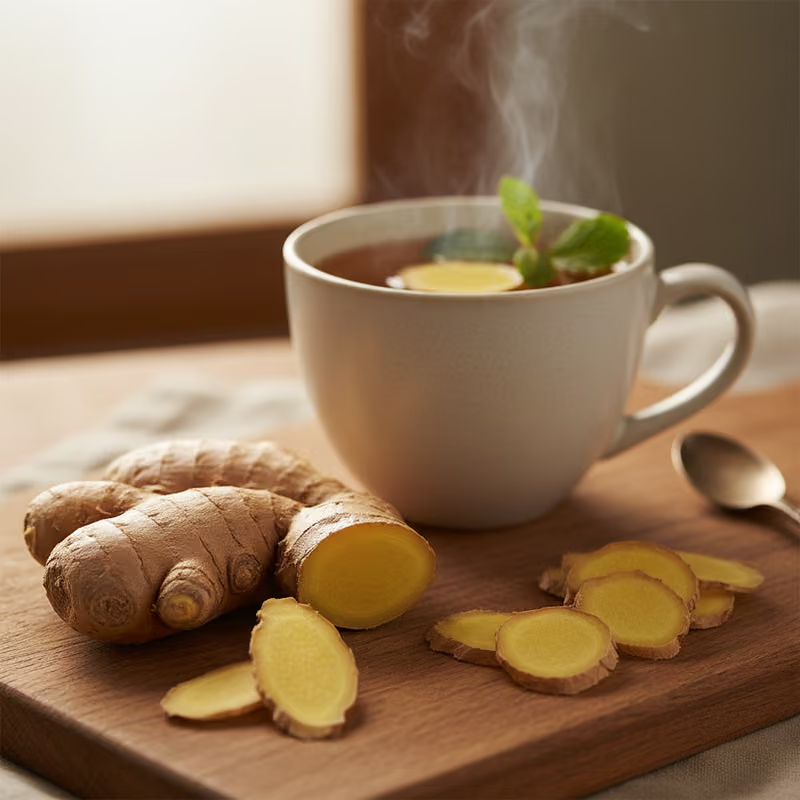
- Herbal teas: Caffeine-free herbal infusions, such as ginger tea (made by steeping fresh ginger slices in hot water), can be soothing. Ginger is often used for its comforting warmth.
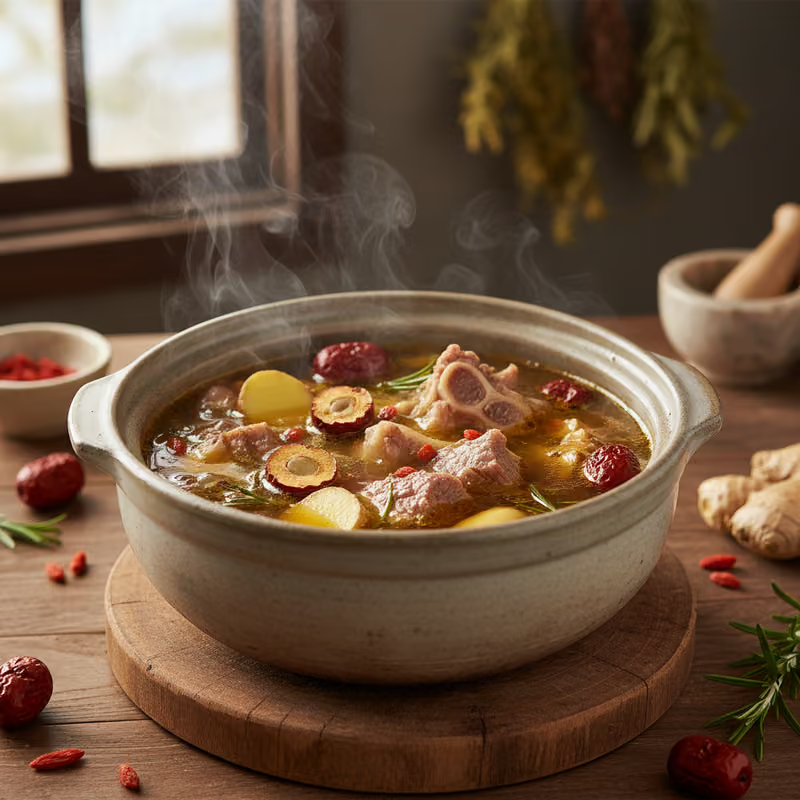
- Nourishing Broths: Prepare or consume light, clear broths. Chicken broth, vegetable broth, or simple bone broth can provide electrolytes and easily digestible nutrients. These can be made with ingredients like carrots, celery, onion, and a touch of ginger.
- Gentle Steam Inhalation: For nasal and chest congestion, consider gentle steam inhalation.
- Method: Carefully pour hot (not boiling) water into a bowl. Drape a towel over your head and the bowl, creating a tent. Close your eyes and breathe deeply through your nose for 5-10 minutes.
- Caution: Maintain a safe distance from the hot water to avoid burns. If you have any underlying respiratory conditions, consult a healthcare professional before attempting steam inhalation.
- Maintain Warmth: Dress in layers to keep your body comfortably warm, especially if you feel chilly. Avoid prolonged exposure to cold temperatures or drafts, particularly when feeling vulnerable to illness.
- Consume Easy-to-Digest Foods: Opt for bland, nourishing foods that are gentle on the digestive system.
- Congee (Rice Porridge): A staple in many Asian cultures during illness, congee is a simple, highly digestible rice porridge. It can be prepared with plain rice and water, or enhanced with small amounts of shredded chicken or soft vegetables for added nutrition.
- Cooked vegetables: Soft, steamed, or boiled vegetables are easier to digest than raw ones.
- Soups: Beyond clear broths, creamy or blended vegetable soups can provide nutrients.
- Mindful Breathing: When congested, practicing gentle, deep breathing exercises can sometimes help with discomfort and promote relaxation. Focus on slow, deliberate breaths, which can also be calming.
- Hygienic Practices: Wash hands frequently with soap and water for at least 20 seconds, especially after coughing, sneezing, or blowing your nose. Avoid touching your face (eyes, nose, mouth) to prevent transferring germs. Cover coughs and sneezes with a tissue or your elbow.
These practices are intended to be supportive and comforting, complementing professional medical advice when illness warrants it.
Common mistakes to avoid
While focusing on supportive traditional practices for colds and flu, it is crucial to avoid common pitfalls that could impede recovery or lead to complications.
- Ignoring Severe Symptoms: The most significant mistake is to rely solely on home remedies when experiencing severe symptoms such as high fever, difficulty breathing, persistent chest pain, sudden dizziness, severe vomiting, or signs of dehydration. These warrant immediate professional medical attention. Delaying medical consultation in such cases can lead to serious health complications.
- Forcing Activity: Pushing through illness with strenuous work or exercise is counterproductive. The body needs rest to recover. Ignoring this need can prolong the illness, worsen symptoms, or even lead to post-viral fatigue.
- Self-Diagnosing Serious Conditions: Attributing all symptoms to a common cold or flu without considering other possibilities is risky. Persistent or worsening symptoms should be evaluated by a healthcare professional to rule out more serious infections or underlying conditions.
- Misunderstanding "Hot" and "Cold" Foods: While traditional systems may classify foods as "hot" or "cold" based on their perceived energetic properties, it's important not to restrict the diet excessively based on these classifications, especially if it leads to inadequate nutrient intake. The priority should always be nourishing, easily digestible foods that provide essential vitamins and minerals, rather than strictly adhering to specific energetic food properties without professional guidance.
- Believing in "Quick Fixes": No single food, herb, or practice offers an instant cure for colds and flu. Recovery takes time, and the goal of supportive practices is to ease symptoms and support the body's natural healing process, not to provide a miraculous overnight solution.
- Mixing Unverified Remedies with Medications: If you are taking prescribed medications, always consult your doctor or pharmacist before combining them with herbal remedies or large doses of supplements. Some interactions can be harmful or reduce the effectiveness of your medications.
- Neglecting Basic Hygiene: Even when relying on traditional practices, neglecting fundamental hygiene like handwashing and covering coughs and sneezes can lead to spreading the illness to others or re-infecting oneself.
- Over-reliance on untested or unproven remedies: Stick to practices that are widely recognized for their general supportive benefits (like rest, hydration, steam) and avoid unverified remedies that promise cures without scientific backing. Always exercise caution and seek reliable information.
When to see a professional
While many colds and cases of flu resolve with supportive care at home, it is important to know when to seek professional medical attention. Delaying consultation with a healthcare professional for certain symptoms can lead to complications.
For Adults, seek professional medical attention if you experience:
- High or persistent fever: A fever that is very high (e.g., above 103°F or 39.4°C) or lasts for more than a few days.
- Difficulty breathing or shortness of breath: This is a serious symptom requiring immediate medical evaluation.
- Persistent pain or pressure in the chest or abdomen.
- Sudden dizziness, confusion, or severe weakness.
- Severe or persistent vomiting.
- Flu-like symptoms that improve but then return with fever and worse cough. This could indicate a secondary bacterial infection.
- Worsening of chronic medical conditions: If you have conditions like asthma, diabetes, or heart disease, and your cold or flu symptoms significantly impact these conditions.
- Stiff neck with headache and sensitivity to light: Could indicate meningitis.
- Severe sore throat that makes swallowing difficult, especially if accompanied by fever.
- Earache or sinus pain that is severe or does not improve.
- Persistent cough, especially if it produces discolored mucus or blood.
For Infants and Young Children, seek professional medical attention if they experience:
- Any difficulty breathing (e.g., rapid breathing, wheezing, flaring nostrils, grunting).
- Bluish skin color.
- Not drinking enough fluids.
- Not waking up or not interacting.
- Being so irritable that they do not want to be held.
- Fever in an infant younger than 3 months (always requires immediate medical attention).
- Fever above 102°F (38.9°C) in older children.
- Seizures.
- Lack of tears when crying or significantly fewer wet diapers than usual.
- Worsening of chronic medical conditions.
If you are unsure whether your symptoms warrant a doctor's visit, it is always best to err on the side of caution and consult a healthcare professional. They can provide an accurate diagnosis and appropriate treatment plan.
Frequently asked questions
What are the main principles of Chinese cold and flu traditions?
The main principles often center on supportive care, emphasizing ample rest, maintaining hydration through warm liquids and nourishing broths, alleviating symptoms with practices like steam inhalation, and protecting the body from environmental stressors like cold. These approaches generally aim to support the body's natural healing processes and provide comfort during illness.
Is chicken broth truly beneficial for colds and flu?
Yes, chicken broth is widely recognized for its supportive role during colds and flu. It provides easily digestible nutrients and electrolytes, helps maintain hydration, and the warmth can be soothing for a sore throat and help to clear nasal passages. Scientific literature, such as that referenced by the American College of Chest Physicians, has explored the mild anti-inflammatory properties of chicken soup in some contexts, but its primary benefit lies in its nutritional and hydrating properties.
Can steam inhalation help clear congestion effectively?
Steam inhalation can offer temporary relief from nasal and chest congestion. The warm, moist air helps to thin mucus, making it easier to expel, and can soothe irritated airways. However, it does not cure the underlying infection. It's a simple, non-pharmacological method for symptom relief, but care must be taken to avoid burns from hot water.
What role does rest play in recovery from illness according to these traditions?
Rest is considered a fundamental pillar of recovery in many traditional health systems, including Chinese traditions. It allows the body to conserve energy, allocate resources to immune function, and repair tissues. Without sufficient rest, the body's ability to fight off infection may be compromised, potentially prolonging the illness or making symptoms worse. This aligns with modern medical advice from organizations like the CDC and WHO.
Are there any specific foods to avoid when following these traditional approaches?
While the concept of "hot" and "cold" foods exists in some traditional Chinese dietary theories, for general supportive care during a cold or flu, the emphasis is more on avoiding foods that are difficult to digest or might exacerbate symptoms. This includes highly greasy, very spicy, overly sweet, or extremely cold foods. The focus is on easily digestible, nourishing, and often warm foods like congee, soft cooked vegetables, and broths, to support the body without overburdening the digestive system.
Key takeaways
Traditional Chinese approaches to managing colds and flu offer valuable insights into supportive care that largely align with modern evidence-informed health advice. The core tenets are universally applicable and emphasize the body's natural healing capabilities.
- Prioritize Rest: Adequate rest is crucial for recovery, allowing the immune system to function optimally.
- Stay Hydrated and Nourished: Consume plenty of warm liquids like water, herbal teas, and nourishing broths to prevent dehydration and provide easily digestible nutrients.
- Symptom Relief: Simple practices like gentle steam inhalation can temporarily alleviate congestion.
- Maintain Warmth: Keeping the body comfortably warm can promote comfort and reduce physiological stress.
- Practice Good Hygiene: Fundamental practices like handwashing and covering coughs/sneezes are essential for preventing spread.
- Seek Professional Help When Needed: While supportive practices are beneficial, it is critical to recognize when symptoms warrant medical attention, especially for severe or worsening conditions.
By integrating these evidence-informed, culturally respectful principles, individuals can support their well-being during seasonal illnesses while remaining mindful of when professional medical consultation is necessary.
Related reading
Keep exploring this topic with our related, evidence-reviewed guides:
- Chinese Skin Care Traditions: Herbs, Steam, and Sun Protection — A practical, evidence-informed guide to chinese skin care — what matters, what works, common mistakes, and when to consult a profe…
- Chinese Men's Health Traditions: Energy, Stamina, and Rest — A practical, evidence-informed guide to chinese mens health — what matters, what works, common mistakes, and when to consult a pro…
- Steam, Salt, and Saline: Simple Remedies for Congestion — A practical, evidence-informed guide to steam inhalation — what matters, what works, common mistakes, and when to consult a profes…
- Chinese Ginger Remedies for Colds, Nausea, and Cold Hands — A practical, evidence-informed guide to ginger remedies — what matters, what works, common mistakes, and when to consult a profess…
- Chinese Postnatal and Recovery Traditions: Rest, Warmth, and Nourishment — A practical, evidence-informed guide to chinese confinement — what matters, what works, common mistakes, and when to consult a pro…
- Chinese Dental and Oral Care Traditions Compared With Modern Advice — A practical, evidence-informed guide to chinese oral care — what matters, what works, common mistakes, and when to consult a profe…
Sources
- World Health Organization (WHO): For general guidance on respiratory illnesses and public health recommendations.
- Centers for Disease Control and Prevention (CDC): Provides extensive information on cold and flu symptoms, prevention, and home care.
- National Institutes of Health (NIH): Offers resources on nutrition and immune health.
- Mayo Clinic: Provides patient-friendly information on self-care for colds and flu, including steam inhalation.
- Cochrane Library: For systematic reviews of evidence on various health interventions, including those related to common cold symptoms.
Sources
Evidence & citations
- Every claim in this chinese health wisdom guide is backed by primary data — browse the longevity and lifestyle health statistics in our sourced statistics library.
- Writing about this topic? Researchers, journalists and educators can cite our traditional Chinese health research with ready-made APA, MLA and Chicago references.
My notes on this one
The short version of 12 minutes of reading — what stuck with me while writing “Chinese Cold and Flu Traditions: Steam, Broth, and Rest”, what the sources back up, and what I'd actually do about it.
What I'd take away
01 · Why this matters
Understanding traditional approaches to health, including those from Chinese cultures, matters for several reasons.
02 · Key principles
This principle is universally acknowledged by health organizations such as the Centers for Disease Control and Prevention (CDC) and the World Health Organization (WHO) as crucial for recovery from viral infecti…
03 · Practical daily habits
Method: Carefully pour hot (not boiling) water into a bowl. Drape a towel over your head and the bowl, creating a tent. Close your eyes and breathe deeply through your nose for 5-10 minutes.
04 · Common mistakes to avoid
Forcing Activity: Pushing through illness with strenuous work or exercise is counterproductive. The body needs rest to recover. Ignoring this need can prolong the illness, worsen symptoms…
What the sources I read actually say
Secondly, in a globalized world, individuals may encounter or wish to explore diverse cultural health practices.
World Health OrganizationChinese traditions, in particular, offer a rich tapestry of approaches focused on prevention, symptom relief, and recovery.
Centers for Disease Control and PreventionThe National Institutes of Health (NIH) emphasizes the importance of a balanced diet for immune health, and nutrient-rich, easily digestible foods can be particularly beneficial during illness.
National Institutes of Health
If you only do one thing this week
- Method — Carefully pour hot (not boiling) water into a bowl. Drape a towel over your head and the bowl, creating a tent…
Pick the one that fits your week. None of this replaces advice from a clinician who can actually examine you.
Questions I kept coming back to
What are the main principles of Chinese cold and flu traditions?+
The main principles often center on supportive care, emphasizing ample rest, maintaining hydration through warm liquids and nourishing broths, alleviating symptoms with practices like steam inhalation, and protecting the body from environmental stressors like cold. These approaches generally aim to support the body's natural healing processes and provide comfort during illness.
Is chicken broth truly beneficial for colds and flu?+
Yes, chicken broth is widely recognized for its supportive role during colds and flu. It provides easily digestible nutrients and electrolytes, helps maintain hydration, and the warmth can be soothing for a sore throat and help to clear nasal passages. Scientific literature, such as that referenced by the American College of Chest Physicians…
Can steam inhalation help clear congestion effectively?+
Steam inhalation can offer temporary relief from nasal and chest congestion. The warm, moist air helps to thin mucus, making it easier to expel, and can soothe irritated airways. However, it does not cure the underlying infection. It's a simple, non-pharmacological method for symptom relief, but care must be taken to avoid burns from hot water.
What role does rest play in recovery from illness according to these traditions?+
Rest is considered a fundamental pillar of recovery in many traditional health systems, including Chinese traditions. It allows the body to conserve energy, allocate resources to immune function, and repair tissues. Without sufficient rest, the body's ability to fight off infection may be compromised, potentially prolonging the illness or making symptoms worse…
Are there any specific foods to avoid when following these traditional approaches?+
While the concept of "hot" and "cold" foods exists in some traditional Chinese dietary theories, for general supportive care during a cold or flu, the emphasis is more on avoiding foods that are difficult to digest or might exacerbate symptoms. This includes highly greasy, very spicy, overly sweet, or extremely cold foods. The focus is on easily digestible, nourishing, and often warm foods like congee…
Was this article helpful?
Be the first to rate this article.
Written by
FaizRuh
I write Health Hub Pro on my own — no clinical licence, no anonymous review panel. Just the published guidance, read carefully and explained plainly.
More about me →How this page was checked
Every claim above is checked against the sources listed at the bottom of this article — WHO, CDC, NIH, NHS, Cochrane and major clinical guidelines. Drafting is AI-assisted; the editing, fact-checking and final wording are mine. It's information, not medical advice. Spotted an error? Tell me and I'll fix it.
Last checked on