Chinese Stress Wisdom: Calm, Patience, and the Practice of
A practical, evidence-informed guide to chinese stress management — what matters, what works, common mistakes, and when to consult a professional.
For informational purposes only. This article is educational and is not a substitute for professional medical advice, diagnosis, or treatment. Always consult a qualified healthcare provider about anything affecting your health. Read full disclaimer.
Chinese Stress Wisdom: Calm, Patience, and the Practice of Slowness
(Not medical or veterinary advice — consult a qualified clinician or veterinarian for personal guidance.)
Introduction
In a world that often prizes speed and constant activity, the concept of integrating calm, patience, and slowness into daily life can seem counter-intuitive. However, traditional Chinese wisdom offers a rich tapestry of perspectives and practices that have historically emphasized these very qualities as foundational to well-being and effective living. This approach is not about idleness, but rather about cultivating a mindful pace, fostering inner tranquility, and approaching challenges with considered deliberation rather than haste. It recognizes that chronic stress can have profound effects on both physical and mental health, and that a deliberate shift towards a more balanced rhythm can be a powerful tool for resilience.
The principles embedded in Chinese philosophy, such as Taoism and Confucianism, and practices like Traditional Chinese Medicine (TCM), often highlight the importance of harmony (he), balance (pingheng), and the natural flow of life. These perspectives suggest that stress arises not just from external pressures, but also from an internal disharmony or an imbalance in how one interacts with the world. By embracing calm, patience, and a practice of slowness, individuals may learn to navigate modern life's demands with greater equanimity, fostering a deeper sense of peace and improving overall health. This article explores these timeless principles, offering evidence-informed insights into how they can be practically applied in contemporary settings.
Why this matters
The modern pace of life often contributes to elevated stress levels, which are widely recognized as detrimental to health. The World Health Organization (WHO) acknowledges stress as a significant contributor to a range of health issues, including cardiovascular diseases, mental health disorders like anxiety and depression, and weakened immune function. Chronic stress can manifest in various ways, from persistent fatigue and sleep disturbances to irritability and difficulty concentrating. The constant pressure to perform, to be productive, and to keep up with an ever-accelerating world can erode an individual's sense of well-being and diminish quality of life.
In this context, understanding and integrating practices that promote calm, patience, and slowness becomes particularly relevant. Traditional Chinese wisdom offers frameworks that have been refined over centuries, providing a holistic view of human well-being that links mental states to physical health. By adopting a more deliberate approach to daily activities and cultivating an inner sense of tranquility, individuals may be better equipped to manage stressors, reduce their physiological impact, and foster greater resilience. This is not about escaping modern life, but rather about equipping oneself with tools to navigate its complexities more effectively and sustainably. The emphasis on these qualities can lead to improved decision-making, enhanced interpersonal relationships, and a greater appreciation for the present moment, ultimately contributing to a more balanced and healthier existence.
Key principles (evidence-informed)
Traditional Chinese wisdom is rich with principles that support calm, patience, and slowness. While historical in origin, many of these concepts find resonance with modern understanding of stress reduction and well-being.
- Ziran (Naturalness and Spontaneity): Rooted in Taoist philosophy, Ziran refers to acting in accordance with one's true nature and the natural flow of the universe. It encourages letting go of excessive control, rigid expectations, and the need to force outcomes. For stress management, this principle suggests that fighting against life's natural rhythms or resisting inevitable changes can be a source of tension. Embracing naturalness can involve accepting what cannot be changed, adapting flexibly, and finding ease in spontaneous moments. This aligns with psychological concepts of acceptance and mindfulness, which emphasize observing thoughts and feelings without judgment, reducing internal conflict that contributes to stress.
- Wu Wei (Non-action or Effortless Action): Often misunderstood as passivity, Wu Wei actually means acting in harmony with the natural order, exerting effort without strain, and knowing when not to act. It's about efficiency and effectiveness born from deep understanding and alignment, rather than forced exertion. In the context of stress, Wu Wei encourages individuals to avoid over-exertion, rushing, or trying to achieve too many things at once. It suggests that often, the most effective path emerges when one allows things to unfold naturally, stepping back when appropriate. This principle resonates with time management techniques that advocate for focused work periods, breaks, and avoiding burnout.
- Jing (Quietness, Stillness, Serenity): Jing emphasizes the cultivation of inner stillness as a source of strength and clarity. It's about finding moments of silence and mental calm amidst the noise of daily life. This is not merely the absence of external sound but a state of inner tranquility that allows for reflection and peace. Practices like meditation and qi gong (which we will discuss later) aim to cultivate Jing. Modern scientific understanding validates the benefits of stillness and meditation, showing positive impacts on brain activity, reduction of stress hormones, and improved emotional regulation (Mayo Clinic).
- Nai Xin (Patience and Endurance): Nai Xin signifies the ability to bear difficulties, delays, or provocations without becoming agitated or anxious. It is a virtue that acknowledges that many things in life take time to develop, heal, or resolve. This principle encourages a long-term perspective and the understanding that consistent, gentle effort often yields better results than impatient striving. This concept directly opposes the instant gratification often promoted in contemporary culture and aligns with resilience-building strategies that emphasize perseverance and the ability to tolerate discomfort for future gain.
- He (Harmony and Balance): A fundamental concept in Chinese thought, He refers to the harmonious balance between opposing forces, whether within oneself, in relationships, or with the environment. In TCM, achieving He within the body's systems (e.g., Yin and Yang, Qi and Blood) is central to health. For stress management, He suggests that imbalances – too much work and not enough rest, too much external stimulus and not enough internal reflection – lead to stress and illness. Striving for harmony involves conscious choices to balance different aspects of life, ensuring adequate rest, nourishment, social connection, and personal reflection. The National Institutes of Health (NIH) emphasizes the importance of balance in lifestyle choices for overall well-being.
- Slowness (Man): While not a single philosophical concept, the practice of "man" or slowness is implicitly woven through these principles. It's about intentional deceleration, allowing one to fully engage with the present moment, observe details, and make considered decisions. It contrasts with the rushed pace that often leads to errors, missed opportunities for connection, and a diminished quality of life. This deliberate slowing down can enhance mindfulness, improve focus, and reduce the feeling of being overwhelmed. The Centers for Disease Control and Prevention (CDC) promotes mindful living as a way to reduce stress.
By understanding and integrating these principles, individuals can develop a more resilient and peaceful approach to stress management, rooted in a tradition that values holistic well-being.
Practical daily habits
Integrating Chinese stress wisdom into daily life doesn't require a complete overhaul, but rather a series of intentional shifts and practices.
- Mindful Eating (Man Man Chi): Instead of rushing meals, practice "man man chi" – eat slowly and mindfully. Pay attention to the colors, textures, aromas, and tastes of your food. Chew thoroughly. This practice can improve digestion, help recognize satiety cues, and transform a routine activity into a meditative moment. It allows for a pause in a busy day, reducing the physiological stress often associated with rushed eating.
- Mindful Movement (e.g., Tai Chi, Qigong): These gentle exercise forms emphasize slow, deliberate movements, deep breathing, and mental focus. They are often described as "meditation in motion." Regular practice can improve balance, flexibility, and muscle strength, while also reducing stress, improving sleep quality, and fostering a sense of calm. The World Health Organization (WHO) recognizes the benefits of physical activity for mental health and stress reduction. Tai Chi, in particular, has been studied for its positive effects on reducing anxiety and promoting relaxation (Mayo Clinic).
- Deep Breathing Exercises (Tiao Xi): Known as "tiao xi" (regulating the breath) in Chinese health practices, controlled deep breathing is a cornerstone of cultivating calm. Simple practices like diaphragmatic breathing – inhaling slowly through the nose, allowing the abdomen to expand, and exhaling slowly through the mouth – can activate the parasympathetic nervous system, counteracting the body's stress response. Regular short breathing sessions throughout the day can help reset the nervous system.
- Scheduled "Stillness" or "Empty Mind" Time: Dedicate a few minutes each day to simply be still. This could be sitting quietly, observing your breath, or focusing on a simple sensory input like the sound of rain. This isn't necessarily formal meditation but a deliberate break from external stimuli and internal chatter. This practice supports the principle of Jing (quietness) and helps clear the mind, reducing mental clutter and enhancing focus.
- Nature Connection (Shanshui): Spending time in nature, often referred to as "shanshui" (mountains and water) in Chinese art and philosophy, is highly valued for its restorative qualities. Whether it's a walk in a park, tending to a small garden, or simply observing the sky, connecting with natural environments can reduce stress hormones, improve mood, and enhance a sense of peace. This aligns with research indicating the benefits of green spaces for mental well-being (NIH).
- Deliberate Pacing in Tasks: Instead of rushing through tasks, try to approach them with a more deliberate pace. Break down large tasks into smaller, manageable steps. Focus on one task at a time to avoid feeling overwhelmed. This practice of "slowness" allows for greater attention to detail, reduces errors, and can transform potentially stressful activities into more enjoyable, focused experiences. It also aligns with the Wu Wei principle of effortless action.
- Cultivating Patience in Waiting: Modern life often involves waiting – in lines, for transportation, for responses. Instead of getting frustrated, use these moments as opportunities for quiet observation, deep breathing, or a brief mental check-in. This practice actively cultivates Nai Xin (patience) and transforms potentially annoying situations into moments of quiet reflection.
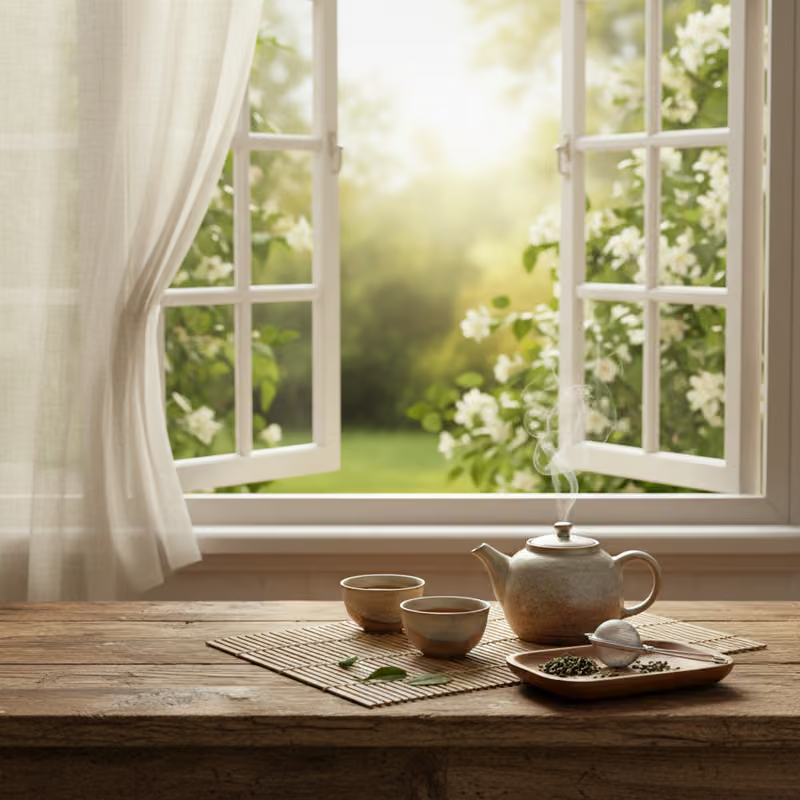
- Mindful Tea Ceremony (Gongfu Cha): Engaging in a simple, mindful tea ceremony can be a powerful way to slow down. Focus on the preparation, the aroma, the warmth of the cup, and the taste of the tea. This ritual can serve as a daily anchor for calm and reflection, emphasizing presence and appreciation for simple pleasures.
- Regular Sleep Schedule (Shui Mian): Prioritizing consistent and adequate sleep is fundamental in Chinese health philosophy. Establishing a regular sleep schedule supports the body's natural rhythms and is crucial for stress recovery and overall well-being. The CDC emphasizes the importance of sufficient sleep for physical and mental health.
By incorporating these simple yet profound habits, individuals can begin to weave the wisdom of calm, patience, and slowness into the fabric of their daily lives, fostering greater resilience and inner peace.
Common mistakes to avoid
While embracing principles of calm, patience, and slowness can be highly beneficial, certain pitfalls can hinder progress or lead to misconceptions. Being aware of these can help individuals navigate their journey more effectively.
- Confusing Slowness with Inactivity or Laziness: One of the most common misunderstandings is equating slowness with idleness or a lack of productivity. The concept of slowness in Chinese wisdom is not about doing nothing, but about being deliberate and mindful in one's actions. It's about performing tasks with full attention and without unnecessary haste, which often leads to greater efficiency and higher quality outcomes. It allows for intentional rest and recovery, which are crucial for sustainable productivity, not a rejection of it.
- Expecting Immediate Results: Cultivating calm, patience, and a slower pace is a journey, not a destination. It requires consistent practice and a patient approach, mirroring the very qualities it seeks to develop. Expecting immediate transformation can lead to frustration and abandonment of practices. True integration happens gradually, as new habits form and perspectives shift over time.
- Using "Slowness" as an Excuse for Procrastination: While strategic pausing and reflection are beneficial, using the idea of slowness to justify procrastination or avoiding necessary tasks is counterproductive. The principles encourage intentional action, even if at a measured pace, not avoidance of responsibility. Wu Wei is about effective action without undue strain, not inaction.
- Over-scheduling "Calm" Practices: Paradoxically, trying to force too many "calm" practices into an already busy schedule can become another source of stress. The goal is integration, not additional pressure. Start with small, manageable habits and gradually build upon them. Forcing an hour of meditation or tai chi when time is truly scarce can be more detrimental than beneficial.
- Neglecting External Stressors: While internal cultivation is crucial, it's important not to ignore or dismiss significant external stressors. While Chinese wisdom offers tools for internal resilience, it also implies adapting one's environment where possible. Sometimes, managing stress also involves making difficult decisions about work-life balance, relationships, or seeking professional help for overwhelming circumstances. Internal practices are complementary to, not a replacement for, addressing root causes of stress.
- Judging Oneself for "Failing" to Be Calm: The journey towards calm and patience is bound to have moments of frustration, anger, or impatience. Self-criticism for not perfectly embodying these virtues can create additional stress. Instead, view these moments as opportunities for learning and practice. Acceptance of imperfections is part of the path.
- Isolating Practices from Daily Life: Some might view practices like meditation or deep breathing as separate "add-ons" to their lives. However, the true power of this wisdom lies in integrating the mindset of calm and patience into everyday activities – from doing chores to engaging in conversations. It's about how you approach life, not just specific exercises.
By being mindful of these common mistakes, individuals can foster a more authentic and sustainable integration of Chinese stress wisdom into their lives, leading to genuine and lasting well-being.
When to see a professional
While incorporating principles of calm, patience, and slowness into daily life can significantly contribute to overall well-being and stress management, there are situations where professional guidance is necessary. It is crucial to recognize the signs that indicate a need for a healthcare professional.
You should consider seeking professional help if:
- Symptoms are Persistent or Worsening: If feelings of stress, anxiety, or sadness are persistent, overwhelming, and do not improve despite your self-care efforts and lifestyle adjustments.
- Interference with Daily Life: If stress significantly impacts your ability to perform daily tasks at work or school, maintain relationships, or engage in activities you once enjoyed.
- Physical Symptoms of Stress: If you experience chronic physical symptoms that might be linked to stress, such as persistent headaches, digestive problems, chronic fatigue, muscle tension, or sleep disturbances, and these are not explained by other medical conditions.
- Mental Health Concerns: If you experience symptoms of depression (e.g., pervasive low mood, loss of interest, changes in appetite or sleep, feelings of worthlessness) or anxiety disorders (e.g., panic attacks, excessive worrying, social avoidance).
- Harmful Coping Mechanisms: If you find yourself relying on unhealthy coping mechanisms, such as excessive alcohol consumption, substance abuse, disordered eating, or compulsive behaviors, to manage stress.
- Thoughts of Self-Harm or Harming Others: This is an immediate emergency. Seek help immediately from a crisis hotline, emergency services, or a healthcare professional.
- Seeking Deeper Understanding: If you are interested in exploring complementary therapies (like certain forms of Traditional Chinese Medicine) for stress management, it is important to consult with a qualified and licensed practitioner to ensure they are appropriate and safe for your individual health profile. Always inform your primary healthcare provider about any complementary treatments you are considering.
A general practitioner can help rule out underlying medical conditions and provide initial guidance. They can also refer you to mental health professionals, such as therapists, psychologists, or psychiatrists, who can offer specialized support, diagnosis, and treatment plans tailored to your specific needs. Organizations like the World Health Organization (WHO) and the National Institutes of Health (NIH) advocate for professional support for mental health conditions.
Frequently asked questions
What is the core difference between Western and Chinese approaches to stress?
Western approaches often focus on identifying and managing specific stressors, building individual coping mechanisms, and sometimes utilizing pharmacological interventions. Chinese wisdom, while also addressing stressors, tends to emphasize a more holistic view: cultivating inner harmony, balance (Yin and Yang), and aligning with natural rhythms to prevent stress and enhance overall vitality. It often integrates mind-body practices and lifestyle adjustments.
Can these practices be integrated into a busy modern schedule?
Absolutely. The essence of these practices lies in mindful integration, not adding more items to a to-do list. Starting with small, intentional shifts—like mindful eating during a meal, a few minutes of deep breathing, or a slow walk—can gradually cultivate calm and patience without requiring significant time commitments. The goal is quality of presence, not quantity of time spent on specific practices.
Is "slowness" an excuse for low productivity?
No. In traditional Chinese thought, "slowness" is not about being unproductive or lazy, but about being deliberate, efficient, and mindful. It implies taking the necessary time to do things well, avoiding errors that come from rushing, and conserving energy. Many historical figures known for their wisdom and productivity were also noted for their measured pace and thoughtful approach, aligning with the principle of Wu Wei (effortless action).
Are there any specific Chinese herbs recommended for stress?
Traditional Chinese Medicine (TCM) utilizes various herbal formulations to address imbalances contributing to stress. However, TCM herbal remedies are highly individualized based on a complex diagnostic process by a qualified practitioner. Self-prescribing herbs can be ineffective or even harmful. Always consult with a licensed TCM practitioner or a healthcare professional before considering any herbal supplements, as they can interact with medications or have contraindications. Reputable sources like the National Center for Complementary and Integrative Health (NCCIH), part of the NIH, offer information on the appropriate use of traditional remedies under professional guidance.
How long does it take to see benefits from these practices?
The timeline for experiencing benefits varies greatly among individuals. Some may notice subtle shifts in their mood or focus within days or weeks of consistent practice. Deeper, more profound changes in resilience, patience, and overall calm typically develop over months or even years of dedicated integration. It's a continuous process of self-cultivation, where consistency and an attitude of acceptance are more important than expecting rapid, dramatic results.
Key takeaways
- Holistic Approach: Chinese stress wisdom emphasizes a holistic approach to well-being, linking inner peace, physical health, and harmonious interaction with the environment.
- Core Principles: Key principles like Ziran (naturalness), Wu Wei (effortless action), Jing (stillness), Nai Xin (patience), He (harmony), and Man (slowness) offer a framework for navigating life with greater equanimity.
- Practical Integration: These principles can be integrated into daily life through simple habits such as mindful eating, gentle movement (e.g., Tai Chi), deep breathing, conscious breaks for stillness, and connecting with nature.
- Avoid Misconceptions: It's crucial to distinguish slowness from laziness, manage expectations for immediate results, and avoid using these principles to neglect necessary external actions or professional help when needed.
- Patience and Consistency: Cultivating calm, patience, and a mindful pace is a gradual journey that requires consistent practice and self-compassion, rather than rigid adherence or self-judgment.
- Professional Guidance: While self-care is vital, professional medical or mental health support should be sought if stress symptoms are severe, persistent, or significantly impair daily functioning.
Related reading
Keep exploring this topic with our related, evidence-reviewed guides:
- Qigong Breathing: Simple Chinese Techniques to Calm the Nervous System — A practical, evidence-informed guide to qigong breathing — what matters, what works, common mistakes, and when to consult a profes…
- Chinese Approaches to Healthy Weight Without Dieting — A practical, evidence-informed guide to chinese weight management — what matters, what works, common mistakes, and when to consult…
- Congee: Why China's Healing Breakfast Is Good for Digestion — A practical, evidence-informed guide to congee benefits — what matters, what works, common mistakes, and when to consult a profess…
- Chinese Mushroom Wisdom: Shiitake, Reishi, and Wood Ear for Immunity — A practical, evidence-informed guide to medicinal mushrooms — what matters, what works, common mistakes, and when to consult a pro…
- Chinese Soups and Broths: Slow-Cooked Nutrition for Recovery — A practical, evidence-informed guide to chinese soup benefits — what matters, what works, common mistakes, and when to consult a p…
- Chinese Calligraphy and Mindfulness: A Traditional Focus Practice — A practical, evidence-informed guide to calligraphy mindfulness — what matters, what works, common mistakes, and when to consult a…
Sources
- World Health Organization (WHO)
- Centers for Disease Control and Prevention (CDC)
- National Institutes of Health (NIH)
- Mayo Clinic
- National Center for Complementary and Integrative Health (NCCIH)
Sources
Evidence & citations
- Every claim in this chinese health wisdom guide is backed by primary data — browse the longevity and lifestyle health statistics in our sourced statistics library.
- Writing about this topic? Researchers, journalists and educators can cite our traditional Chinese health research with ready-made APA, MLA and Chicago references.
My notes on this one
The short version of 15 minutes of reading — what stuck with me while writing “Chinese Stress Wisdom: Calm, Patience, and the Practice of”, what the sources back up, and what I'd actually do about it.
What I'd take away
01 · Why this matters
The World Health Organization (WHO) acknowledges stress as a significant contributor to a range of health issues, including cardiovascular diseases, mental health disorders like anxiety and depression…
02 · Key principles
By understanding and integrating these principles, individuals can develop a more resilient and peaceful approach to stress management, rooted in a tradition that values holistic well-being.
03 · Practical daily habits
By incorporating these simple yet profound habits, individuals can begin to weave the wisdom of calm, patience, and slowness into the fabric of their daily lives, fostering greater resilience and inner peace.
04 · Common mistakes to avoid
By being mindful of these common mistakes, individuals can foster a more authentic and sustainable integration of Chinese stress wisdom into their lives, leading to genuine and lasting well-being.
What the sources I read actually say
(Not medical or veterinary advice — consult a qualified clinician or veterinarian for personal guidance.) In a world that often prizes speed and constant activity, the concept of integrating calm…
World Health OrganizationThe World Health Organization (WHO) acknowledges stress as a significant contributor to a range of health issues, including cardiovascular diseases…
Centers for Disease Control and PreventionOrganizations like the World Health Organization (WHO) and the National Institutes of Health (NIH) advocate for professional support for mental health conditions.
National Institutes of Health
Questions I kept coming back to
What is the core difference between Western and Chinese approaches to stress?+
Western approaches often focus on identifying and managing specific stressors, building individual coping mechanisms, and sometimes utilizing pharmacological interventions. Chinese wisdom, while also addressing stressors, tends to emphasize a more holistic view: cultivating inner harmony, balance (Yin and Yang), and aligning with natural rhythms to prevent stress and enhance overall vitality…
Can these practices be integrated into a busy modern schedule?+
Absolutely. The essence of these practices lies in mindful integration, not adding more items to a to-do list. Starting with small, intentional shifts—like mindful eating during a meal, a few minutes of deep breathing, or a slow walk—can gradually cultivate calm and patience without requiring significant time commitments. The goal is quality of presence, not quantity of time spent on specific practices.
Is "slowness" an excuse for low productivity?+
No. In traditional Chinese thought, "slowness" is not about being unproductive or lazy, but about being deliberate, efficient, and mindful. It implies taking the necessary time to do things well, avoiding errors that come from rushing, and conserving energy. Many historical figures known for their wisdom and productivity were also noted for their measured pace and thoughtful approach…
Are there any specific Chinese herbs recommended for stress?+
Traditional Chinese Medicine (TCM) utilizes various herbal formulations to address imbalances contributing to stress. However, TCM herbal remedies are highly individualized based on a complex diagnostic process by a qualified practitioner. Self-prescribing herbs can be ineffective or even harmful. Always consult with a licensed TCM practitioner or a healthcare professional before considering any herbal supplements…
How long does it take to see benefits from these practices?+
The timeline for experiencing benefits varies greatly among individuals. Some may notice subtle shifts in their mood or focus within days or weeks of consistent practice. Deeper, more profound changes in resilience, patience, and overall calm typically develop over months or even years of dedicated integration. It's a continuous process of self-cultivation…
Was this article helpful?
Be the first to rate this article.
Written by
FaizRuh
I write Health Hub Pro on my own — no clinical licence, no anonymous review panel. Just the published guidance, read carefully and explained plainly.
More about me →How this page was checked
Every claim above is checked against the sources listed at the bottom of this article — WHO, CDC, NIH, NHS, Cochrane and major clinical guidelines. Drafting is AI-assisted; the editing, fact-checking and final wording are mine. It's information, not medical advice. Spotted an error? Tell me and I'll fix it.
Last checked on