
Colorectal Cancer Screening Explained
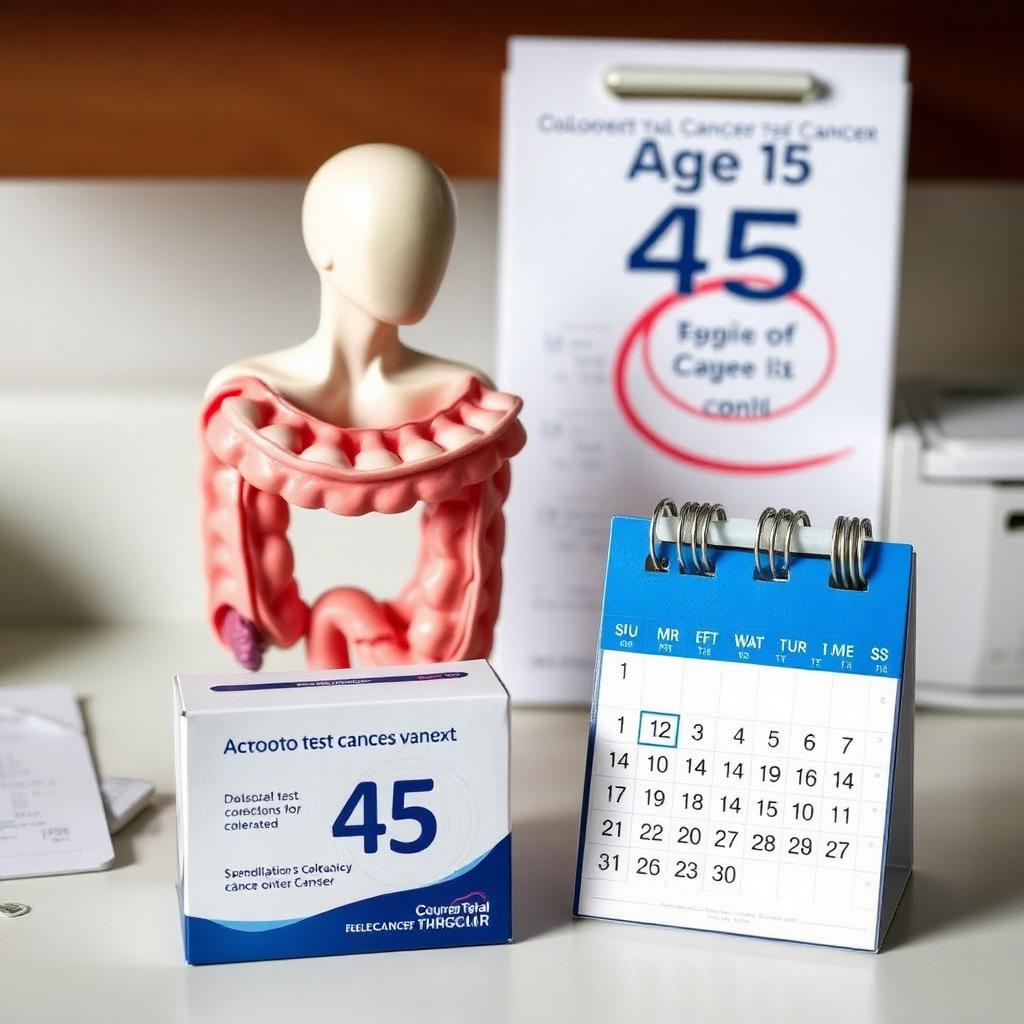
Screening starts at 45 for most adults. Options range from stool tests to colonoscopy.
For informational purposes only. This article is educational and is not a substitute for professional medical advice, diagnosis, or treatment. Always consult a qualified healthcare provider about anything affecting your health. Read full disclaimer.
Introduction
Colorectal cancer (CRC) is a significant public health concern, ranking among the most common cancers diagnosed globally. It affects the colon or rectum, parts of the large intestine involved in digestion and waste elimination. While serious, CRC is often preventable and highly treatable when detected early. Regular screening plays a crucial role in both preventing CRC by identifying and removing precancerous growths (polyps) and detecting cancer at its earliest, most curable stages. This comprehensive guide, based on current medical evidence and clinical practice, explains the importance of colorectal cancer screening, who should be screened, and the various available methods.
Screening recommendations generally begin at age 45 for individuals at average risk. However, specific risk factors, family history, and individual health circumstances can influence when screening should start and which method is most appropriate. Discussing these factors with a healthcare professional is essential to develop a personalized screening plan.
What causes it (evidence-based)
Colorectal cancer develops when cells in the colon or rectum grow abnormally, often forming polyps, which are small clumps of cells on the lining of the large intestine. While not all polyps are cancerous, some types, particularly adenomatous polyps, can evolve into cancer over time. This process typically takes several years.
Several factors can increase an individual's risk of developing colorectal cancer:
- Age: The risk significantly increases with age, with most cases occurring in individuals aged 50 and older, though there's been a rise in diagnoses among younger adults.
- Personal History of Polyps or Colorectal Cancer: Individuals who have previously had adenomatous polyps or colorectal cancer are at higher risk for recurrence.
- Inflammatory Bowel Disease (IBD): Chronic inflammatory conditions of the colon, such as ulcerative colitis and Crohn's disease, increase CRC risk.
- Family History: A family history of colorectal cancer or certain types of polyps, especially in a first-degree relative (parent, sibling, child), increases an individual's risk. The risk is even higher if the relative was diagnosed at a young age.
- Genetic Syndromes: Inherited genetic conditions, such as Lynch syndrome (hereditary nonpolyposis colorectal cancer, HNPCC) and familial adenomatous polyposis (FAP), significantly increase the risk of CRC. These syndromes are rare but account for a notable percentage of cases.
- Lifestyle Factors:
- Diet: Diets high in red and processed meats and low in fruits, vegetables, and whole grains are associated with an increased risk.
- Obesity: Being overweight or obese increases the risk of developing and dying from colorectal cancer.
- Physical Inactivity: A sedentary lifestyle is linked to a higher risk.
- Smoking: Long-term smoking is a recognized risk factor.
- Heavy Alcohol Consumption: Excessive alcohol intake is also associated with an elevated risk.
Understanding these risk factors is crucial for guiding screening decisions and for implementing preventive strategies. (Sources: National Cancer Institute, CDC)
Symptoms and warning signs
Colorectal cancer often develops silently in its early stages, meaning individuals may not experience any symptoms. This lack of early warning makes regular screening particularly vital. When symptoms do appear, they can often be subtle and may mimic less serious conditions. However, persistent or concerning symptoms warrant prompt medical evaluation.
Potential symptoms and warning signs of colorectal cancer include:
- Changes in Bowel Habits: This can include persistent diarrhea or constipation, or a change in the consistency of stool, lasting for more than a few days or weeks.
- Rectal Bleeding or Blood in Stool: Bright red blood from the rectum, or dark or black stools (indicating digested blood), should always be investigated. Even small amounts of blood or blood detectable only through a stool test are concerning.
- Abdominal Discomfort: Persistent cramps, gas, or pain in the abdomen.
- A Feeling of Incomplete Bowel Emptying: A sensation that the bowel does not empty completely after a bowel movement.
- Unexplained Weight Loss: Losing weight without trying can be a sign of many health conditions, including cancer.
- Fatigue or Weakness: This can be due to iron deficiency anemia caused by chronic blood loss from the tumor, even if overt bleeding isn't noticed.
- Narrow Stool: Stools that are consistently thinner than usual.
It's important to remember that these symptoms can also be caused by other, non-cancerous conditions, such as hemorrhoids, irritable bowel syndrome, or inflammatory bowel disease. However, any new or persistent symptom, particularly changes in bowel habits or bleeding, should be discussed with a healthcare professional to determine the underlying cause. (Sources: American Cancer Society, Mayo Clinic)
When to see a clinician
You should see a clinician for colorectal cancer screening and evaluation based on general guidelines, individual risk factors, and any concerning symptoms you may experience.
General Screening Recommendations:
- Average-Risk Individuals: Most major health organizations, including the American Cancer Society, recommend that individuals at average risk for colorectal cancer begin regular screening at age 45.
- Higher-Risk Individuals: If you have certain risk factors, such as a family history of colorectal cancer or polyps, a personal history of inflammatory bowel disease (Crohn's disease or ulcerative colitis), or certain genetic syndromes (e.g., Lynch syndrome, FAP), your clinician may recommend starting screening earlier than age 45 and/or undergoing more frequent screening. The specific age and interval will depend on your individual risk profile.
When to See a Clinician Due to Symptoms:
Regardless of your age or screening history, you should see a clinician promptly if you experience any of the following persistent or concerning symptoms:
- Any change in bowel habits, such as diarrhea, constipation, or a change in the consistency of your stool, that lasts for more than a few days.
- Rectal bleeding or blood in your stool (it may appear bright red, dark red, or black and tarry).
- Persistent abdominal discomfort, such as cramps, gas, or pain.
- A feeling that your bowel doesn't empty completely.
- Unexplained weight loss.
- Constant fatigue or weakness that doesn't resolve.
These symptoms, especially if new or worsening, need to be evaluated by a healthcare professional to determine their cause, even if they seem minor. Early diagnosis improves outcomes for colorectal cancer.
Not Medical Advice: This information is for educational purposes only and does not constitute medical advice. Always consult with a qualified healthcare professional for any health concerns or before making any decisions related to your health or treatment.
Treatment and management options
The treatment and management of colorectal cancer depend on several factors, including the stage of the cancer (how far it has spread), its location, the patient's overall health, and personal preferences. A multidisciplinary approach, involving oncologists, surgeons, radiation oncologists, and other specialists, is often employed.
Common Treatment Approaches:
- Surgery: This is often the primary treatment for early-stage colorectal cancer.
- Polypectomy: During a colonoscopy, polyps (which may contain early cancer) can be removed.
- Colectomy: If the cancer is larger or has spread, a portion of the colon or rectum containing the cancer and some surrounding healthy tissue is removed (resection). Nearby lymph nodes are also often removed to check for cancer spread.
- Laparoscopic vs. Open Surgery: Surgery can be performed through traditional open incision or minimally invasively (laparoscopic or robotic surgery).
- Chemotherapy: This uses drugs to kill cancer cells or slow their growth. It may be used:
- Adjuvant Therapy: After surgery to destroy any remaining cancer cells and reduce the risk of recurrence.
- Neoadjuvant Therapy: Before surgery to shrink a tumor, making it easier to remove.
- Palliative Therapy: For advanced cancer to relieve symptoms and improve quality of life.
- Radiation Therapy: High-energy rays are used to destroy cancer cells and shrink tumors. It is more commonly used for rectal cancer:
- Neoadjuvant Radiation: Before surgery to shrink rectal tumors.
- Adjuvant Radiation: After surgery to kill remaining cancer cells.
- Palliative Radiation: To relieve symptoms in advanced cancer.
- Targeted Therapy: These drugs specifically target certain genes, proteins, or other molecules involved in cancer growth and survival. They work by blocking these targets, potentially leading to fewer side effects than traditional chemotherapy.
- Immunotherapy: This type of treatment harnesses the body's own immune system to fight cancer. It is typically used for advanced colorectal cancers that have specific genetic markers.
Management of Advanced Colorectal Cancer (Metastatic Disease): When colorectal cancer has spread to distant organs (e.g., liver, lungs), the goal of treatment often shifts to controlling the disease, extending life, and improving quality of life. Treatment options may include a combination of chemotherapy, targeted therapy, immunotherapy, and sometimes surgery or radiation to manage specific sites of metastasis.
Follow-up Care: After treatment, regular follow-up is crucial. This typically includes physical exams, blood tests (including tumor markers like CEA), colonoscopies, and imaging scans (CT scans) to monitor for recurrence or new growths. The frequency and type of follow-up depend on the stage of the initial cancer and the treatments received.
Supportive Care: Throughout treatment, supportive care (palliative care) is important to manage symptoms and side effects, address pain, fatigue, and nutritional needs, and provide emotional support. (Sources: National Cancer Institute, American Cancer Society)
Prevention and daily habits
While some risk factors for colorectal cancer, such as age and genetics, cannot be changed, many lifestyle factors can be modified to reduce risk. Implementing healthy daily habits can play a significant role in prevention.
Dietary Modifications:
- Increase Fiber Intake: A diet rich in fruits, vegetables, and whole grains provides essential fiber, which helps promote regular bowel movements and may reduce the risk of CRC. Aim for variety in plant-based foods.
- Limit Red and Processed Meats: Reduce consumption of red meats (beef, pork, lamb) and processed meats (sausages, bacon, deli meats), as high intake is linked to an increased risk of CRC.
- Choose Lean Protein Sources: Opt for poultry, fish, beans, and legumes.
- Reduce Sugary Drinks and Refined Carbohydrates: These can contribute to weight gain and insulin resistance, which may be associated with increased CRC risk.
Maintain a Healthy Weight:
- Achieve and Maintain a Healthy Body Mass Index (BMI): Obesity is a significant risk factor for colorectal cancer. A balanced diet combined with regular physical activity is key to weight management.
Regular Physical Activity:
- Engage in Moderate-to-Vigorous Exercise: Aim for at least 150 minutes of moderate-intensity aerobic activity or 75 minutes of vigorous-intensity aerobic activity per week, along with muscle-strengthening activities on 2 or more days a week. Physical activity helps regulate hormones, reduce inflammation, and maintain a healthy weight.
Limit Alcohol Consumption:
- Moderate Intake: If you choose to drink alcohol, do so in moderation. For adults, this generally means up to one drink per day for women and up to two drinks per day for men.
Stop Smoking:
- Avoid Tobacco Products: Smoking is a well-established risk factor for many cancers, including colorectal cancer. Quitting smoking significantly reduces this risk over time.
Regular Screening:
- Adhere to Screening Guidelines: For individuals at average risk, regular screening starting at age 45 is one of the most effective ways to prevent colorectal cancer or detect it early. For those at higher risk, earlier or more frequent screening may be recommended.
By adopting these evidence-based lifestyle changes, individuals can significantly lower their risk of developing colorectal cancer. (Sources: World Health Organization, CDC, American Heart Association)
Frequently asked questions
What is the recommended age to start colorectal cancer screening for average-risk individuals?
For individuals with an average risk of colorectal cancer, most medical organizations, including the American Cancer Society, recommend initiating regular screening at age 45. However, individual risk factors and family history may necessitate earlier screening, so it's important to discuss this with a healthcare professional.
What are the different types of colorectal cancer screening tests?
Colorectal cancer screening tests generally fall into two categories: stool-based tests and visual/structural exams. Stool-based tests include fecal immunochemical tests (FIT), guaiac-based fecal occult blood tests (gFOBT), and stool DNA tests (e.g., Cologard). Visual exams include colonoscopy, flexible sigmoidoscopy, and CT colonography (virtual colonoscopy). Each test has different preparation requirements, frequencies, and detection capabilities.
Is a colonoscopy truly necessary, or are there less invasive options?
A colonoscopy is considered the "gold standard" for colorectal cancer screening because it allows the clinician to visualize the entire colon and rectum, remove any polyps during the same procedure, and obtain biopsies if necessary. While it requires preparation and sedation, it's highly effective for both detection and prevention. However, less invasive options like stool-based tests or flexible sigmoidoscopy are available and may be preferred by some individuals or recommended based on their risk profile. A positive result from a less invasive test generally requires a follow-up colonoscopy.
How often should I be screened for colorectal cancer?
The frequency of screening depends on the type of test, your individual risk factors, and the results of previous screenings. For example, if you have an average risk and a normal colonoscopy, you might not need another one for 10 years. Stool-based tests are typically performed annually, and flexible sigmoidoscopy every 5 years with annual stool testing. Your clinician will recommend a personalized screening schedule based on your specific situation.
What should I do if I have a family history of colorectal cancer?
If you have a close relative (parent, sibling, child) who had colorectal cancer or advanced polyps, especially if diagnosed before age 60, you may be considered at increased risk. In such cases, your clinician will likely recommend starting screening earlier than age 45, often 10 years before the age of your relative's diagnosis, or by age 40, whichever comes first. More frequent screening intervals or specific types of screening tests may also be advised. It is crucial to share your complete family health history with your healthcare provider.
Key takeaways
- Early Detection is Crucial: Colorectal cancer is often curable when detected early, highlighting the importance of regular screening.
- Screening Starts at 45: For most individuals at average risk, colorectal cancer screening should begin at age 45.
- Various Screening Options: A range of screening methods exist, from non-invasive stool tests to direct visualization procedures like colonoscopy. Each has specific benefits and considerations.
- Personalized Approach: Your screening schedule and choice of test should be discussed with a clinician, taking into account your individual risk factors, family history, and preferences.
- Symptoms Warrant Prompt Evaluation: Do not ignore persistent symptoms such as changes in bowel habits, rectal bleeding, or abdominal pain; consult a healthcare professional immediately.
- Prevention Through Lifestyle: Healthy lifestyle choices, including a diet rich in fiber, regular physical activity, maintaining a healthy weight, and avoiding smoking and excessive alcohol, can significantly reduce your risk.
Sources
- American Cancer Society. "Colorectal Cancer." cancer.org
- Centers for Disease Control and Prevention (CDC). "Colorectal Cancer." cdc.gov
- Mayo Clinic. "Colorectal Cancer." mayoclinic.org
- National Cancer Institute. "Colorectal Cancer." cancer.gov
- World Health Organization (WHO). "Cancer." who.int
- American Heart Association (AHA). "Diet and Lifestyle Recommendations." heart.org
Related reading
- Screening Tests After Age 40 — Cholesterol, blood pressure, colorectal cancer, and other screenings become important after 40.
- Women's Preventive Care: A Lifespan Guide — Preventive care needs shift by decade: reproductive health, bone density, cardiovascular screening, and cancer screening…
- Skin Cancer Prevention Basics — Daily SPF, shade, protective clothing, and annual skin checks reduce risk.
- Adult Vaccine Schedule Overview — Adults benefit from flu, Tdap, shingles, pneumococcal, and other vaccines. Talk with your clinician.
- Hearing Health: Prevention and Screening — Noise-induced hearing loss is preventable. Volume limits and hearing protection make a lifelong difference.
Written by
Health Hub Pro Editorial
Health writer at Health Hub Pro, focused on evidence-based, Sharia-conscious wellness.
View author profile →Medically reviewed by
Dr. A. Rahman, MD
Board-certified in Internal Medicine
Last reviewed on