Epsom Salt Bath Benefits
Discover the potential benefits of Epsom salt baths, from muscle relaxation to stress reduction, and learn how to incorporate this natural remedy into your wellness routine.
For informational purposes only. This article is educational and is not a substitute for professional medical advice, diagnosis, or treatment. Always consult a qualified healthcare provider about anything affecting your health. Read full disclaimer.
Epsom Salt Bath Benefits
For centuries, people have turned to natural remedies for comfort and healing. Among these, the Epsom salt bath stands out as a popular household staple, known for its purported ability to soothe ailments ranging from muscle aches to stress. But what exactly is Epsom salt, and what does scientific evidence say about its benefits? This article delves into the science and tradition behind this widely used natural remedy.
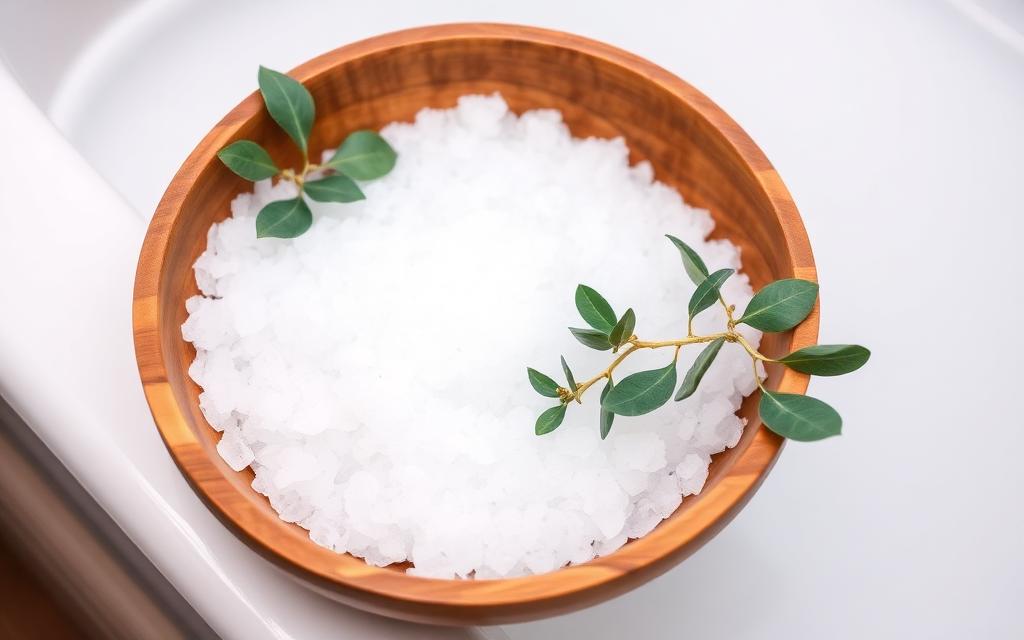
Epsom salt isn't actually salt in the culinary sense. It's a naturally occurring mineral compound made up of magnesium, sulfur, and oxygen, chemically known as magnesium sulfate. Its name comes from a bitter saline spring at Epsom in Surrey, England, where it was discovered in the early 17th century. Historically, it has been used both internally as a laxative and externally in baths for various therapeutic purposes.
How Epsom Salt Baths Work (Theoretically)
The primary theory behind the benefits of Epsom salt baths revolves around the absorption of magnesium through the skin. Magnesium is a vital mineral involved in over 300 biochemical reactions in the body, playing a role in muscle and nerve function, blood glucose control, blood pressure regulation, and bone health. Many people don't get enough magnesium through their diet, and some proponents suggest that transdermal absorption (through the skin) during a bath can help replenish magnesium levels.
However, scientific evidence regarding the extent of magnesium absorption through the skin is mixed and not widely established. While some anecdotal reports and earlier, smaller studies suggest potential absorption, larger, more rigorous studies are needed to confirm significant transdermal uptake. Despite the lack of definitive proof for significant magnesium absorption, many people report feeling the benefits of an Epsom salt bath, which could be attributed to a combination of factors including the therapeutic effects of warm water, the placebo effect, or even minimal magnesium absorption.
Potential Benefits of Epsom Salt Baths
While robust clinical trials specifically on Epsom salt baths are limited, the individual components and the act of bathing in warm water offer several proposed benefits:
1. Muscle Relaxation and Pain Relief
Warm baths themselves can help relax muscles and reduce stiffness. Some individuals report that adding Epsom salts enhances this effect, providing relief for sore muscles, post-workout recovery, and even chronic pain conditions like fibromyalgia. The magnesium component is theorized to aid in muscle relaxation by blocking calcium, which promotes muscle contraction.
2. Stress Reduction and Improved Sleep
Many find warm baths inherently calming. The addition of Epsom salts may contribute to a sense of relaxation, which can help alleviate stress and promote better sleep. Magnesium is known to play a role in regulating neurotransmitters that signal the brain and body to relax, and it may help in the production of melatonin, a sleep-inducing hormone. The overall ritual of a warm bath can also be a powerful stress-reliever.
3. Reduced Swelling and Inflammation
Some anecdotal evidence suggests that Epsom salt baths can help reduce swelling and inflammation, particularly for minor sprains or bruises. The warm water can improve circulation, and the magnesium may have anti-inflammatory properties, though direct evidence of this effect from baths is not conclusive.
4. Skin Health
Epsom salts are sometimes used in exfoliation and for addressing minor skin irritations. The abrasive texture can help slough off dead skin cells, and some believe it may aid in softening rough patches. However, individuals with sensitive skin should use caution, as it can be drying for some.
How to Prepare an Epsom Salt Bath
Preparing an Epsom salt bath is straightforward:
- Water Temperature: Fill your bathtub with warm water, not excessively hot, as extremely hot water can be dehydrating.
- Amount of Epsom Salt: For an adult, a common recommendation is 1-2 cups of Epsom salt dissolved in a standard-sized bathtub. For children, consult a pediatrician for appropriate amounts.
- Dissolve: Pour the Epsom salt under the running water to help it dissolve faster.
- Soak Time: Aim for a 15-30 minute soak. Some sources suggest up to 40 minutes.
- Rinse: After your bath, rinse off with fresh water to remove any salt residue from your skin.
Important Considerations:
- Stay Hydrated: Drink water before and after your bath, as warm baths can be dehydrating.
- Caution for Certain Conditions: Individuals with severe burns, open wounds, kidney disease, heart conditions, or those who are pregnant should consult their doctor before taking an Epsom salt bath.
- Skin Sensitivity: If you have very sensitive skin, start with a smaller amount of Epsom salt or perform a patch test.
Conclusion
Epsom salt baths have been a beloved natural remedy for generations, offering a simple and accessible way to unwind and potentially alleviate various minor discomforts. While the scientific community continues to explore the exact mechanisms and extent of its benefits, particularly regarding magnesium absorption, the reported experiences of relaxation, muscle relief, and overall well-being by countless users speak to its enduring appeal. The act of taking a warm bath itself is a therapeutic ritual, and the addition of Epsom salts may enhance this experience for many, contributing to a sense of calm and physical comfort.
Disclaimer: This article is for informational purposes only and does not constitute medical advice. Always consult with a qualified healthcare professional before starting any new treatment or if you have any health concerns, especially if you have pre-existing medical conditions.
Related reading
- Coconut Oil Uses — Discover the potential benefits of coconut oil, a versatile natural remedy often lauded for its diverse uses in health, …
- Lemon Water Benefits — Discover the potential health benefits of incorporating lemon water into your daily routine, from hydration to vitamin C…
- Salt Water Gargle Benefits — Discover the long-standing benefits of saltwater gargling for oral hygiene and alleviating minor throat discomfort, a si…
- Hydrotherapy and Wellness — Discover the therapeutic benefits of hydrotherapy, using water for pain relief, muscle relaxation, and overall wellness.…
- Walking for Fitness — Discover the profound benefits of walking for fitness,从心血管健康到心理健康, a simple yet powerful exercise accessible to nearly e…
Written by
Health Hub Pro Editorial
Health writer at Health Hub Pro, focused on evidence-based, Sharia-conscious wellness.
View author profile →